Alt Gambling: Skins, Gacha Boxes, Card Rips and Prediction Markets Explained
Skins, gacha boxes, card rips, and prediction bets all run on casino mechanics. Here is how each one works, and where the house hides.

Chances are you gambled this year without walking into a casino or opening a sportsbook app. Maybe you cracked a case in Counter-Strike, ripped a digital Pokémon pack, or bought a few dollars of "yes" on a World Cup match. None of it looked like a slot machine, and all of it arguably worked like one.
Let's call it alternative or alt gambling: products that deliver the wager, the randomness, and the payout of a casino while presenting as something else, such as a video game cosmetic, a real-world collectible, a mystery box, or a financial contract.
The test is simple, and it is the same one most gambling laws use. Gambling needs three things at once:
- Consideration. You pay to take part.
- Chance. Randomness decides the outcome.
- Prize. You can win something of value.
Keep that test in your pocket. Every product below passes it in practice, whatever its terms of service say. We covered how operators argue their way around the test, and how courts keep disagreeing, in our play-money gambling investigation. This guide maps additional territory.
1. Skins Gambling
Skins are cosmetic in-app items from games like Counter-Strike 2 and Rust. They change how a weapon looks, nothing else, yet they trade on open marketplaces at very, very real prices: the New York Attorney General valued the CS skin market at over $4.3 billion in March 2025 and sued Valve in Feb. 2026, calling its loot boxes "quintessential gambling." Per Pricempire data, the same market has since passed $7 billion.
Third-party sites let you deposit skins or crypto and play case openings, case battles, crash, roulette and coinflips, with winnings withdrawable as skins or cryptocurrency. Popular platforms include CSGORoll, CSGOEmpire, Clash.gg and Rain.gg for Counter-Strike, and Bandit Camp for Rust.
So is it gambling? Well, you're paying, since skins cost real money. A random roll decides what you get.

Source: Instagram
And the prize is worth something: one Counter-Strike AK-47 skin resold for over $1 million. All three boxes ticked, but Valve insists it has nothing to do with these unlicensed sites.
2. Gacha: Mystery Boxes with Real and Virtual Items
Gacha sites, also called mystery box or unboxing sites, sell you a digital box with a randomized prize pool. These could include limited edition sneakers, iPhones, watches, rare Pokémon cards, sometimes even a Lamborghini for the crypto bros. The name comes from gachapon, the Japanese word for those ubiquitous capsule toy vending machines.
Gacha sites have the same mechanism: Open the box, see what you pulled, then either ship the item or swap it on the spot for site balance. Most platforms let you withdraw in crypto within minutes.
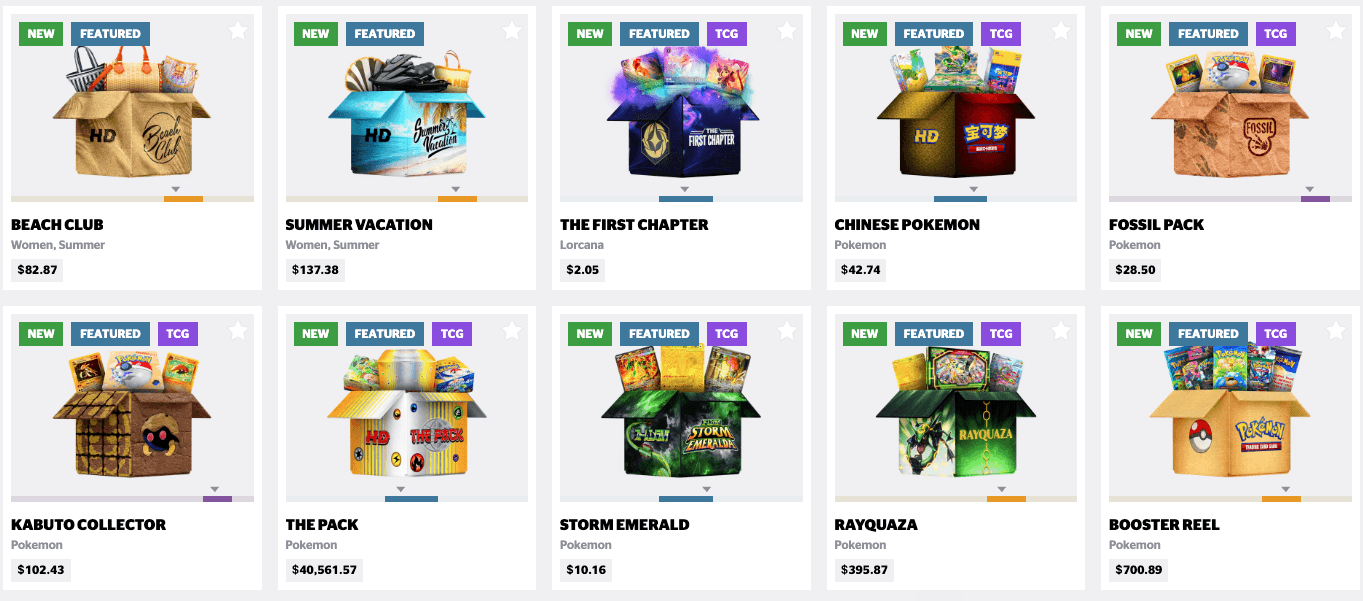
Source: Hypedraw
The big names are HypeDrop, PackDraw, Cases.gg, RillaBox and JemLit, most of them crypto-friendly, with fun features like "battle mode", and several of them are "provably fair," meaning you can verify the draw was random.
Against retail prices, most boxes pay back less than they cost, which is a polite way of saying the house wins. Payment, chance and prize are all there, and the exchange-to-balance button does what a casino cashier would.
PackDraw has made headlines recently. It holds no gambling license and is tangled up in Minnesota and New York lawsuits alleging the recruitment of a minor into offshore crypto gambling; the allegations are untested and the company has not been found liable.
Gacha games such as Genshin Impact, Honkai: Star Rail and Zenless Zone Zero sit at the other end, offering mystery game item boxes (usually new characters, weapons or skins) at long odds for real money. The so-called pity systems guarantee a rare item reward after enough failed attempts, but are engineered to keep you spending.
Even though transferring characters or items directly is not possible in most cases, a huge unofficial marketplace exists because players use third-party platforms to buy and sell entire game accounts. Example: One whale player wants to cash out after spending thousands of dollars or hours on a game, while another wants to play with their favorite character from the get-go.
Gacha games earned $650 million in revenue in July 2026 alone, according to industry analysis.
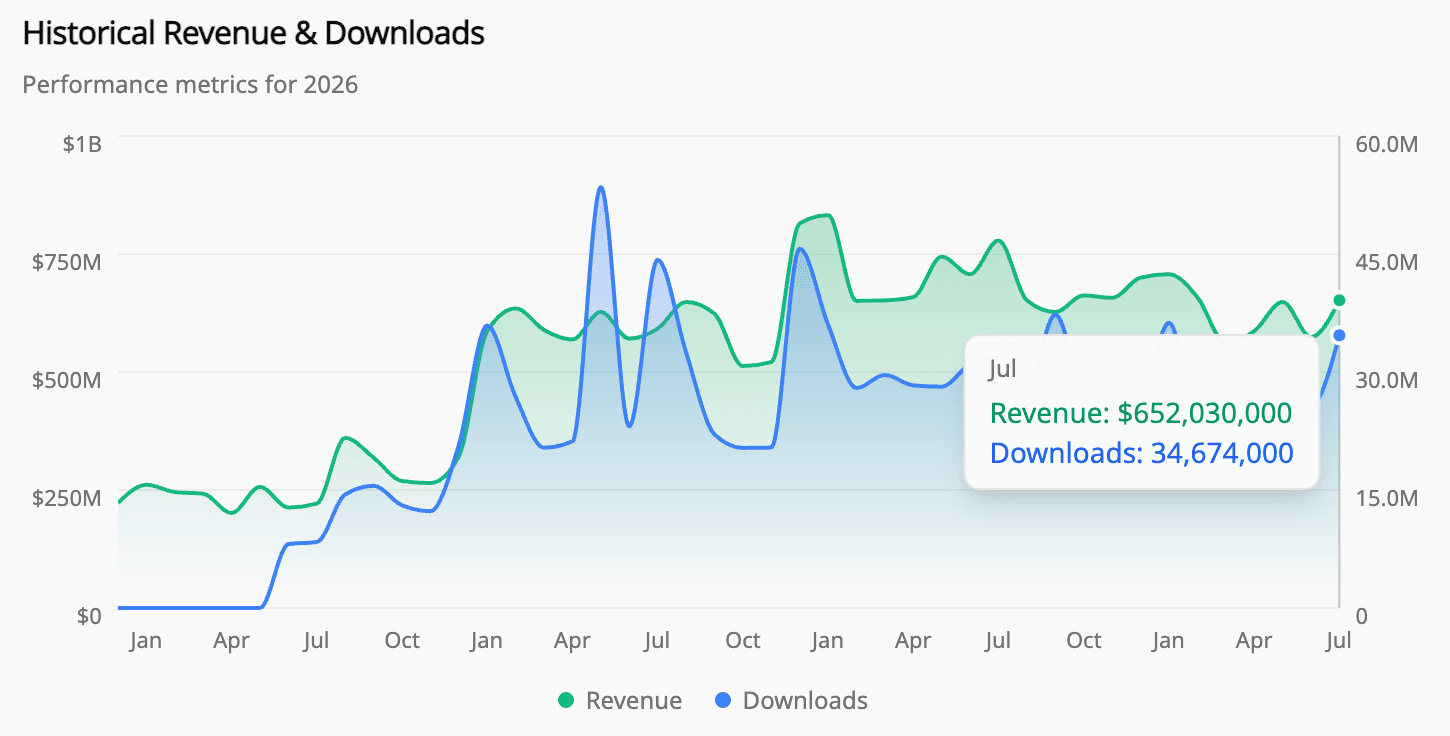
Source: GACHAREVENUE
Regulators treat these as loot boxes rather than gambling in most markets. Several jurisdictions have moved to force odds disclosure, and the debate over whether the mechanic is functionally gambling is far from settled, as this June 2026 Reddit thread explores.
3. Are Card Rip and Repack Sites Gambling?
Card collectibles are a natural fit for online trading. On card rip sites, you can buy a virtual pack for anywhere from $25 to $2,500+, watch a reveal animation, and receive one real graded card from a pool. The card is a vaulted, insured, physical asset you can ship, sell on the in-app marketplace, or sell straight back for 80 to 90% of market value, which could be tens of thousands of dollars.
Chase-card odds on some packs sit below 1%.
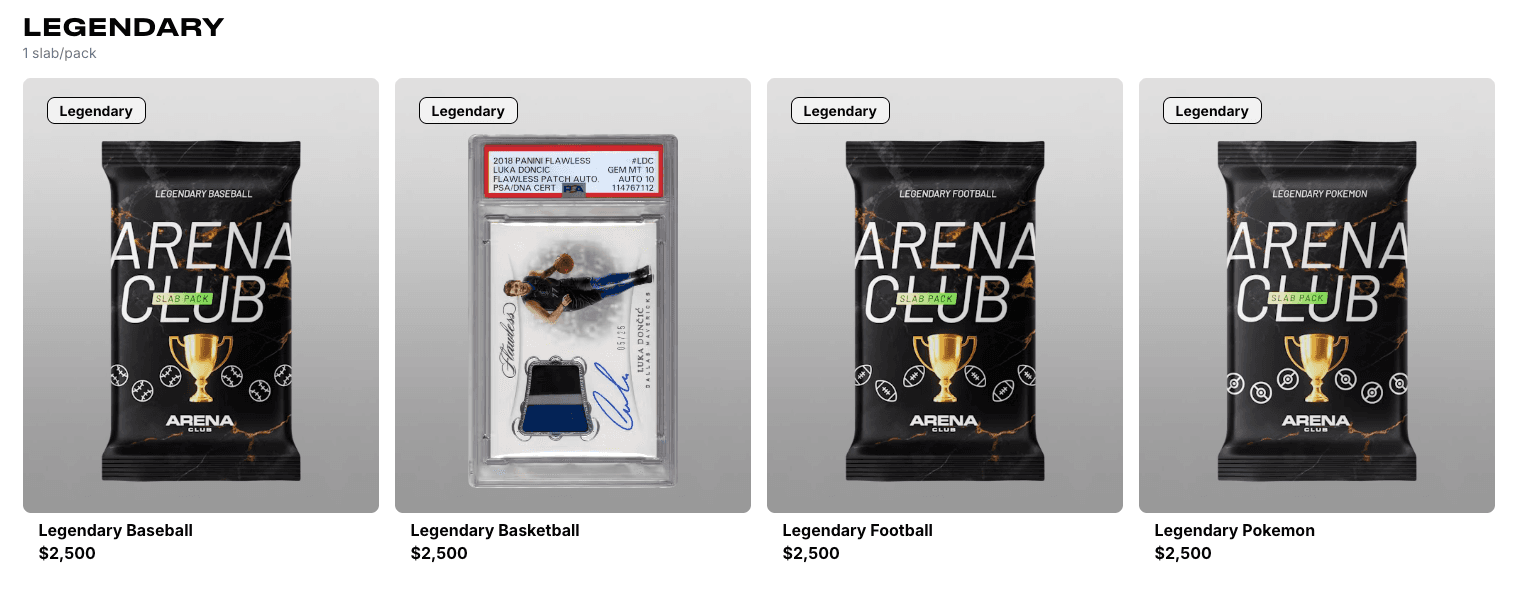
Source: Arena Club
Courtyard, Arena Club and Fanatics' Instant Rips lead the mainstream lane, while Phygitals, Collector Crypt and Dyli run the crypto-native version, some complete with their own tokens. The model is spreading fast: Underdog is building random card packs with Phygitals, and dozens of repack sites now compete for the same wallet.
The same three boxes are checked here: paid entry, a random pull, and a prize with a live resale market. Transparency varies from site to site, and some of the loudest criticism comes from inside the house: the founder of rival repack platform Boxed accused the sector of hiding its odds and randomness practices in a viral thread.
Meanwhile, the trading card sector isn't slowing down. Logan Paul sold a very rare Pokémon card in February 2026 for a record-breaking $16.5 million at auction, and the total market is predicted to top $11.8 billion annually by 2030.
4. Moon's 1,000x Leveraged Price Betting
The newest lane blends the casino with the trading terminal. Moon.com, the Stake-linked platform, offers up to 1,000x leveraged bets on crypto and other prices: pick a direction, set your multiplier, and a small move pays out big or wipes your stake in seconds. It is a price chart with a crash game's heartbeat, and it sits closer to Stake's casino DNA than to a brokerage.
Our first-impressions review of Moon.com breaks down how the product works and what to check before touching it.
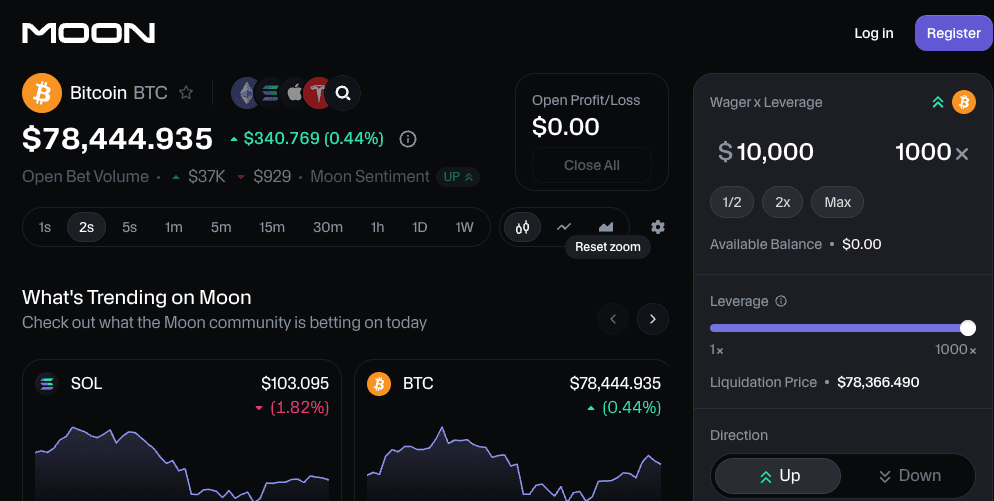
Source: Moon
Trading or gambling? At 1,000x leverage, a 0.1% price wiggle is the coin flip: you stake, the price decides, cash pays out.
Products like this are why analysts expect gray-area gambling to keep growing faster than the licensed kind: they reach people who would never open a sportsbook or play a casino game.
5. Is Polymarket or Kalshi's Prediction Betting Gambling?
Prediction markets let you buy "yes" or "no" contracts on real-world events, priced between $0 and $1, paying $1 if you are right. The two giants are Kalshi and Polymarket, whose larger international exchange is crypto-native and settles in stablecoins. Kalshi and Polymarket US are regulated in the US by the CFTC.
The scale is startling for a product that insists it is trading, not betting. The 2026 World Cup alone drove roughly $19 billion in prediction volume, outpacing US legal sportsbooks over the same stretch. Sports, politics and crypto make up around 90% of what gets traded.
Apply the test here and the picture blurs, which is the whole point of the product. Payment and prize are obvious. The industry argues skill and information, not chance, set the price. Regulators are split: at least 11 US states have ordered the platforms to stop offering sports contracts.
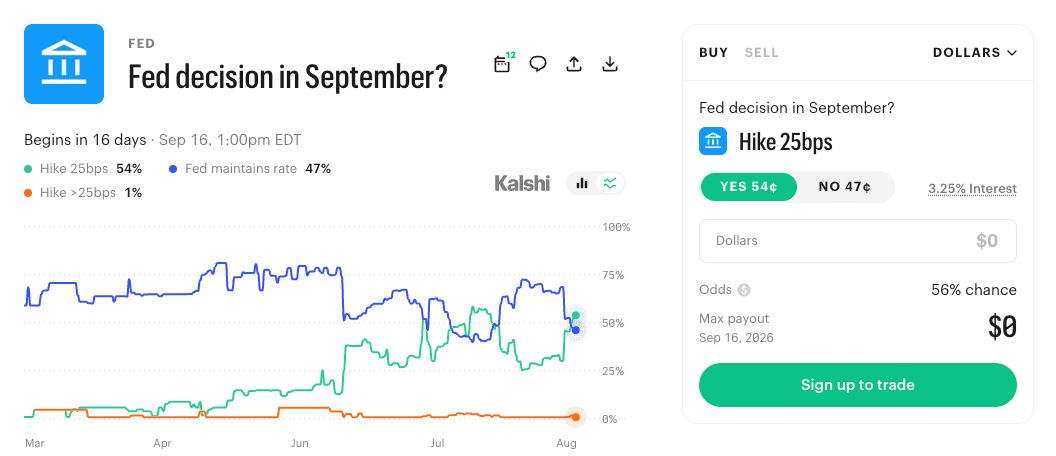
The courts have started agreeing with them: a federal appeals court ruled in August that states can treat prediction markets as gambling, calling Kalshi's sports contracts "sports gambling, regardless of whether Kalshi calls them swaps."
Alt Gambling vs a Regular Casino: Comparison Table
Crypto casino | Skin sites | Gacha boxes | Card rips | Prediction markets | Moon.com | |
|---|---|---|---|---|---|---|
You stake | Crypto/cash | Skins, crypto | Cash, crypto | Cash, crypto | Cash, stablecoins | Crypto |
You can win | Cash | Skins, crypto | Items or balance | Graded cards | Cash | Cash |
House edge published? | Yes, as RTP | No | No | No | No, spread and fees instead | No, funding and spread instead |
Odds shown? | Yes (RTP) | Sometimes | On most boxes | Sometimes | Market-priced | Priced by leverage |
Gambling license? | Sometimes | Almost never | Almost never | Almost never | No, CFTC oversight for Kalshi | No |
Age checks? | Varies | Weak | Weak | Weak | KYC on regulated arms | KYC |
Self-exclusion tools? | On licensed sites | No | No | No | No | No |
How skin sites, gacha boxes, card rips, prediction markets and Moon.com compare to a licensed crypto casino, August 2026. Data as of Aug. 28, 2026.
Conclusion
A licensed casino at least tells you the house edge and answers to someone. Most alt gambling products offer the same mechanics with fewer numbers and nobody to call.
Before you put money into any of them, run the three-part test, check whether anyone licenses the operator, and read what happens to players who try to withdraw. Our guide to checking a crypto casino license works on a box site too.
Frequently Asked Questions
Is opening CS2 cases gambling?
Yes, by the standard three-part test. You pay for a key, a random roll decides the skin, and the skin has resale value. The New York Attorney General called Valve's loot boxes quintessential gambling in a February 2026 lawsuit. Valve says it does not operate the third-party sites where skins are wagered.
Are mystery box sites legal?
Most operate without a gambling license and rely on the argument that you always receive an item, so nothing is lost. Regulators in several countries reject that reasoning. Because the sites are unlicensed, there is no regulator to complain to if a withdrawal is refused.
Is Polymarket or Kalshi gambling?
Both argue they run financial markets, not sportsbooks. Kalshi operates under CFTC oversight in the US, while Polymarket's larger exchange settles in stablecoins offshore. At least 11 US states have ordered them to stop offering sports contracts, and South Korea blocked Polymarket as illegal gambling. No final ruling has settled the question.
Are card rip sites rigged?
There is no public evidence that the major platforms rig their pulls, and several publish odds. What critics point to is inconsistent disclosure of those odds and of how randomness is generated, which makes independent verification difficult on most sites.
How do I tell if a site is gambling before I deposit?
Ask three questions. Do I pay to take part? Does randomness decide what I get? Can I convert the prize into money? Three yeses mean you are gambling, whatever the site calls itself.
Which alt gambling formats are safest for beginners?
None of these formats is safe in the sense a regulator would use, because almost none carries a gambling license, deposit limits or self-exclusion. Licensed products at least publish a house edge and answer to an authority.
Treat gambling as entertainment you pay for. 18+, and if it stops feeling like entertainment, help exists at BeGambleAware and GamCare.