


Last 30 days

 USA
USA English
Affiliate Benefits
Aff code benefitsHigh
Growth
ShuffleLifetime Data
2026-09-24
BONUS BUY OPENING! COME CHILL & WIN SOME MONEY! 🍀
Activity
Past Streams
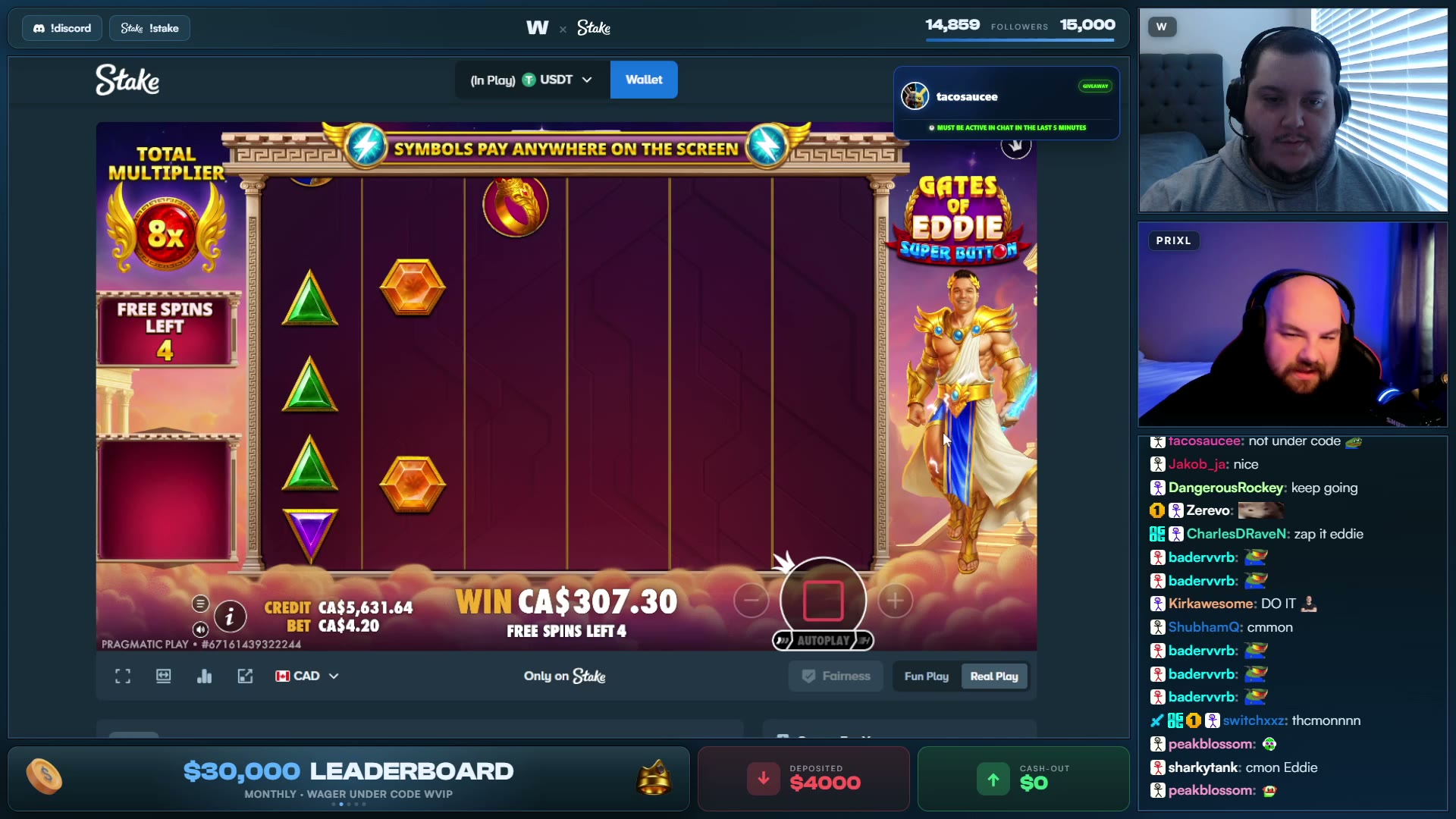
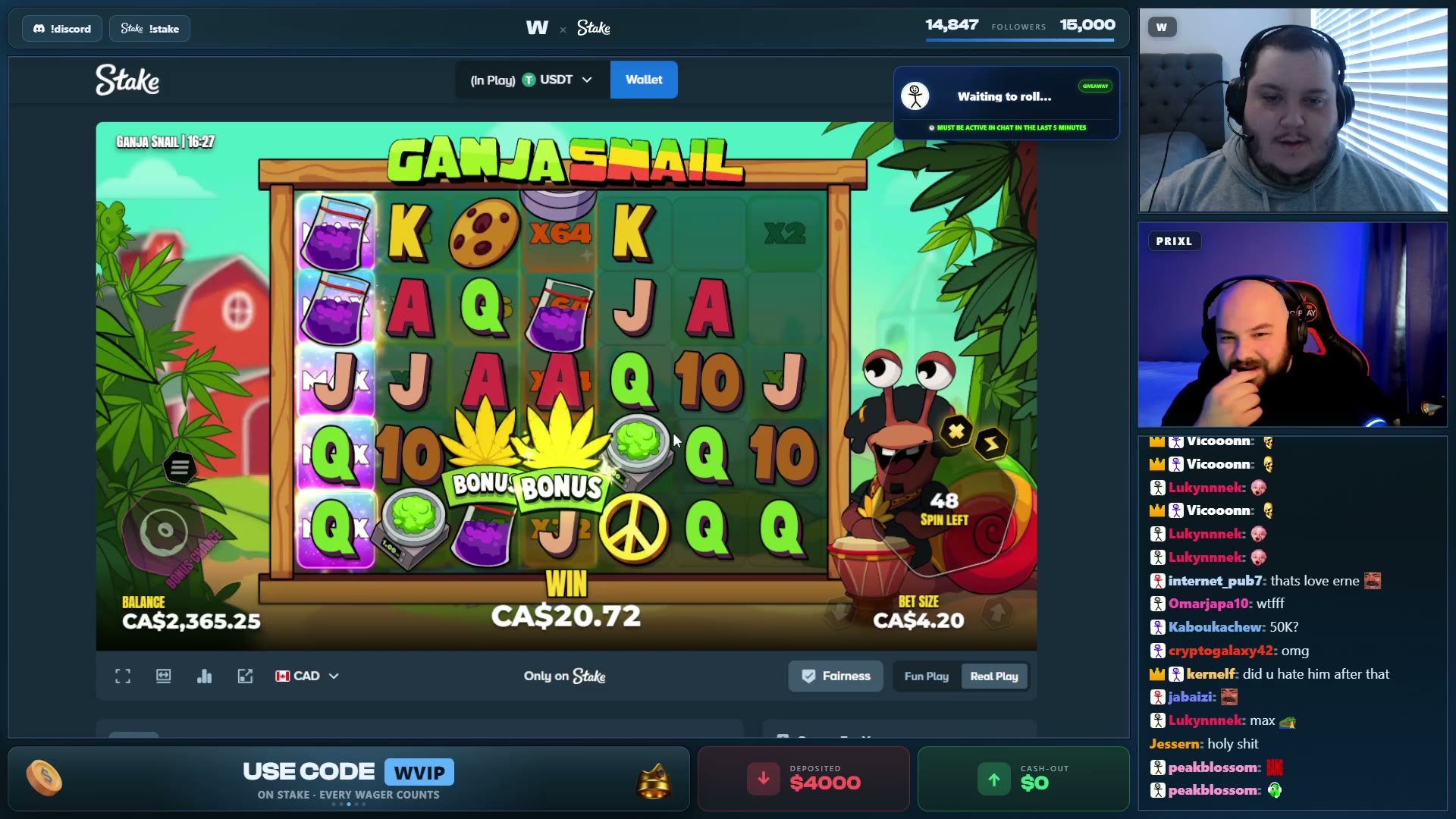
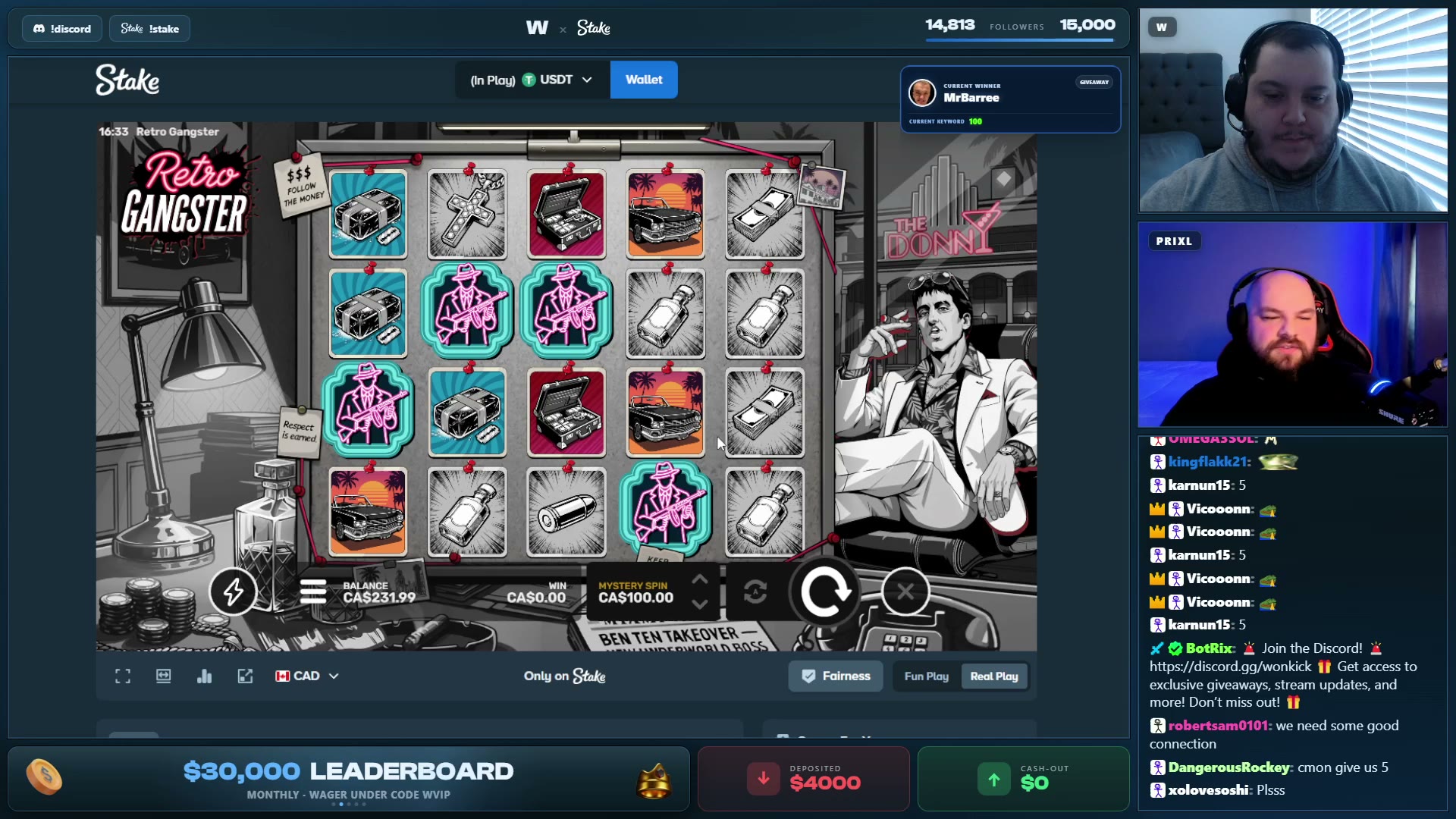
Recent News for w
W Gambling Streamer: What Casino Streams Really Show
If you searched “w gambling streamer”, you probably mean: what is a gambling streamer? In plain English, it is a person who broadcasts casino play to an audience, usually showing slots, live casino games, crash games, sports bets, or crypto-casino sessions while viewers watch the wins, losses, reactions, and bonus buys unfold in real time.
These streams live where attention lives: streaming platforms, short-form video feeds, social media clips, and private communities where highlights travel faster than the bankroll ever could. The product is not just gambling. It is gambling turned into content — risk packaged as entertainment, edited into moments, and often wrapped in personality, chat culture, and affiliate links.
Casinos sponsor gambling streamers because the format does what banner ads cannot. A viewer sees the casino interface, the deposits, the bonuses, the game speed, the withdrawals if they are shown, and the emotional theater around every spin. That kind of exposure can make a casino feel familiar before a viewer has read a single term of service. Convenient, that.
But a casino stream is not automatically proof of a fair casino, a real bankroll, or ordinary player treatment. Viewers should separate what is visible from what is verified. A displayed balance is not the same as proof of personal funds. A big win clip is not the same as a complete session history. A withdrawal shown on stream is more useful than a promise, but even then, the details matter: amount, timing, wallet movement, account status, and whether ordinary players receive the same treatment.
The useful question is not whether the streamer looks lucky. The useful question is what can be checked. Are sponsorships disclosed? Are bonus terms visible? Is the casino licensed where it claims to operate? Are withdrawals actually completed? Are crypto transactions traceable on-chain? Are viewers being shown a real gambling session, or a sales funnel with better lighting?
Casino streams can be entertaining. They can also blur advertising, influence, and wagering into one neat little package. Watch the content if you like the spectacle. Trust only what survives verification.
What is a gambling streamer?
A gambling streamer is a person who broadcasts live online casino play on video platforms. Blerp defines gambling streamers as creators who stream online casino games through Twitch, YouTube, Kick, or other streaming video platforms. Strip away the overlays, chat spam, reaction faces, and bonus-hunt theatre, and that is the core product: someone playing casino games live while an audience watches.
That definition matters because the label can sound more complicated than it is. A gambling streamer is not necessarily a casino operator, and a casino operator is not necessarily a streamer. The streamer is the visible broadcaster. The casino, game provider, platform, and audience sit around that broadcast in different roles. Sometimes the stream is framed as entertainment: a live show built around risk, suspense, wins, losses, personality, and chat interaction. Sometimes it is marketing: a way to put a casino brand, game title, bonus mechanic, or gambling experience in front of viewers. Quite often, it can be both. Funny how the roulette wheel keeps landing on “brand exposure.”
The clean distinction is not whether the stream looks exciting. Marketing often does. The distinction is what the broadcast is doing beyond the play itself. If viewers are watching because they enjoy the streamer’s reactions and pacing, that is entertainment. If the same stream also normalizes a casino product, spotlights a platform, or encourages attention toward online gambling, it has a marketing function too. Those two roles are not mutually exclusive; the useful question is which incentives are visible and which ones are not.
So when someone asks what a w gambling streamer is, the plain answer is this: a live-video creator broadcasting online casino play, usually on platforms such as Twitch, YouTube, Kick, or similar services. The sharper answer is that the stream should be read in two layers at once: the show on screen, and the commercial gravity behind it. The first layer is easy to see. The second is where viewers need to keep their eyes open.
Where gambling streamers operate
A gambling streamer can operate wherever livestreaming, short-form video, private groups, and affiliate links can be stitched together. The main public stages are Twitch, YouTube, Kick, and other livestreaming sites, where casino play can be turned into a recurring broadcast rather than a private bet. The format is simple: live wager, live reaction, live chat, repeat. The commercial machinery behind it is usually less visible.
Kick is the most explicit of the major platforms in how it packages casino content. Its Slots & Casino category says viewers can watch live streams and interact with streamers in real time, and Kick describes itself as the “fastest-growing streaming community.” That is the pitch in its cleanest form: casino content with chat attached, dressed as entertainment and distributed like any other creator vertical. The house always appreciates a better camera angle.
Twitch and YouTube remain central because they already have the audience behavior gambling promoters want: long sessions, parasocial loyalty, and algorithmic discovery. A w gambling streamer does not need a traditional gambling audience first; they can sit inside gaming, influencer, and entertainment cultures, then push viewers toward casino brands through repetition, personality, and familiarity. The stream is the front room. The offer usually lives one click away.
The channel map does not stop at livestreaming. Sweden’s gambling watchdog, Spelinspektionen, says influencers promoting unlicensed gambling are active on Twitch, Kick, TikTok, Instagram, and Telegram, with much of that activity aimed at younger audiences. The same report says influencer promotions remain a major problem for unlicensed online casinos. That matters because the risk is not confined to one platform’s rules page or one category label.
This is the practical geography of gambling streaming: public broadcasts for reach, social platforms for clips and recruitment, and private or semi-private channels for persistence. When enforcement pressure rises in one venue, attention can move elsewhere. The audience sees content. Operators see distribution. Regulators see a marketing funnel that does not always wait politely at the licensed front door.
How casino streaming grew from niche content to a cross-platform ecosystem
Casino streaming did not arrive as a mature media category. It started small, loud, and easy to dismiss: a few personalities broadcasting slot sessions to Twitch audiences. iGamingToday describes the arc as beginning with a handful of Twitch personalities spinning slots in 2016 and growing into a cross-platform ecosystem that now spans Kick.
That shift matters because the modern “w gambling streamer” is no longer just a person with a camera, a balance, and a chat box. The category has become a distribution layer for gambling brands, where streamer identity, platform reach, and casino affiliation sit in the same frame. The content still looks casual from the outside. The commercial structure underneath is less innocent.
The scale is visible in iGamingToday’s own roster. The page lists 296 streamers total, with large clusters tied to specific operators: 123 tied to Stake, 49 to Roobet, 14 to Rainbet, 7 to Gamdom, 18 to Shuffle, and 3 listed as Free Agent. That is not a loose hobbyist directory. It is a mapped creator market with operator gravity.
Stake’s count alone stands out. A roster of 123 names tied to one casino brand shows how far the format has moved from isolated slot streams into branded entertainment pipelines. Roobet’s 49 listed streamers reinforce the same point: casino streaming is not merely content about gambling; in many cases, it is content organized around the casinos themselves.
Kick’s presence in the ecosystem also underlines the platform shift. Twitch may be part of the origin story, but the category no longer lives on one stage. It has spread across platforms, operators, and streamer affiliations, making the old “just watching someone gamble” framing badly outdated.
The cleaner read is this: casino streaming grew because attention, risk, and operator marketing found each other in public. The result is a cross-platform machine where the spin is visible, the money trail is less obvious, and the viewer deserves to know which side of the table the streamer is really sitting on.
Who are some well-known gambling streamers?
The names that keep surfacing around gambling streaming are Roshtein and Trainwreckstv. Third-party roundups commonly cite both, which is usually the first clue that a “w gambling streamer” search is not about one creator so much as the small circle of high-visibility casino broadcasters who dominate the category.
Roshtein is often framed as one of the originals. 106.5 Jack FM says Roshtein has 1.1 million Twitch followers and calls him a pioneer of casino streaming. His current profile is Kick-first: he streams in English from Sweden, lists Stake as his current casino, and carries an estimated market value of $52.5M. In the last 30 days, his numbers show 976.3K hours watched, 21.6K peak viewers, 15.5K average viewers, 273h 52m airtime, and +7.5K followers.
The commercial machinery is visible too. Roshtein’s estimated monthly payment is listed at $6.5M/mo, with past casinos including Bitstarz, Vavada, and N1. His face cam is marked “Yes,” his affiliate code is rosh, and the attached benefits include rakeback, deposit bonuses, 10% monthly roshback, and double website rewards. Lifetime, his Kick profile shows 404.4K followers, 76.4K peak viewers, 9.1K average viewers, 741h airtime, and 521 active days.
Trainwreckstv sits even higher in the casino-streaming attention economy. Webopedia says Trainwreckstv leads its 2026 top Kick streamers ranking with 1.07 million weekly hours watched and 47,638 peak viewers. His profile lists him as a Kick and Stake streamer, English-language, located in Vancouver, with Stake as his current casino and an estimated market value of $382.3M.
His recent 30-day profile data shows 1.8M hours watched, 52.4K peak viewers, 29.8K average viewers, 149h 56m airtime, and +32.5K followers. The estimated monthly payment is $50M/mo. Lifetime figures list 629.3K followers, 159.9K peak viewers, 26.7K average viewers, 593h airtime, and 275 active days. A recent news item tied to him reads: “Trainwreck Reveals His Current Stake Deal,” with the subtext: “$500k an hour for 100 hours and he still thinks he's leaving money on the table.” Subtle as a brick through a cashier window.
Syztmz is another name that has crossed into mainstream coverage, appearing in the New York Times gambling-streamer story as one of the most popular gambling streamers.
Why casinos sponsor gambling streamers
Casinos sponsor gambling streamers because the product sells best when it looks alive: spinning reels, chat moving fast, balance swinging, bonus buys landing on camera. Win.gg says betting platforms are increasingly partnering with content creators and frames these deals as a live question of whether casino streamer sponsorships are actually worth it. That question is not academic. For operators, the streamer is distribution, acquisition, and social proof rolled into one loud tab.
Most large gambling streams are sponsored. The standard package is simple enough: a flat fee for the creator, plus a casino-funded balance to play with on stream. That second part is where the audience needs to keep both eyes open. A sponsored balance can look like cash on screen, but the streamer usually cannot withdraw the wins, and the casino refills the losses. The risk profile on camera is not the same as the risk profile for a regular player depositing their own money. Same pixels, different physics.
This is why the “w gambling streamer” moment can be misleading. A giant win clip may travel as entertainment, but the underlying economics may be closer to paid media than ordinary gambling. If the balance is funded by the casino, the loss is recycled marketing spend. If the creator is also paid a fee, the session has a sponsor’s thumb on the scale before the first spin loads. The bear pokes itself, really.
Affiliate economics add another layer. FairGambling’s affiliate program offers wager share, code drops, leaderboard prizes, and more. Its calculator is illustrative only and depends on real play, game mix, bonuses, and each casino’s affiliate terms. Supported casinos include Duel, Stake, Stake US, Thrill, Winna, BC.Game, Roobet, Rainbet, Gamdom, Gamba, Degen, Goated, 1win, Shuffle, Yeet, and Rollbit.
The incentive is not mysterious: casinos sponsor streamers to turn attention into wagering volume. The streamer gets paid, the casino gets traffic, and the audience gets a show that can resemble a raw gambling session while operating under commercial terms most viewers never see. That gap is the whole business model.
The viewer risk: big wins, bigger wagering, and missing context
A w gambling streamer clip is built for the moment the balance jumps. The danger is everything outside the frame. Big wins are visible; deposits, reloads, losses, bonus terms, and withdrawal history usually are not. That missing context matters when the audience is not just watching but wagering alongside the show.
The scale is not theoretical. The New York Times says the top five fans of Syztmz wagered more than $1 million each. That is the part of the stream economy the highlight reel does not explain neatly. A $50,000 hit looks clean on screen. The churn required to get there, or to chase it after the fact, is messier and much less marketable.
Promo codes make the funnel easier to see. FairGambling’s Live Codes page shows current promo codes by casino, including Stake, StakeUS, Thrill, Rainbet, ShuffleUS, Winna, Goated, and Razed. Each entry lists the code, value, time posted, total claims, wagering requirement, and value per 1k. In plain English: the “free” number is only the headline. The wagering requirement is where the machine starts humming.
The live examples are not subtle. Stake code stakecomln3jtve7nofra3 shows a $2 value, posted 3 minutes ago, with 1,000 claims and an $8K wagering requirement. StakeUS code stakeush23n6a548xqmdh shows the same $2 value, posted 52 minutes ago, with 1,000 claims and an $8K requirement. Rainbet-style smaller drops are there too: TGD380JLKC shows $5, posted 1 hour ago, with 100 claims and a $15K requirement; TKQCN4F9 shows $1, posted 2 hours ago, with 600 claims and a $4K requirement.
The aggregate code-drop table tells the same story at scale. Stake shows 45 codes, $1.1M total value, 90,328 claims, and 46% of listed code-drop activity. StakeUS shows 45 codes, $1.0M total value, 84,326 claims, and 44%. Rainbet shows 69 codes, $116.2K total value, 21,115 claims, and 5%. The biggest listed drop is StakeUS code stakeus6zz3b6e5krhi1c, with a $25.00 value and $50.0K total paid.
The viewer sees confetti. The ledger sees volume. Only one of those pays the casino.
The streamer risk: paid gambling is still gambling
A sponsored balance can look indistinguishable from cash once it is spinning through a slot on screen. The counter moves, the reels flash, the streamer reacts, and the audience sees “money” being won or lost in real time. But the optics do not cancel the risk. Paid gambling is still gambling, even when the bankroll is supplied by a casino, an affiliate deal, or some other commercial arrangement sitting just off-camera.
That point is not moral panic; it is basic exposure. ODAAT Gambling Awareness says a streamer paid to gamble all day can still be pulled into gambling addiction like anyone else, because the activity itself does not become harmless just because it is monetized in its discussion of gambling streamers and addiction risk. The paycheck may change the economics for the streamer. It does not change the psychology of chasing, loss tolerance, escalation, or the constant normalization of high-frequency betting.
This is where the “w gambling streamer” image gets slippery. The audience sees confidence, big bets, and theatrical wins. What it may not see is the commercial machinery behind the session: paid promotion, bonus funds, affiliate incentives, or a platform deal. A balance displayed on stream can behave like money for entertainment purposes while being very different from the viewer’s own deposited cash. The danger is the transfer: viewers may copy the pace, stake size, or casino choice without having the same subsidy, deal, or downside protection.
Regulators are not treating this as a side issue. Sweden’s Spelinspektionen says influencers remain a major problem for unlicensed online casinos, with promotions running across Twitch, Kick, TikTok, Instagram, and Telegram. The same report says these campaigns target younger audiences, which is exactly why the medium matters. Gambling advertising delivered through a personality feels less like an ad and more like a recommendation from the loudest person in the room.
Sweden has also moved from warnings to consequences. In March 2026, an influencer received a 22-month prison sentence for economic crimes tied to promoting unlicensed gambling, the first case of its kind in Sweden. That is the receipt operators and creators prefer not to headline: when gambling promotion crosses legal lines, the “just content” defence starts to look very thin.
How to evaluate a gambling streamer before trusting the content
Treat every gambling stream as a paid media product until the receipts say otherwise. A w gambling streamer may be entertaining, but entertainment is not evidence; the evidence is disclosure, licensing, wallet flow, bonus terms, and whether the ugly sessions get airtime too.
Before trusting the content, check the basics:
- Is the stream sponsored?
- Is there a clear disclosure?
- Is the casino named?
- Is the casino licensed, and where?
- Are bonus terms visible?
- Is the streamer using real funds, house funds, bonus funds, or undisclosed funds?
- Are deposits and withdrawals visible or independently verifiable?
- Are losses shown as clearly as wins?
- Are viewers pushed through codes or links?
- Are responsible gambling tools mentioned?
The casino is the first receipt. FairGambling’s casino overview page and crypto casino reviews rate operators through 10 weighted categories scored from 0–10, for a total score from 0–100. No casino can pay for a better score. Trust Rankings are based on licensing, security, payout speeds, user reviews, and historical data, not whichever brand shouted loudest into a stream overlay.
The money path matters. If a streamer cannot show whether the balance is real funds, house funds, bonus funds, or something left conveniently undefined, the content is missing the main ingredient. FairGambling’s guide on how casino streamers are funded and its walkthrough on how to verify a crypto casino wallet explain the difference between visible deposits, withdrawals, balances, and on-chain traces. Wins without withdrawals are just theater with louder buttons.
Licensing deserves the same treatment. Use gambling site license checks and the guide on how to check a crypto casino license: find the license seal in the casino footer, click it, and match the company name against the certificate and the site’s terms. A real seal opens a regulator-hosted certificate showing company name, license number, and active status. An image-only seal, or a certificate hosted on the casino’s own domain, is a red flag wearing a cheap suit. If there is no seal, search the regulator register directly; if the operator is not in the register, it is not licensed. For Curaçao, the seal should open a certificate on the CGA verification domain, and Curaçao’s December 2024 licensing change phased out old master-license certificates. Fake regulator lookup sites exist, so check the register’s own domain too.
Bonus money needs daylight. If the streamer is playing with a bonus, the viewer should be able to see the terms, especially casino bonus wagering requirements. Game fairness also needs more than a logo: how provably fair gambling works and the provably fair guide explain what can actually be checked, rather than politely applauded.
Affiliate pressure is another tell. FairGambling’s Transparency Notice separates editorial and ranking systems from the Kickback affiliate program: Kickback is voluntary, can earn commission, and does not affect Trust Score or ranking position. FairGambling does not accept payments, sponsorships, or other compensation for favorable reviews or rankings. Its user reviews are moderated for spam and abuse, not altered by sentiment; compliant negative reviews stay visible, and no casino can pay to remove or modify them. Analytics and statistics come from public blockchain data, official APIs where available, and aggregated user reports; the data is not fabricated or manipulated.
Streamer context helps, but it is not a license to switch off your brain. Compare profiles on the Streamers page, including the Syztmz casino streamer profile, Trainwreckstv gambling guide, and Roshtein streamer page, against what is shown on-screen. If a broadcast pushes referral codes, check whether those promotions are framed clearly; FairGambling’s Live Codes keeps the code economy visible, and the Swedish regulator report shows why influencer gambling promos attract regulatory attention.
Finally, look for the boring adult furniture: limits, self-exclusion, cooling-off tools, and visible responsible gambling resources. If a casino dispute follows the fun, the player dispute guide is where the entertainment stops and the paperwork begins.
What gambling streamer content usually does not show
A w gambling streamer sells immediacy: balance on screen, reels spinning, chat reacting, big win clipped before the dopamine cools. What sits off-camera is usually the part that matters. The first missing receipt is the session bankroll source. Viewers rarely get a clean view of whether the money came from the streamer’s own pocket, a casino-funded balance, a rebate arrangement, a marketing budget, or some mix of the above.
That distinction is not cosmetic. Sponsored balances can look like cash on screen, especially when the interface shows the same digits, chips, or crypto-style amounts a regular player would see. But streamer withdrawals are usually constrained by the deal. A balance may be playable without being freely withdrawable. It may exist to generate content, not to prove that the streamer can cash out under the same conditions as a normal user. Same screen, different plumbing.
The next blind spot is sponsorship terms. The audience sees the brand placement; it usually does not see the contract. That contract may shape which casino is played, how long it is shown, what links are promoted, what claims are avoided, and whether losses are softened by reloads, retainers, or other compensation. Without those terms, the stream is entertainment wrapped around an undisclosed economic engine.
Then comes affiliate revenue. A streamer may earn when viewers sign up, deposit, or keep playing. That creates a direct financial interest in turning attention into player activity. A big on-screen loss can still be a profitable stream if the audience funnel pays. The house is not the only party with an edge.
The full ledger is also missing. Clips preserve wins; platforms reward spectacle; archives rarely function as audited loss statements. Viewers usually do not see the full loss history, including cumulative deposits, reloads, rebates, and dead sessions where nothing viral happened.
The same applies to withdrawal success or failure. A posted win is not proof of a completed withdrawal. What matters is whether funds left the operator, landed with the player, and stayed there without reversal, delay, extra KYC friction, or dispute.
Finally, the stream often skips the dry paperwork that decides whether a player gets paid: bonus restrictions and wagering requirements, plus any disputes or licensing issues tied to the operator. Boring? Yes. Relevant? More than the confetti animation.
What is Roshtein.com?
Roshtein.com is the official ecosystem site built around the Roshtein brand, not just a place to watch a stream window blink and hope the next spin pays for dinner. The site says users can watch Roshtein live, join bonus hunts, take part in raffles and missions, earn rewards, level up, unlock exclusive features, and browse News and Casino bonuses. For anyone tracking a w gambling streamer, that matters: the product is not only the broadcast, but the surrounding reward loop that keeps viewers moving between content, promos, and casino-related tools.
One of the more practical features is the Bonus Calculator. It asks users to enter several inputs: Select Casino, Bonus Period, Game Type, Your Wager ($), Profit/Loss, and Weekly Rakeback. That is a useful signal about what the tool is designed to estimate: not abstract “value,” but the expected shape of cashback-style promotions based on wagering and results.
The calculator then shows Weekly Lossback and states that lossback is only paid on a loss. It also displays Estimated Rakeback. Those two figures should not be treated as the same thing. Lossback depends on losing over the relevant period; rakeback is presented as a separate estimate tied to wagering activity. Mixing the two is how promo math starts wearing a fake moustache.
The site’s own disclaimer is the part worth reading before the numbers get too comfortable. The data is based on FairGambling testing and observations, is not guaranteed, and should not be used as the sole basis for financial decisions. Users are also told to verify details with official sources and gamble responsibly. That is the correct temperature for any casino bonus calculator: informative, conditional, and absolutely not a promise that the next session owes you anything.
Roshtein’s role in iGaming and casino streaming culture
Roshtein sits near the center of modern casino-streaming culture because his public record is built on duration, audience, and platform proximity — three things the iGaming economy understands very well. His own Instagram presence is framed in legacy terms: the profile snippet describes him as “the longest-running” and “the slot streaming OG,” while also pointing to “1M followers on Twitch” (Instagram). That is not a balance-sheet audit, but it is a useful marker of how the brand is sold: not as a newcomer, not as a casual player, but as a fixture.
The timeline matters. CasinosInCanada says Roshtein has been streaming slot reels since 2016, which places him inside the early wave of personalities who helped turn online slots from a private gambling product into a spectator format. The product did not change much — reels, bonuses, volatility, the usual casino machinery wearing neon shoes. What changed was distribution. A slot session became content, and the streamer became the sales funnel with a webcam.
That role has since been formalized by the industry around him. In February 2024, European Gaming reported that Roshtein won twice at the first-ever Online Gambling Streamers Awards. Awards do not prove trustworthiness, fairness, or consumer safety. They do show recognition from an ecosystem that benefits when gambling content looks like entertainment first and wagering second. Polished trophies, same reels underneath.
His cultural reach also extends beyond gambling-native audiences. Guardian.ng reported that Drake returned to live streaming by partnering with Roshtein on Kick, putting Roshtein alongside one of the most recognizable celebrity gamblers in online entertainment. For any w gambling streamer, that kind of association is rocket fuel: it brings mainstream attention to a vertical that regulators, affiliates, operators, and viewers all watch for very different reasons.
Roshtein’s role, then, is not merely “streamer who plays slots.” He is a long-running symbol of how iGaming learned to package risk as personality-driven content. The audience sees reactions, wins, losses, and spectacle. The industry sees acquisition, retention, and attention. The house, as ever, appreciates the camera angle.
Bottom line
A w gambling streamer is not just a person pressing spin in front of an audience. Gambling streaming is a marketing channel, a content format, and a risk surface at the same time. That matters because the part designed for viewers is usually the loudest part: the bonus buys, the balance swings, the staged tension, the celebratory clips. The part that deserves the closest look is quieter. The spin is content. The money trail is the story.
That money trail decides whether the stream is entertainment, advertising, or something more compromised. Viewers see wagers and reactions; they rarely see deposit sources, withdrawal history, wallet balances, operator relationships, loss limits, account terms, or whether the casino behind the stream is licensed where it says it is. A clean-looking stream can still sit on weak disclosure. A chaotic stream can still be attached to a legitimate operator. The screen alone does not settle it. Receipts do.
FairGambling’s transparency tools are built for that gap between what is shown and what is true. Use them to examine the parts a stream does not put in the thumbnail: operator background, visible financial signals, and the practical evidence around how a casino handles player money. License checks help separate regulated operators from the usual fog machine of badges, seals, and jurisdictional name-dropping. The provably fair guide gives you a way to understand whether game-result claims can actually be tested, rather than swallowed whole because a streamer says “verified” between spins.
When things go wrong, the dispute hub matters because entertainment stops being harmless the moment withdrawals, bonus terms, or account restrictions become real. Responsible gambling resources matter for the same reason. Streaming turns gambling into social content, and social content is very good at making risk feel normal, funny, and communal. That is the trick. The house does not need every viewer to be reckless; it only needs enough of them to mistake spectacle for proof.
So treat every gambling stream as a front end, not a full record. Watch if you want. Laugh if it is funny. But verify the operator, the fairness claims, the license position, the payment behavior, and the safeguards before giving the performance your trust or your money. The reel is optional. The receipts are not.
FAQ
What is a gambling streamer?
A gambling streamer broadcasts live online casino play on Twitch, YouTube, Kick, or similar platforms. Blerp defines the format as live play of online casino games on streaming video platforms, and many large streams are sponsored. Strip away the neon overlays and chat spam, and the product is simple: gambling made watchable, shareable, and often monetized.
Where do gambling streamers usually stream?
The main venues are Twitch, YouTube, Kick, and other livestreaming sites. Kick’s Slots & Casino category says viewers can watch live streams and interact with streamers in real time. The Sweden report also notes that influencer gambling promos spread through TikTok, Instagram, and Telegram, because apparently one funnel was not enough.
Are gambling streamers paid by casinos?
Often, yes. Win.gg says betting platforms are increasingly partnering with creators. The common arrangement is a flat fee plus a casino-funded balance; the catch is that the streamer usually cannot withdraw wins, while the casino refills losses. That is not the same risk profile as a viewer depositing rent money from a debit card.
Why are gambling streamers popular?
They package live casino risk with personality-led entertainment, chat interaction, and dramatic wins. Kick’s Slots & Casino category leans heavily on real-time interaction, which makes the format sticky and easy to mistake for ordinary gambling. It may look like a player chasing a jackpot; it may also be a sponsored performance with a bankroll the audience does not have.
Who are well-known gambling streamers?
Third-party sources commonly cite Roshtein and Trainwreckstv. 106.5 Jack FM says Roshtein has 1.1 million Twitch followers and describes him as a pioneer. Webopedia says Trainwreckstv led its 2026 Kick ranking with 1.07 million weekly hours watched and 47,638 peak viewers.
Is gambling streaming risky for viewers?
Yes. The New York Times says the top five fans of Syztmz wagered more than $1 million each. That does not prove causation, but it shows how large wagering can become around streamer ecosystems. Treat wins, codes, and sponsor clips as context, not proof.
Can gambling streamers become addicted too?
Yes. ODAAT Gambling Awareness says being paid to gamble all day does not remove addiction risk. Paid play is still gambling behavior, with repetition, exposure, and loss-chasing risks baked in.
What should viewers check before trusting a gambling streamer?
Check sponsorship disclosure, casino name, license, bonus terms, funding source, deposits and withdrawals, losses as well as wins, and whether responsible gambling tools are mentioned. If a “w gambling streamer” search leads only to jackpots and promo codes, you are not watching transparency. You are watching marketing.