


Train is one of the biggest names in gambling streaming and has been around the scene for years. He’s best known for his high-stakes streams and outspoken personality, alongside being a longtime Stake partner and co-founder of Kick.
Last 30 days

 Vancouver
 English
Affiliate Benefits
Aff code benefitsNone
Growth
StakeLifetime Data
2026-09-15
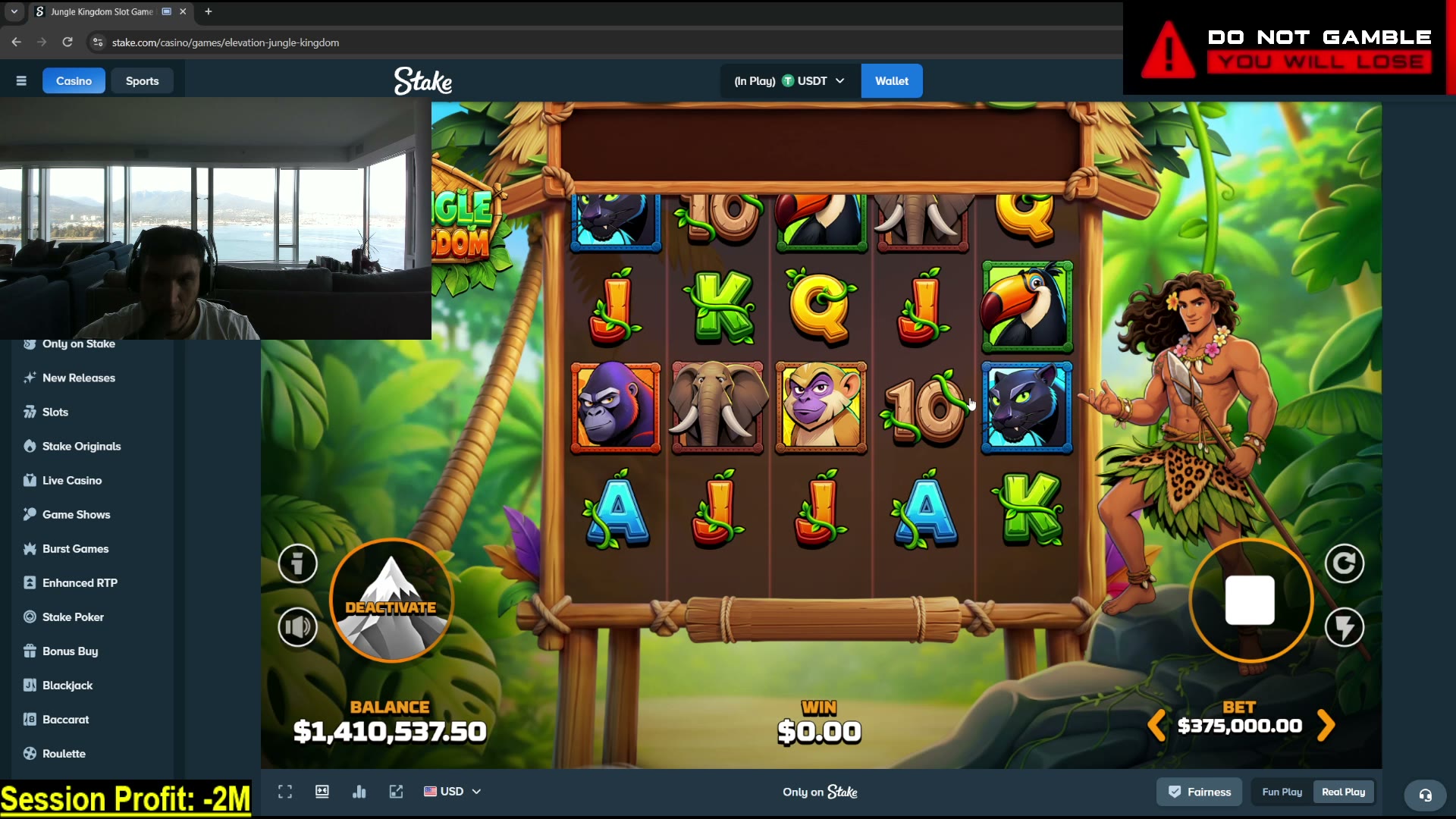
TRYING TO PLAY SMART TODAY (maybe bonus hunts)
Activity
Past Streams
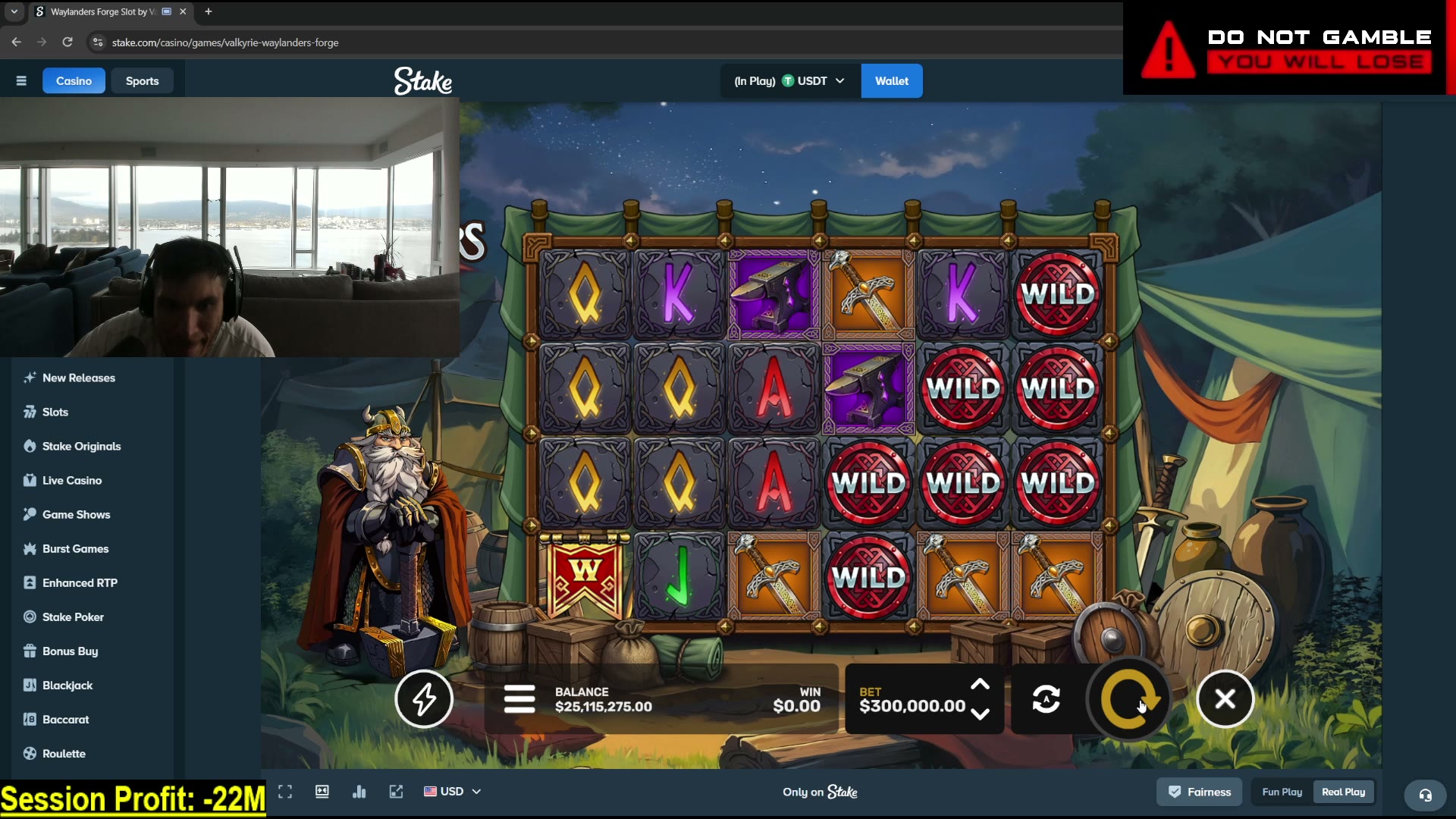
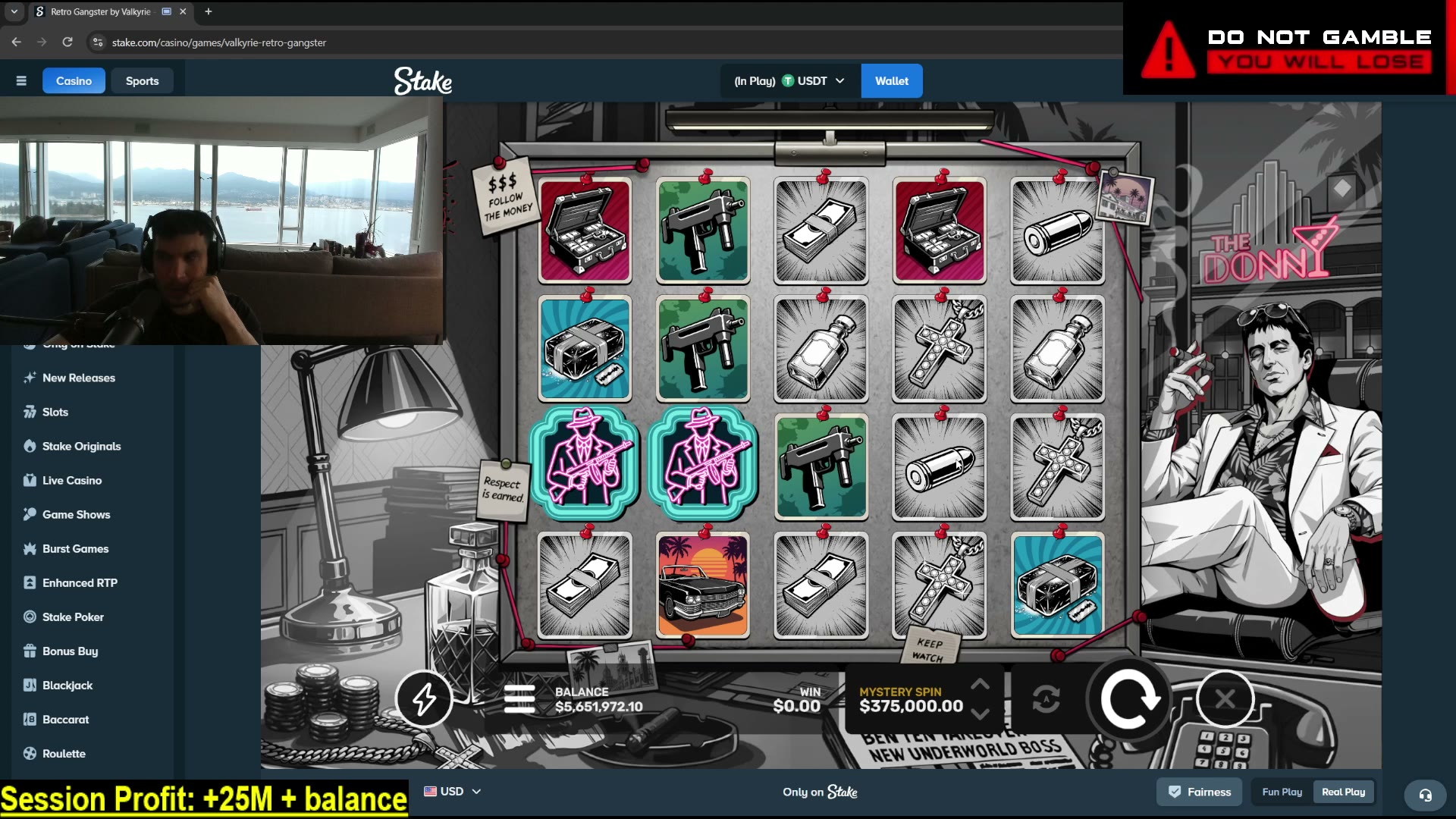
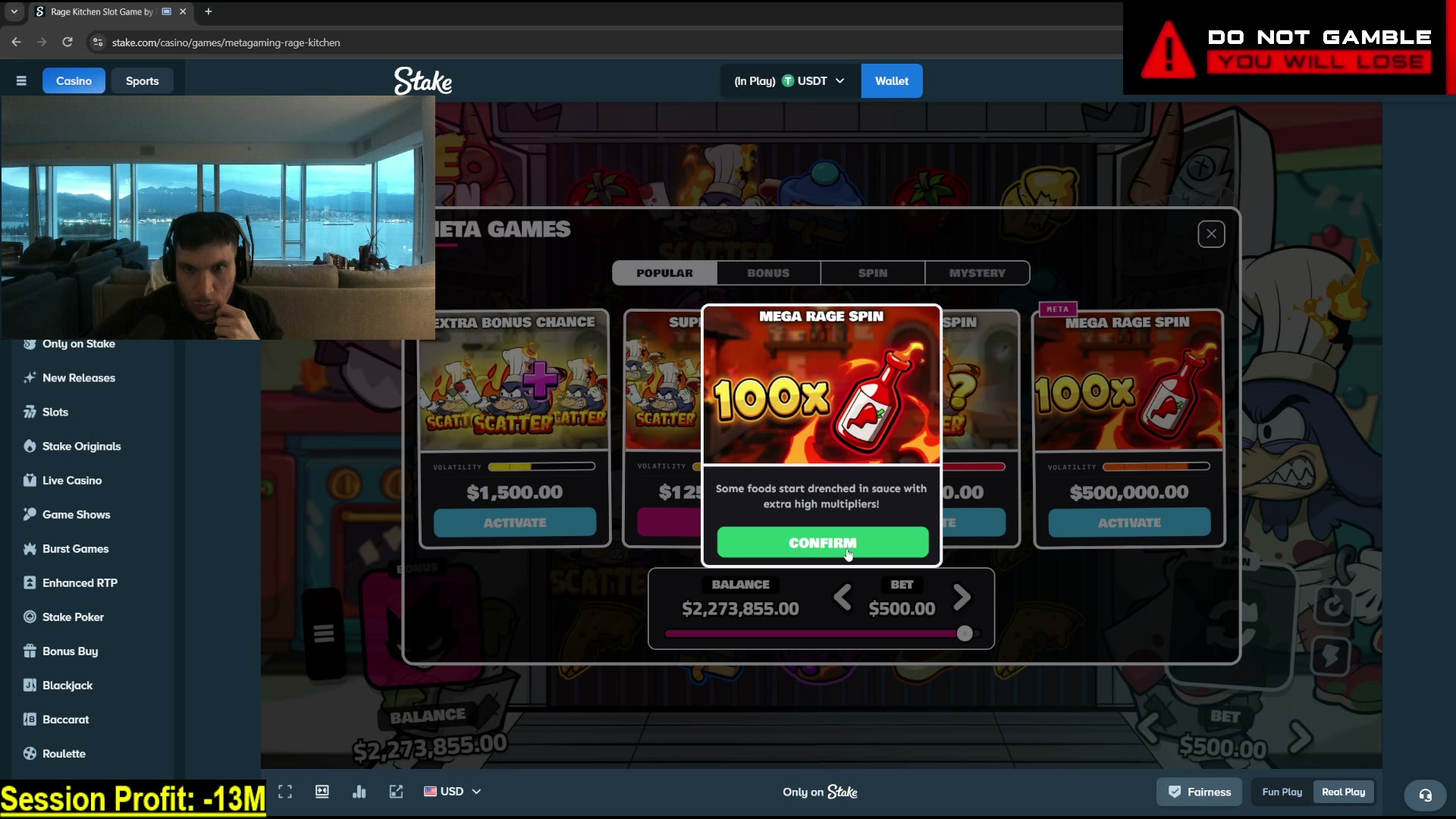
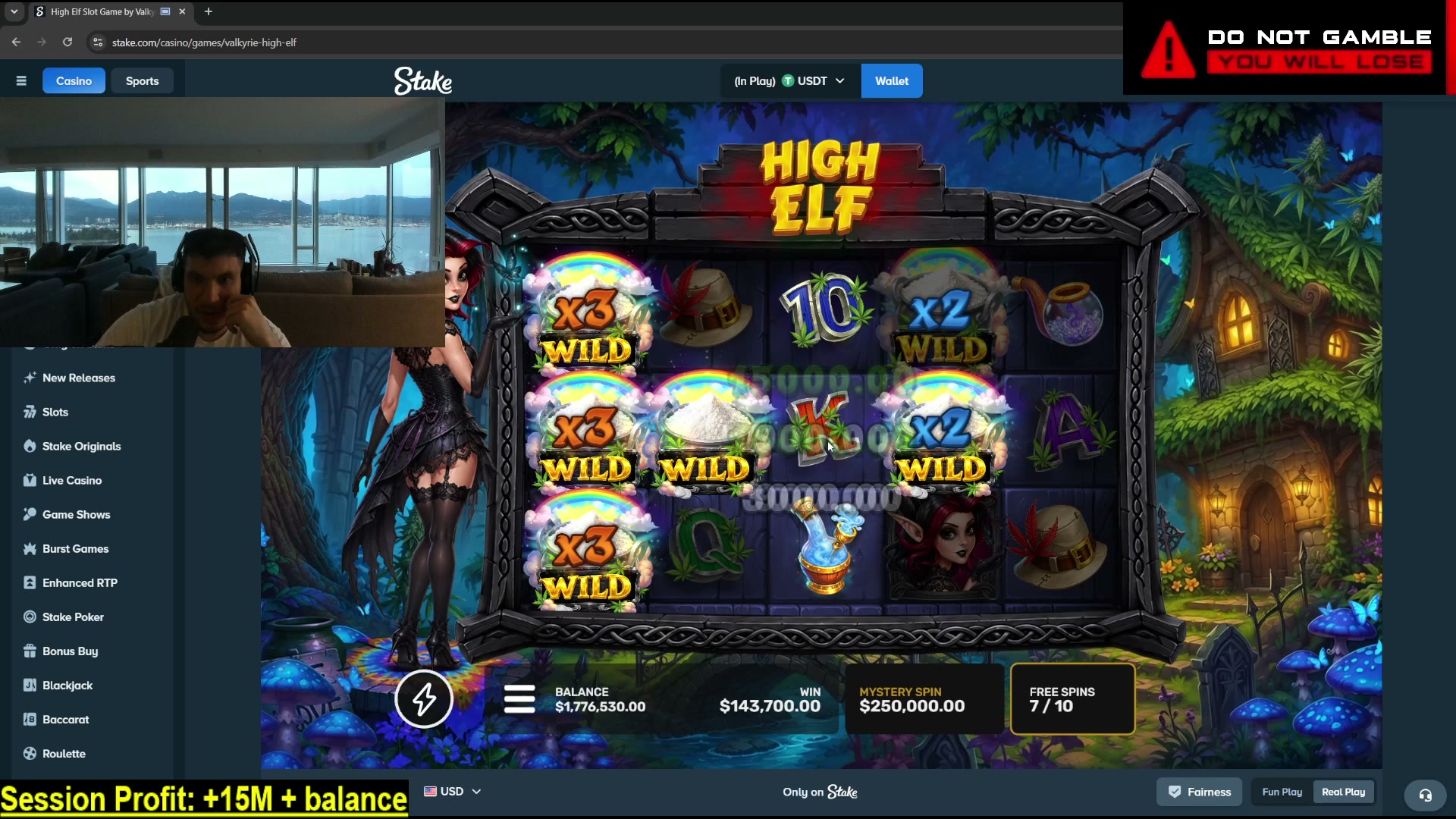
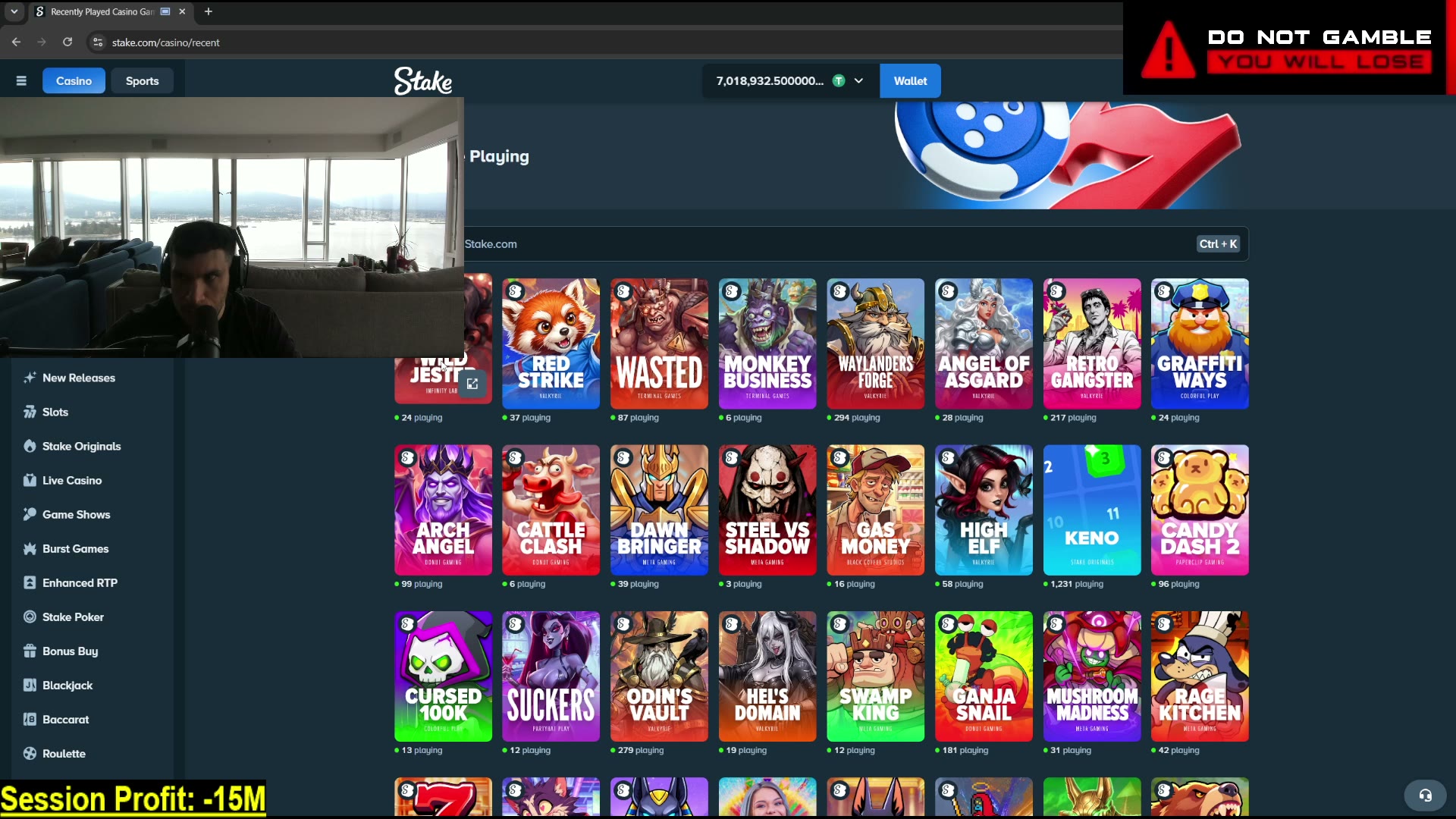
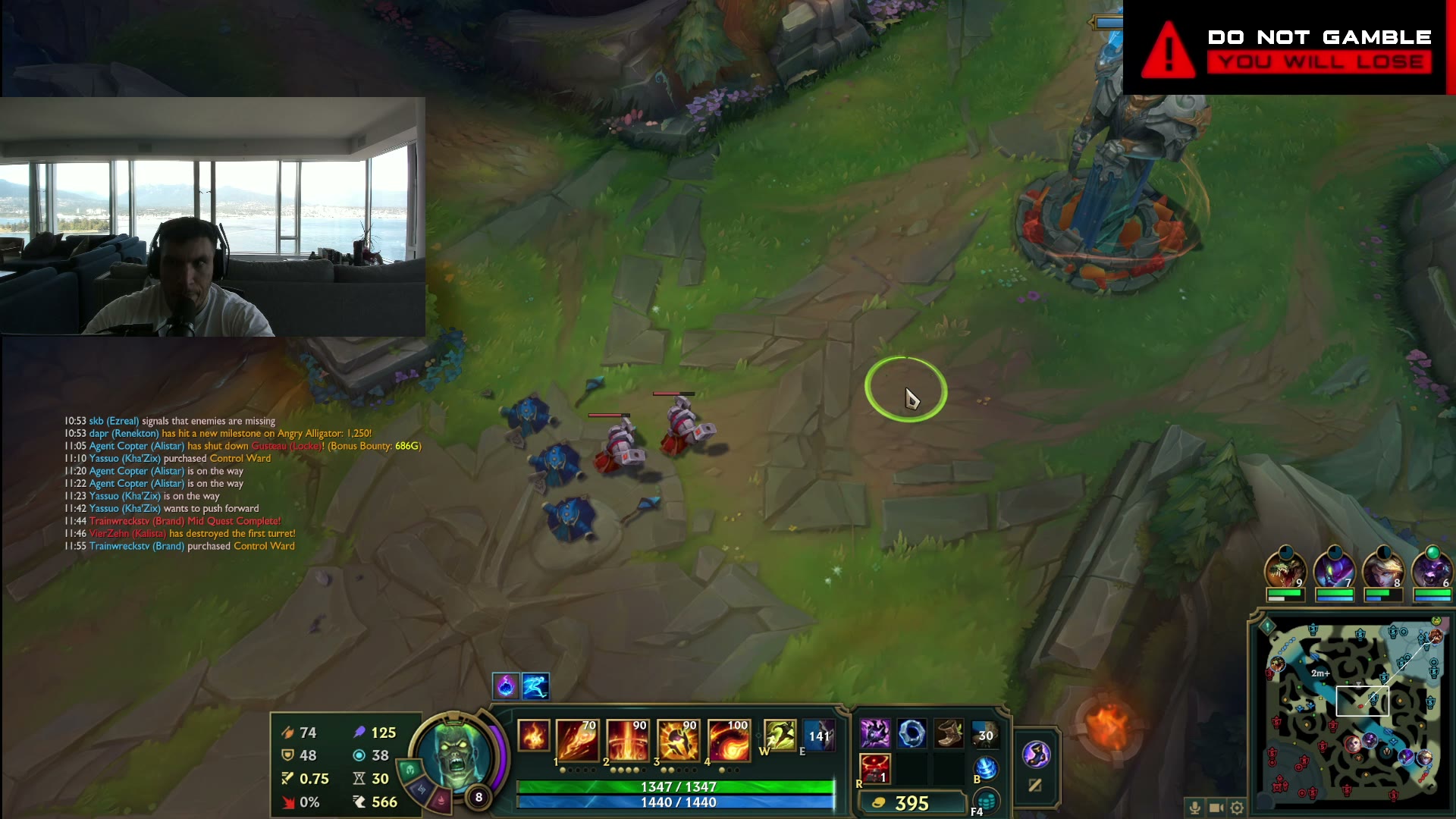
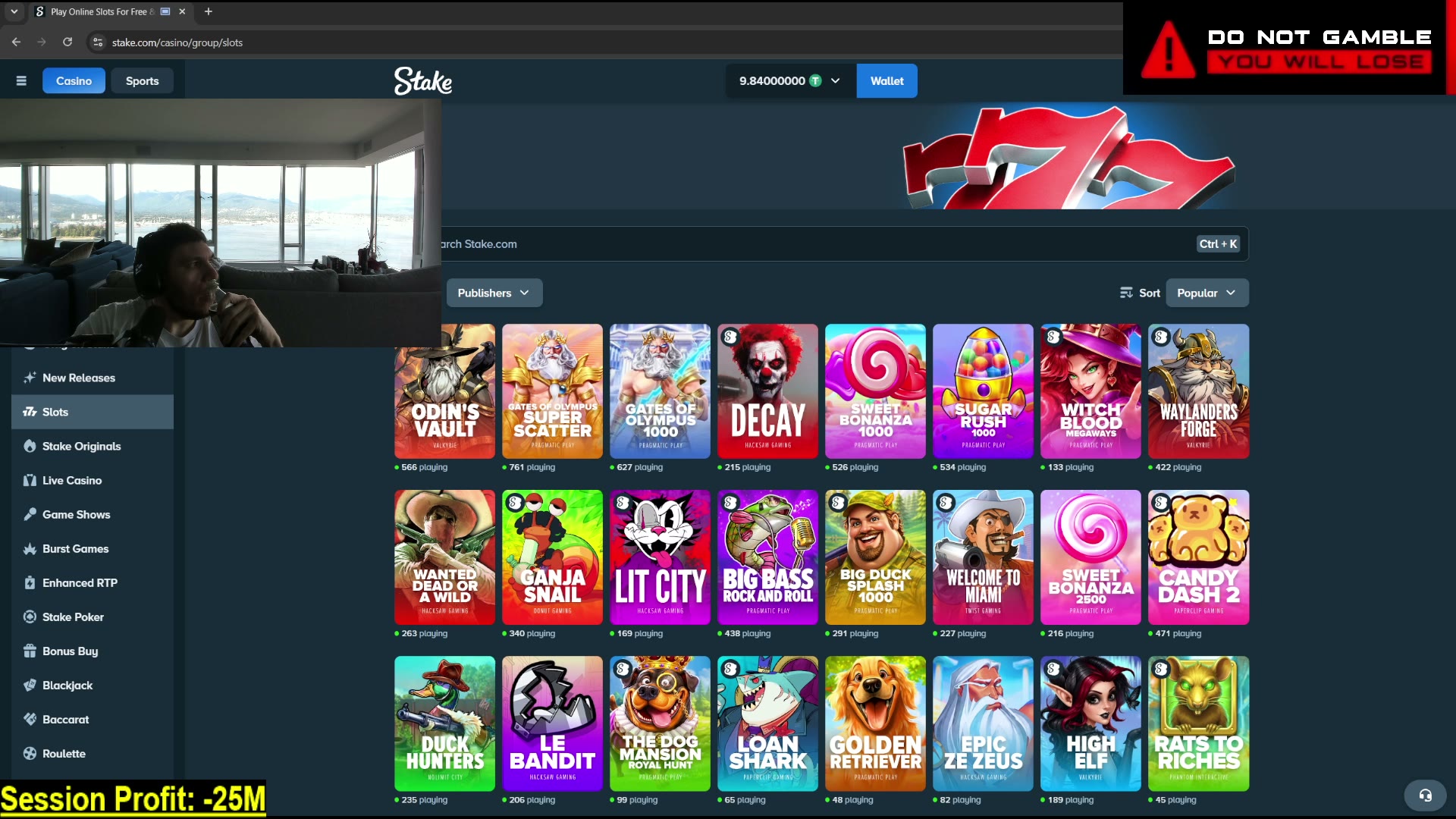
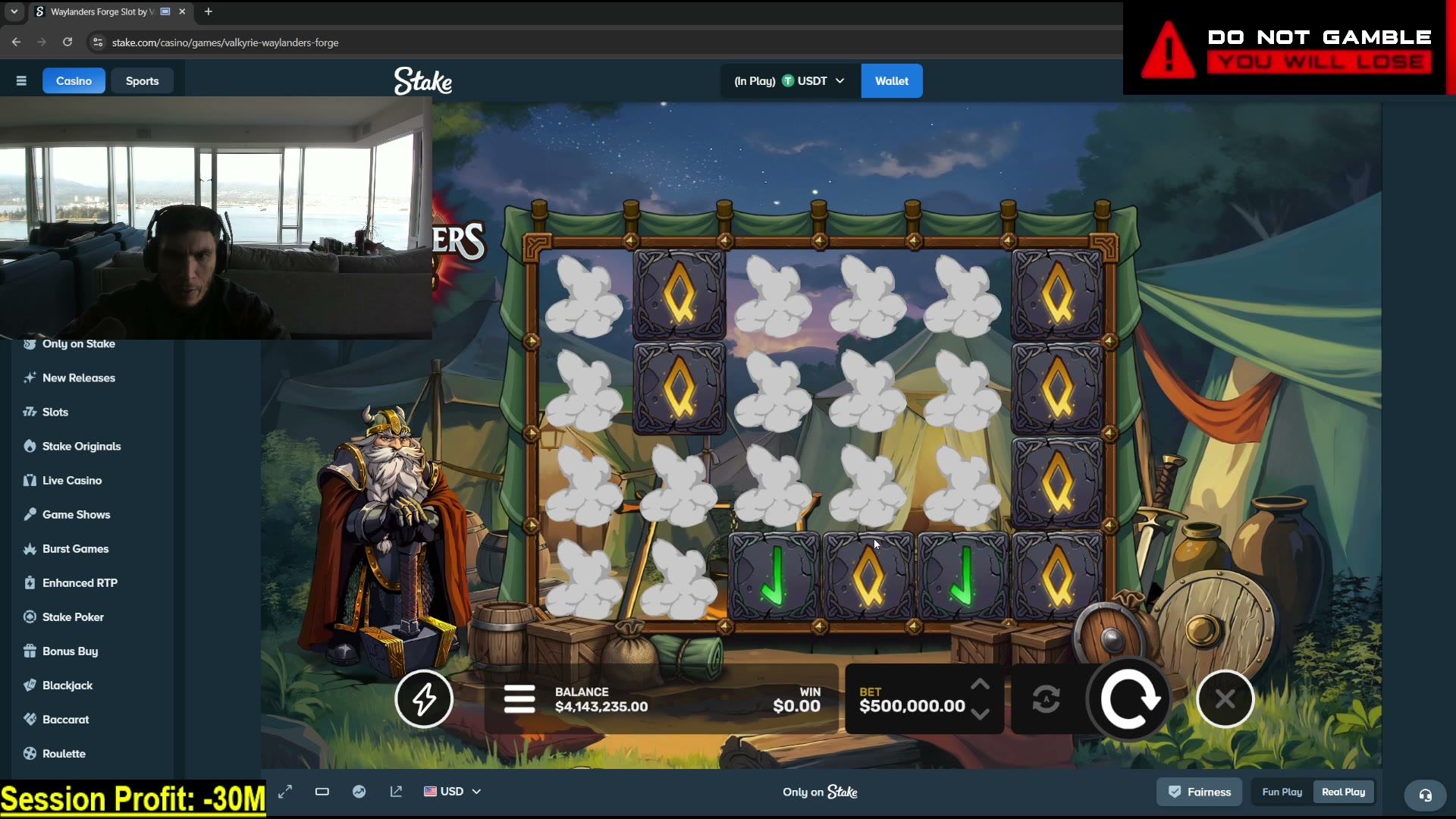
Recent News for trainwreckstv
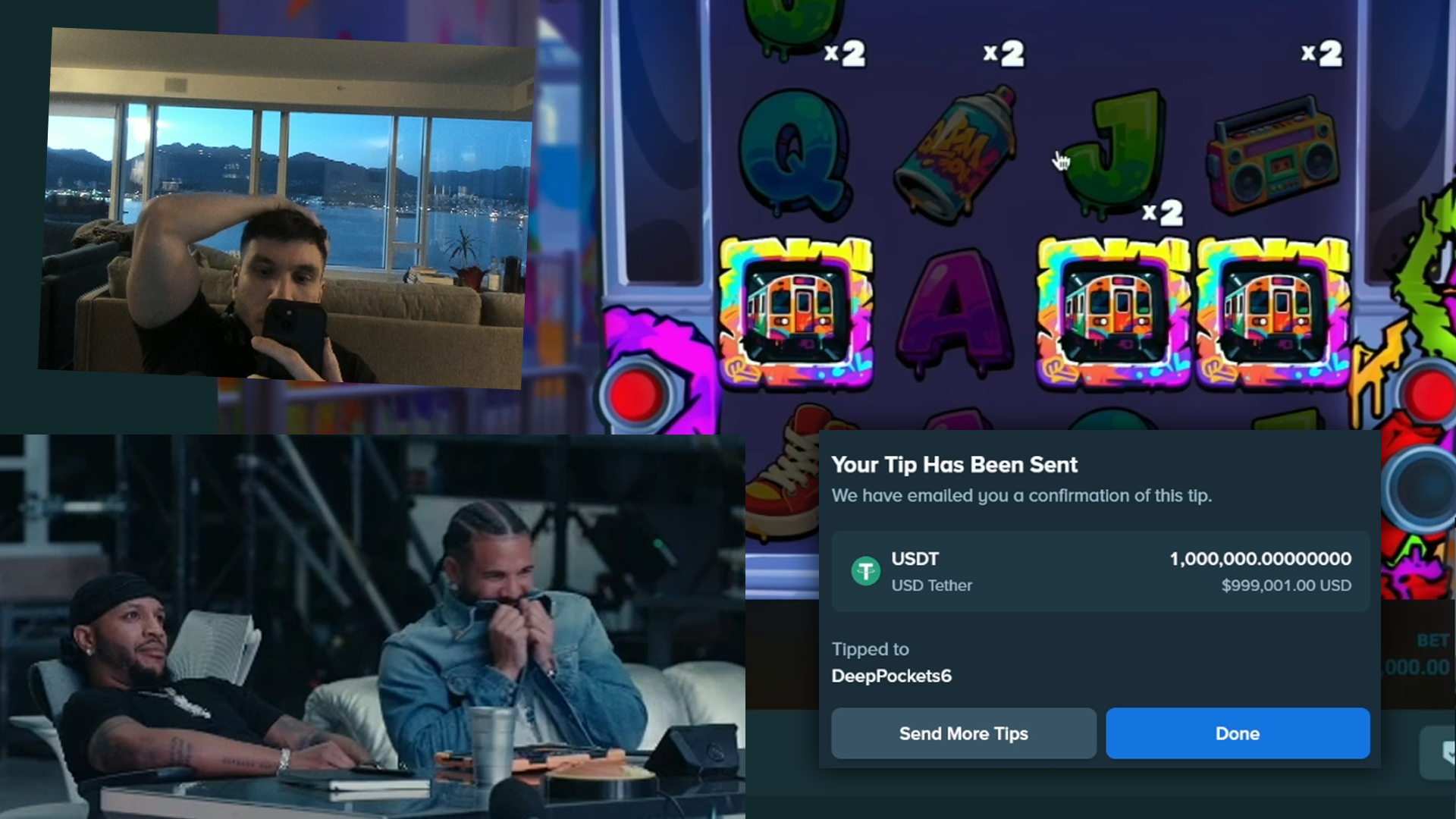
Train Tips Drake $1M, Drake Loses It Minutes Later
Train came through with a $1 million tip after Drake ran out of balance during his special Stake birthday stream, but the money didn’t last long.
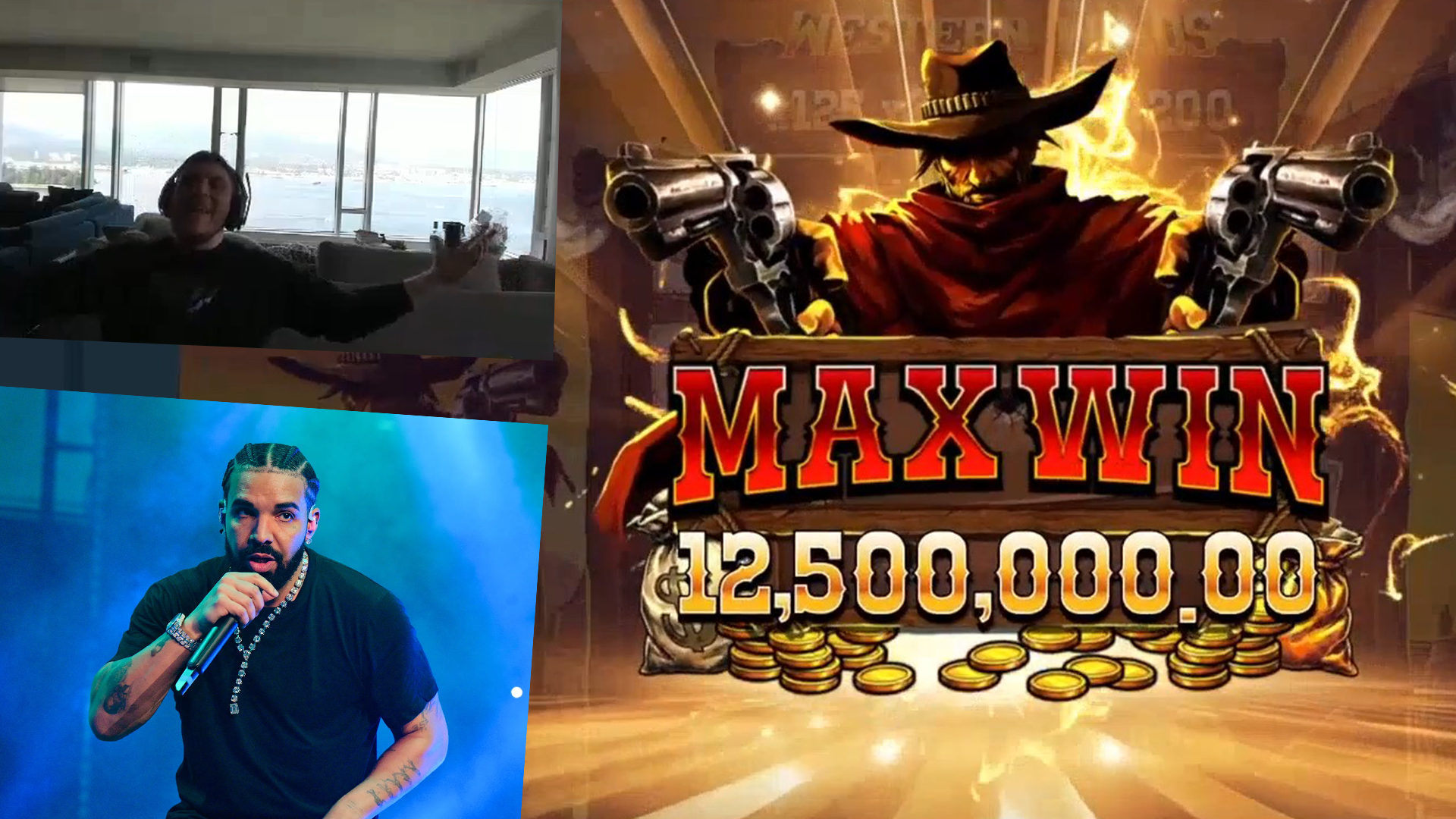
Drake's Slot Pick Leads Trainwreckstv to $12.5M Max Win
Trainwreckstv turned a Drake-recommended slot into a $12.5 million max win, adding another unforgettable moment to his list of massive Stake hits.
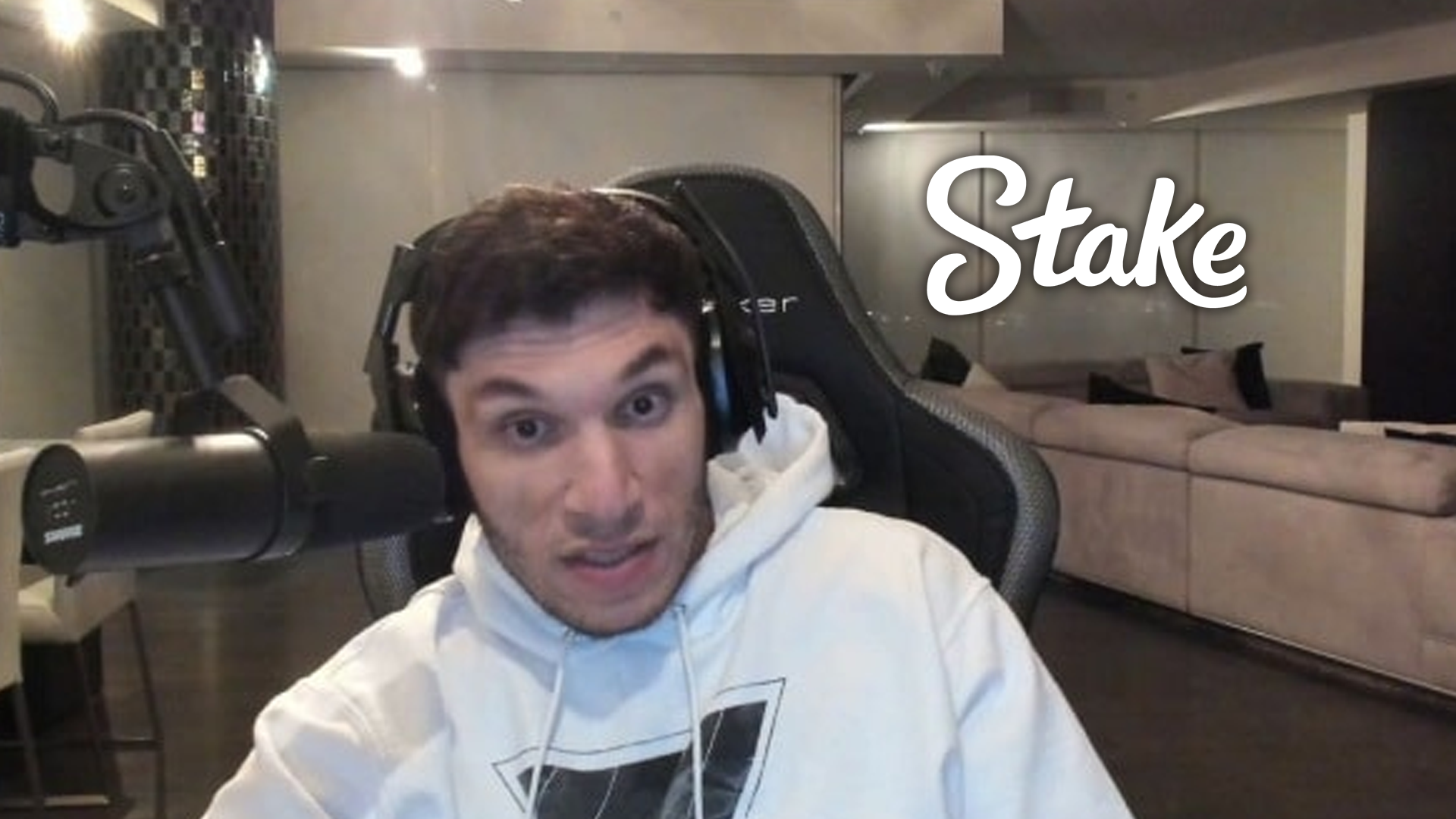
Trainwreck Reveals His Current Stake Deal
$500k an hour for 100 hours and he still thinks he's leaving money on the table.
Trainwreckstv Gambling Profile and Streaming Timeline
Trainwreckstv gambling is not a niche search anymore. It sits at the intersection of casino streaming, platform policy, creator money, and the old problem of viewers confusing entertainment with a normal player experience. That matters because crypto-native audiences do not just want clips of big wins. They want to know who is paid by whom, what was publicly claimed, what was actually verified, and where the risk lands when the stream ends.
This profile keeps the line clean. It separates verified platform moves from self-reported earnings claims, and it treats casino content the way careful players should treat any operator pitch: with receipts where possible and caution where the paper trail goes thin. No hype, no moral panic, and no pretending a viral slot clip is the same thing as transparent disclosure.
Why Trainwreckstv Matters In Gambling Media
Trainwreckstv became one of the most recognizable names in the casino streamer category because his broadcasts did not look small. The format was loud, high variance, and built for clips: large wagers, long slot sessions, fast emotional swings, and the kind of jackpot moments that travel across social media far better than quiet losses do. For many viewers, that made him the public face of live gambling stream culture whether they liked the category or not.
That visibility matters because his streams helped pull crypto casino content out of its original niche and into mainstream platform debate. Once that happened, the conversation was no longer only about one creator's personality. It became a wider argument about platform rules, gambling sponsorship, audience age, and whether stream viewers were seeing real risk or a curated version of it.
There are a few facts that are straightforward. Trainwreckstv streamed gambling content at scale. He was publicly associated with Stake for a long period. He later became closely associated with Kick after Twitch tightened parts of its gambling policy. Those are clear platform and brand relationships in the public record.
The harder part is what users usually mean when they search trainwreckstv gambling. They are often asking three things at once:
- Was he gambling with his own money, sponsored money, or a hybrid setup?
- How much did he make from the relationship with Stake?
- Did the Twitch crackdown directly push him and similar creators toward Kick?
Those questions deserve clean separation. Public visibility is easy to verify. Private commercial terms are not. That difference is where most of the confusion starts.
Stake Relationship And The Big Earnings Claim
If you strip the noise away, the center of the trainwreck gambling story is his public relationship with Stake Casino. He streamed the brand heavily, and his name became tightly linked with the operator in audience discussion, news coverage, and search behavior. The related query trainwreckstv stake exists for a reason: viewers want the business details, not just the highlight reel.
The biggest number attached to that relationship was a widely circulated public claim from Trainwreckstv himself that Stake paid him roughly $360 million over 16 months. That figure became headline material because it was enormous, even by top-tier creator standards. It also fueled the broader debate around gambling sponsorship and whether streaming earnings from casino deals had reached a scale viewers did not fully appreciate.
Here is the part that tends to get lost in retellings: a public claim is not the same thing as a verified payout ledger. Unless a contract, audited statement, court filing, or comparable primary document is published, the number remains self-reported. That does not automatically make it false. It just means responsible coverage should label it correctly.
Careful players should separate what can usually be seen from what cannot:
- Publicly visible - the operator relationship, the streaming volume, the brand exposure, and the platform distribution.
- Often not visible - base fees, wagering requirements, loss rebates, balance top-ups, affiliate splits, and side agreements.
- Rarely visible from clips alone - the real economic risk carried by the streamer during each session.
That is why on-chain snapshots, wallet balances, or deposits by themselves rarely settle the entire argument. A gambling sponsorship can include off-chain payments, commercial credits, or blended terms that a blockchain explorer will never show. If viewers want to understand a stake payout claim, they need more than a viral clip and a hot take. They need documentation.
Why The Slots Content Drew So Much Attention
A lot of the interest around trainwreckstv slots came from the basic math of spectator gambling. Slots produce extreme visual variance. They compress long stretches of negative expectation into short, dramatic moments that look cinematic on a stream. That makes them ideal content and dangerous education.
For viewers, the problem is not that slots are confusing. The problem is that they are easy to understand in the wrong way. A stream can make it seem as if giant bankroll swings are normal, recoverable, or even strategically manageable. In real play, the house edge does not disappear because a session is entertaining. It just waits longer than the clip does.
That is one reason trainwreckstv gambling content generated so much argument. His streams turned high-stakes wagering into a form of live performance. For fans, that was the appeal. For critics, that was the warning. In both cases, the underlying point was the same: the viewer experience and the player experience are not identical things.
A few realities are worth stating plainly:
- Big slot wins are real outcomes, but they are not the average outcome.
- Long losing stretches often get less attention than recoveries or jackpots.
- Commercial deals can change the effective risk profile in ways the audience cannot see.
- A creator bankroll should never be assumed to match an ordinary player's bankroll.
That does not mean every gambling stream is fake. It means viewers should not mistake spectacle for standard conditions. A loud session with huge numbers on screen is still subject to the same math that grinds smaller players down more quietly.
Twitch Restrictions And The Move To Kick
The next big chapter in the trainwreckstv controversy was not a jackpot. It was platform policy. Twitch tightened its rules around parts of gambling content after sustained criticism of the category and growing scrutiny of what viewers were being shown. That policy shift changed the distribution economics for creators whose content depended on casino streams.
Trainwreckstv sat near the center of that debate because his profile was too large to ignore. When a major streamer makes gambling core content, the platform cannot pretend the issue is fringe. Every policy change then becomes a test case for how much exposure a platform wants to allow, how clearly it wants disclosures handled, and whether it believes the category creates more risk than value.
After that crackdown, trainwreckstv kick became a major search pattern for a simple reason: audiences followed the migration. Kick became the new home for many viewers who still wanted gambling streams, and it quickly positioned itself as more permissive toward the category than Twitch. For Trainwreckstv, the move was not only about staying live. It was about moving to a platform environment where the content model had more room to operate.
This matters beyond one personality. The shift from Twitch to Kick showed how quickly the gambling creator economy can reroute when a platform closes one door and another opens it. That is useful context for any player assessing where casino influence actually lives. It does not live only at the operator level. It also lives in platform rules, creator incentives, and the monetization structure around discoverability.
Is He A Real Gambler Or A Sponsored Streamer
This is where the public conversation usually gets lazy. People often ask whether Trainwreckstv is a real gambler or a sponsored streamer, as if those categories cancel each other out. They do not. A person can genuinely gamble and also operate under a commercial arrangement with a casino. In fact, that overlap is exactly why disclosure matters.
The better question is not whether the activity looked emotionally real on camera. The better question is what economic terms sat behind the session. If a streamer receives a base fee, a wagering budget, cashback, loss coverage, or another form of support, the audience is watching a risk structure that may differ sharply from an ordinary account holder at an online casino.
That is why responsible analysis of trainwreckstv gambling should focus on the parts viewers cannot see directly. Public video can show balance swings, wager sizes, and reactions. It usually cannot prove the underlying agreement. Without the contract, the audience is filling gaps with instinct, fandom, or dislike.
For players who want a cleaner framework, ask these questions instead:
- Was the operator relationship disclosed clearly and consistently?
- Did viewers receive enough context to understand that a commercial deal may exist?
- Were losses, bonuses, rebates, or wagering conditions explained in a meaningful way?
- Could an ordinary player reproduce the same conditions on a normal account?
If the answer to the last question is no, then the stream should be treated as branded entertainment first and player education second. That is not an insult. It is just proper labeling. And proper labeling is the difference between informed viewing and marketing by osmosis.
What Players Should Learn From The Controversy
The useful lesson from trainwreck gambling streams is not whether one streamer was too loud, too successful, or too polarizing. The real lesson is how many layers of risk can sit behind a casino broadcast that looks simple on the surface. Operator incentives, creator contracts, platform rules, and audience assumptions all stack on top of each other.
For crypto-native players, that has practical implications. If you already gamble at sites such as Stake, Roobet, Shuffle, Rainbet, or BC.Game, the question is not whether a streamer made the product look exciting. The question is whether the operator treats ordinary users fairly when the camera is off.
A better checklist looks like this:
- Separate the streamer from the site - a creator's popularity does not verify an operator's withdrawal behavior.
- Check the terms - wagering, limits, exclusions, and account controls matter more than a highlight clip.
- Look for complaint patterns - recurring disputes tell you more about risk than marketing copy does.
- Understand provably fair limits - fairness tools can help, but they do not replace clear rules and reliable payouts.
- Treat giant wins as outliers - variance makes good content and bad forecasting.
In that sense, the trainwreckstv gambling debate is less about celebrity and more about transparency. It shows how quickly audiences can confuse visibility with verification. Fair coverage does the opposite. It slows the story down, marks what is proven, labels what is claimed, and keeps the operator further under the microscope than the marketing ever would.
Bottom Line
Trainwreckstv is a major figure in the modern gambling stream era because he sat at the crossroads of three big forces: a public relationship with Stake, Twitch's restrictions on gambling content, and the migration of creators and viewers to Kick. Those parts are visible and easy to verify.
The money claims behind that visibility need more careful handling. The widely discussed Stake earnings figure was publicly attributed to Trainwreckstv, but it is still a self-reported claim unless supported by primary documents. That is the distinction that matters most for readers trying to understand the story without swallowing a sales pitch.
If you came here to decode trainwreckstv gambling, that is the clean answer. He is important because his streams exposed the business model behind casino content at scale. The smart response is not outrage or fandom. It is better verification, clearer disclosure, and less trust in anything that only looks true when the reels are spinning.