


Last 30 days

 English

Affiliate Benefits
Aff code benefitsHigh
Growth
RoobetLifetime Data
2026-09-25
$2k RAW GIVEAWAYS IF WE WIN |ROOBET 10K LB | GIVEAWAYS | LOSSBACK | REWARDS | COMMUNITY | CHALLENGES | RANK TRANSFER | ROOBET | !leaderboard
Activity
Past Streams
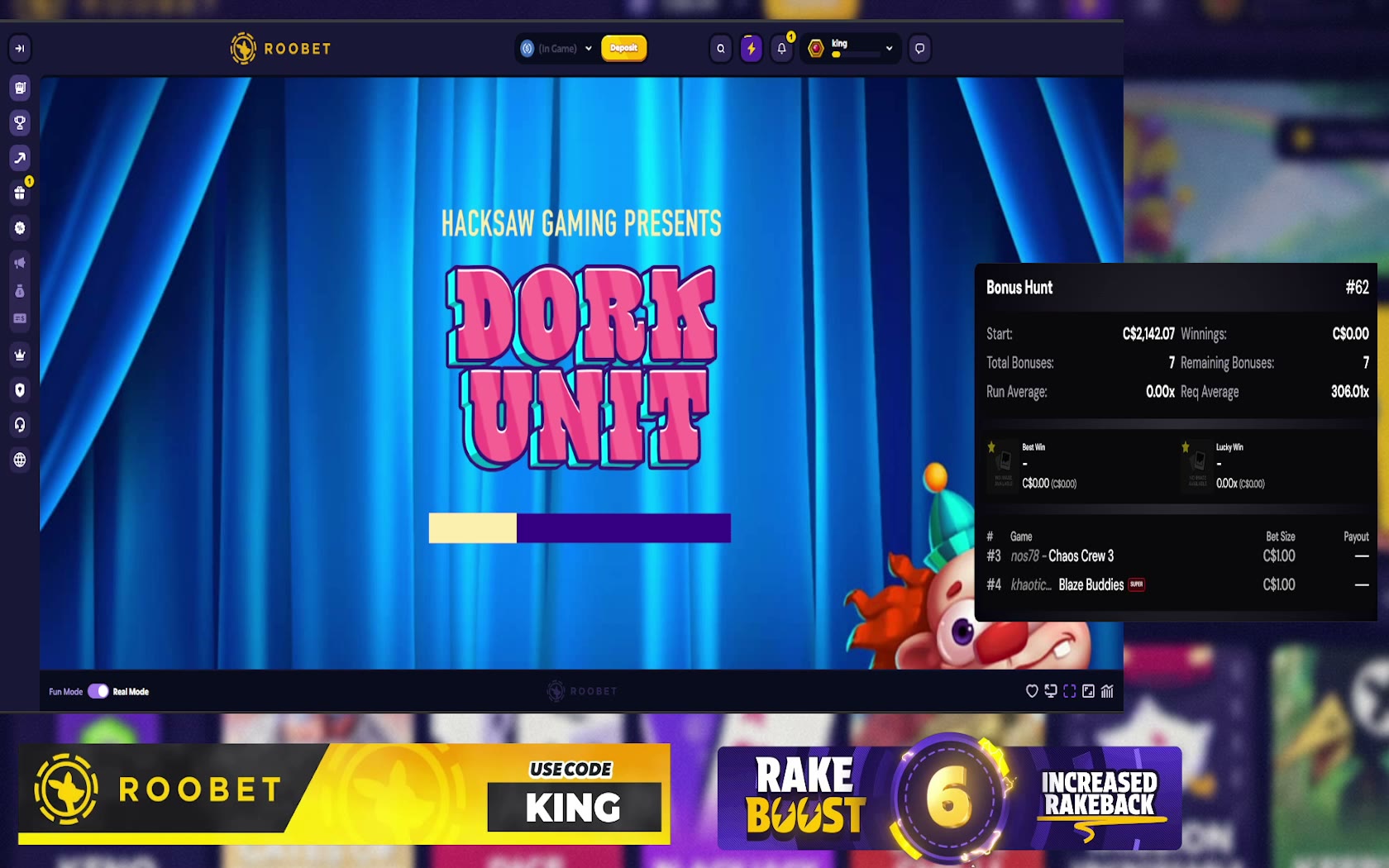
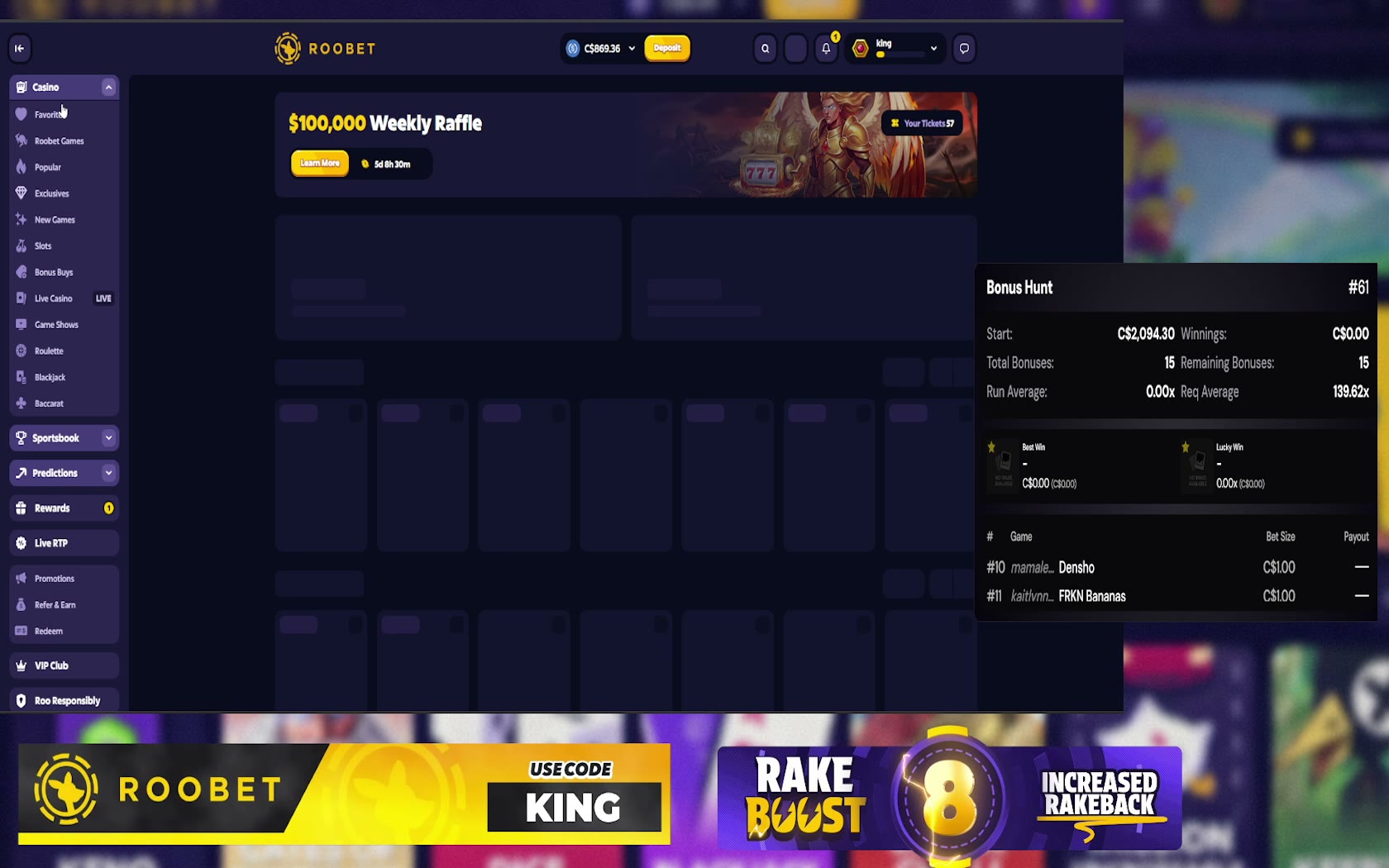
Recent News for thekingandthegoat
TheKingAndTheGoat Streamer: What’s Actually Verified?
Searches for “thekingandthegoat streamer” do not point to one clean, verified gambling-streamer profile. They return a noisy mix of unrelated “King,” “GOAT,” streamer, music, sports, and social references — the usual search-engine junk drawer, with extra sequins.
Based on the available source set, there is no single verified gambling-streamer identity established by that exact phrase. That matters. In gambling media, names blur quickly: streamer aliases, Discord handles, clipped captions, affiliate tags, and fan-made labels can all harden into “facts” if nobody checks the receipt.
So for now, The King and The Goat streamer should not be treated as a confirmed individual gambling personality unless stronger primary evidence appears. A matching verified channel, consistent social handles, operator affiliation, public wallet trail, licensing disclosure, or direct on-platform identity would change the picture. Without that, the honest answer is simple: the phrase exists in search noise, but the verified streamer behind it does not.
What current results show for “The King and The Goat”
Current search results for thekingandthegoat streamer do not surface a verified streamer identity with a clear gambling connection. What they show instead is a messy collision of music, sports-GOAT language, short-form promo clips, and mainstream streamer discourse. The receipt pile is thin; the branding overlap is doing most of the work.
The cleanest entity match is not a streamer at all. The YouTube channel “King Goat” is the official channel for a progressive doom metal band from Brighton, UK, and the search result shows 760+ followers. That proves a “King Goat” media presence exists. It does not prove a gambling streamer, casino affiliate, or operator-backed personality called “thekingandthegoat.”
Short-form results are equally noisy. A YouTube Shorts result titled “The King meets the GOAT” shows 37.3K+ views, and the search result shown on Aug. 17, 2026 marked it as posted 3 years ago. That is a phrase match, not an identity match. An Instagram post labeled “YouTube Goat 🐐 YouTube King 👑” had 20+ likes, and the search result shown on Aug. 17, 2026 marked it as posted 1 day ago with the promo line “Kindly subscribe… more videos coming soon.” Again: promotional snippet, not verified streamer record, and no gambling tie.
TikTok adds more fog, not more proof. TikTok Discover for “The King and The Goat”, dated Jul. 20, 2026, frames the phrase as “the remarkable journey… in sports history.” That points toward sports storytelling, not a streamer identity. A separate TikTok / Overtime clip involving IShowSpeed shows 503.8K+ views, and the search result shown on Aug. 17, 2026 marked it as posted 7 months ago; its snippet identifies IShowSpeed as a streamer. Useful context for how “GOAT” gets thrown around streaming culture. Still not this entity.
The same pattern appears on Facebook and Instagram. A Club Shay Shay Facebook clip had 210+ reactions, and the search result shown on Aug. 17, 2026 marked it as posted 1 year ago, with the line “IShowSpeed Is The Ronaldo (GOAT) Of Streaming…” Meanwhile, complexpop on Instagram says Kai Cenat “just finished July 2026 as Twitch’s No. 1 streamer” and averaged well over 300,000 live viewers. Those are top-streamer discourse receipts. They do not authenticate “thekingandthegoat streamer” as a distinct person, brand, or gambling-facing account.
Is “thekingandthegoat” a gambling streamer?
Based on the supplied sources, no: there is no verified evidence that the exact name “thekingandthegoat” is tied to gambling streaming activity.
That does not mean a loose rumor, recycled username, or clipped social post can do the job. For a person or account to be treated as a gambling streamer, the receipts need to point to something concrete: a casino operator relationship, an affiliate funnel, sponsored gambling content, or traceable funds moving through gambling-linked wallets. On the record provided here, those receipts are absent.
The current evidence file shows no verified:
- casino operator partnership tied to “thekingandthegoat”
- affiliate code connected to that exact name
- sponsored gambling stream under that identity
- wallet address attributed to the account
- deposit history linked to gambling activity
- withdrawal history linked to gambling activity
- license-related connection involving a gambling operator
That is the clean answer. Not spicy, not algorithm-friendly, but useful: the “thekingandthegoat streamer” label should not be upgraded into a gambling-streamer claim without primary evidence. The internet is very good at turning proximity into proof. It is less good at producing deposit records, withdrawal traces, operator pages, affiliate terms, wallet attribution, or licensing paperwork when asked politely. Funny how that works.
If primary evidence later appears, it should be separated from rumor and shown as receipts: the operator involved, the exact account name, the commercial relationship, the relevant wallet or transaction trail, and any licensing connection that makes the claim verifiable rather than vibes-based. Until then, the responsible classification is simple: there is no verified evidence that “thekingandthegoat” is a gambling streamer.
Why the phrase is easy to misread
The phrase “thekingandthegoat streamer” looks specific, but it sits on top of two of the internet’s noisiest praise labels. “King” and “GOAT” are thrown at athletes, creators, musicians, gamblers, meme accounts, and anyone who wins a comment thread before lunch. Put them together and the search results stop behaving like a clean identity trail. They become a blender.
That is why the phrase can pull in unrelated material: sports history, streamer fandom, YouTube promo, and music references can all sit beside each other without proving they point to the same person or account. A clip title, fan caption, channel tag, or promotional post can use the same language for entirely different reasons. The words sound definitive; the evidence often is not.
The gambling angle makes that ambiguity more expensive. Streamer culture is already a favorite hiding place for casino promotion because personality, fandom, and affiliate marketing can be made to look like ordinary entertainment. Sweden’s gambling watchdog, Spelinspektionen, says influencers remain a major problem for unlicensed online casinos: they operate across Twitch, Kick, TikTok, Instagram, and Telegram, using affiliate links, codes, and giveaways to steer Swedish players toward black-market sites, while the machinery behind them is increasingly supported by affiliate-link farms, deepfake ads, and esports deals, as covered in this Sweden regulator report on gambling promos.
That context matters because a name-like phrase is not the same as a verified operator, licensed gambling partner, or identifiable streamer account. “King” and “GOAT” can be branding. They can be fan language. They can be bait. The receipts decide which is which.
So when the phrase appears beside gambling content, the useful question is not whether it sounds familiar. It is what the surrounding evidence shows: the platform, the account history, the links used, the promo codes pushed, and whether the traffic points to licensed or unlicensed gambling sites. In this corner of the internet, vibes are cheap. Links, licenses, and money trails are harder to fake.
What would count as real evidence?
For thekingandthegoat streamer claims, real evidence starts with receipts, not vibes. A verified channel or creator profile using the exact name would matter. So would archived gambling streams, casino sponsorship disclosures, affiliate links or promo codes, operator landing pages naming the creator, and platform disclosures that can still be checked after the hype clip disappears.
Screenshots sit near the bottom of the evidence pile. They can be useful as leads, but live pages, archived pages, filings, transaction records, regulator certificates, and platform-level disclosures carry more weight. If a casino, streamer, or fan account claims gambling activity, the useful questions are blunt: where was the stream, what casino was used, what promo was disclosed, what terms applied, and whether any withdrawals were actually shown.
Sponsored gambling streams deserve special suspicion because the balance on screen is not always the streamer’s money. Most large gambling streams are sponsored, usually through a flat fee plus a casino-funded balance; that balance can look like cash, while the streamer may be unable to withdraw wins and the casino may refill losses. The basic mechanics are covered in FairGambling’s guide to crypto casino streamer sponsorships, and the visible tells are familiar: clear disclosure, withdrawal proof, balance behavior, and how the streamer reacts when the number goes down instead of up. The bear does not panic when the honey jar is refilled off-camera.
Casino verification is another hard receipt. To check licensing, find the license seal in the casino footer and click it; a real seal should open a certificate on the regulator’s own site showing the company name, license number, and active status. A seal that is only an image, or a certificate hosted on the casino’s own domain, is a warning sign. FairGambling’s guide on how to verify a crypto casino license explains the basics: match the company name on the certificate to the company named in the terms and conditions, and for Curaçao look for a certificate on the CGA verification domain with the status field reading “Active.” If there is no seal, search the public register directly. If it is not in the register, it is not licensed. The relevant public registers include the Curaçao Gaming Authority, Malta Gaming Authority, Anjouan Gaming, and the UK Gambling Commission.
If the gambling claim involves crypto deposits or withdrawals, wallet evidence matters. Wallet addresses tied to deposits or withdrawals, plus on-chain transaction history where relevant, are stronger than a clipped win screen. FairGambling’s on-chain casino analysis follows that logic: money either moved, or it did not.
Bonus claims need the same treatment. Check bonuses, wagering requirements, restrictions, max-win rules, and withdrawal limits before treating any “free money” pitch as meaningful; casino bonus wagering requirements often decide whether a player can cash out at all. And if a casino leans on “provably fair” language, verify the system rather than admiring the label — FairGambling’s provably fair gambling explained guide shows what proper provably fair verification looks like.
The same standard applies to influencer risk. Gambling influencer red flags include missing disclosures, unverifiable balances, recycled screenshots, unexplained promo codes, and casino pages that vanish when the searchlight hits them. Sweden’s regulator report on gambling promos involving influencers is a useful reminder that promotion is not neutral entertainment when money, bonuses, and affiliate funnels sit underneath. Evidence-led crypto casino reviews are built for that reason: not to clap for the operator, but to see what survives contact with the receipts.
Reader takeaway
The clean read on “thekingandthegoat streamer” is simple: this is an ambiguous search term, not a confirmed gambling-streamer identity.
That distinction matters. Search results can make a phrase look more solid than it is, especially when common branding words like “King” and “GOAT” are involved. Several results use that language, but they do not all appear to point to the same person, channel, operator relationship, or gambling account. The words rhyme with influencer branding. They do not, by themselves, verify a streamer.
For gambling coverage, names are cheap. Receipts are not. A real identification would need something harder than matching vibes: a license-register entry tying an operator or affiliate to the name, a sponsorship disclosure naming the account, or a wallet trail showing deposits, withdrawals, balances, and transactions connected to a consistent public identity. Without that paper—or chain—trail, the term stays unresolved.
That means readers should treat any confident claim around “thekingandthegoat streamer” with caution unless it comes with primary-source evidence. A clip, handle, repost, or SEO page is not enough. Neither is a nickname floating through search results. Gambling promotion has a long habit of dressing uncertainty in loud fonts and bonus-code energy. The house likes fog; readers should prefer glass.
The practical takeaway is not that the identity is false. It is that it is not verified. There may be multiple unrelated uses of “King” and “GOAT” language, and collapsing them into one gambling-streamer profile would be doing the operator’s job for free. Until a license register, sponsorship disclosure, or wallet trail connects the dots, “thekingandthegoat streamer” should be treated as an unresolved query rather than a confirmed person, brand, or gambling affiliate.