


Last 30 days

 English
Affiliate Benefits Sub-affiliate of OneEyedGregg
Aff code benefitsMedium
Growth
RoobetLifetime Data
2026-09-25
💥$2000 !Roobet🦘+ $400 Raw !Packdraw💎| $45,000 in Leaderboard's OEG.GG🏆 !LB !VIP
Activity
Past Streams
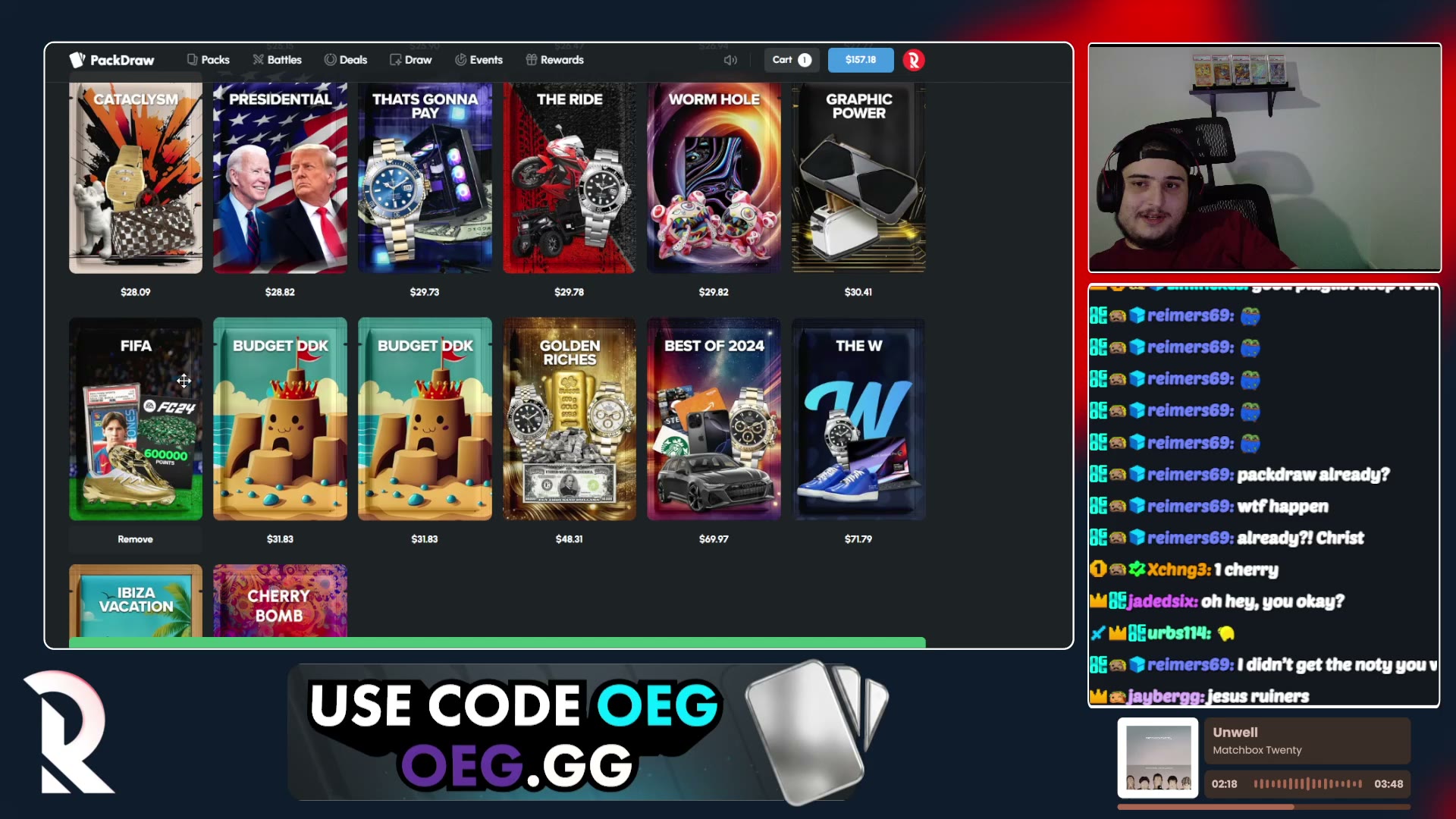
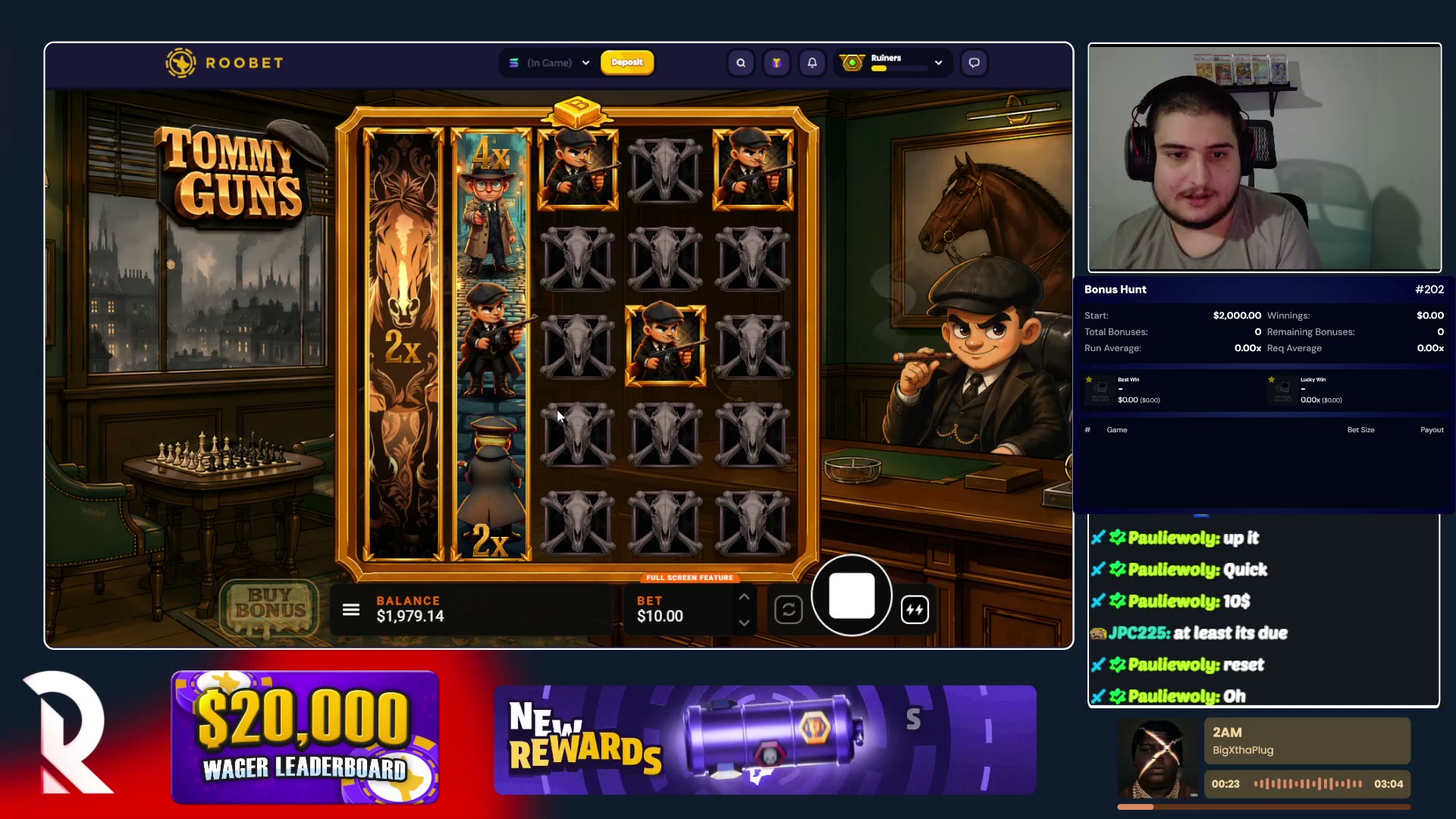
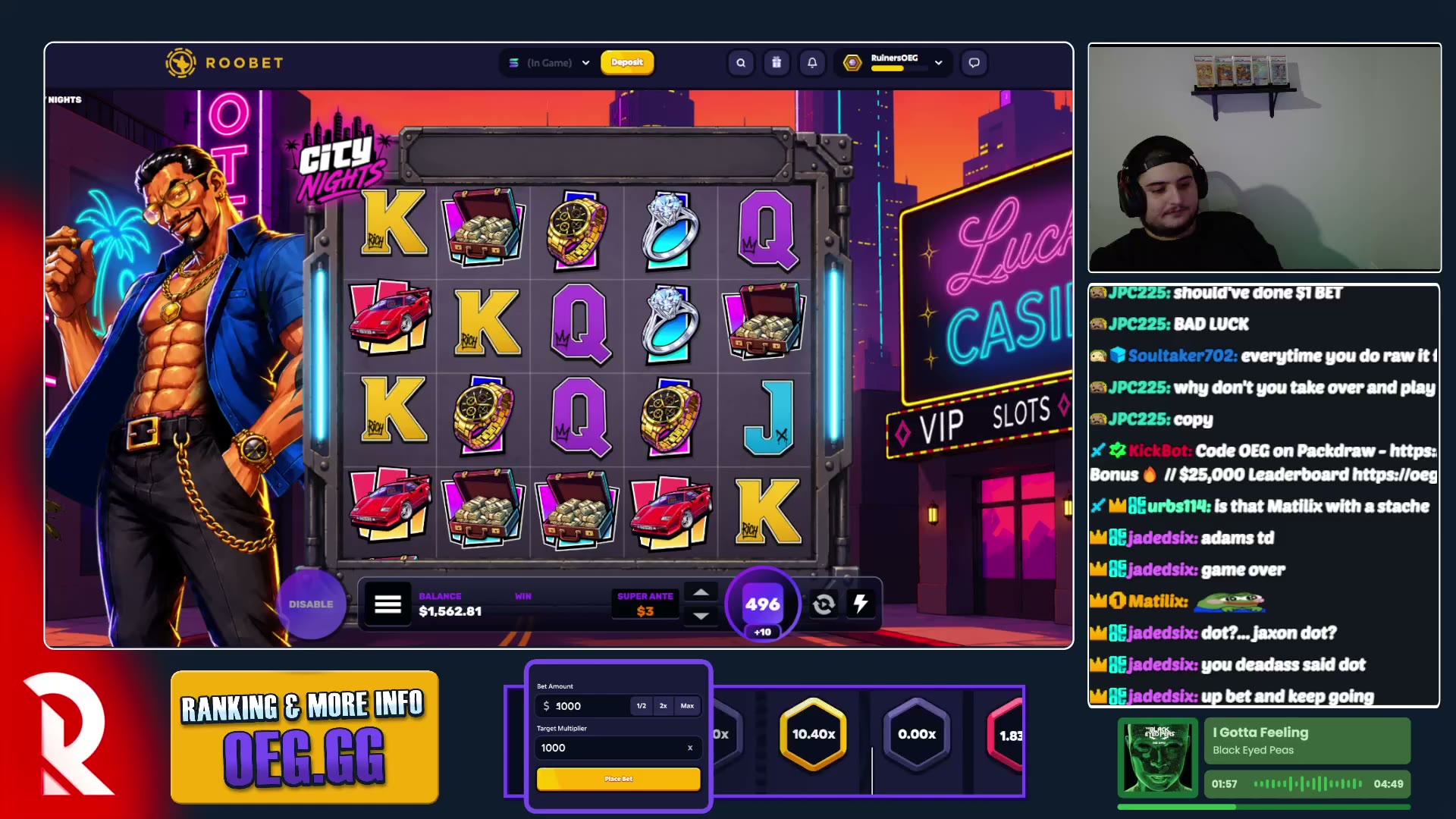
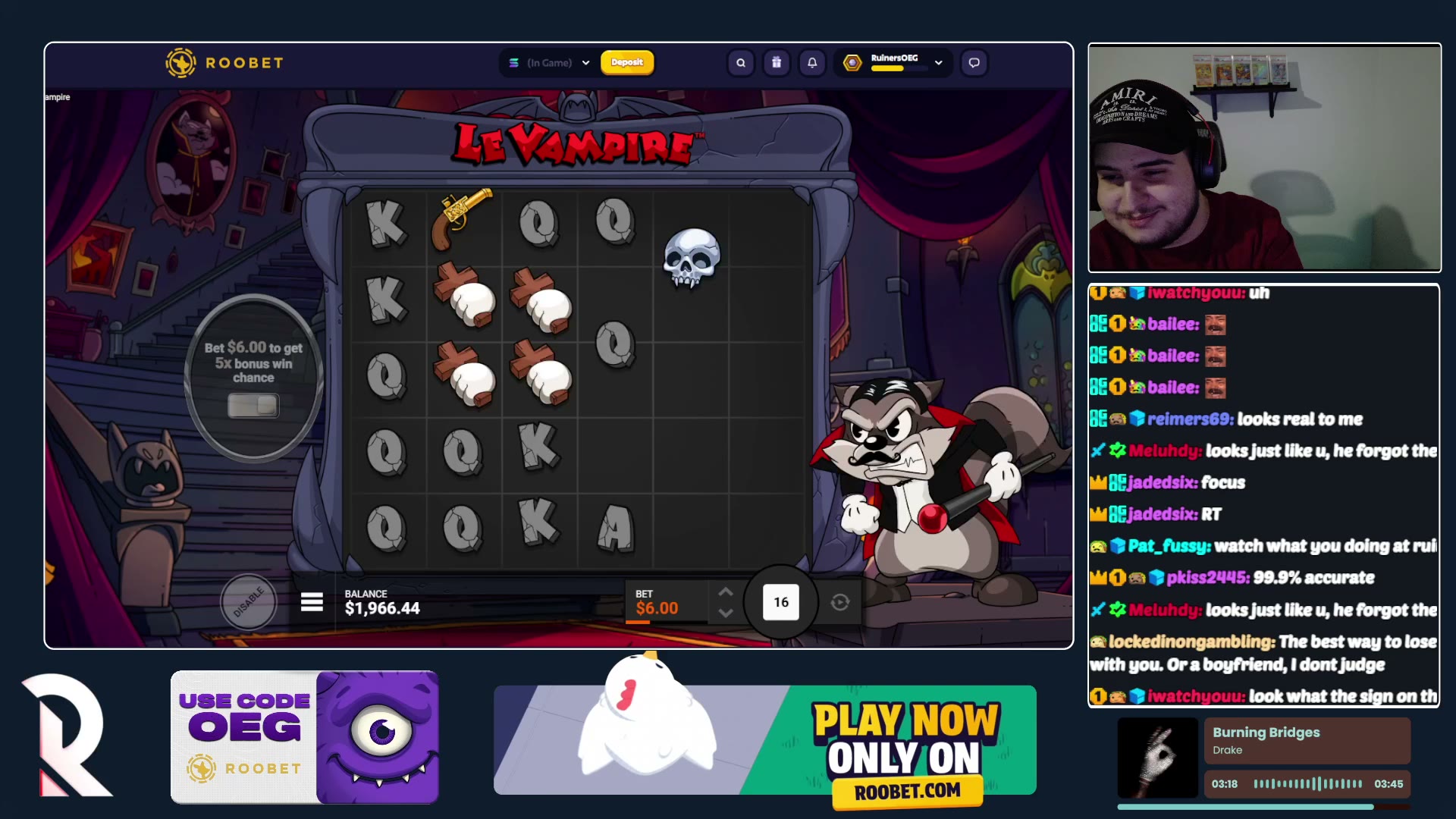
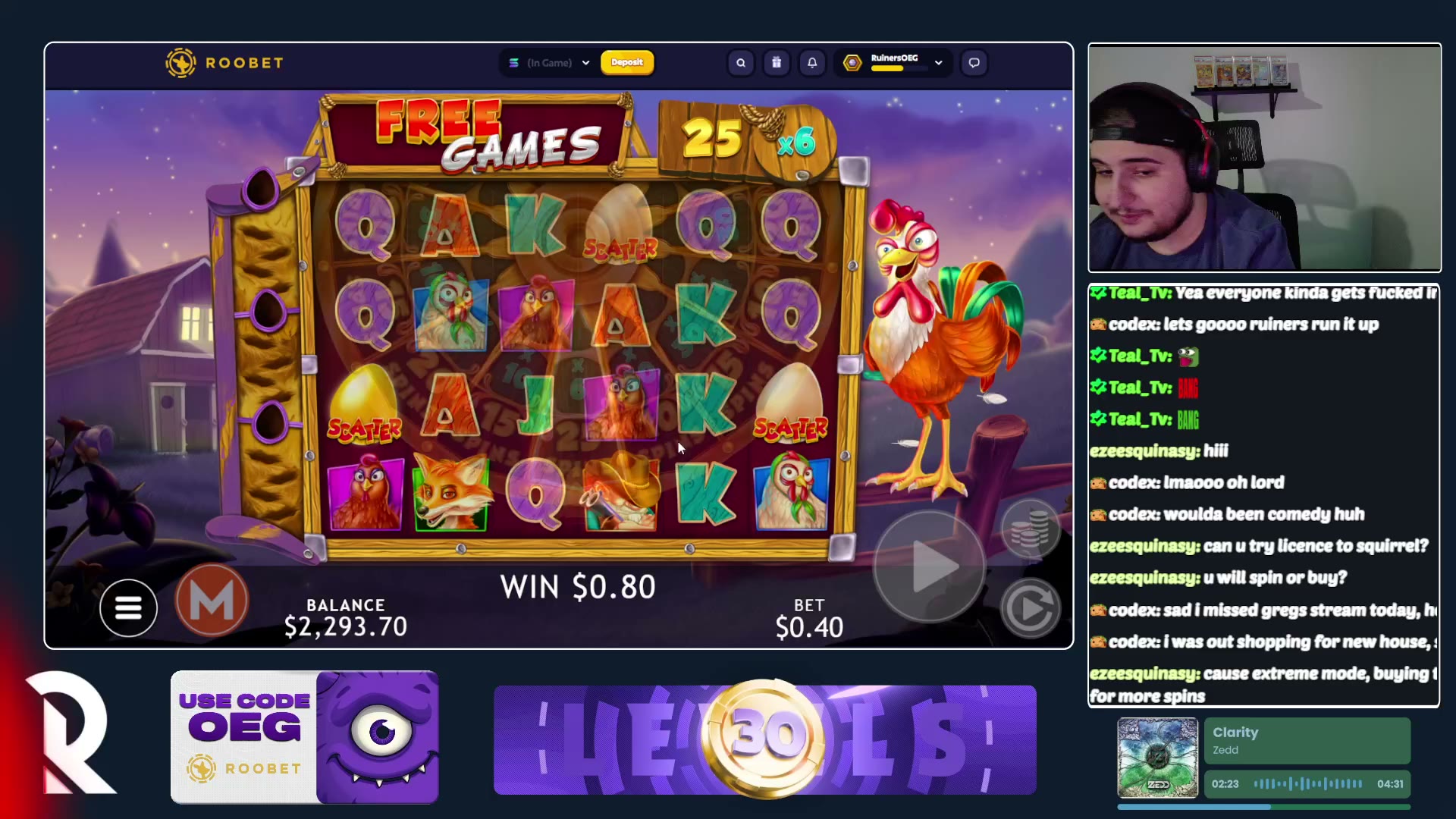
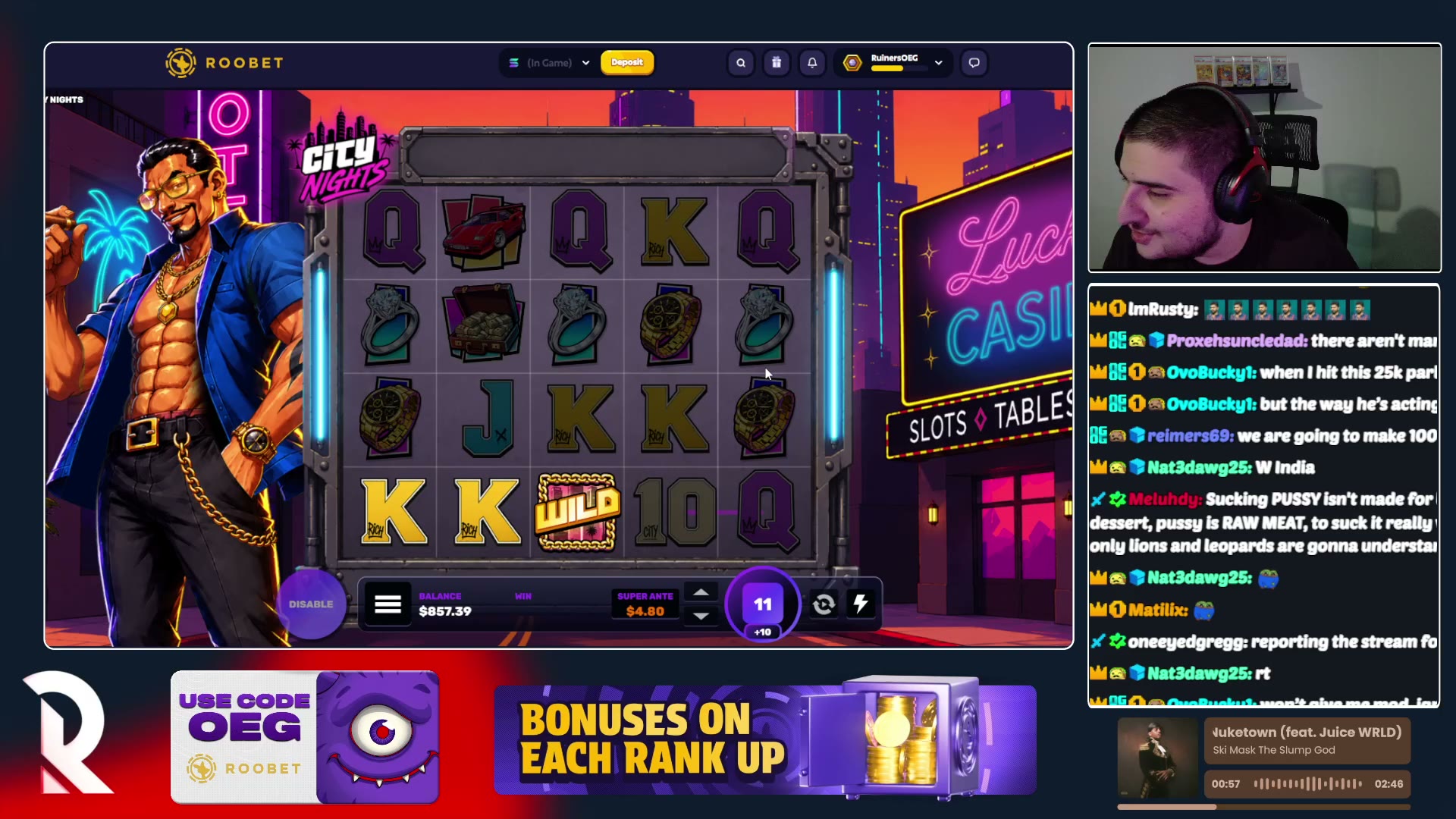
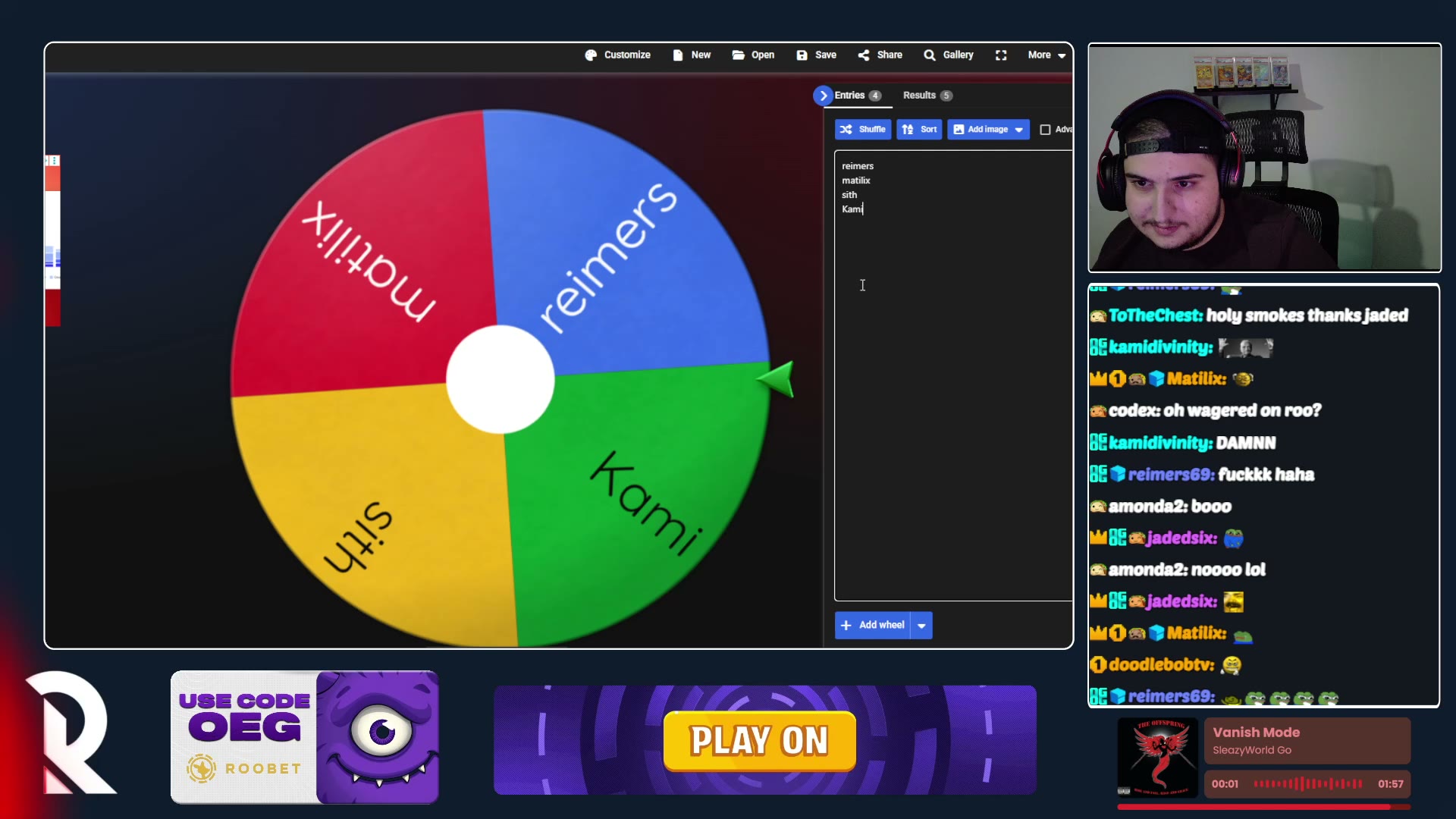
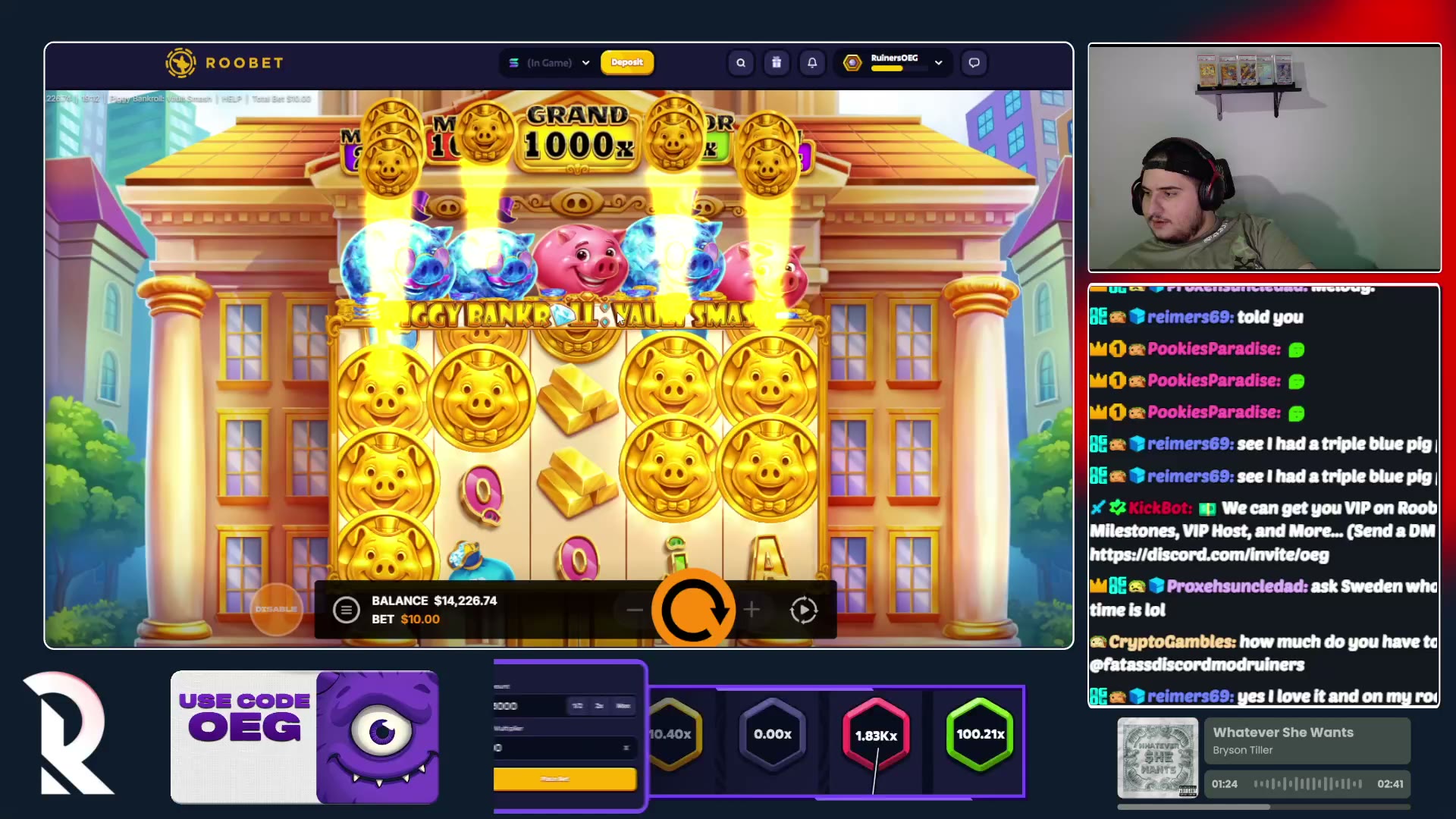
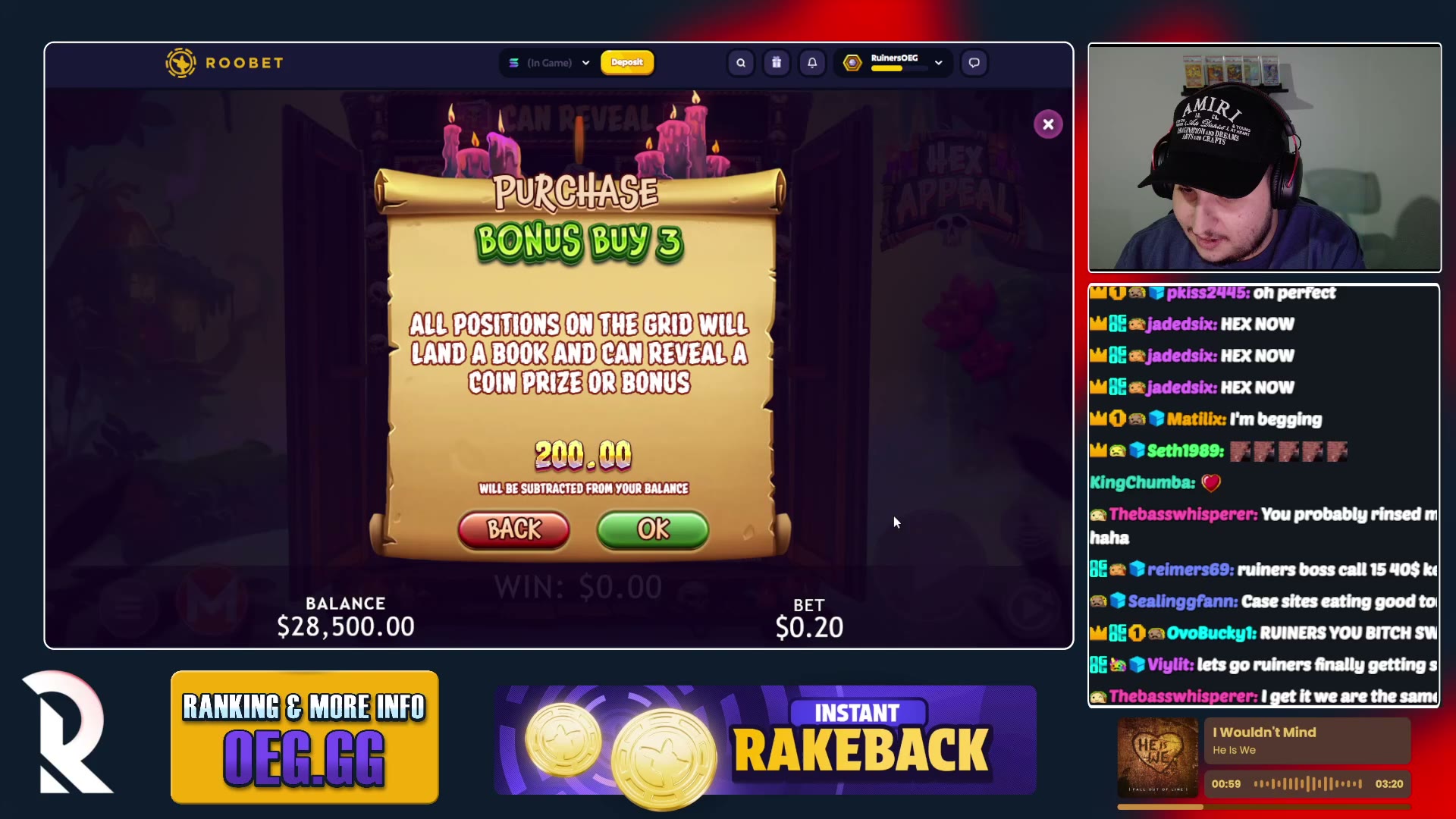
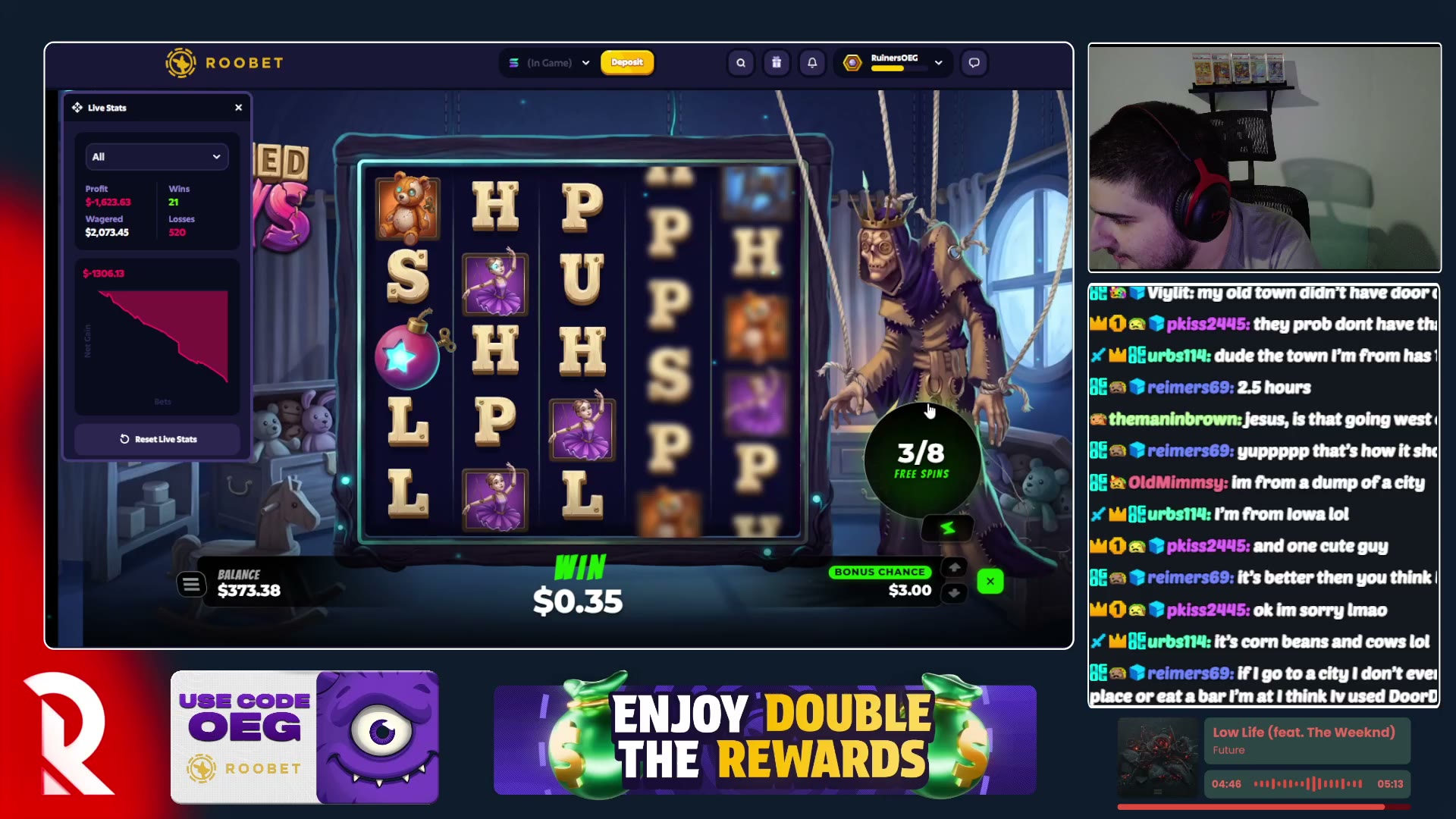
Recent News for ruiners
Ruiners Gambling Streamer: What’s Verified and What Isn’t
The verified record for the ruiners gambling streamer is narrow. A Club.com profile for “Ruiners (@ruiners)” describes the account as: “LIVE EVERYDAY - KICK.COM/RUINERS Gambling Streamer Content Creator” and shows 472 followers.
That is the receipt on the table. It verifies that a public Club.com profile using the Ruiners name presents the account as a gambling streamer and content creator, points viewers to Kick, and lists 472 followers. It does not, by itself, verify streaming volume, gambling stakes, casino partnerships, sponsorship terms, deposits, withdrawals, balances, or whether any promoted gambling activity is funded by the streamer, an operator, or someone else.
That distinction matters. Gambling-streamer profiles are often built on visibility, not disclosure. A bio can say “live everyday”; the harder questions sit elsewhere: what is being wagered, whose money is in play, what operator relationships exist, and whether viewers are being shown real risk or stage-managed volatility. For Ruiners, none of those broader claims are verified by the supplied record.
So the clean read is simple: Ruiners has a public Club.com presence branding the account as a gambling streamer/content creator with 472 followers and a Kick reference. Anything beyond that needs receipts, not vibes.
Who is Ruiners?
Ruiners is a gambling-facing creator publicly listed on Club.com under the handle @ruiners. The same public profile describes Ruiners as a “gambler streamer / content creator” and points visitors to KICK.COM/RUINERS, placing the account squarely in the gambling-streaming orbit rather than the broader influencer fog where everyone is somehow “building community” while spinning bonus buys.
The verified public footprint is narrow. Club.com shows the @ruiners handle, the gambling streamer/content creator description, the Kick destination, and 472 followers on the Ruiners Club.com profile. That is what can be pinned down from the provided public record. No more, no less.
That matters because the phrase ruiners gambling streamer invites the usual internet pile-on: claims about sponsorships, casino backing, bankroll size, personal losses, addiction, scams, disputes, and wallet flows. None of those claims are established by the verified profile details provided here. The public profile does not prove who is behind the account in legal identity terms. It does not verify a sponsorship deal. It does not show where the bankroll comes from. It does not document losses. It does not establish any casino relationship.
There is also no verified on-chain wallet data in the material provided. So, despite the temptations of crypto-gambling discourse, there are no deposit volumes, withdrawal trails, wallet balances, transaction histories, or connected casino wallets to inspect from the supplied evidence. The chain may remember everything, but only if someone gives you the right chain to look at.
The clean read is this: Ruiners is verifiably a public @ruiners profile presenting as a gambler streamer/content creator, linking to Kick, with 472 Club.com followers. Anything beyond that sits outside the receipts currently on the table. In gambling media, that distinction is not pedantry. It is the difference between coverage and fan fiction.
What is actually verified about Ruiners?
The verified record on the ruiners gambling streamer is narrower than the screen presence makes it look. The profile verifies branding: the name, the gambling-streamer identity, and the public-facing presentation attached to that brand. It does not verify where the bankroll comes from, whether the balance shown on stream is personally funded, or what the economics of the stream look like behind the camera.
That distinction matters because gambling streams are not normal casino sessions with a webcam bolted on. Most large gambling streams are sponsored, often through a structure that combines a flat fee with a casino-funded balance. That balance can look exactly like cash to viewers watching a slot spin or table game play out in real time. The little number in the corner does not tell you whether it is the streamer’s money, the casino’s money, or a balance governed by private terms no viewer gets to read.
The awkward bit — for casinos, streamers, and anyone selling the fantasy — is that sponsored balances may not behave like ordinary player deposits. Wins may not be withdrawable. Losses may be refilled by the casino. A streamer can appear to be risking serious money while the actual downside is shaped by a sponsorship deal, not by the same rules facing a retail player. If the question is whether a streamer is using real funds or a promotional balance, FairGambling’s guide to whether casino streamers play with real money sets out the mechanics plainly.
FairGambling’s tracker filters real money versus casino money because the difference is not cosmetic. It changes how viewers should interpret volatility, risk, and “big win” content. A real-money session and a casino-funded session can look identical on stream; they are not identical in substance.
So the clean version is this: Ruiners can be identified as a gambling-streaming brand. What is not verified from branding alone is funding source, balance ownership, withdrawal rights, refill arrangements, or total stream compensation. Until those receipts are visible, the responsible reading is simple: the profile proves the label, not the ledger.
Why gambling streamers attract scrutiny
A ruiners gambling streamer does not attract scrutiny simply because an adult is pressing spin on camera. The sharper issue is the structure around the stream: entertainment wrapped around advertising, affiliate incentives sitting behind the action, and high-risk betting presented in a format built for attention. When money, casino exposure, and audience trust all move through the same broadcast window, the house is not the only party with an edge.
This tension has been visible for years. On Jul. 13, 2021, WIRED said Twitch was “closely monitoring gambling content” during the crypto-gambling boom, and the same WIRED report quoted legal experts saying some promotions may be illegal. That is the part operators and streamers prefer to blur: a stream can look like spontaneous entertainment while functioning as acquisition plumbing for a casino. Different costume, same funnel.
The format has also become professionalized enough to appear on industry stages, not just late-night browser tabs. A YouTube result featuring SH4NE_R identifies “slot streamer Shane Roberts” discussing “the rise of casino streamers” at SBC Summit; the result displayed “1 year ago” and “2.3K views.” When casino streaming is being discussed inside gambling conferences, pretending it is just harmless content with a chat box becomes less convincing.
The useful response is not moral panic. It is verification. FairGambling offers “Provably Fair” and “See Full Transparency for Any Casino,” with on-chain analytics, deposit tracking, and provably fair verification in one place. For crypto casinos promoted by streamers, provably fair tools matter because they let players test whether game outcomes can be independently verified rather than accepted on vibes, sponsorship patter, or a streamer’s lucky face.
Licensing deserves the same cold treatment. To check a crypto casino license, find the license seal in the footer and click it. A real seal opens a regulator-hosted certificate showing the company name, license number, and active status. A seal that is only an image, or a certificate hosted on the casino’s own domain, is a warning sign.
Even then, a license is not a halo. It does not guarantee fair games or fast payouts. It is one receipt, not the whole audit trail. Scrutiny starts where the stream tries to end the conversation.
Documented gambling-streamer controversies and harm signals
The phrase “ruiners gambling streamer” sits in a category where search interest often mixes personality, spectacle, addiction, and alleged misconduct into one messy feed. The clean way through it is receipts first. Documented gambling-streamer controversies exist, but they should not be lazily stapled onto any one creator without matching evidence.
The clearest benchmark is the Sliker case. On Sep. 20, 2022, GamesIndustry.biz reported that Twitch streamer Sliker admitted he had lied to fans and fellow influencers and raised at least $200,000 to fund his gambling habit (GamesIndustry.biz, Sep. 20, 2022). That matters because it moved beyond vague “streamer drama” into a concrete harm pattern: gambling losses, deception, direct appeals for money, and victims drawn from an audience and peer network.
The broader content ecosystem also shows how gambling harm is packaged for mass consumption. A YouTube result titled “The Livestreamer Who Ruined His Life To Gamble” is attributed to KempQ and shows 69.8K views (YouTube). Another, “The Terrifying Life Of A Professional Gambling Addict,” says it looks at BossManJack, “a gambling streamer turned gambling addict,” and shows 9.9K views (YouTube). A third result, “Gambling Ruined These Streamers Lives,” shows 28.7K views and names “Gambling Streamer Mikki Mase” in the snippet (YouTube).
Those view counts are not proof of wrongdoing by anyone named in a thumbnail or snippet. They are proof of attention. And attention is the house edge of influencer gambling: the more visible the collapse, the more clickable the next collapse becomes.
Audience reaction supplies another harm signal. A Reddit post in r/PublicFreakout titled “streamer addicted to gambling loses 3000 dollars” has 710+ comments; the snippet says the poster is “in Gamblers Anonymous” and notes gambling is already a major U.S. problem (Reddit). Again, this is not a court record. It is a public stress fracture: viewers recognizing addiction, financial loss, and performative risk in real time.
The documented pattern is simple enough. When gambling content shifts from entertainment into borrowing, lying, loss-chasing, addiction framing, or community distress, the signal is no longer just “content.” It is harm wearing a livestream overlay.
Sponsorship claims, streamer money, and why evidence matters
Streamer-money claims are catnip for gambling drama, but catnip is not a receipt. In the discussion around the ruiners gambling streamer ecosystem, one Reddit post in r/problemgambling says Goobr has streamed gambling for years and “reportedly secured an ~$80k per week deal,” adding he is “likely making $350k per month.” That is a claim in a Reddit post, not verified compensation. Big numbers travel faster than bank statements; this industry knows that trick by heart.
The difference between a rumor and a finding is paperwork. Stronger proof would look like signed sponsorship contracts, streamer disclosure pages, casino affiliate terms, transaction records, on-chain wallet flows, payment statements, operator filings, platform moderation records, and license-register complaints or enforcement actions. Without those, the honest position is narrow: the snippet says what it says, and nothing more.
This distinction matters because gambling sponsorships and affiliate arrangements can shape what viewers see, what risks get minimized, and which casinos are pushed into the feed. If a streamer is paid by an operator, or earns from losses, wagers, sign-ups, reloads, or volume, the audience deserves to know the commercial plumbing behind the entertainment. The reels may be loud; the incentives are usually quieter.
FairGambling’s own model is explicit about that plumbing. FairGambling’s affiliate program lists Affiliate Benefits including Wager Share, Bonus Code Drops, Cross-Casino Leaderboard, and Loyalty Program. The user flow is equally plain: Sign Up, Link Account, Play, Collect. It also states: “Start earning in under 2 minutes — no subscription needed,” and “Guaranteed rewards on your own wager — no limits, no expiration.” Its Net Wager Share Calculator is disclosed as: Wagered × House Edge × 25% ÷ 2.
The independence line is just as important. FairGambling’s transparency notice states that FairGambling does not accept payments, sponsorships, or any compensation from casinos for favorable reviews or improved rankings. Its editorial and ranking systems are independent from its Kickback affiliate program, and Kickback participation does not affect Trust Score or ranking position.
That is the standard viewers should demand everywhere: disclose the money, separate rankings from revenue, and show the receipts before asking anyone to believe the spin.
How to evaluate a gambling streamer before trusting the content
A ruiners gambling streamer is selling attention first. Sometimes that attention is wrapped in real play, sometimes in sponsorship, sometimes in bonus money with strings attached, and sometimes in a balance that tells you less than the thumbnail wants you to believe. Before you treat any stream as evidence, check the commercial wiring: sponsorship disclosure, affiliate links, promo codes, and whether the balance on screen is paid, credited, bonus-funded, wager-locked, or effectively demo-style.
Separate entertainment from evidence. A win clip is not proof that the casino is fair, solvent, or willing to process withdrawals. It proves only that a clip exists. Extreme win clips deserve extra skepticism because highlight reels are not ledgers; they omit the losing sessions, the deposit history, the wagering terms, and the cash-out trail.
Watch withdrawal behavior, not just deposits and spins. A streamer who constantly tops up but never shows clean withdrawals is giving you theater, not proof of withdrawability. The better question is not “did they hit?” but “could the balance leave the casino, under the same rules a normal player faces?”
Licensing is another basic receipt. Do not rely on a footer badge or a streamer’s casual mention of regulation. If there is no license seal, search the regulator’s public register directly. If a casino is not in the register, it is not licensed. Also check restricted jurisdictions, because a casino that is licensed somewhere may still be unavailable or non-compliant where you live.
Where crypto casinos are involved, inspect provably fair systems where applicable. A “provably fair” label is not the same as a checked seed, a verifiable game round, or transparent implementation. The point is verification, not decoration.
Comments, Reddit threads, and Discord screenshots can be useful smoke signals, but treat them as leads, not verdicts. For actual dispute handling, use FairGambling’s Resolution Hub, which lets users track, submit, and monitor online casino disputes. The process has five steps: file, review, casino response, mediation, and outcome. The casino’s first response is due in 14 days, and outcomes can be resolved, unresolved, or rejected.
If a stream is pushing you toward risky play, step away before the promo code does its job. Use responsible gambling resources when gambling stops feeling like entertainment and starts acting like a debt collector.
What we do not know about Ruiners
The cleanest thing to say about the ruiners gambling streamer file is also the least clickable: FairGambling does not have verified evidence for the claims that usually fuel this corner of the internet.
There is no verified evidence in the available FairGambling record for Ruiners’ real identity. There is no verified evidence of sponsor relationships, income from gambling streams, deposit or withdrawal history, gambling losses, or any on-chain wallet data tied to Ruiners. FairGambling also does not have verified evidence supporting any addiction claim, scam allegation, dispute, or player-harm allegation involving Ruiners.
That absence matters. Gambling-streamer coverage is often padded with screenshots, Discord folklore, affiliate whispers, and confidence delivered at full volume. None of that turns into evidence because it gets repeated. If there is no wallet, transaction, filing, regulator note, official statement, casino API data, or other primary-source receipt tying a claim to Ruiners, it stays outside the verified file.
FairGambling’s work is governed by its editorial policy: analytics come from public blockchain data, official casino APIs where available, and aggregated user reports. FairGambling links to primary sources such as regulator rulings, court filings, official statements, and on-chain transactions, and it does not fabricate or manipulate data. That standard is useful precisely when the internet wants a shortcut.
So the current position is narrow by design. Ruiners may attract attention as a gambling streamer, but FairGambling does not turn attention into accusation. No verified sponsor data means no sponsor claim. No verified deposit or withdrawal trail means no bankroll narrative. No verified losses means no loss estimate. No verified wallet data means no on-chain analysis. No verified dispute or harm record means no allegation dressed up as reporting.
The bear remains unpoked where there is no stick.
Bottom line
The verified baseline on Ruiners is narrow: Ruiners is publicly presented on Club.com as a gambling streamer/content creator, the profile is linked to Kick, and the account shows 472 followers. That is the receipt. Everything beyond that needs evidence before it gets promoted from internet fog to fact.
The phrase ruiners gambling streamer may pull Ruiners into the same orbit as a wider creator economy that has earned scrutiny. Gambling streams have repeatedly raised fair questions about casino sponsorships, balance funding, withdrawal reality, affiliate incentives, and whether viewers are seeing risk or theater. Those questions are not paranoia; they are the minimum hygiene required in a market where the house, the platform, and the promoter may all have aligned interests.
But scrutiny is not a license to staple other people’s sins onto one streamer. Documented examples elsewhere justify asking harder questions of gambling creators as a category. They do not prove that Ruiners has undisclosed sponsorships, house-funded balances, fake withdrawals, or privileged casino relationships. Without primary evidence, those claims remain unproven.
The reader standard should be simple: show the receipts. If Ruiners is sponsored, the terms should be visible or clearly disclosed. If large balances appear on stream, viewers should know whether those funds are personal, promotional, reloads, credit, or some other arrangement. If withdrawals are used as proof of wins, the transaction trail should survive basic inspection. If a casino relationship exists, the nature of that relationship should be stated plainly.
Until then, the responsible position is neither fan-service nor witch hunt. Ruiners is verifiably a Club.com-listed gambling content creator linked to Kick with 472 followers. The rest belongs in the evidence drawer, not the headline.
FAQ
Who is Ruiners gambling streamer?
The verified public baseline is narrow: Ruiners is listed on Club.com as “Ruiners (@ruiners),” with the text “LIVE EVERYDAY - KICK.COM/RUINERS Gambling Streamer Content Creator” and 472 followers. That confirms how the profile presents itself. It does not verify Ruiners’ identity, sponsors, bankroll source, losses, casino relationships, or financial arrangements.
Is Ruiners really a gambling streamer?
Yes, in the limited sense that the Club.com profile describes Ruiners as a “Gambling Streamer Content Creator” and points users to KICK.COM/RUINERS. That verifies the label on the public profile, not the money behind the streams. Sponsorship terms, gambling volume, deposits, withdrawals, and affiliate arrangements remain unverified from the provided record.
Where does Ruiners stream?
The public profile points to “KICK.COM/RUINERS” and says “LIVE EVERYDAY.” No independent stream schedule, casino partner list, wallet records, or platform analytics were provided. A profile link is a signpost, not an audit trail.
Is there a controversy involving Ruiners?
No specific Ruiners controversy is verified in the provided source set. The only verified item here is the Club.com profile. Broader gambling-streamer controversies exist, but they should not be stapled onto Ruiners without direct evidence. That is how rumor gets dressed up as research.
Why do gambling streamers get criticized?
Because viewers often cannot tell whether on-screen balances are personal funds, sponsor money, bonus credits, or even withdrawable cash. WIRED reported in 2021 that Twitch was closely monitoring gambling content, and legal experts told WIRED some promotions may be illegal. The pressure point is disclosure: incentives, affiliate revenue, and harm risk are often hidden behind jackpot clips.
What happened with Sliker and gambling?
GamesIndustry.biz reported on Sep. 20, 2022, that Twitch streamer Sliker admitted he lied to fans and fellow influencers and raised at least $200,000 to fund his gambling habit. That is a documented gambling-streamer case. It is not evidence about Ruiners.
Are gambling streamer sponsorship numbers reliable?
Not without primary evidence. A Reddit post about Goobr claims an roughly $80,000-per-week deal and says he is likely making $350,000 per month, but those are Reddit claims. Stronger proof would be contracts, payment records, affiliate terms, wallet flows, or operator disclosures.
How can viewers verify gambling streamer claims?
Check sponsorship disclosures, affiliate links, casino terms, licensing, withdrawal proof, and whether the funds are personal or promotional. For crypto casinos, on-chain wallet flows and provably fair verification help. A win clip is entertainment, not proof of fairness, solvency, or clean withdrawals.
Does a streamer showing big wins prove the casino is fair?
No. Big-win clips show selected outcomes on camera. They do not prove game fairness, bankroll source, withdrawal eligibility, or operator solvency. The receipts that matter are provably fair checks, withdrawal records, licensing checks, bonus terms, and clear sponsorship disclosure.
What should readers take away about Ruiners?
Treat Ruiners as a profile, not a proven scandal. The verified record is a Club.com listing describing Ruiners as a gambling streamer and content creator, linking to Kick, with 472 followers. Everything beyond that needs receipts.