


Last 30 days

 USA
USA English
Affiliate Benefits
Aff code benefitsMedium
Growth
RoobetLifetime Data
2026-09-26
TIPS ON SIGNUP | 100% REV SHARE | MILESTONES | !gamba !leaderboard !discord
Activity
Past Streams
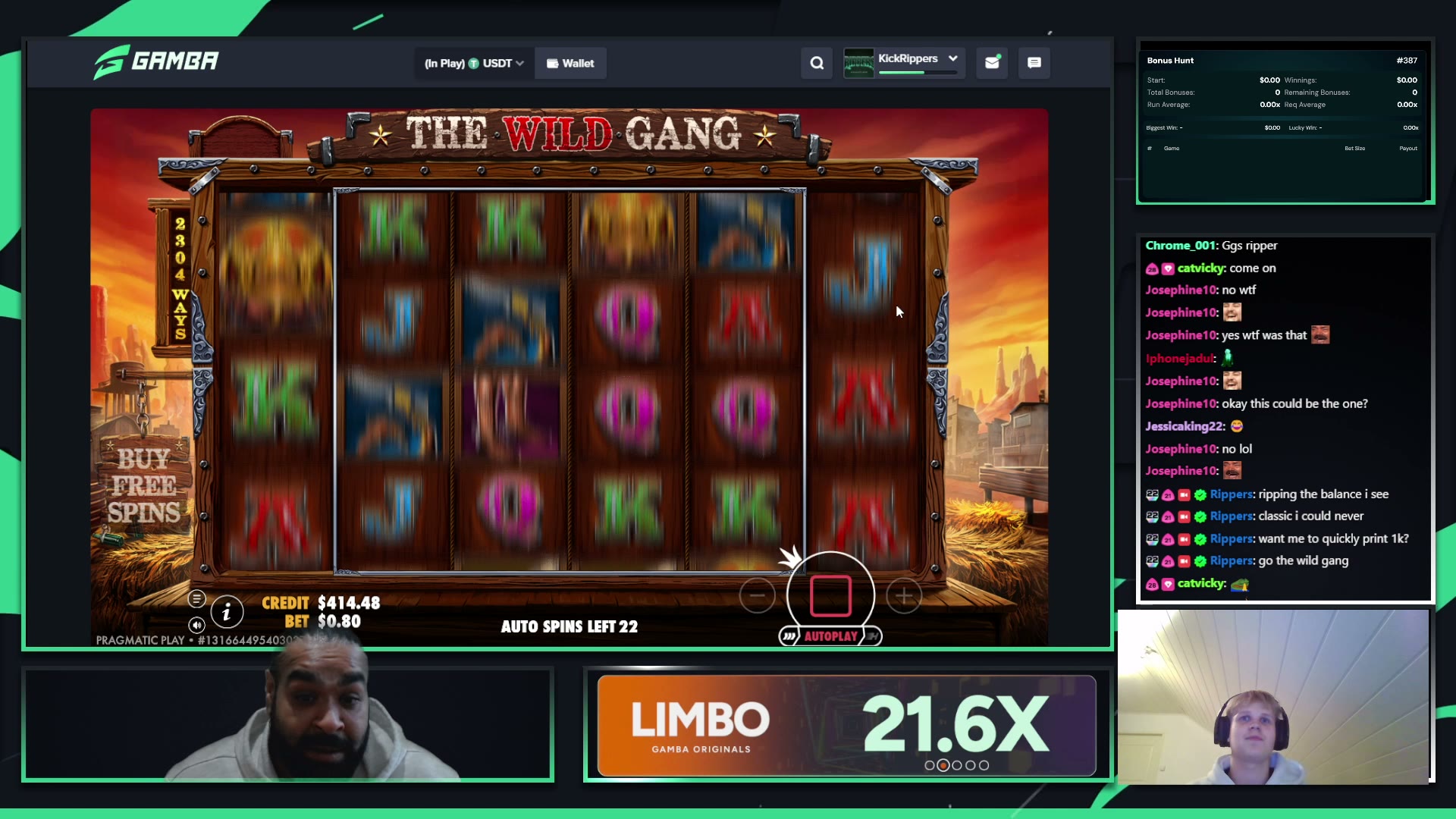
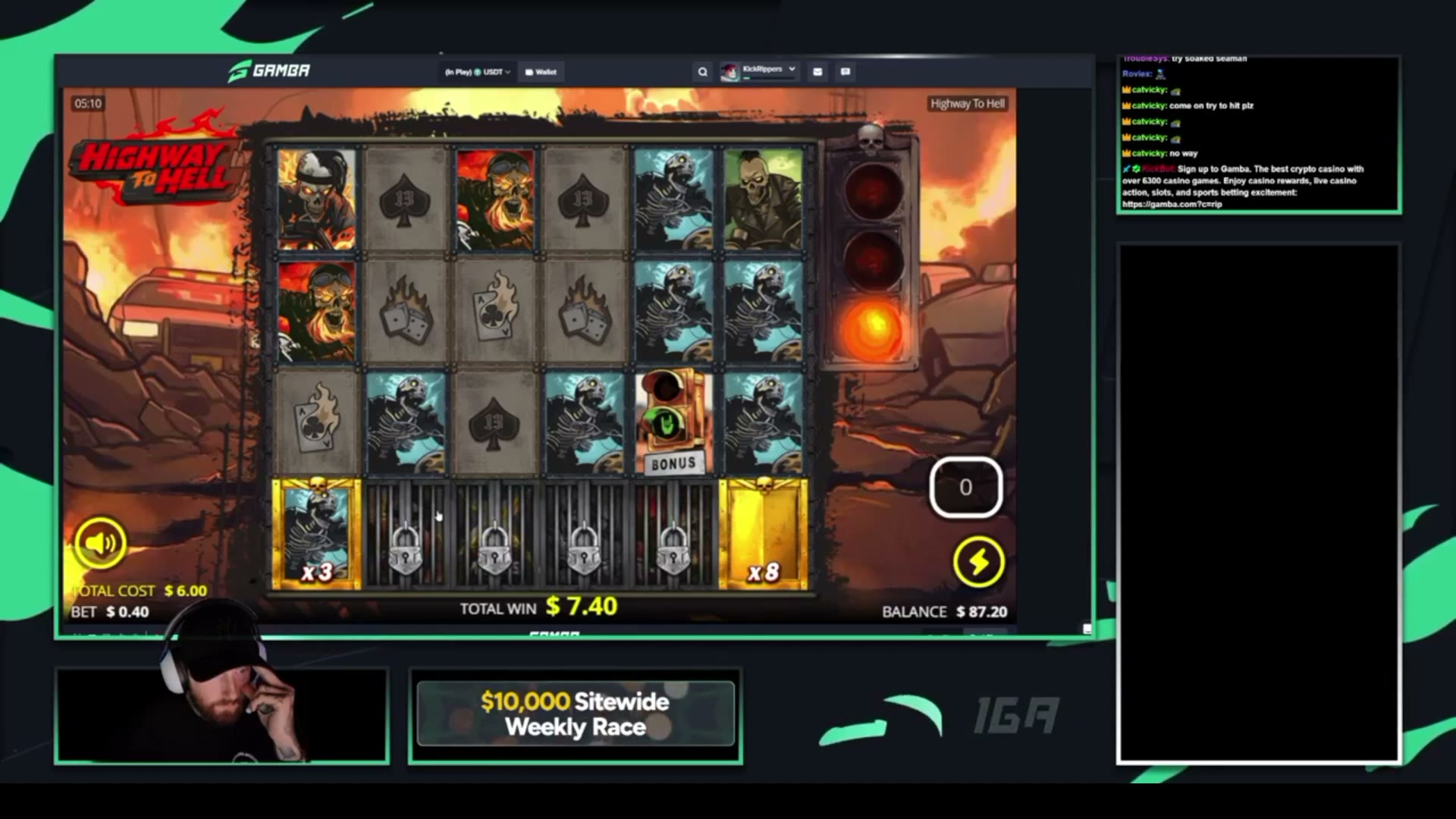
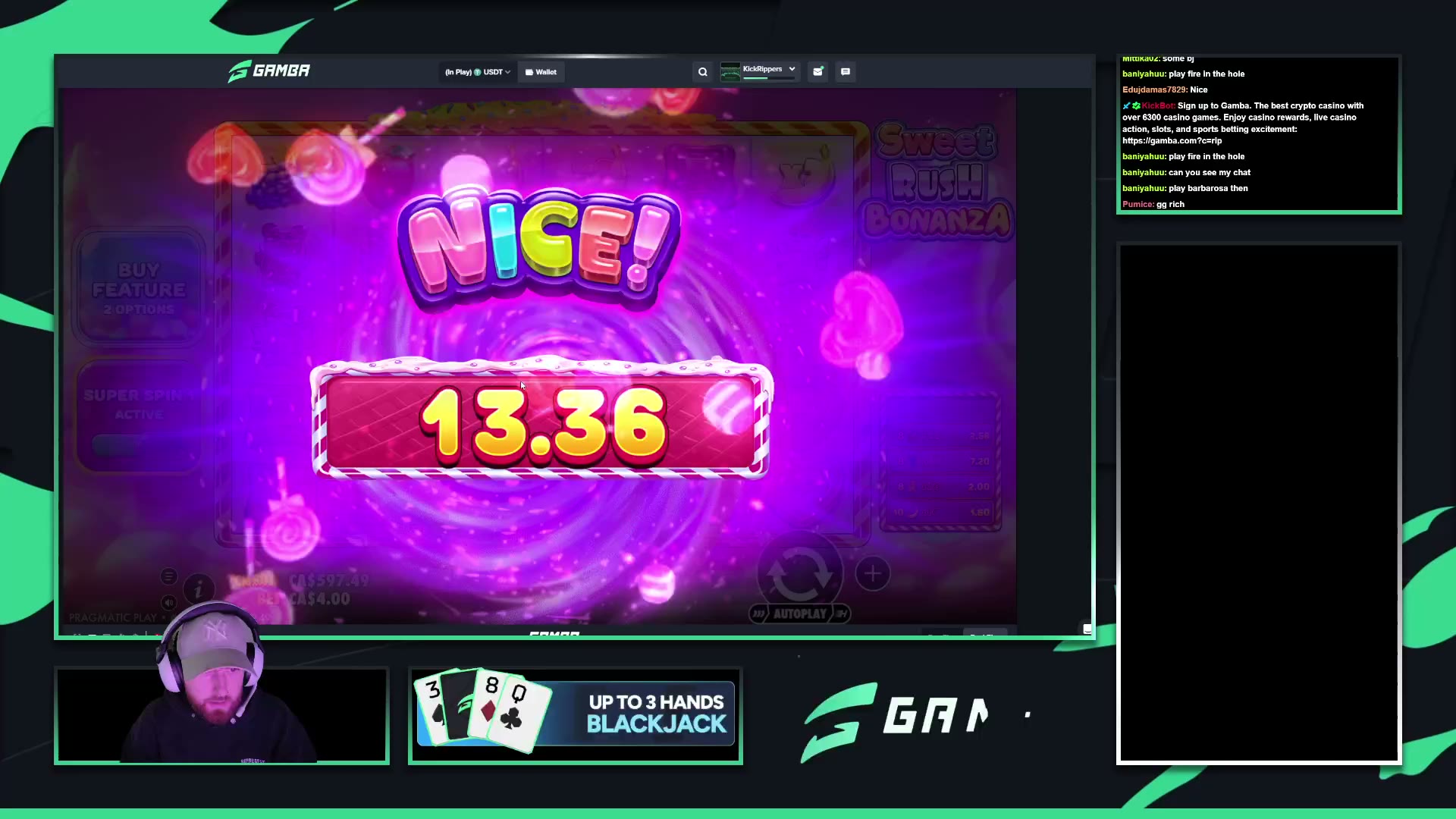
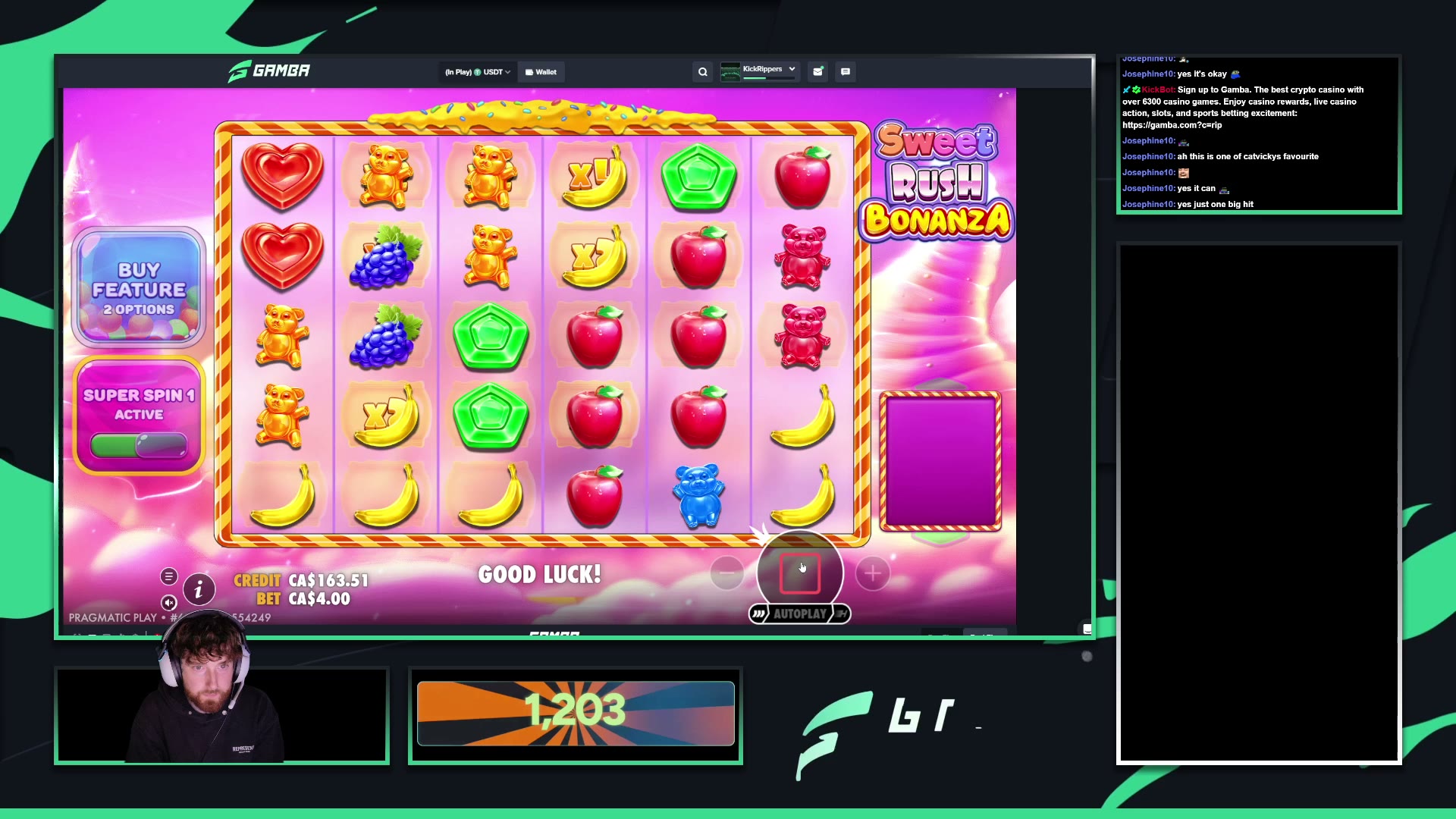
Recent News for rippers
Rippers Gambling Streamer: What We Can Verify
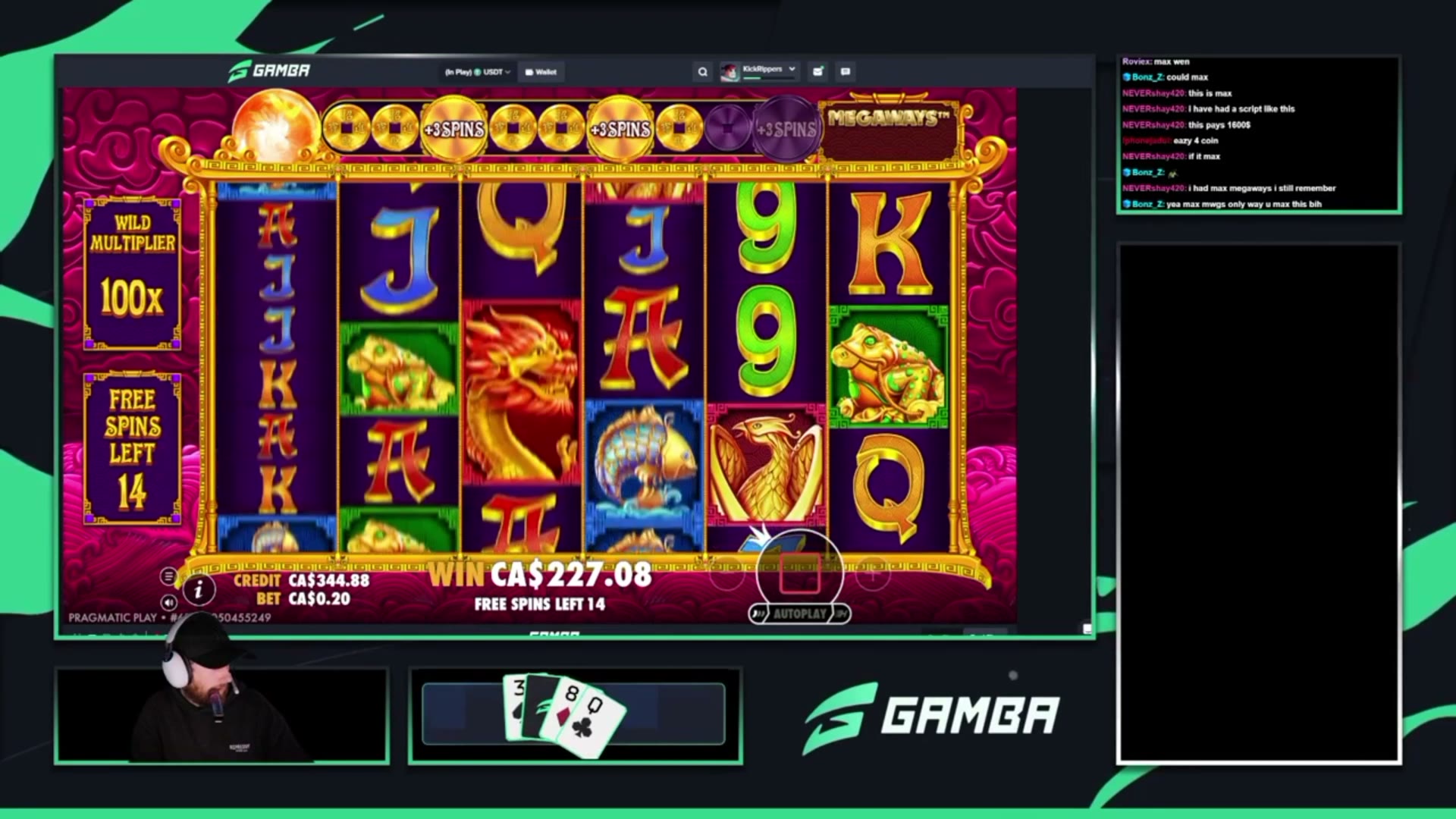
The short version: the public record supports a narrow description of the rippers gambling streamer as a slots/gambling stream presence on Kick. The Rippers Kick channel page exists, and its channel description reads: “We play slots, we rip.” Google surfaces the same Kick URL under the result title “Rippers Stream - Watch Live on Kick”, with the same description: “We play slots, we rip.” Thin file, clear signal.
That is where the verified claim should stop unless more receipts appear. The available public material does not establish Rippers’ real identity, bankroll source, sponsorship terms, losses, addiction history, ownership, or direct casino affiliations beyond the platform/profile data below. Gambling streaming attracts mythology the way bonus terms attract asterisks; this one gets the same treatment as the rest: claims need receipts.
FairGambling identifies rippers as a streamer, currently labeled OFFLINE, with Kick listed as the platform. The profile lists the streamer’s current casino as Stake, past casinos as Roobet, location as USA, and language as English. It also lists face cam: Yes, an affiliate code: rippers, affiliate benefits of Leaderboard and 3.5% instant rakeback, plus a monthly leaderboard size of $1.0K / mo. The profile’s estimated market value is $92K.
The last-30-days activity data gives a more useful view than the usual smoke-and-neon streamer branding. FairGambling records 692 hours watched, a peak of 519 viewers, an average of 296 viewers, and 32h 36m airtime across 30 active days. The same 30-day window shows +137 follower gain and an estimated monthly payment of $8K / mo.
Lifetime figures are a different cut of the same public profile. FairGambling records 7.3K followers, a peak of 848 viewers, an average of 22 viewers, 183h airtime, and 586 active days for rippers. The page also says there is no recent news for rippers.
For the live destination, FairGambling’s profile includes a Watch on Kick link to kick.com/rippers. For the full profile record, including stream stats and the casino/affiliate fields listed above, see the rippers streamer page.
What is Rippers?
Rippers is verifiable as a Kick channel/page associated with gambling content. More precisely, the evidence supports describing it as a slots-focused gambling channel, not as a confirmed individual with a verified real-world identity. That distinction matters, because gambling-streamer coverage gets sloppy fast: a handle is not a passport, a channel page is not a corporate filing, and a screen name is not proof of who is actually behind the bets.
So when people search for “rippers gambling streamer,” the clean answer is narrow: Rippers is a gambling-streaming presence on Kick, with the available evidence pointing to slots as the core format. Anything beyond that — the person’s legal name, ownership, team structure, sponsorship arrangements, or whether the channel is connected to other similarly named accounts — needs receipts before it gets treated as fact.
The name also should not be blended with other “Rippers” pages, profiles, or brands unless there is evidence connecting them. Similar names are common across streaming platforms, casino affiliates, social media pages, and crypto-adjacent gambling circles. Treating them as one entity without proof is how bad data becomes folklore, and folklore is very useful to operators and promoters who prefer fog over ledgers.
For now, the defensible description is simple: Rippers is a Kick-based gambling channel focused on slots. It is not, on the evidence provided, a confirmed individual identity. That may sound less exciting than the usual streamer mythology, but it is the only version that survives contact with the receipts.
Is Rippers on Kick?
Yes. The clean receipt is the Kick channel page for rippers, which is the primary source to use when confirming whether the rippers gambling streamer has a presence on Kick. Not a repost. Not a clip farm. Not somebody’s “trust me bro” recap with a thumbnail face and six fire emojis. The channel page is the platform-level reference point.
There is also a Google result for “Rippers Stream - Watch Live on Kick” that shows the same slots-focused description. That matters because it lines up with the gambling-streamer context people are searching for, but it is still secondary. Search results are useful signposts; they are not the casino cage. The Kick page is the receipt.
That distinction is worth keeping because gambling-streamer visibility can get muddy fast. A name can appear in directories, repost accounts, tag pages, clip titles, scraped profiles, and search snippets without each one proving the same thing. If the question is simply whether Rippers is on Kick, the answer comes from Kick itself: the rippers channel exists on Kick.
For broader context, Twitch also maintains a public gambling tag directory, but that page does not establish whether Rippers is on Kick. It only shows Twitch’s own gambling-tag environment. Useful for platform comparison, useless as proof of a Kick account. Wrong ledger.
So the answer is narrow and firm: Rippers is on Kick, and the cited Kick channel page is the source to rely on. Anything beyond that — activity level, current live status, deal terms, balances, deposits, or whether the content is sponsored — would need separate primary-source evidence. No receipts, no upgrade.
What kind of content does Rippers stream?
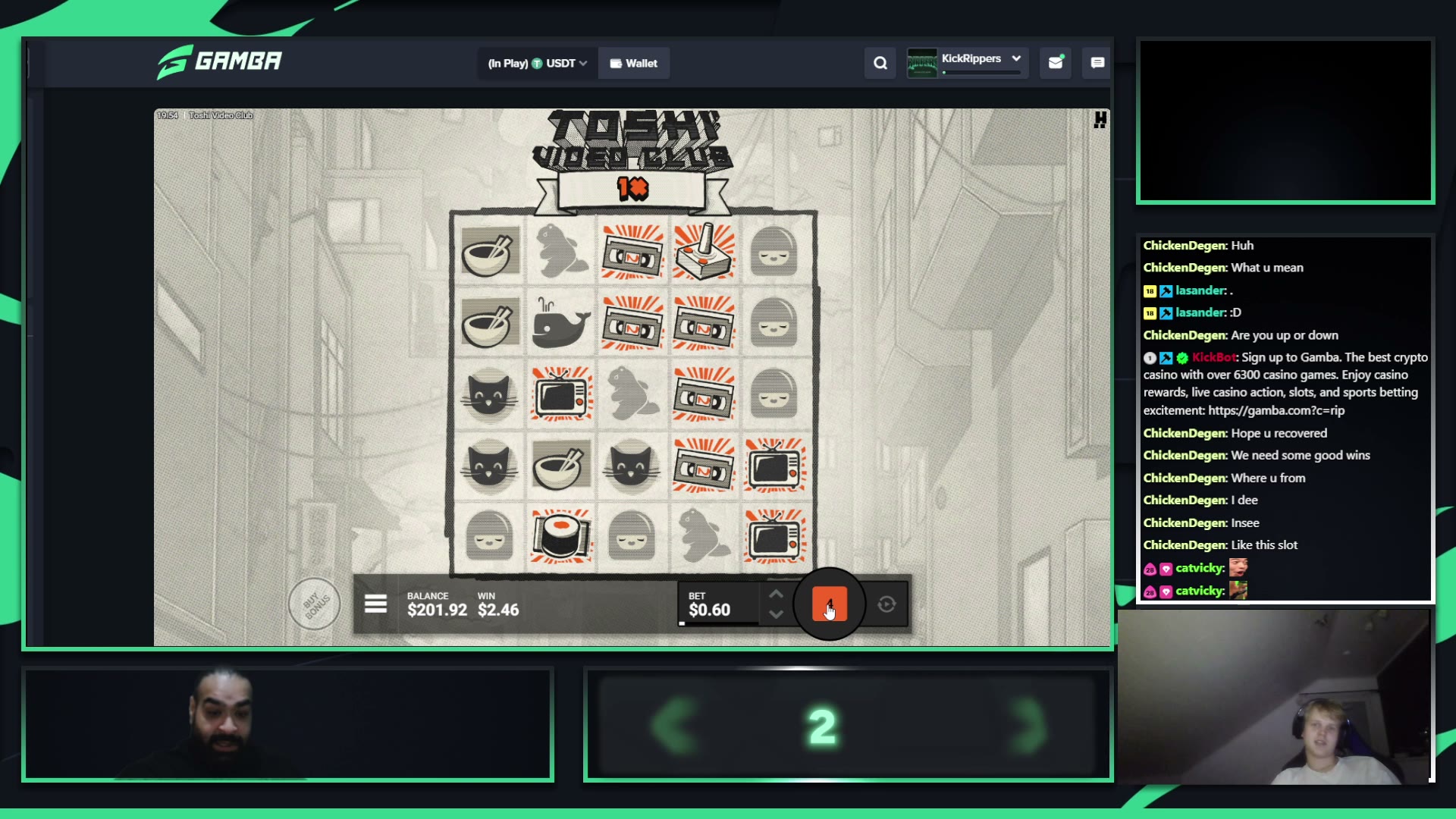
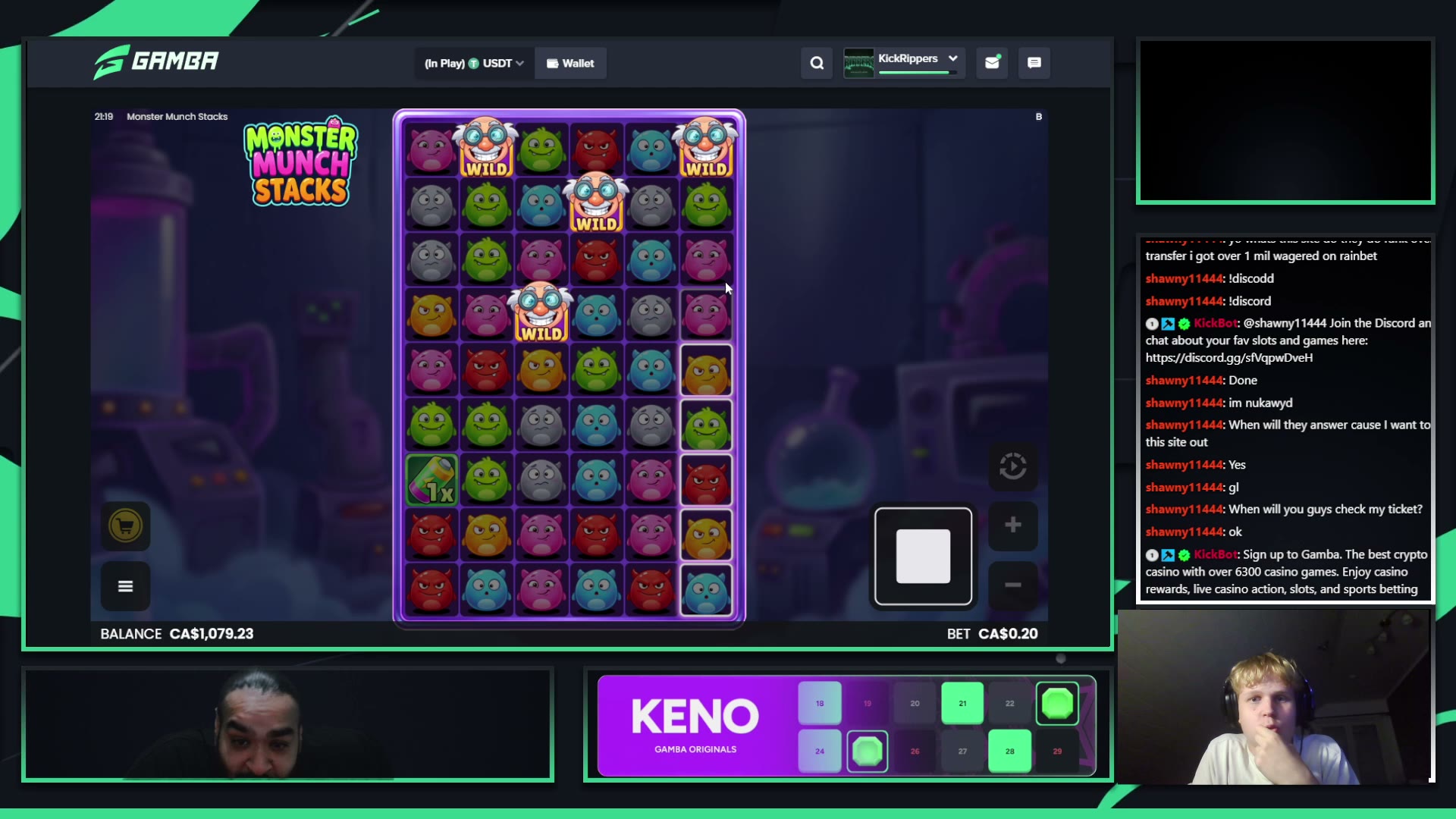
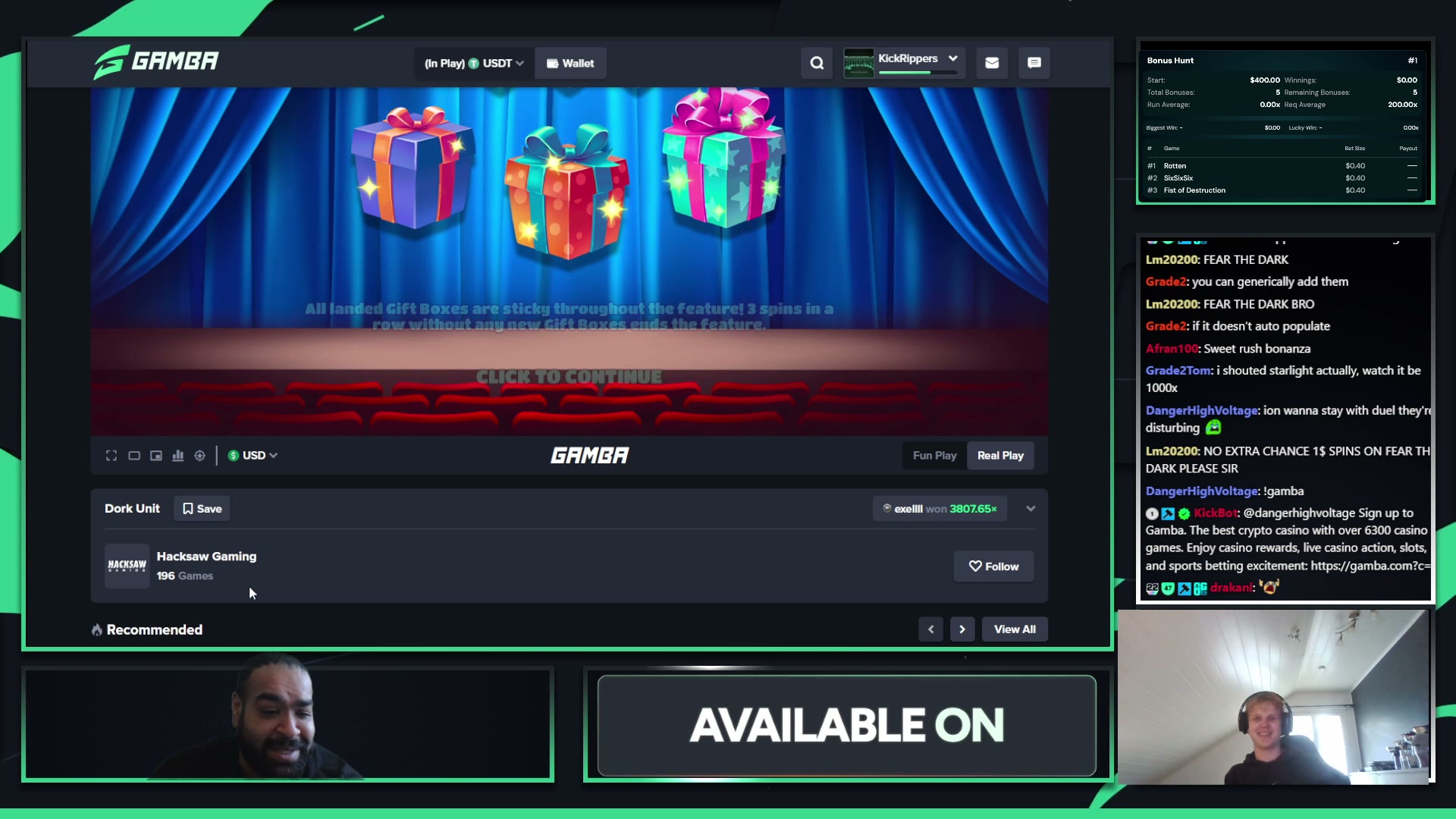
Rippers’ public description is blunt: “We play slots, we rip.” That is the cleanest available read on the channel’s content. For anyone searching for the rippers gambling streamer, the confirmed category is slots-focused gambling content — not poker, not sportsbook picks, not table-game strategy, unless separate primary-source evidence says so.
The wording matters because streamer profiles often invite more interpretation than the receipts support. “We play slots” is a direct content signal. “We rip” is branding language — loud, short, and built for gambling-streamer culture — but it does not, by itself, prove anything about profitability, bankroll size, casino relationships, or the mechanics behind the play.
So the fair description is simple: Rippers streams slots content. Anything beyond that needs evidence. Without sourced records, there is no responsible basis to name specific game providers, attach casino balances, infer wager sizes, identify token types, or assume withdrawals. Those details are where gambling content often gets dressed up into mythology: big numbers on-screen, fast spins, louder reactions, and somehow the audience is meant to fill in the blanks. The blanks remain blanks until there are receipts.
That distinction is especially important with gambling streamers because presentation and financial reality can be two very different animals. A stream can show slot play without proving who funded the balance, what terms apply, whether bonuses are involved, or what happened after the session ended. None of those claims are established by the phrase “We play slots, we rip.”
For now, the verified takeaway is narrow but useful: Rippers’ publicly stated content is slots. The rest should stay off the ledger unless it can be tied to primary evidence rather than vibes, thumbnails, or chat-room folklore.
Why gambling streamers deserve extra scrutiny
A gambling stream is not just gameplay with a chat box attached. It can monetize attention, sponsorships, affiliate links, and platform growth at the same time. That matters because the viewer sees spins, balances, reactions, and wins; the commercial arrangement behind the screen may be doing the real work off-camera.
The money on offer explains the caution. On Jul. 13, 2021, Wired reported that gambling-stream offers for Rinaudo, age 26, reached $35,000 an hour for a 10-hour stream, double the price of his typical sponsorships. That does not prove anything specific about Rippers. It does show why any rippers gambling streamer content should be read like advertising until the money trail is clear. The house does not usually pay top-of-market rates because it enjoys watching reels land.
Most large gambling streams are sponsored. The standard package is a flat fee plus a casino-funded balance, and FairGambling’s sponsorship data shows the typical deal combines a fee and a bankroll. The most common arrangement uses a sponsored balance that can look like cash on screen, while the streamer typically cannot withdraw wins and the casino refills losses. To the audience, the number in the corner may look like personal risk. In the contract, it may be inventory.
Not every deal follows that template. Deal types include own money, loss reimbursement, keep-what-you-win, and sponsored balance. Own-money streamers do exist, and whether a specific streamer is playing with real money or casino money is checkable through FairGambling’s streamer tracker, which filters streamers by real-money play versus casino-funded play. That distinction is the whole ballgame.
The problem is that streamer contracts are usually confidential, so public certainty is rare unless the receipts surface. Recently, X accounts started posting what they claim are Roobet-linked streamers’ passports, home addresses, and transaction histories, with the stated goal of exposing people running provided balances instead of real money. One larger post from @YogiGambles specifically named @DOUGGAMBLES and several other streamers. The files being shared include what look like passport images and casino transaction records. Roobet has not responded.
The scrutiny is justified. The doxxing circus is not a substitute for verifiable funding records.
Twitch, Kick, and the gambling-streamer attention market
The rippers gambling streamer story sits inside a larger attention market where the platform is not a neutral backdrop. Twitch still maintains a dedicated gambling live-stream tag page inviting viewers to “Watch the best gambling channels and streamers that are live on Twitch.” That sentence does a lot of work. It frames gambling streams as entertainment inventory: searchable, sortable, live, and ready for an audience.
Kick, meanwhile, hosts the Rippers channel page. That is the only clean claim to make from the provided record: the page exists on Kick. Anything beyond that — platform policy, ownership incentives, commercial ties, or casino relationships — requires separate receipts, not vibes in a trench coat.
Different platforms, same viewer problem: the entertainment is visible; the financial incentives usually are not. Viewers see the wager, the reaction, the win screen, the loss face, the clip-ready chaos. They do not automatically see who funds the play, whether deposits are personal or promotional, whether losses are real economic losses, or whether the streamer’s compensation changes the risk picture. That gap is where gambling content becomes especially slippery.
This matters because gambling streams are not just broadcasts. They are distribution channels for attention around risk. A streamer can make a session feel spontaneous while the surrounding economics remain opaque. The audience gets spectacle; the operator, platform, affiliate, sponsor, or streamer may get value that is not obvious from the stream itself.
None of that proves wrongdoing by Rippers or any platform. Proof lives in primary records: wallet flows, disclosed sponsorships, license registers, transaction trails, operator filings, and terms that can be checked rather than inferred. Until those records are on the table, the cleanest read is also the least flattering to the industry: gambling-streamer content is built to make risk watchable, while the money behind the risk often stays conveniently off-camera.
What viral gambling-streamer videos tell us — and what they do not
Search results are a market signal, not a verdict. When videos about gambling streamers rack up views, they prove that the audience has an appetite for scandal, collapse, and alleged deception. They do not prove the underlying claims in the thumbnail, the title, or the comment section. The casino-industrial content machine learned long ago that outrage converts. So did YouTube.
Take the headline economy around this niche. A video titled “The Gambling Streamer Going Bankrupt For Views” has 3.3 million views and was posted 3 years ago. Another, “The Dark Truth Behind Gambling Streamers”, has 8.6K+ views and was posted 5 months ago. A third, “The Gambling Streamer Who Made $360 Million Lying To ...”, has 12.9K+ views and was also posted 5 months ago. Those numbers show attention. They do not, by themselves, show bankruptcy, fraud, paid balances, undisclosed sponsorships, fake deposits, or real losses.
That distinction matters when searching for a rippers gambling streamer story. Viral framing can point you toward allegations worth checking, but it is not the check. A title can compress a messy dispute into a weaponized sentence. A thumbnail can turn suspicion into theatre. A view count can make a claim feel established before a single receipt has been inspected. That is how reputations get laundered upward or burned down sideways, depending on who has the better edit.
The useful question is not “Did the video sound convincing?” It is: what evidence sits underneath it? Deposits, withdrawals, wallet balances, transaction histories, sponsorship disclosures, company filings, license records, and archived statements carry more weight than a creator’s cadence over dramatic music. Until those receipts arrive, the title is bait. Sometimes bait leads to the fish. Sometimes it is just bait, dangling in front of an audience trained to click.
Do not confuse Rippers with similarly named gaming pages
Search results around a rippers gambling streamer can get messy fast. One easy trap is treating every page with “Ripper” in the name as part of the same operation. That is not evidence; it is a naming collision with a hoodie on.
A Facebook page for Ripper Squad Gaming exists, and it has 1K+ followers. The page describes itself as “a club made up of four friends” who want to entertain people who enjoy gaming. That description matters because it is a gaming-page identity, not proof of any link to the Kick “rippers” channel.
Nothing in the supplied evidence connects Ripper Squad Gaming to the Kick “rippers” channel. No shared operator record is established here. No wallet trail, ownership trail, platform cross-link, filing, or primary-source receipt is provided tying the Facebook page to the gambling-streaming account. Until that exists, the overlap stops at the name.
This distinction is not pedantry. In gambling-streamer coverage, names are often recycled, stylized, clipped, or deliberately made search-friendly. A similar handle can pull unrelated creators, fan pages, gaming groups, and impersonators into the same search bucket. That does not make them the same entity. The internet is not short of people calling themselves some variation of “ripper”; evidence still has to do the adult work.
So the clean read is simple: Ripper Squad Gaming is a Facebook gaming page with 1K+ followers and its own stated identity as a four-friend club. The evidence provided does not connect it to the Kick “rippers” channel. Treating it as connected would be a leap, and leaps are how bad streamer profiles turn into free PR for ghosts.
How to evaluate any gambling streamer before you trust them
A rippers gambling streamer should be treated like any other paid gambling channel: interesting to watch, unsafe to trust without receipts. Start with the money. Do they clearly disclose sponsorships and affiliate deals? Is the bankroll personal, sponsored, house money, or left conveniently undisclosed? For a fuller breakdown of streamer bankrolls and deal types, see Do Casino Streamers Play With Real Money?.
The cleanest streamers make verification boring. Deposits and withdrawals should be visible or independently verifiable, not buried behind “trust me bro” energy and a thumbnail face. Claims should be backed by screenshots, transaction hashes, public wallets, or platform records. FairGambling’s streamer tracker can check whether a specific streamer plays with their own money by filtering real money vs casino money, and for more on on-chain verification methods, see FairGambling’s analytics page.
Then check the casino, not just the streamer. Casino names, license details, bonus terms, and wagering requirements should be visible before anyone asks you to deposit. Find the license seal in the casino’s footer and click it. A real license seal opens a certificate on the regulator’s own website showing the operator’s company name, license number, and active status. A seal that is only an image, or a certificate hosted on the casino’s own domain, is a warning sign.
Match the company name on the certificate against the casino’s terms and conditions. If there is no seal, search the regulator’s public register directly; not being in the register means the casino is not licensed. Regulators to check include the Curaçao Gaming Authority, Malta Gaming Authority, Anjouan Gaming, UK Gambling Commission. Curaçao changed completely in December 2024, and old master-license certificates are being phased out. Fake regulator lookup sites exist, because apparently even the paperwork has scammers now. For a quick walkthrough, see how to check a crypto casino license.
Watch how losses are handled. Are they shown honestly, or only clipped into entertainment? Are responsible gambling tools mentioned at all, or does every bad session magically become “content”? Real crypto casino transparency means the unpleasant parts survive the edit.
FairGambling’s page titled “Provably Fair” says “See Full Transparency for Any Casino.” It describes its tools as “On-chain analytics, deposit tracking, and provably fair verification — all in one place.” It lists “Provably Fair Tools” as one of its featured offerings and includes “Provably Fair” under its Tools navigation. To see how FairGambling presents provably fair verification, visit the full tool overview.
Good evaluation is not vibes. It is on-chain casino data, provably fair gambling, visible licenses, readable terms, and a paper trail that survives contact with daylight. If something breaks, casino complaints, crypto casino reviews, and gambling site licenses are where the receipts start mattering more than the stream.
Bottom line
The clean read on the rippers gambling streamer question is simple: Rippers is verifiable as a Kick channel, and the channel presents itself with a slots-focused description. That is the hard floor of the evidence. Anything beyond that needs receipts, not momentum, not chat folklore, and not the usual streamer fog machine.
The available evidence does not verify who is behind the channel. It does not verify income. It does not verify sponsorship terms, bankroll source, or operator relationships. Those are not minor footnotes in gambling content; they are the whole table. A streamer spinning slots with an unknown bankroll and undisclosed commercial relationships is not the same thing as an independently documented gambling profile. One is observable content. The other is a financial claim. Different species.
That distinction matters because gambling streams are unusually good at turning ambiguity into marketing. A channel can look busy, loud, and expensive without proving whether the money is personal, sponsored, recycled, credited, house-funded, or something else entirely. Viewers see balance changes and reactions. They do not automatically see contracts, deposits, withdrawals, wallet history, revenue splits, or operator-side arrangements. The gap between spectacle and proof is where bad assumptions breed.
So the bottom line is not that Rippers is fake, funded, independent, sponsored, rich, broke, connected, or clean. The bottom line is that the public evidence supports only a narrower statement: Rippers exists as a Kick channel with slots-oriented positioning, while the core financial and identity claims remain unverified.
For gambling streams, receipts beat vibes. Until there are primary-source records showing identity, bankroll origin, income, sponsorships, withdrawals, deposits, or operator relationships, the only defensible posture is caution. Watch the content if you want. Just do not mistake a spinning reel and a confident screen name for due diligence.
FAQ
What is the Rippers gambling streamer?
Rippers is publicly listed as a Kick channel, and its channel description says: “We play slots, we rip.” That supports describing the rippers gambling streamer as a slots-focused gambling stream presence. It does not verify the person behind the channel, the bankroll source, sponsorships, income, or casino relationships. The receipts stop at the public channel listing. Everything beyond that needs evidence, not vibes.
Is Rippers on Kick?
Yes. The supplied primary source is a Kick channel page for “rippers.” A Google result for “Rippers Stream - Watch Live on Kick” also shows the same description: “We play slots, we rip.” The Kick page is the stronger source because it is the channel’s own public listing, not a search-result echo.
What does Rippers stream?
The verified content category is slots-style gambling content. That comes from the channel description: “We play slots, we rip.” The available evidence does not verify which casinos are used, whether balances are personal or sponsored, or whether any wins and losses shown on stream are independently auditable. A big number on a screen is not a bank statement. Shocking, yes.
Is Rippers the same as Ripper Squad Gaming?
The supplied evidence does not connect the Kick “rippers” channel to the Facebook page “Ripper Squad Gaming.” That Facebook page describes itself as a club of four friends who entertain people who enjoy gaming. Similar names are not proof of shared ownership, identity, or affiliation.
Why are gambling streamers controversial?
Gambling streamers sit where entertainment, sponsorships, affiliate incentives, and viewer gambling behavior all collide. Wired reported in 2021 that gambling-stream offers for Rinaudo reached $35,000 an hour for a 10-hour stream. That figure shows why disclosure matters. It does not prove anything specific about Rippers.
Does Twitch still have gambling streams?
Yes. Twitch has a gambling live-stream tag page that says viewers can “Watch the best gambling channels and streamers that are live on Twitch.” That shows gambling remains a recognizable streaming category. It does not verify the safety, fairness, or bankroll source of any individual streamer.
Can viewers verify a gambling streamer’s bankroll?
Usually not from a stream alone. Look for clear sponsorship disclosures, visible deposits and withdrawals, transaction records, wallet evidence, and casino terms. If a streamer shows big balances but no funding trail, the honest conclusion is simple: the bankroll source is undisclosed.
Should players trust gambling-streamer casino recommendations?
Not without evidence. A streamer may be paid through sponsorships, affiliate links, bonuses, or other promotional deals. Before trusting any recommendation, check whether the casino is licensed, whether bonus terms are clear, whether withdrawals are reliable, and whether the streamer discloses financial relationships plainly.