

Nadeshot is a former Call of Duty pro and the founder of 100 Thieves, making him an established name in gaming long before he started gambling content. He now mixes casino streams into his usual gaming and commentary.
Last 30 days

 USA
USA English
Affiliate Benefits
Aff code benefitsNone
Growth
RoobetLifetime Data
2026-09-08
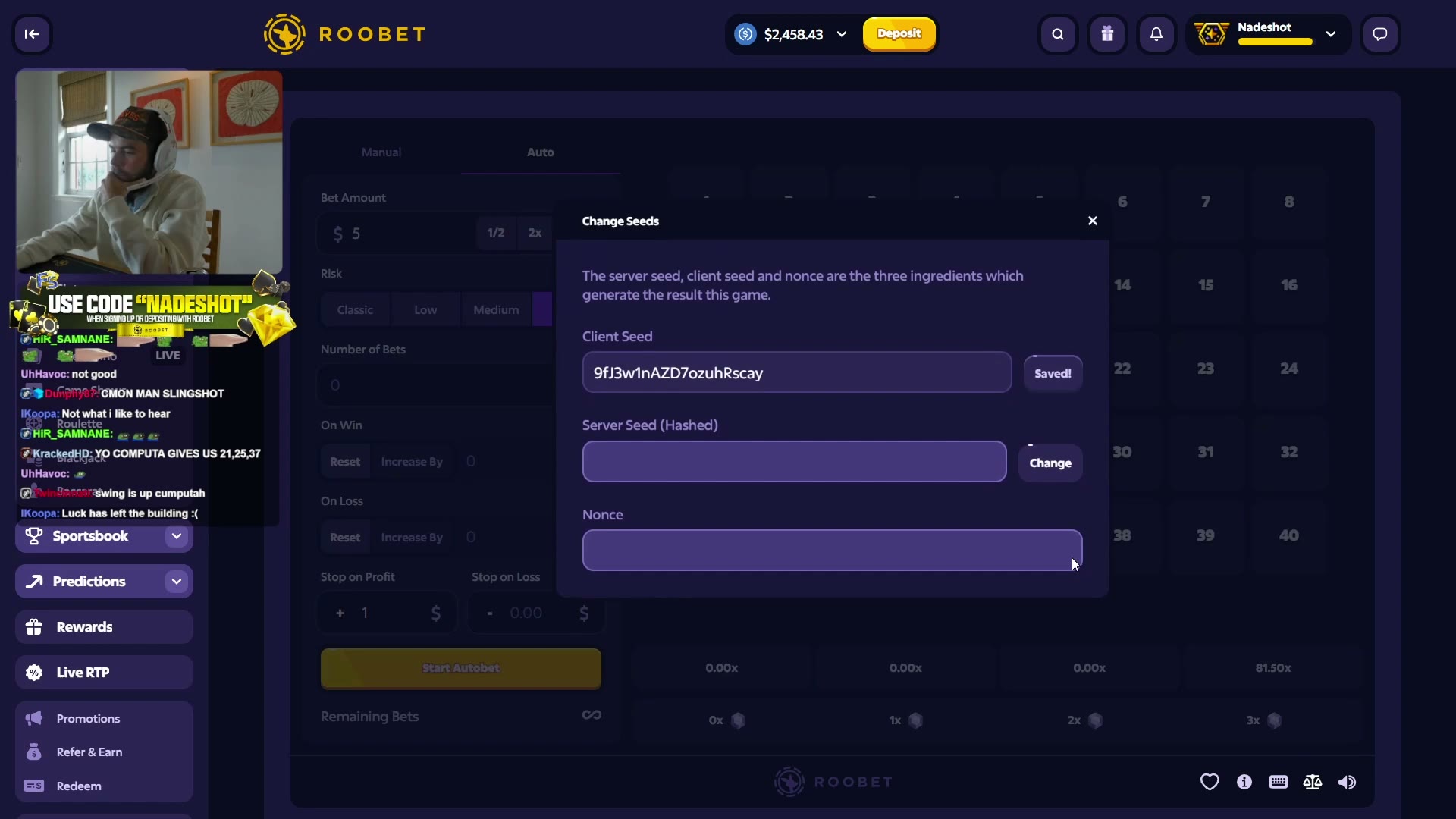
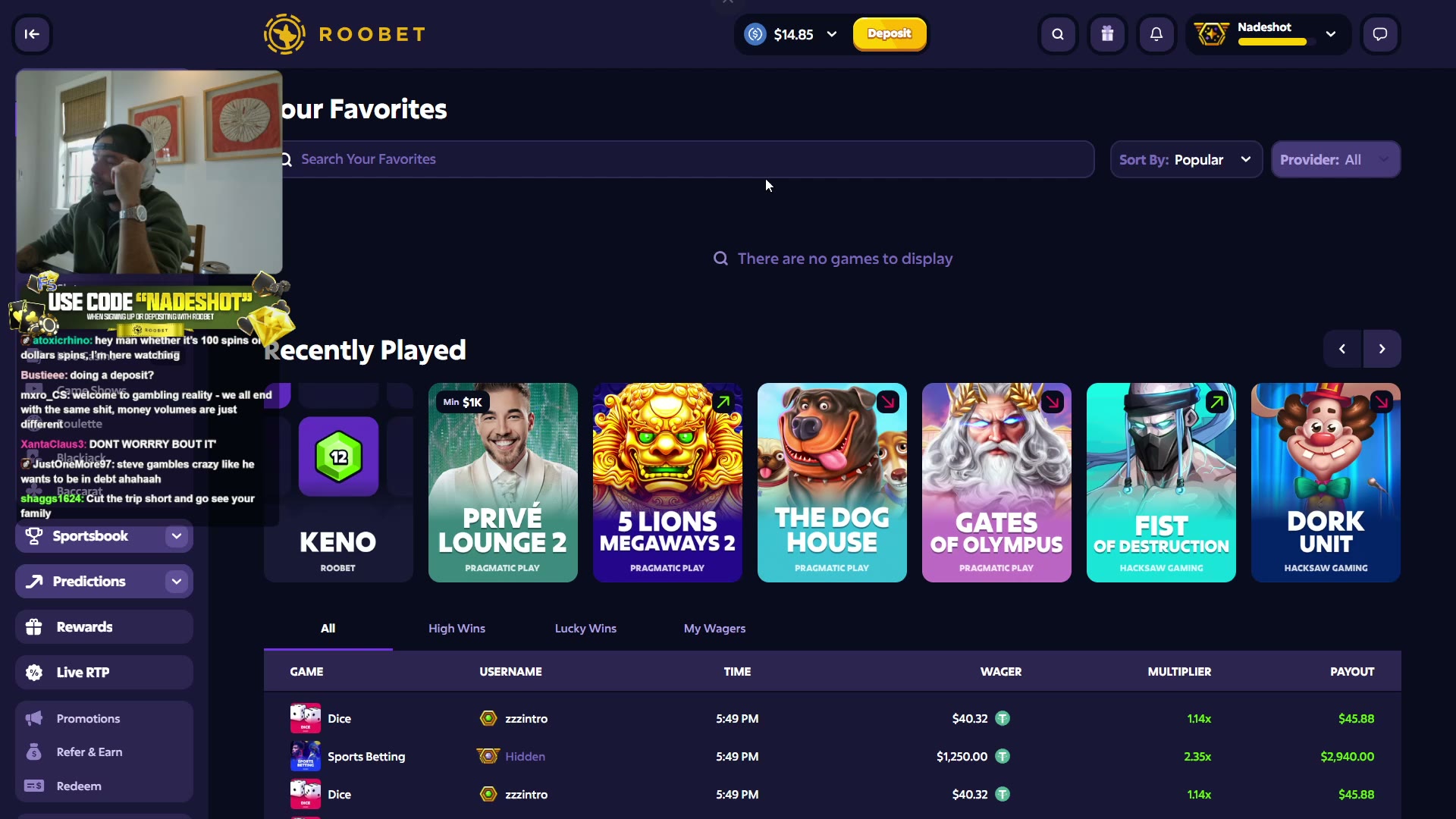
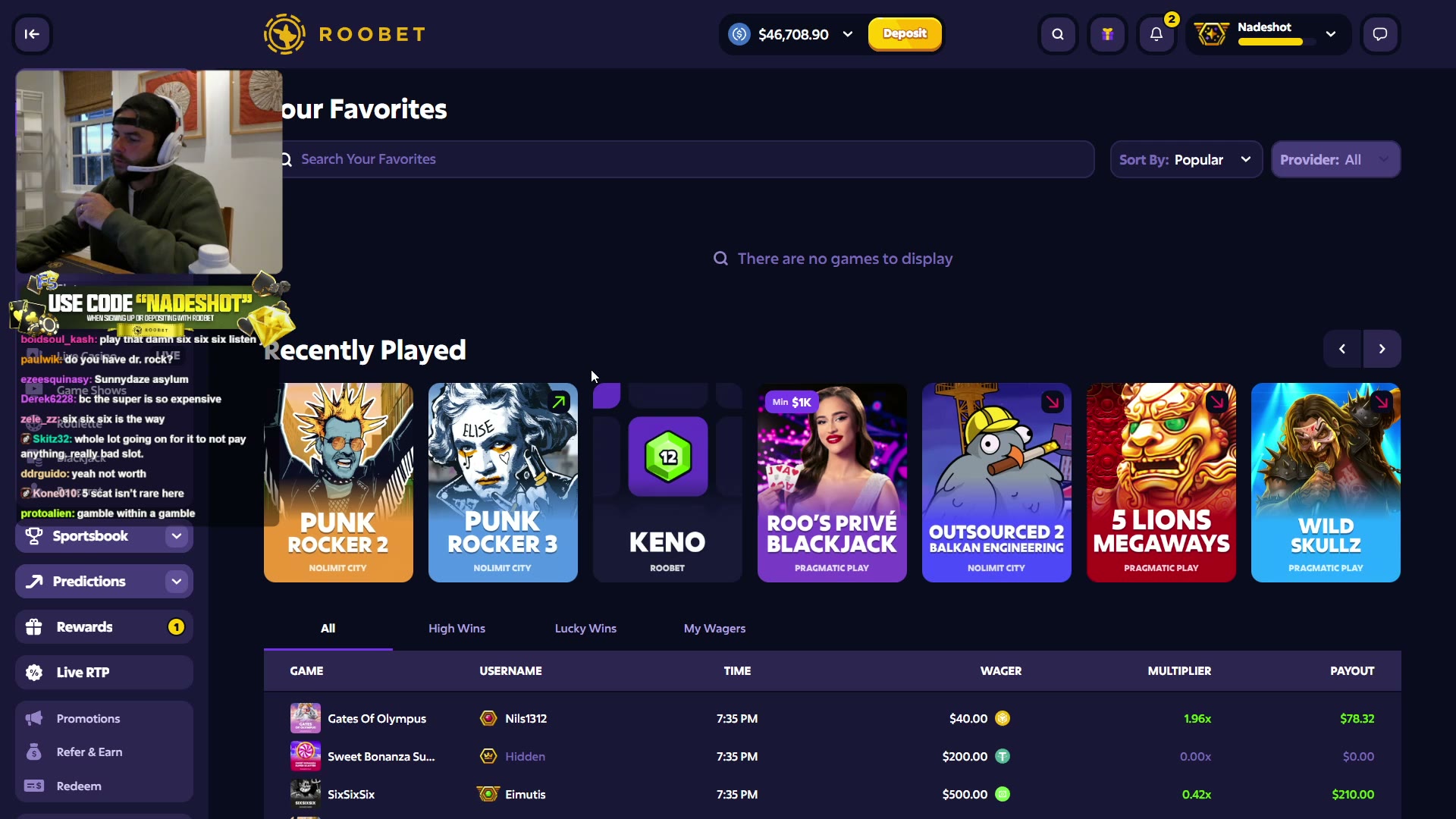
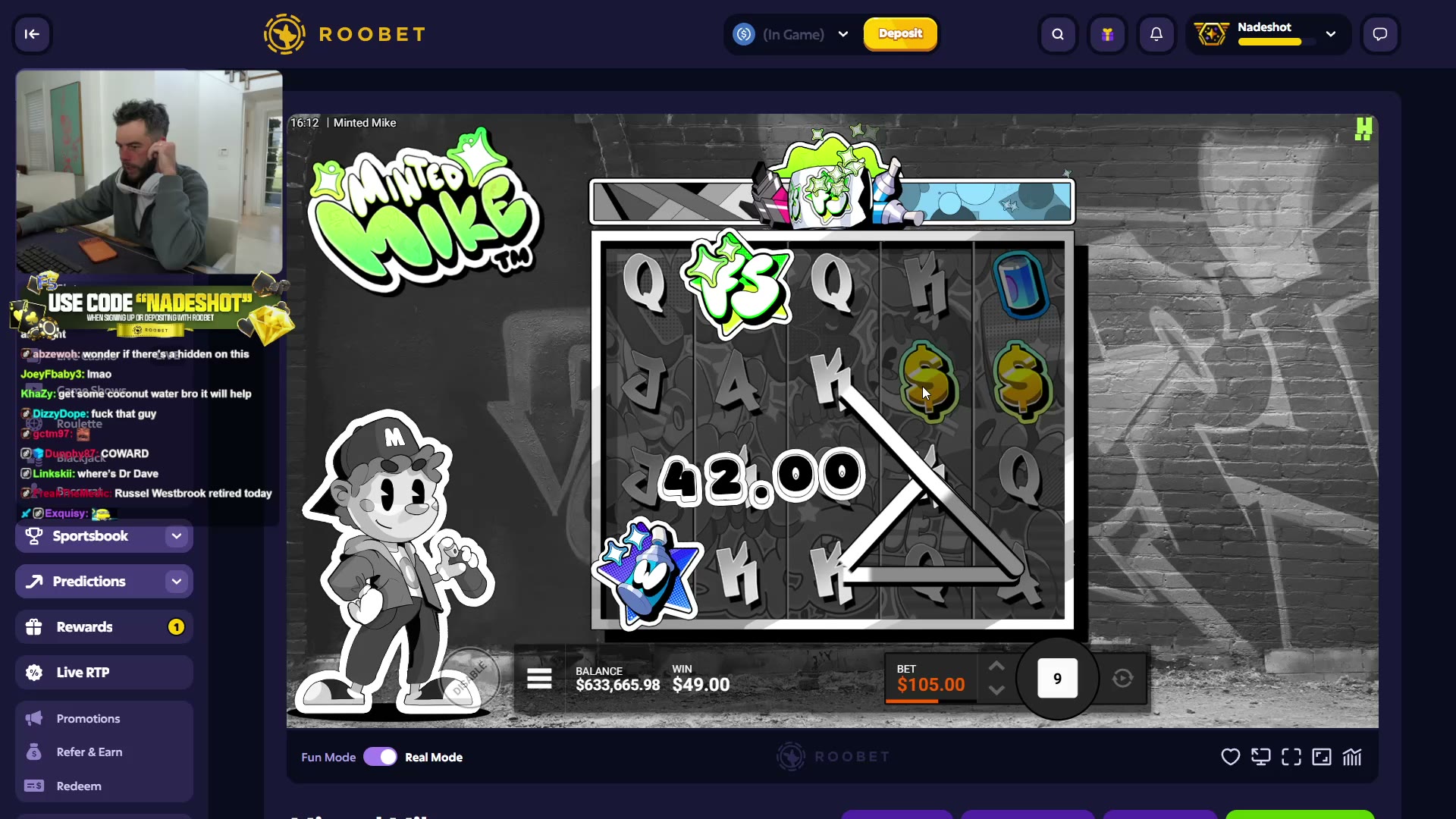
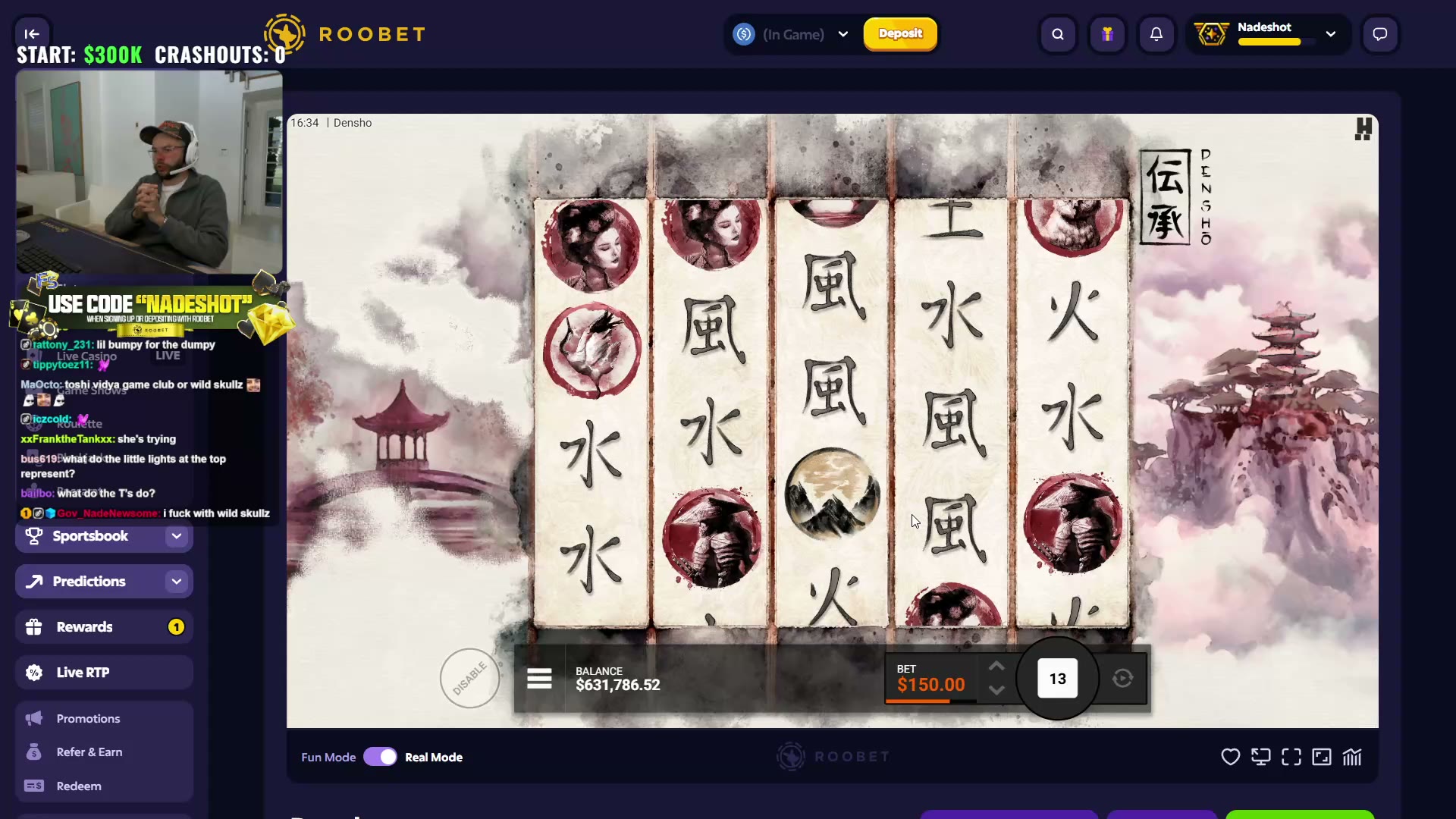
🟢 $50K START 🟢 SEPTEMBER ROOBET TRIP DAY 7/7 🟢 #RoobetPartner
Activity
Past Streams
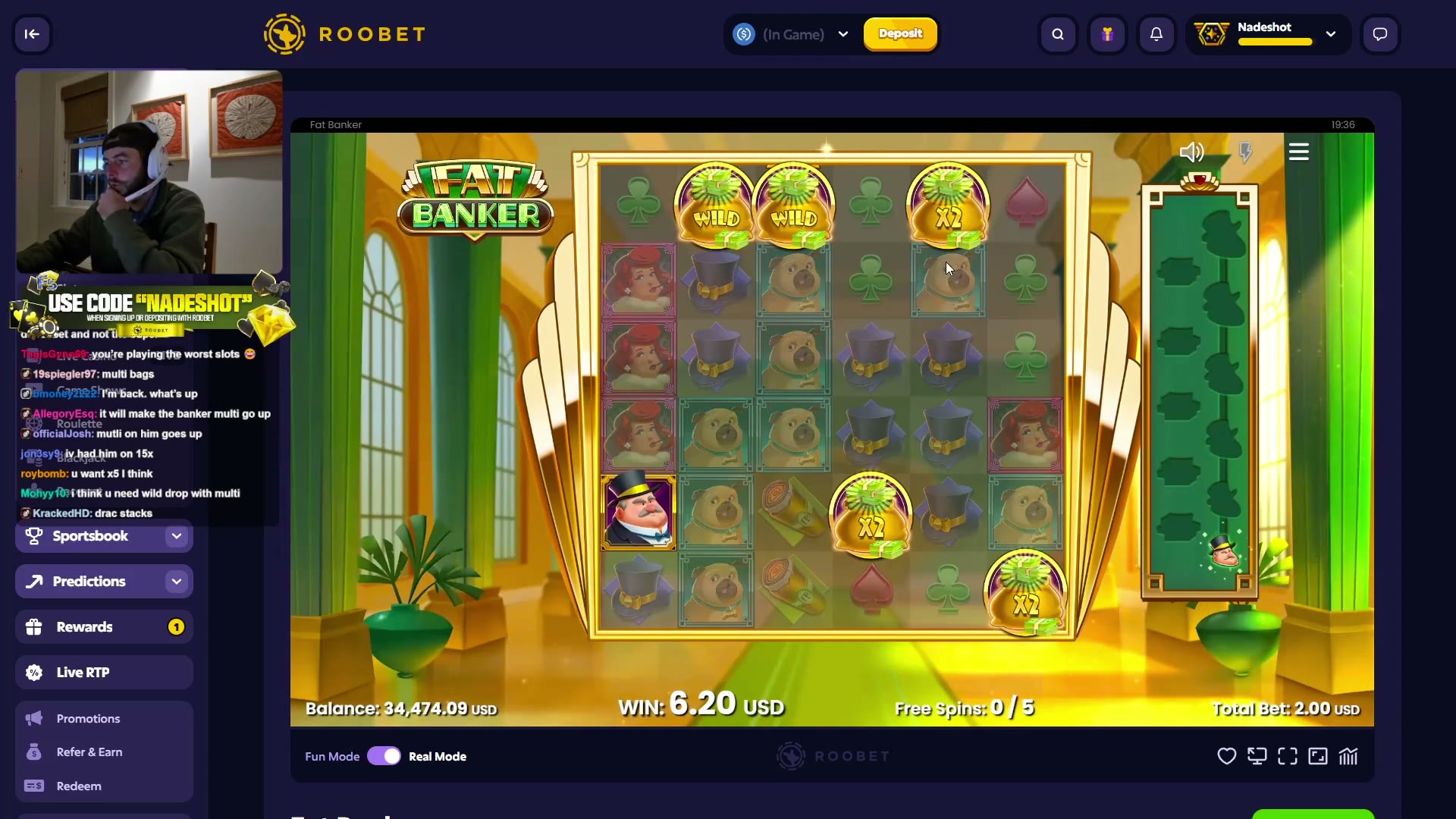
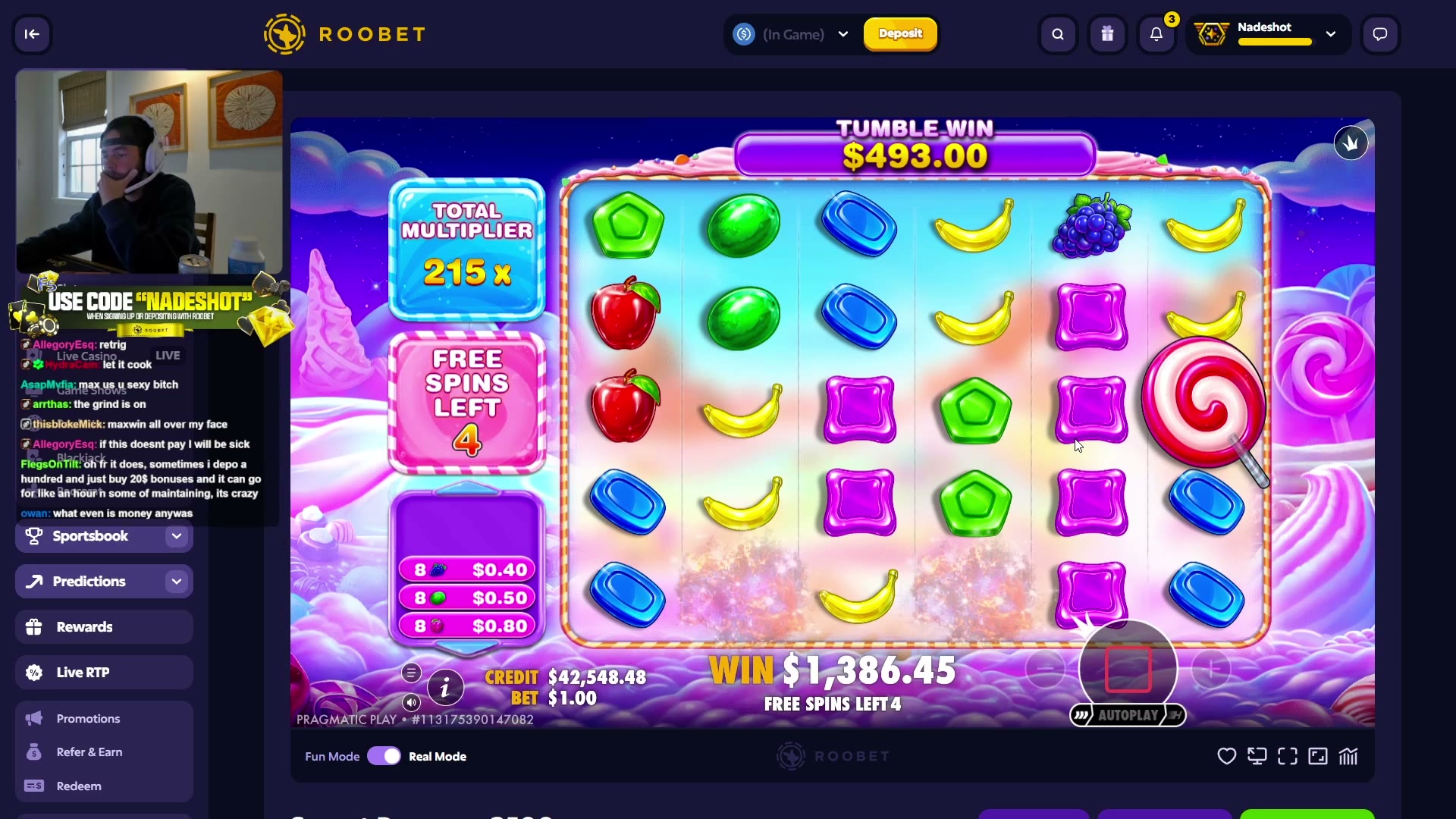
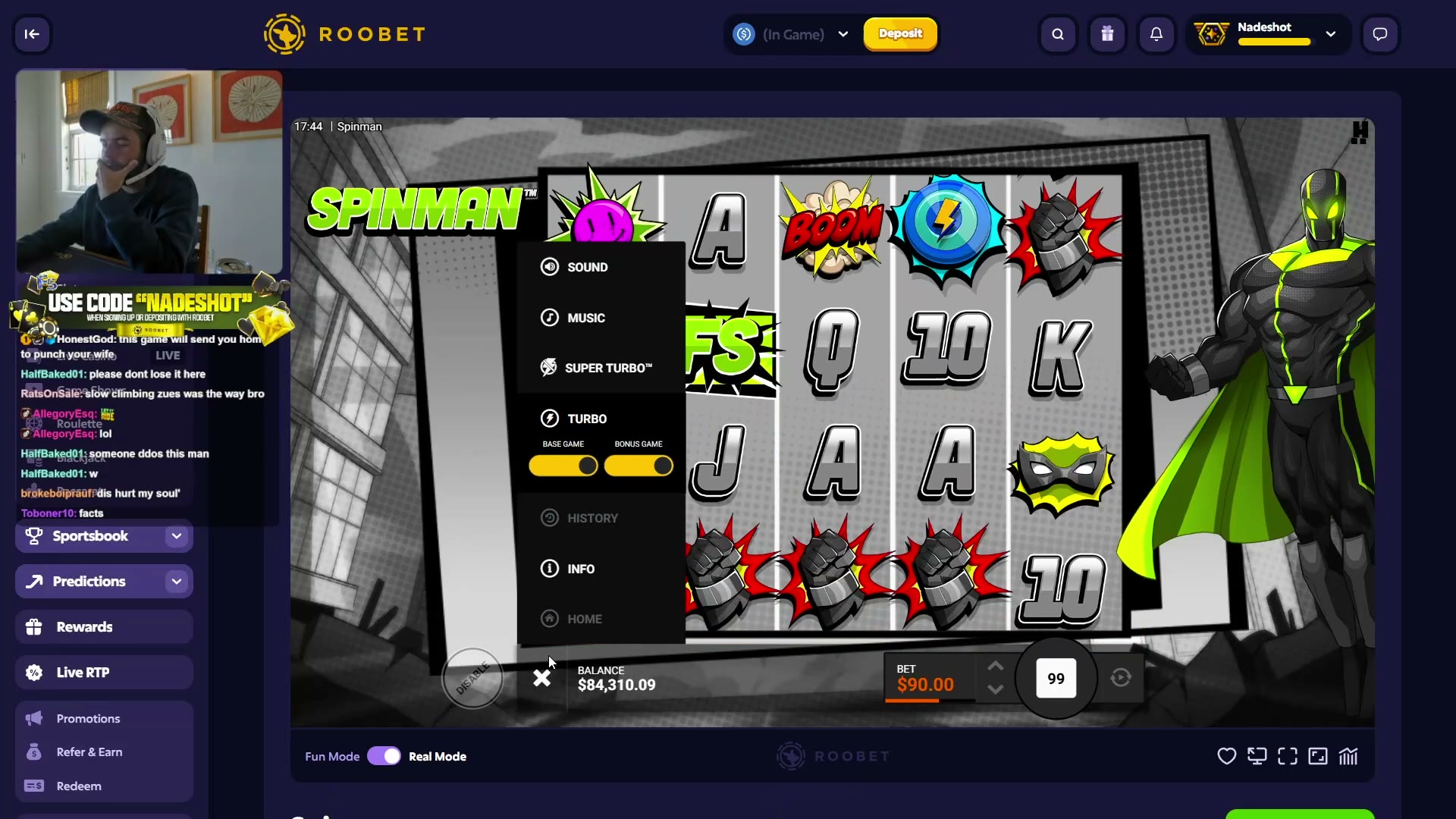
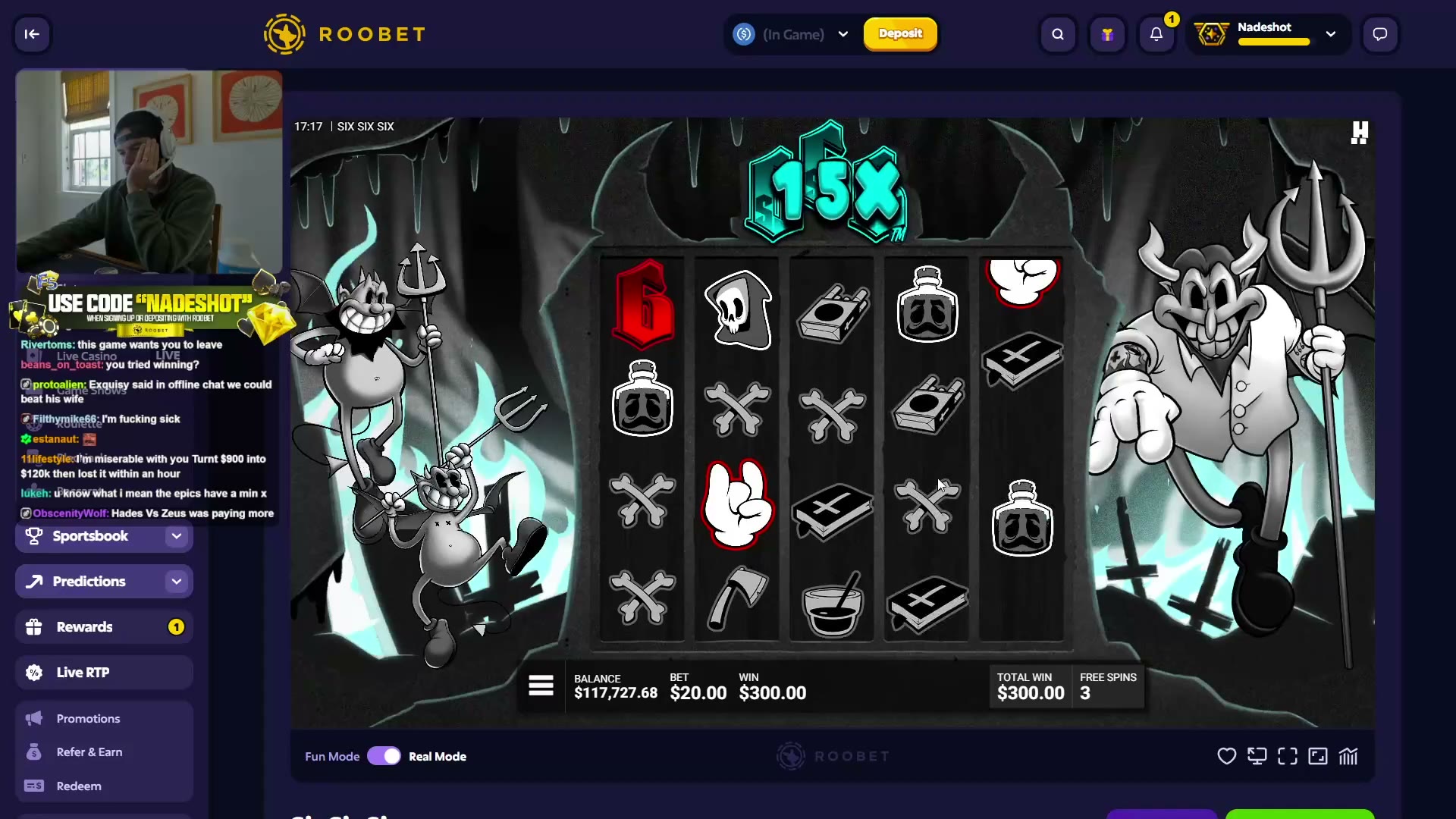
Recent News for nadeshot
Nadeshot Gambling: What’s Verified About the Roobet Deal and Backlash
Matthew “Nadeshot” Haag is tied to the current nadeshot gambling discussion because of a reported sponsorship or collaboration involving Roobet. Roobet is described in the supplied sources as a crypto casino, also framed as a cryptocurrency-based online casino. That is the hard center of the story: the link being discussed is not a proven claim that Nadeshot personally gambled on-stream, but a reported commercial association with a gambling operator.
The backlash has several lanes, and they should not be mashed together for convenient outrage soup. One lane is fan criticism of the Roobet association itself, particularly because crypto casinos sit in the highest-friction corner of online gambling: fast deposits, token rails, influencer marketing, and a long history of operators preferring vibes over receipts. Another lane is timing. Fans questioned the optics of any gambling-related deal appearing around the same broader period as 100 Thieves layoffs. That criticism is reaction, not proof of financial causation.
There is also separate discussion around CS2 case-opening content. That belongs in its own bucket. Case-opening has gambling-adjacent mechanics and has been debated across esports for years, but it is not the same factual claim as a Roobet sponsorship or collaboration. Treating every clip, sponsor logo, case-opening segment, and angry post as one single allegation makes the story louder and less useful.
What is verified here is narrow but material: Nadeshot entered the gambling conversation because Roobet, a crypto casino / cryptocurrency-based online casino, was reportedly involved in a sponsorship or collaboration. What followed was public backlash from fans, questions about timing in relation to 100 Thieves layoffs, and a separate round of debate over CS2 case-opening. The rest needs receipts, not recycled screenshots and engagement bait.
Who is Nadeshot, and why does his gambling sponsorship matter?
Nadeshot is Matthew Haag, a name that sits well outside the usual corner of anonymous casino-affiliate traffic. A Google result linking to his X account describes him as “Founder 100 Thieves” and “former captain of OpTic Gaming”. That matters because a gambling sponsorship attached to Nadeshot is not just another streamer banner slapped onto a lobby page. It connects online casino marketing to a public esports figure with an established gaming identity.
The current Nadeshot gambling footprint is clear on the receipts. His FairGambling streamer profile shows him as a streamer with Roobet listed as his current casino. The same profile records his language as English, location as USA, affiliate code as nadeshot, affiliate-code benefits as none, and face cam as Yes. In plain English: the funnel is visible, the operator is named, and the code exists — but FairGambling does not show any special user benefit attached to that code.
The recent stream metadata is just as direct. FairGambling shows stream titles including “ROOBET TRIP” and the tag “#RoobetPartner” on the same Nadeshot profile. That tag is the part readers should not sleepwalk past. “Partner” is not neutral wallpaper; it signals a commercial relationship being presented inside entertainment content, where the line between watching, playing, and clicking can get conveniently blurry.
FairGambling also shows no recent news for nadeshot. That absence does not erase the sponsorship footprint already visible on the profile. It simply means there is no fresh news item attached there at the time reflected by the page.
So the relevance is straightforward: nadeshot gambling matters because Matthew Haag is not a faceless referrer. He is publicly tied to esports, listed with Roobet as his current casino, using the affiliate code nadeshot, and appearing in stream data marked #RoobetPartner. The receipts are not dramatic. They rarely are. They are just sitting there, doing their job.
What was the Roobet sponsorship?
The Nadeshot gambling story starts with a straightforward commercial fact: Roobet signed Matthew “Nadeshot” Haag to a sponsorship deal. The Esports Advocate reported on September 5, 2025 that Roobet had signed Nadeshot and described the operator as a “crypto casino company.” The same day, Sportskeeda reported that Nadeshot shared his collaboration with Roobet, describing Roobet as a “cryptocurrency-based online casino.”
That is the verified public shape of the deal. No payment amount, contract length, traffic figure, conversion number, or deposit impact was provided in those reports. So the clean version is this: a high-profile gaming founder and creator publicly partnered with a crypto casino, and the receipts available so far identify the sponsor and the category, not the economics behind the handshake. The rest is noise in a very expensive hoodie.
Roobet itself was founded in 2018 and is licensed in Curacao. Its compliance section lists Raw Entertainment B.V. as the company. The platform supports 11 chains and 11 coins, offers 6,485+ total games from 70+ providers, and carries an average house RTP of 97%. Its average sports edge is 6.45%, estimated rakeback is 13.91%, estimated NGR is $400M, and its overall FairGambling rating is 74.3/100.
On the payout side, Roobet has a $10 minimum withdrawal for all withdrawals, charges blockchain fees for withdrawals, offers instant payouts, and lists no withdrawal limit. Its responsible gambling section includes access to stats, self-exclusion, and gambling limits. The Roobet review covers the licensing, payout rules, and transparency details behind those numbers.
The sponsorship, then, was not just another creator-brand deal in the abstract. It attached Nadeshot’s name to a Curacao-licensed crypto casino with measurable game volume, crypto rails, stated responsible gambling tools, and a sizable estimated NGR. Whether fans liked that pairing is a separate question; what the public record shows is the operator, the creator, and the casino category sitting in the same room with the lights on.
Why did fans criticize Nadeshot’s Roobet deal?
The criticism around the Nadeshot gambling sponsorship was not hard to decode. Fans were reacting to a trusted gaming personality attaching his name and audience to a casino product. Sportskeeda reported the backlash, framing it around fans criticizing Nadeshot for taking a gambling platform sponsorship, with the quoted reaction “he sold his soul” doing most of the emotional heavy lifting.
That reaction matters because streamer gambling deals do not land like ordinary banner ads. A casino sponsorship placed inside a stream borrows credibility from the person on camera. Viewers are not just seeing Roobet; they are seeing Roobet through Nadeshot, a figure many fans already follow for gaming, esports, and personality-driven content. That is the uncomfortable bit operators tend not to put in the deck.
The Reddit discussion around the deal also shows the split in how fans processed it. A thread surfaced under the title “Nadeshot is doing a sponsored gambling stream on Kick ...”, and the search result text described his streaming as “separate income” while arguing that a sponsored stream would “create revenue anyways.” That is useful as a snapshot of fan debate, not as proof of the contract, payment structure, or commercial terms. Reddit is a thermometer, not a filing.
The core issue is exposure. Gambling sponsorships can put casino products in front of audiences through personalities who built trust in non-casino spaces first. That is why the Nadeshot gambling debate became more than a complaint about one sponsored stream. It touched the larger problem with creator-led casino marketing: the product is regulated, the pitch is entertainment, and the delivery mechanism is parasocial familiarity. Clean little machine, if you do not look too closely.
How did 100 Thieves layoffs become part of the backlash?
The 100 Thieves layoffs became part of the Nadeshot gambling backlash because the Roobet casino deal did not land in a vacuum. It arrived alongside job cuts at the esports organization Nadeshot co-founded, giving critics an easy, ugly frame: staff were losing jobs while the public face of the company was promoting an online casino.
That frame spread because timing matters in gambling sponsorships. A creator taking casino money is already going to draw scrutiny, especially when the audience overlaps with esports and gaming culture. When that announcement appears close to layoffs, the conversation shifts from “should Nadeshot promote Roobet?” to “what does this say about priorities at 100 Thieves?” That is how the backlash picked up a second engine.
The verified point is narrower than the internet’s loudest version. An esports.gg report on Nadeshot’s Roobet sponsorship and the 100 Thieves layoffs says Nadeshot addressed the backlash over the casino deal coinciding with layoffs and said the timing was unintentional. That is the receipt available here: the overlap happened, he responded, and he denied that the timing was deliberate.
What is not proven is intent. There is a difference between bad optics and a plotted message. The available sourcing supports the timing issue and the response to it, not a finding that Nadeshot or 100 Thieves intentionally paired a gambling promotion with layoffs for some calculated reason. The market can judge the optics without pretending to have access to the group chat.
For readers tracking “nadeshot gambling,” this distinction matters. The controversy was not only about Roobet. It was about Roobet arriving at a moment when 100 Thieves’ employment decisions were already under public attention. In gambling, as on-chain sleuths learn early, sequence is evidence of sequence — not motive. The backlash came from the collision. The intent remains unproven.
What did Nadeshot say about the controversy?
The clearest supplied record of Nadeshot’s own words is not a full interview transcript, a contract disclosure, or a clean primary-source statement. It is a TikTok result titled “twitch - Nadeshot Discusses Gambling Deal Controversy”, which quotes him saying: “You gonna pay me more than LeBron? Brother, I would be lighting up cash on fire gambling crypto. I would sell ...”
That is the quote on the table. Nothing more should be smuggled in.
The excerpt matters because it puts Nadeshot gambling talk in his own voice, at least partially: he appears to be discussing the scale of a gambling-related deal by comparing the money to LeBron-level pay, then uses the image of “lighting up cash on fire gambling crypto.” It is blunt, colorful, and very internet. It is also incomplete. The result cuts off at “I would sell ...”, which means the clip does not provide the full sentence, the full context, or the surrounding explanation.
That distinction is not cosmetic. A partial clip can show tone, phrasing, and a fragment of the point being made. It cannot, by itself, establish the full argument, the exact offer being discussed, the contractual terms, or whether the comment was literal, sarcastic, hypothetical, or part of a longer clarification. Anyone pretending otherwise is doing PR in one direction or outrage farming in the other.
So the sober read is this: Nadeshot was quoted reacting to a gambling-deal controversy with a line that tied massive compensation to crypto gambling, using an intentionally extreme image of burning cash. The available excerpt is enough to show why the clip traveled. It is not enough to close the file.
For a controversy built around gambling money, that missing context matters. The numbers, counterparties, obligations, and disclosures are the receipts. A clipped quote is a flare. It tells you where to look, not what the whole ledger says.
Is Nadeshot’s CS2 case spending part of the same gambling story?
It belongs in the broader nadeshot gambling conversation, but it should not be laundered into something it does not prove. A Google News result from Dust2.us says “100 Thieves’ Nadeshot has spent more than $40K opening CS2 cases”. That is a material figure, and it is fair to treat CS2 case openings as gambling-adjacent. The format sits near the same psychological neighborhood: money goes in, uncertainty comes out, and the content is often packaged for spectators.
But adjacent is not identical. The reported CS2 case spending does not establish a direct link to the Roobet sponsorship, any contract terms, or separate gambling activity. It is evidence of high spending on case openings, not evidence that a betting sponsor paid for it, directed it, required it, reimbursed it, or used it as a campaign mechanic. Those are different claims, and the receipts are different too.
That distinction matters because gambling discourse around creators often gets flattened into one big fog machine. A sponsorship, a paid casino stream, a skin-opening session, and a personal purchase can all sit under the same cultural umbrella without becoming the same transaction. The burden is on the evidence, not on the loudest interpretation of a thumbnail.
So the clean read is this: Nadeshot’s reported $40K-plus CS2 case spending is relevant context for readers assessing his relationship with gambling-adjacent content. It shows comfort with a chance-based digital spending format that sits close enough to gambling to deserve scrutiny. It does not, on its own, prove anything about Roobet, sponsorship obligations, hidden consideration, or off-platform betting behavior.
The line is not flattering, but it is clear. Case openings can be part of the gambling-adjacent picture. They are not a substitute for proof of gambling sponsorship mechanics. Receipts first; vibes can wait outside.
Who else is associated with Roobet?
Nadeshot’s Roobet deal does not sit in isolation. The broader partnership context matters because it shows how Roobet positions gambling promotions alongside mainstream entertainment, sport, and esports audiences. An esports.gg news report on Nadeshot and Roobet places him among Roobet partners that include Snoop Dogg and Chelsea FC.
That is the relevant comparison point for readers tracking nadeshot gambling coverage: not that every partnership is identical, or that the commercial terms match, but that Roobet has used recognizable names and institutions to push its brand into audiences far beyond a traditional casino customer base. Snoop Dogg brings celebrity reach. Chelsea FC brings football credibility and global club visibility. Nadeshot brings esports-native influence, gaming culture, and a younger digital audience that already follows creators across streaming, YouTube, and social platforms.
The distinction matters. A sponsorship roster is not proof of operator quality, player safety, payout reliability, or regulatory cleanliness. It is proof of marketing reach. Operators love borrowed trust; that is the oldest trick in the book, with better graphics. A famous partner can make a gambling brand feel normal, familiar, even culturally approved. None of that tells you what happens when a user deposits, loses, withdraws, hits limits, or needs support.
So when Nadeshot appears in the same Roobet partnership orbit as names like Snoop Dogg and Chelsea FC, the useful takeaway is scope. Roobet is not treating creator gambling as a small side channel. It is part of a wider brand strategy built around recognizable public figures and properties. The receipt is the association; the unanswered questions sit elsewhere — in the actual product, the licensing position, the money flows, and the user experience behind the sponsor reel.
What is verified — and what is not?
For anyone searching “nadeshot gambling,” the verified record starts with who is involved. A Google result linking Nadeshot’s X account identifies him as “Founder 100 Thieves” and “former captain of OpTic Gaming.” The gambling link comes from the Roobet deal: The Esports Advocate reported on Sept. 5, 2025 that Roobet signed Nadeshot to a sponsorship deal, while Sportskeeda reported the same day that he shared a collaboration with Roobet. Both described Roobet as a crypto casino or cryptocurrency-based online casino.
The backlash is also documented, not imagined. Sportskeeda covered fan criticism of the deal, and the social discussion was visible in Reddit results. esports.gg reported that the deal coincided with 100 Thieves layoffs, and also reported Nadeshot’s position that the timing was unintentional. Separately, Dust2.us reported that Nadeshot spent more than $40K opening CS2 cases. That is gambling-adjacent behavior with a receipt attached, not a number pulled from a streamer clip farm.
What is not verified matters just as much. There is no provided evidence for the exact Roobet contract value, the exact revenue generated by the sponsorship, on-chain Roobet deposit volume tied to Nadeshot, Nadeshot’s personal casino losses or winnings, or any legal violation. So those claims stay off the ledger. The internet can cosplay as discovery; it is not discovery.
Roobet’s compliance section lists Raw Entertainment B.V. as the company. The page says “Provably Fair,” includes “Roll Result,” and displays “0255075100.” It also says, “See Full Transparency for Any Casino,” and “On-chain analytics, deposit tracking, and provably fair verification — all in one place,” while saying it brings “trust and transparency to iGaming.” The page lists “Provably Fair” under Tools, and FairGambling’s provably fair verification exists for checking those mechanics rather than admiring the label.
License checks need the same cold treatment. A real crypto casino license seal should open a certificate on the regulator’s own website showing the operator’s company name, license number, and active status. A static or image-only seal, or a certificate hosted on the casino’s own domain, is a warning sign. The company name on the certificate should match the company named in the casino’s terms and conditions; a mismatch indicates a borrowed license.
If a casino has no seal, search the regulator’s public register directly. Not being in the register means the casino is not licensed. Curaçao changed completely in December 2024, and old master-license certificates are being phased out, so stale badges deserve extra suspicion. Fake regulator lookup sites exist too, so check the register’s own web address; the clean step-by-step version is covered in FairGambling’s guide on how to verify a crypto casino license.
Bottom line: what “Nadeshot gambling” actually refers to
“Nadeshot gambling” is not, on the supplied record, a proven dossier of personal gambling losses, secret deposits, legal trouble, or some magical nine-figure casino bag hiding under the floorboards. It mainly refers to the reported Roobet sponsorship or collaboration involving Nadeshot, and the backlash that followed because Roobet sits in the online casino category. That distinction matters. A gambling sponsor is not the same thing as documented personal gambling activity, and a loud timeline is not the same thing as a ledger.
The strongest facts are narrower, and less convenient for anyone trying to turn this into either a hit piece or a victory lap. The documented center of gravity is the sponsorship reporting, Roobet’s casino positioning, fan criticism around the association, the timing issue created by layoffs, and separate coverage of CS2 case spending. Those are the parts with enough public footing to discuss without cosplay forensics.
The fan criticism is also not hard to understand. Esports audiences have watched gambling money move from background noise to front-of-shirt energy across creators, teams, and broadcasts. When a high-profile figure connects with a casino brand, especially around the same general period as layoffs, people are going to ask whether the optics are rotten. They do not need a subpoena to dislike the smell.
But the weaker claims should be treated like weak claims. Contract value is not established by the facts provided. Deposit volumes are not established. Gambling losses are not established. Legal issues are not established. If someone is presenting those as facts without receipts, they are selling confidence, not evidence.
The CS2 case-spending angle belongs in the conversation, but it should not be mashed into a single blob with Roobet unless the evidence connects it directly. Case spending and casino sponsorship both sit inside the broader gambling-adjacent economy that esports keeps pretending is somehow surprising each time it appears. Still, category overlap is not proof of every allegation.
So the clean read is this: “nadeshot gambling” refers primarily to a reported gambling-brand sponsorship controversy, amplified by fan backlash, layoffs timing, and wider concern over gambling-adjacent content in esports. Anything beyond that needs receipts. The casino doesn’t get the benefit of the doubt, but neither does the rumor mill.
FAQ
Did Nadeshot sign a gambling sponsorship?
Yes. The Esports Advocate reported on September 5, 2025, that Roobet signed Nadeshot to a sponsorship deal and described Roobet as a “crypto casino company.” Sportskeeda also reported that Nadeshot shared a collaboration with Roobet, describing the operator as a “cryptocurrency-based online casino.” That is the core of the nadeshot gambling story: a creator sponsorship tied to an online casino, not a generic brand deal with a hoodie company.
What is Roobet in the Nadeshot controversy?
Roobet is the company connected to Nadeshot’s reported sponsorship. The labels matter here. “Crypto casino company” and “cryptocurrency-based online casino” put the deal squarely inside gambling territory, which is why the reaction was sharper than the usual creator-ad read. Casino money tends to arrive with a few extra shadows attached.
Why were fans upset about Nadeshot and Roobet?
Sportskeeda reported fan criticism after Nadeshot took the gambling platform sponsorship. A Reddit search result also shows the 100 Thieves community debating a sponsored gambling stream. The concern was not complicated: influence, audience trust, and gambling-harm risk. When a major esports figure promotes a casino product, fans are allowed to ask who pays, who plays, and who gets left holding the bag.
Did the Nadeshot Roobet deal happen during 100 Thieves layoffs?
An esports.gg news result says Nadeshot addressed backlash over his Roobet casino deal coinciding with 100 Thieves layoffs. The same result says he called the timing unintentional. The timing is verified; intent is not. That distinction matters, because receipts can show dates more reliably than they can show motives.
Did Nadeshot spend more than $40K on CS2 cases?
A Dust2.us Google News result says “100 Thieves’ Nadeshot has spent more than $40K opening CS2 cases.” That is relevant context for search interest around gambling-adjacent content, but it is not evidence of Roobet contract value, sponsorship terms, or casino wagering activity.
Is the Nadeshot gambling story only about Roobet?
Mostly, but not entirely. Roobet is the main casino sponsorship issue. Separate interest around layoffs timing and CS2 case-opening coverage sits nearby, but those are adjacent threads, not the same claim.
Did Nadeshot respond, and do we know the money?
An esports.gg result says he addressed the Roobet backlash and said the timing with 100 Thieves layoffs was unintentional. A TikTok result quotes a partial clip from “Nadeshot Discusses Gambling Deal Controversy,” but that should not be treated as a full transcript. The supplied facts do not provide Roobet contract value, sponsorship revenue, deposit volume, or conversion data, so there is no defensible estimate to publish.