


Last 30 days

 English
Affiliate Benefits
Aff code benefitsNone
Growth
StakeLifetime Data
2026-09-25
NFL and Feature spins
Activity
Past Streams
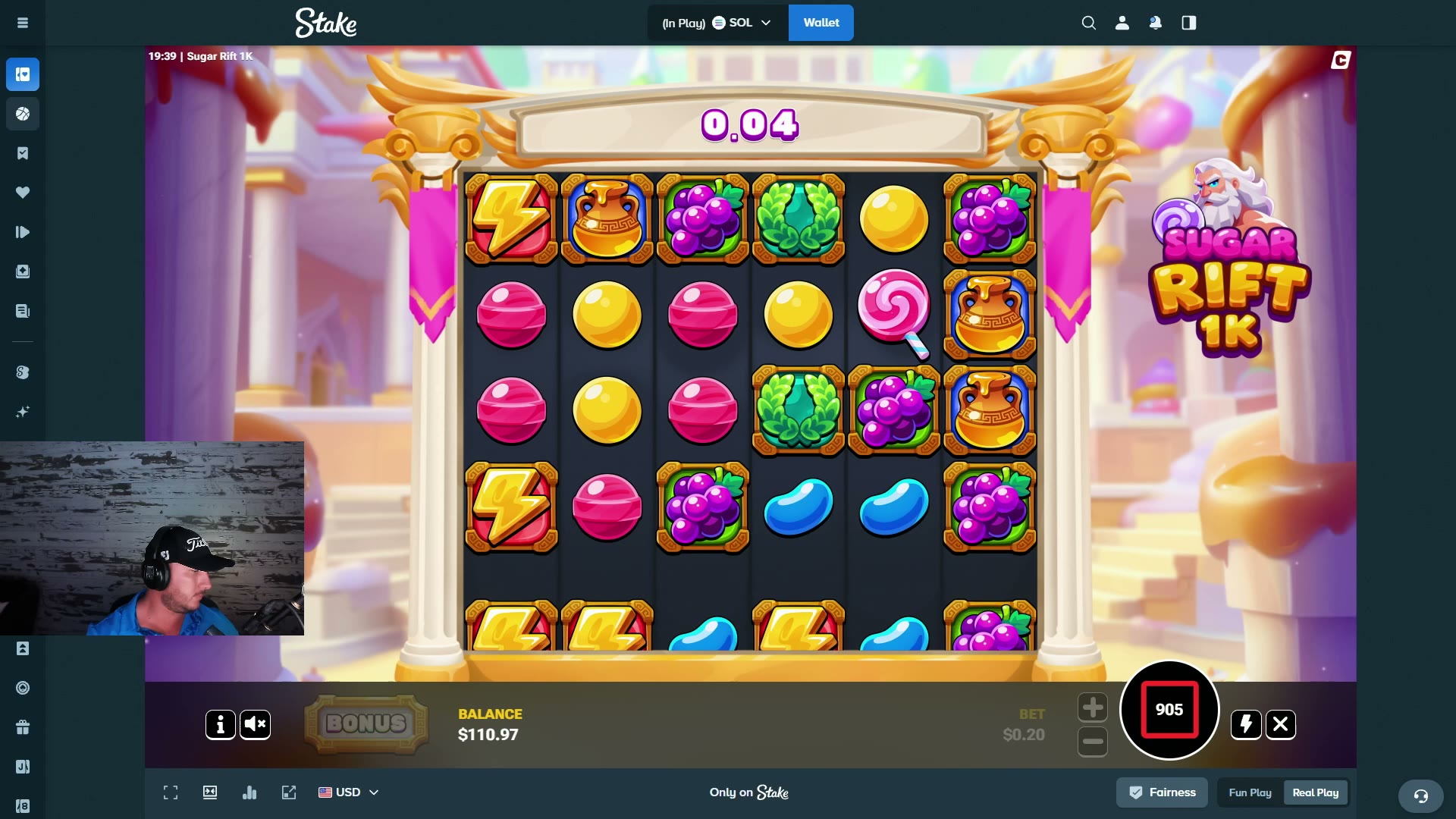
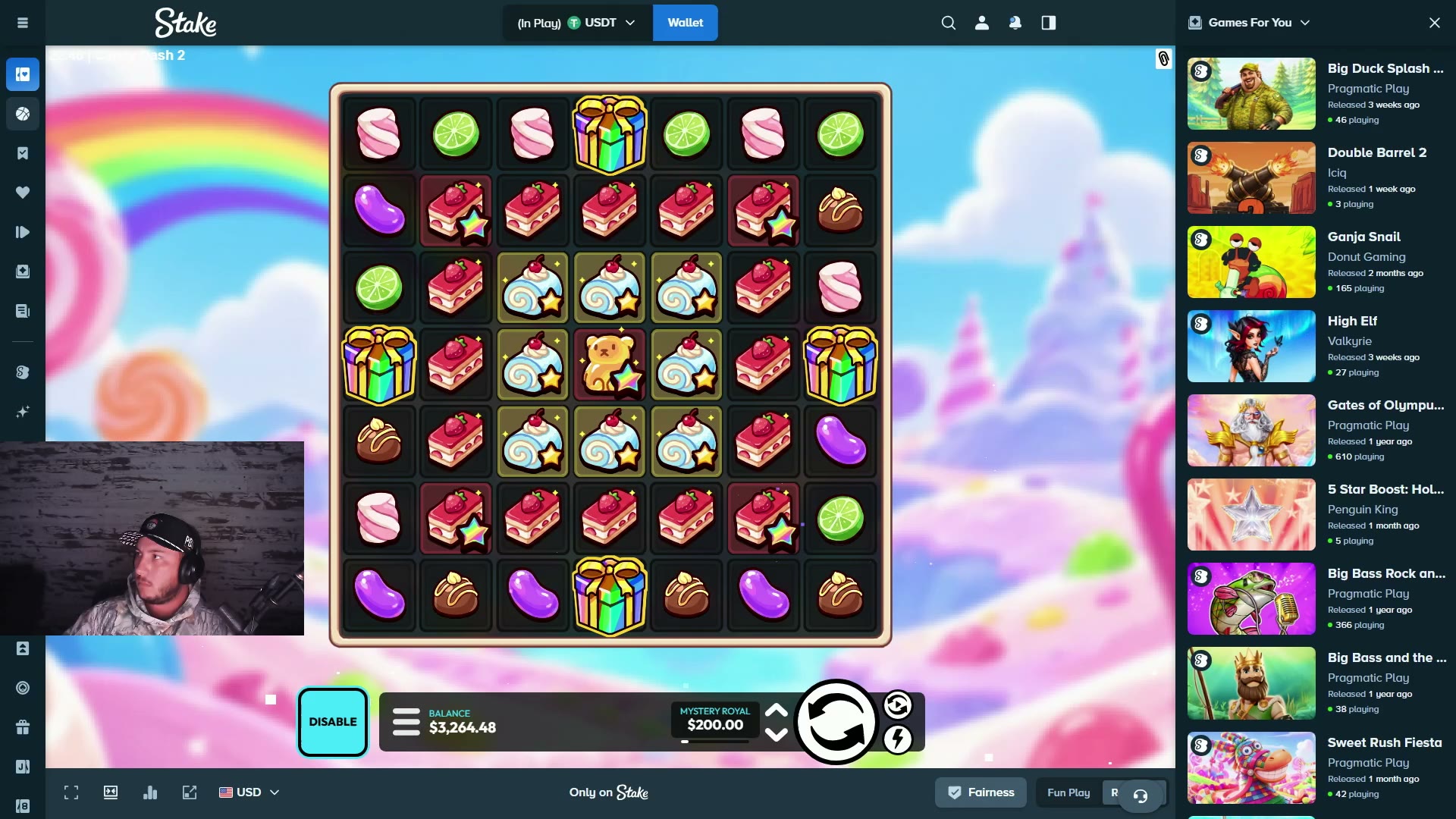
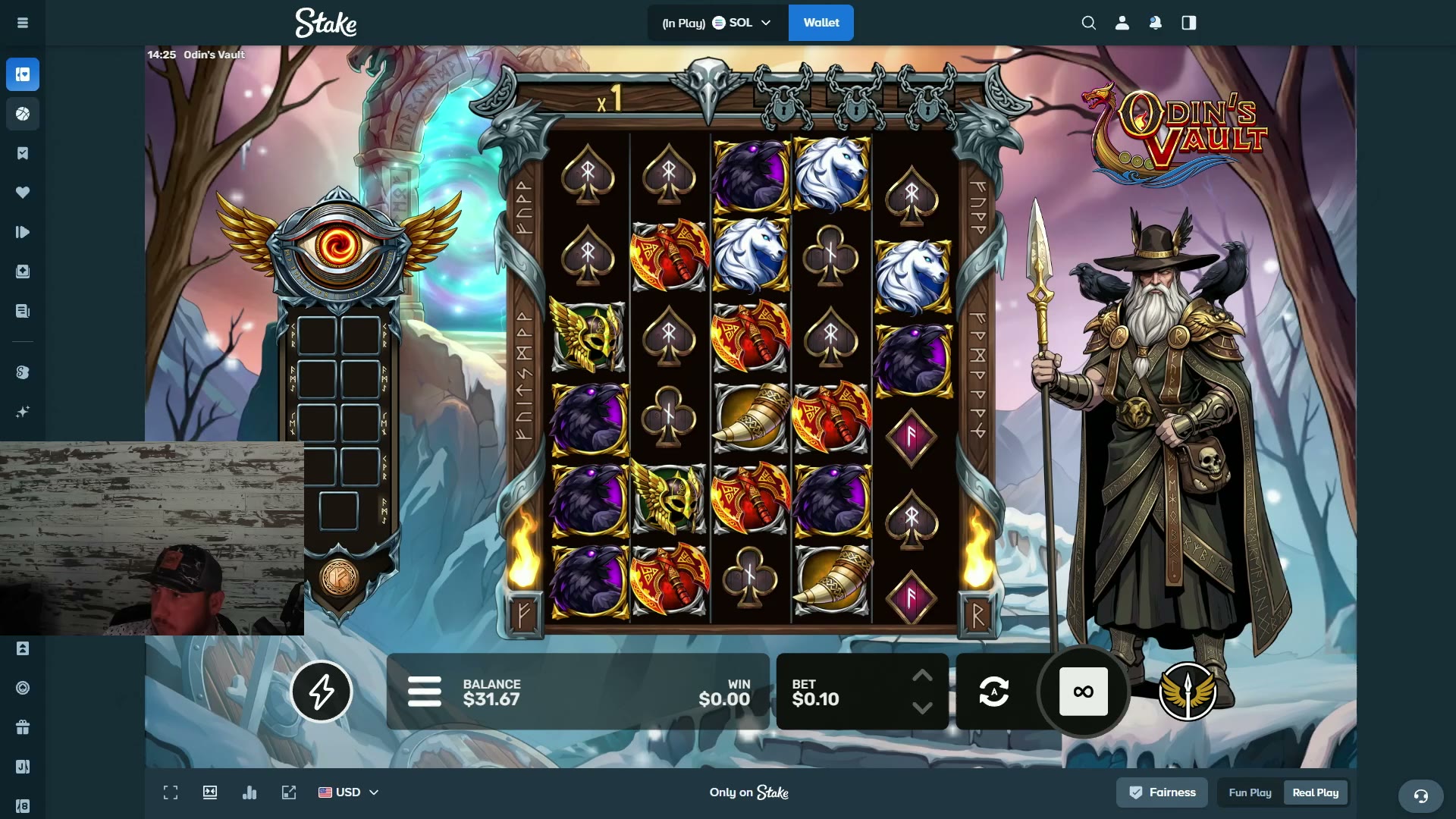
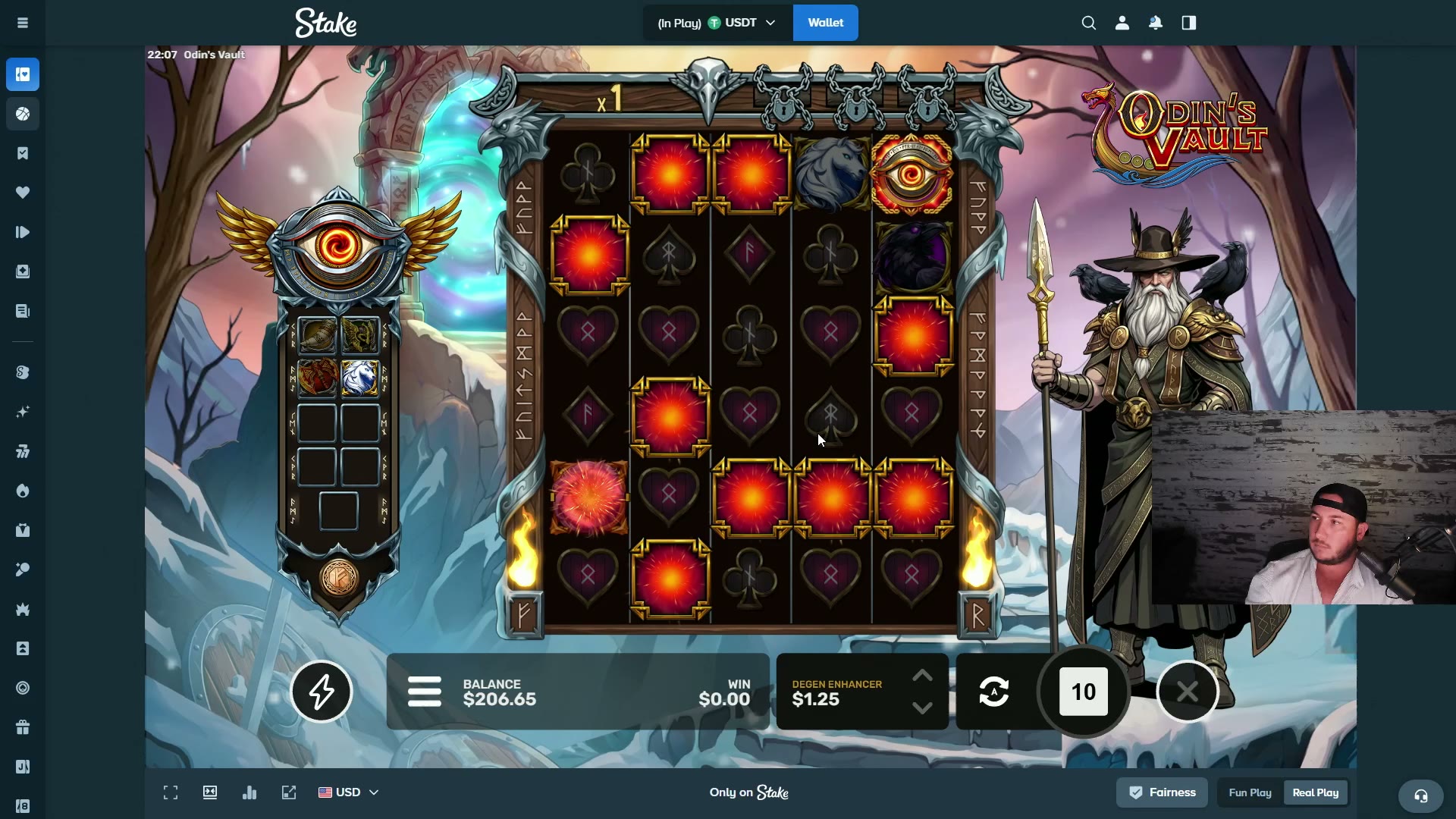
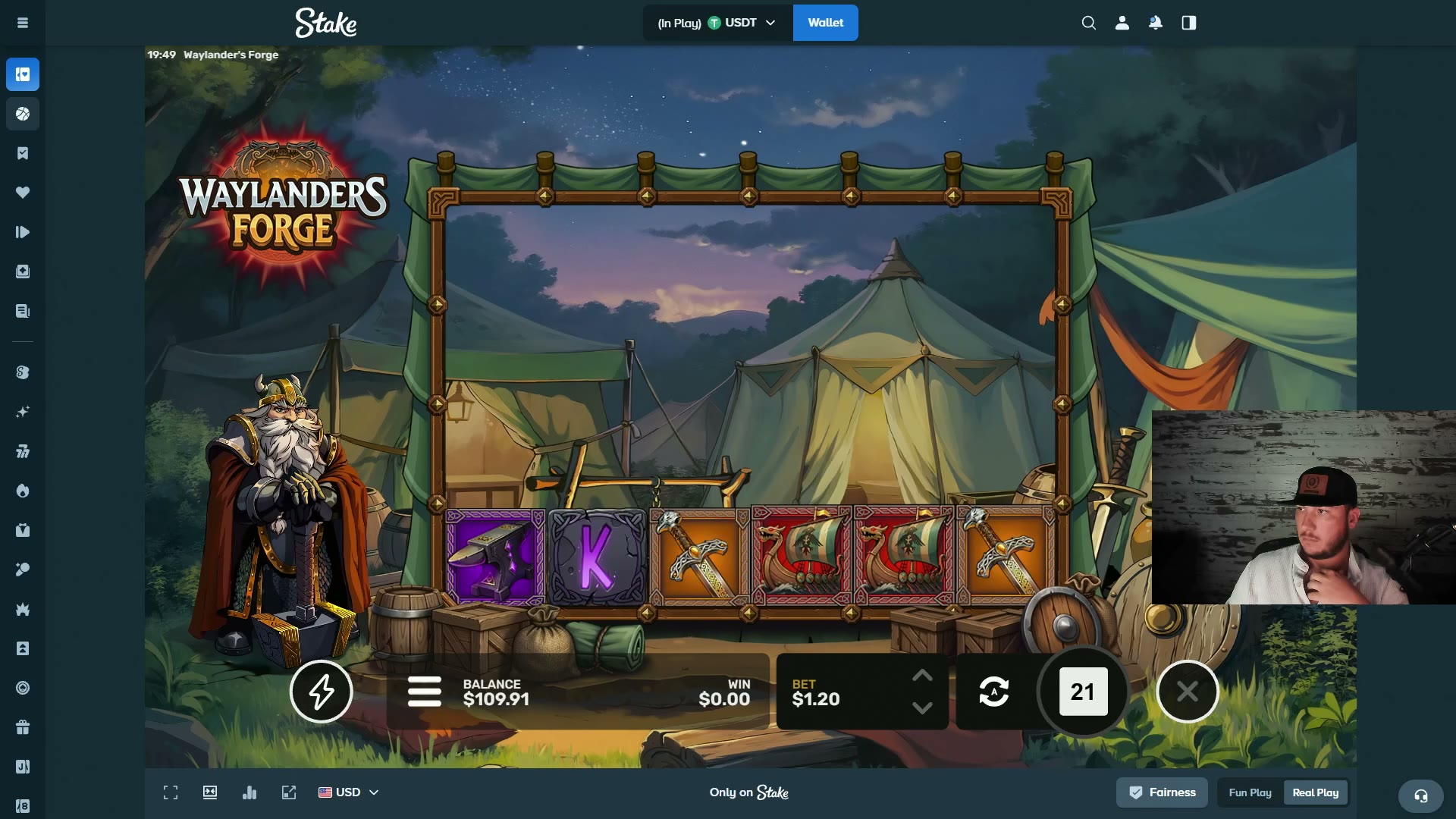
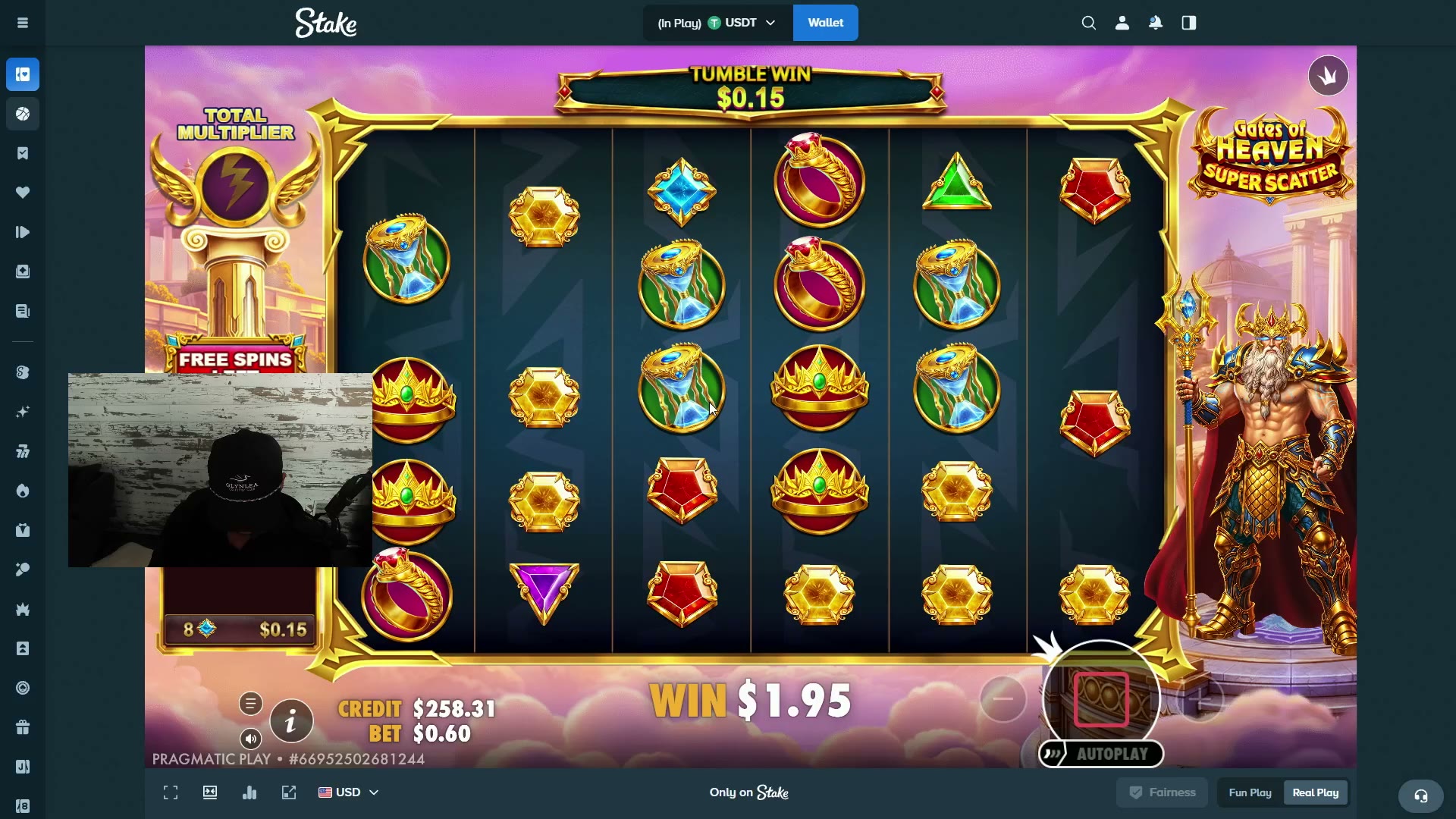
Recent News for motivation
Motivation Gambling Streamer: Why Casino Streams Hook Viewers
Intro
“Motivation gambling streamer” is an ambiguous search. Motivation can mean the psychological force behind action: an internal state propelling goal-directed behavior, “the act or process of giving someone a reason for doing something” per Merriam-Webster, or “the desire to act in service of a goal” per Psychology Today. Penn LPS frames it more bluntly: motivation drives success. In gambling-streaming culture, that force is not academic. It is the engine behind deposits, bonus hunts, affiliate clicks, and the theatre of the big balance.
The verified profile data is narrower: the FairGambling profile for “motivation” identifies a Kick streamer using English, with face cam enabled, streaming Stake as the current casino, and also producing IRL & Gaming content. The affiliate code is “motivation.” Estimated market value is $337K, with an estimated monthly payment of $30K/mo.
The recent numbers are visible, not mystical: over the last 30 days, motivation logged 43.7K hours watched, 1.4K peak viewers, 412 average viewers, 145h 43m airtime, 30 active days, and +3.1K followers. Lifetime figures stand at 29.9K followers, 56.1K peak viewers, 228 average viewers, 1,098h airtime, and 202 active days. The last stream was on 2026-08-15, titled “Feature spins,” with no recent news items listed.
The central rule remains dry and useful: a streamer’s win is entertainment. It is not evidence that a casino is fair, solvent, liquid, or reliable when ordinary players try to withdraw. Big candles look good on camera. Receipts matter more.
What “motivation” means when gambling is the content
A motivation gambling streamer is not just someone pressing spin while a chat scrolls by. The product is a loop: attention turns into suspense, suspense turns into retention, and retention becomes commercially useful. The bet is content, the win is a clip, the loss is pacing, and the audience is invited to feel close enough to the action to keep watching.
For viewers, the motivations are rarely one clean thing. Entertainment is the obvious layer: bright games, fast outcomes, big reactions, and the low-effort thrill of watching someone else take the financial hit. Social belonging sits underneath it. Chat gives viewers a place to cheer, spam emotes, mock bad luck, and feel part of a room that is moving together, even when the “room” is a casino-branded broadcast with a deposit button somewhere nearby.
Curiosity also does work. Viewers watch to see what happens after the next buy, the next bonus, the next reckless-looking decision. Some are chasing similar wins in their own heads: if the streamer can hit it, maybe they can too. That is not proof, of course. It is the old gambler’s mirage wearing a headset.
Giveaways add another incentive. A viewer may tell themselves they are watching for entertainment, while also waiting for a prize draw, bonus code, reload offer, or some other reward tied to staying present. Hype does the rest. The louder the room gets, the easier it becomes to mistake noise for signal.
Streamer motivations are just as important. Gambling content rewards audience growth and retention because the format is built around constant near-events: almost hitting, nearly recovering, one more spin, one more feature. It also produces clips, which can travel far beyond the live stream and recruit fresh viewers into the same loop.
Then come giveaways, sponsorships, and affiliate or casino relationships. These are not side details; they shape the incentives. A streamer may be motivated to keep viewers watching, depositing, clicking, or associating a casino brand with excitement rather than risk. That does not require every streamer to be dishonest. It does require the audience to understand the machinery. When gambling is the content, motivation is not background psychology. It is the business model with better lighting.
Why gambling streams motivate viewers to keep watching
A gambling stream turns a private wager into a public show. The bet is still the bet, but the packaging changes everything: live wins and losses, a loud host, a scrolling chat, rapid-fire rounds, and thousands of viewers reacting at once. That is the core motivation gambling streamer content sells — not just the chance of a win, but the feeling that something is happening with you there.
The format has been sitting in plain sight for years. The Conversation described gambling live streams on Twitch and YouTube Live as broadcasts where viewers watch streamers gamble in real time, with the audience pulled into the rhythm through chat, personality, and spectacle. A slot spin that would be forgettable alone becomes a communal countdown. A loss becomes content. A win becomes proof, or at least proof-shaped noise.
Speed matters. So does social pressure. Gambling Insider’s coverage of Gen Z gambling points to fun, speed, gamification, and social influence as key forces in how younger audiences engage with gambling products. Streams compress those forces into one feed: fast outcomes, visible reactions, status cues, giveaways, loyalty mechanics, and a host who makes the next bet feel like the next episode.
Stake and Kick have pushed that loop further by tying viewing to casino value. Stake said on Aug. 4 that watch time on Kick now earns rewards on its casino after account linking. The flow is simple: go to stake.com/connect, link Kick and Stake, then claim the reward on Stake. The reward is casino credit, not cash. Kick’s own docs say Drops are earned in two-minute increments and claimed from inventory after account linking. Stake also promoted its Kick Drops explainer on X on Dec. 24, 2025; those vouchers are spendable at its casino. The missing receipts are the terms: no public terms yet state whether this replaces, extends, or sits beside Kick Drops, and the thresholds, reward size, and wagering conditions remain unstated.
Celebrity turns the machine louder. Stake’s ninth birthday campaign included a Drake-hosted Kick stream with a giveaway pool topping $1 million, a live $50,000 prize, six-figure slot hits, a $1 million tip from Trainwreck per Stake’s X, more than 2.2 million X views, a 9 p.m. ET Aug. 8 broadcast on Drake’s official Kick channel with about 500,000 followers, a separate StakeEddie giveaway stream, a poker-table promo, Monthly bonus inbox sends, and a $1,000 poster contest. Drake has fronted Stake broadcasts since March 2022.
That is not just entertainment sitting beside gambling. It is gambling dressed as a social event, with rewards, celebrity, chat, and speed doing the motivational heavy lifting.
What may motivate gambling streamers themselves
The visible thrill is only one layer. For a major motivation gambling streamer, the business can be more reliable than the bet: most large gambling streams are sponsored, commonly built around a flat fee plus a casino-funded balance. That matters because a balance on screen can look like cash, even when the streamer usually cannot withdraw the winnings and the casino refills losses. Funny how often that detail gets lost right before a bonus buy.
The disclosed and claimed numbers explain the gravity. xQc said Stake pays him $200,000 flat per sponsored stream. Trainwreck claimed $360 million over 16 months. The common structure is fee plus bankroll, and bankrolls can be refilled mid-stream; former Easygo employees confirmed “fill” arrangements in a February 2026 Bloomberg Businessweek investigation cited on this page. Stake denies partnered streamers use fake money. The cleanest signals for real-money status are disclosure, withdrawal proof, bankroll resets after losses, and reactions to losses.
Giveaways add another layer of audience economics. WIN.gg reported that Trainwreckstv had given fans $85 million through giveaways and was aiming for $100 million, while also describing him as a top gambling streamer known for huge casino wins and an outlandish personality in its coverage of Trainwreckstv’s giveaway target. That does not prove motive by itself. It does show how gambling content can blend spectacle, loyalty, and cash distribution into one very clickable machine.
The sponsorship bench is not small. WIN.gg describes M2THAK as a major Kick streamer and influencer. Bloomberg reported that Stake pays Drake and other stars to bet, with big-win clips spreading to impressionable gamblers through social feeds and streaming culture in its feature on Stake, Drake, crypto casinos, and gambling promotion. Adin Ross’s 2025 switch to Rainbet was reported at a similar scale to other large deals.
Affiliate income can make the incentives even stickier. Revenue share commonly runs at 25–50% of referred players’ net losses, sometimes for life, while CPA payments are roughly $50–500 per depositing player. The associated casinos in the tracker include Roobet, Gamdom, and Shuffle. When the upside includes a fee, a refillable bankroll, affiliate loss-share, and viral clips, the motivation is not hard to find. The hard part is proving whose money was actually at risk.
Celebrity casino clips are marketing, not proof
A famous person winning on camera proves one thing: a famous person had a winning clip. It does not prove the casino is solvent, fair, or offering the same terms to the viewer watching from a phone with a smaller balance and no backroom deal. Viral bet slips belong in the advertising bucket until the receipts say otherwise.
That distinction matters because celebrity gambling content is built to collapse distance. The motivation gambling streamer content sells is simple: if the viewer sees enough huge spins, rebates, and VIP screenshots, the casino starts to feel familiar rather than extractive. Familiar is not evidence. FairGambling’s Adin Ross streamer profile references Stake and lawsuits in its title, which is a useful reminder that the public clip is rarely the whole file.
The numbers can look absurd because they often are. A crypto casino account posted an $815,000 win, a $6.5 million monthly loss, a $73,000 rebate, and a Stake $1 billion wagered milestone tied to Obsidian VIP. That is not a normal user journey. Stake sizes monthly bonuses using VIP level, wager volume, profit/loss balance, and game weighting. The monthly bonus is a rebate on expected loss, not a share of profits. The house is not mailing out charity baskets; it is pricing retention.
There was also a fight over what the posts represented. A rival crypto casino alleged the posts were part of a marketing campaign. The account denied fake-bet claims and said the content was meant to be entertaining. Fine. Entertainment can still be marketing, and marketing still needs disclosure when material connections exist.
The FTC standard is not subtle: material connections must be disclosed every time. That includes cash, affiliate commissions, free play, VIP perks, business relationships, and anything else that could affect how a viewer interprets the endorsement. Disclosures must be hard to miss and easy to understand. A wink, an inside joke, or a buried bio tag is not a receipt.
The useful checks are plain. Did the account post losing sessions as visibly as wins? Is there a verifiable bet ID or provably fair link? Does the poster have rakeback, VIP treatment, affiliate economics, or free-play terms the viewer does not? Until those answers are clear, the clip is not proof of a fair game. It is a casino ad with better lighting.
The psychology risk: watching, gaming, and gambling can overlap
A motivation gambling streamer does not need to tell viewers “deposit now” for the risk to become real. The overlap is subtler: watching becomes gaming, gaming becomes wagering, and wagering becomes a routine with its own rewards, losses, and social pressure. That is not a diagnosis. It is a caution flag.
The scientific literature treats this overlap as something worth measuring, not hand-waving away. A Scientific Reports study published by Nature examined Twitch users, the coexistence of viewing and gaming, and pathological gaming. The useful point for gambling audiences is not that every viewer is at risk. It is that viewing behavior and interactive play can sit close enough together that the line between entertainment and compulsion deserves more than a shrug from anyone selling the show.
FairGambling’s “Let’s Talk About Duel” investigation is what that overlap looks like once the camera meets the cashier. Duel.com went live on 18 July 2025. Over 287 days, FairGambling tracked 80,084 players and $11.47B wagered. Duel reported $1,017.6M in deposits, $982.9M in withdrawals, and $34.7M in net deposits withdrawn. FairGambling’s on-chain figures showed $901.3M in deposits, $874.95M in withdrawals, and $26.36M in NDW. The difference is not poetry. It is the reason receipts beat vibes.
The money was not evenly spread across a cheerful crowd of casuals. Total NGR reached $44.89M on $11.65B wagered, alongside $66M in rakeback and $24M in leaderboard and race prizes. The top 0.1% of players generated 65% of turnover; the top 1% generated 87%; the top 5% generated 96%. The biggest wagerer, “wpgg,” staked $1.017B and finished $6.47M down. The biggest winner, “jarik,” wagered just over $1.00B and finished $12.34M up.
That is the psychology risk in plain clothes. If stream content changes your deposit behavior, pushes you into loss chasing, damages sleep, shifts mood, or makes control feel negotiable, treat that as a serious signal. Not content. Not community. Signal.
How to verify a casino after seeing it on a stream
A motivation gambling streamer can make a casino look safer than it is. The stream is not the receipt. Start with the boring paperwork, because boring paperwork is where the bodies usually stop smiling.
First, check the licence. Find the seal in the casino footer, click it, and confirm it opens a live certificate on the regulator’s own domain. Match the company name, licence number, domain, and active status. Static image seals, certificates on non-official domains, mismatched entities, or a licensed company attached to the wrong casino domain are red flags with a neon budget. Use the regulator register directly for the Curaçao Gaming Authority, Malta Gaming Authority, Anjouan Gaming, or UK Gambling Commission, and check the register’s own URL because fake lookup sites exist. If the casino is not in the regulator register, treat it as unlicensed. FairGambling’s casino licensing checks are built around this exact paper trail.
Next, check withdrawals before deposits. Look for documented complaints involving delayed withdrawals, KYC disputes, account closures, and bonus-term confiscations. A casino that takes deposits instantly but discovers “review requirements” only after a win deserves scrutiny, not your bankroll. FairGambling tracks these patterns through its crypto casino withdrawal disputes coverage and complaint resolution hub.
Fairness needs receipts too. If the casino promotes provably fair games, verify the seeds, hashes, and results yourself rather than trusting a badge in the lobby. The point of provably fair gambling is that the result can be checked after the fact; if you cannot reproduce the verification flow, the claim is decoration. FairGambling’s provably fair gambling explained guide and provably fair tools cover what to look for.
Then read the promotion terms like a hostile auditor. A streamer giveaway may be cash, bonus credit, free spins, or a locked balance with wagering requirements attached. Check country restrictions, KYC conditions, maximum cashout rules, and whether accepting the bonus changes withdrawal eligibility. The uglier surprises usually live in the terms, not the thumbnail. FairGambling’s wagering requirements and casino bonus red flags explain the common traps.
Finally, inspect the disclosure. Was the stream sponsored? Was the balance funded by the operator? Are losses reimbursed? Are affiliate links involved? Where possible, compare the marketing with on-chain evidence: wallet flows, deposits, withdrawals, and reserves. Do not invent conclusions from a wallet label, but do not ignore visible flows either; FairGambling’s how to read on-chain casino flows explains the difference. For named operators, start with evidence-led reviews such as Stake, Roobet, Shuffle, Rainbet, and BC.Game, then decide with your own money still in your own wallet.
Red flags when a gambling streamer “motivates” you to deposit
A motivation gambling streamer is not always selling “motivation.” Often, they are selling movement: from watching to depositing, from hesitation to urgency, from your bankroll to someone else’s tracked link. The first red flag is the clean highlight reel. If the channel shows wins, celebrations, max bonuses, and miracle buys but never shows long-term net results, you are not seeing performance. You are seeing packaging.
The second red flag is the balance. If the source of the funds is unclear, treat the numbers on screen as theatre until proven otherwise. A big balance does not tell you whether the money belongs to the streamer, the operator, a sponsor, or a recycled promo arrangement. The same applies to huge bets presented as ordinary behavior. When oversized wagers become background noise, the stream is teaching scale without showing consequence.
Watch how the promotion is framed. Giveaways pushed louder than the terms are not generosity; they are acquisition dressed in confetti. “Deposit now,” “limited code,” and “don’t miss this” are urgency mechanics, not financial insight. If affiliate links are framed as a favor to you, ask who gets paid when you click. Spoiler: it is rarely the person taking the risk.
The chat can be part of the funnel too. If caution gets mocked, if responsible gambling gets treated as weakness, or if anyone asking about losses is shouted down as negative, that is not a community. That is crowd control with emotes.
The paperwork matters because casinos do not become safer because a streamer yells louder. If the license, ownership, or withdrawal process is hard to verify, slow down. A legitimate operator should not require detective work before you can answer basic questions about who runs it, where it is licensed, and whether players can actually withdraw without drama.
The simplest test is emotional. If a clip makes you feel late, poor, or one deposit away from being the main character, step back. That feeling is the product. The win on screen may be real, fake, sponsored, borrowed, or selectively edited. Your deposit will be real either way.
Healthier motivation: how to stay in control as a viewer
A motivation gambling streamer can make risk look oddly tidy: a big balance on screen, fast decisions, louder music when the graph bends upward. Your bankroll does not live inside that broadcast. The first useful move is boring, which is usually a good sign in gambling: set specific, measurable limits before you watch.
That means deciding in advance what “enough” looks like. Set a viewing time limit. Set a deposit limit. Set a loss limit. If you gamble at all, make the number clear before the stream starts, not after a bonus hunt, max win, or theatrical near-miss has done its little chemical drum solo. Healthdirect’s guidance on motivation points to the value of specific, measurable goals and support, and James Clear’s motivation guide similarly frames behaviour as something shaped by systems, not vibes and heroic willpower (James Clear). Gambling streams are built to test vibes. Use systems.
Do not deposit during or immediately after high-emotion streams. That is the moment when the product is working hardest: urgency, social proof, noise, chat pressure, and the illusion that the next spin is somehow connected to what just happened on someone else’s screen. It is not. A streamer’s result is not a signal for your bankroll. Do not chase their win, their loss, their bonus buy, or their “one more” with your own money.
Treat entertainment as entertainment. Watching a streamer gamble is not research, not training, and not a market signal. It is content. If you pay for that entertainment with time, fine. If you pay with deposits you did not plan to make, the price has changed.
If gambling is becoming hard to control, get support early rather than waiting for the wreckage to become impressive. Responsible gambling help is available through BeGambleAware, Gambling Therapy, and GamCare. There is no badge for handling it alone. The house already has enough advantages without your pride donating extra margin.
Bottom line
Gambling streams are a starting signal, not a trust signal. A stream can show entertainment, a loud win, a polished overlay, and a casino brand moving across the screen in real time. That is visibility. It is not verification.
The core mistake is treating the streamer’s experience as proof of the operator’s integrity. It isn’t. A broadcast does not prove the game is fair, the casino has enough liquidity to pay ordinary players, the bonus terms are clean, or withdrawals will land when the lights are off and the chat has moved on. The clip may be genuine. The win may be real. The conclusion still does not follow.
That matters because the motivation gambling streamer format is built to compress distance between spectacle and action. You watch the bet, the balance moves, the celebration hits, and the brand becomes familiar before you have checked the parts that actually affect your money. Familiarity is not due diligence. A logo appearing beside a jackpot tells you the operator bought attention, earned attention, or received attention. It does not tell you whether you should deposit.
The sober approach is simple: treat every stream as a lead to investigate. Before sending funds, verify what the stream cannot show. Look past the performance and check the operator’s actual terms, withdrawal process, and any evidence available around reliability. If those pieces are unclear, hostile, or unverifiable, the streamer’s excitement changes nothing.
Casinos understand the value of movement: spinning reels, rising balances, countdowns, bonus hunts, public reactions. None of that replaces proof. The burden is not on the viewer to believe harder; it is on the gambling site to withstand scrutiny before it receives a deposit.
Watch the stream if you want entertainment. Do not confuse it with an audit. Verify before depositing, because the casino does not need your trust to take your money — only your click.
FAQ
What does motivation mean in gambling streaming?
Motivation is the reason or desire that pushes someone to act. In gambling streaming, it can explain why viewers keep watching, why they feel tempted to bet, or why streamers create casino content in the first place. A motivation gambling streamer angle is useful for understanding behavior; it is not evidence that a casino is fair, solvent, or reliable. Feelings are not receipts.
Why do people watch gambling streamers?
Viewers watch for entertainment, social interaction, fast outcomes, personality-driven content, and the chance to see large wins. The Conversation notes that Twitch and YouTube Live host gambling streams as part of wider livestream entertainment. That matters because casino content is not consumed in a vacuum: it arrives wrapped in chat, jokes, parasocial loyalty, and the dopamine-friendly rhythm of “one more spin.”
Do giveaways change viewer motivation?
Yes. Giveaways add reward, urgency, and community participation. WIN.gg reported that Trainwreckstv had given fans $85M through giveaways and was targeting $100M. Big numbers can turn passive watching into active chasing, so viewers should still verify terms, eligibility, wagering requirements, and whether prizes are actually withdrawable. A giveaway that cannot be cashed out cleanly is not the same thing as money in the bank.
Are casino wins on streams proof that a site is fair?
No. A streamed win only proves that a win was shown. It does not prove ordinary players receive the same terms, that withdrawals are reliable, or that the games are independently fair. Before treating a stream as anything more than content, check the license, provably fair systems, bonus terms, complaint history, and withdrawal evidence.
What should crypto casino players verify after watching a gambling stream?
Crypto casino players should verify the operator’s license, withdrawal record, bonus terms, streamer disclosures, affiliate links, and any provably fair tools. Where credible analysis exists, on-chain wallet activity may also matter. A streamer’s excitement is not a substitute for receipts, and an affiliate link is not due diligence wearing a hoodie.
How are celebrity casino clips relevant to player risk?
They can make high-stakes betting look normal. Bloomberg reported that Stake pays Drake and other stars to bet and spreads clips of big wins. Treat those clips as marketing signals, not proof of fairness, solvency, or your personal odds.