


Zombs first made his name in esports, competing professionally in Overwatch and Apex Legends before becoming part of Sentinels’ championship-winning VALORANT roster. Since stepping away from pro play, he’s shifted more into streaming and gambling content while staying involved in gaming.
Last 30 days

 Canada
 English
Affiliate Benefits
Aff code benefitsHigh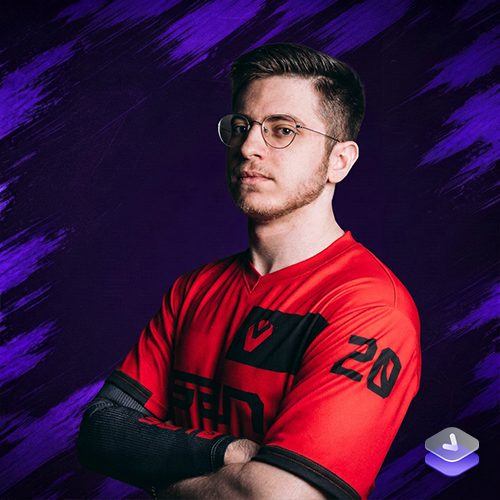
Growth
StakeLifetime Data
2026-09-15
need $1 -> $1m !leaderboard !discord !stake
Activity
Past Streams
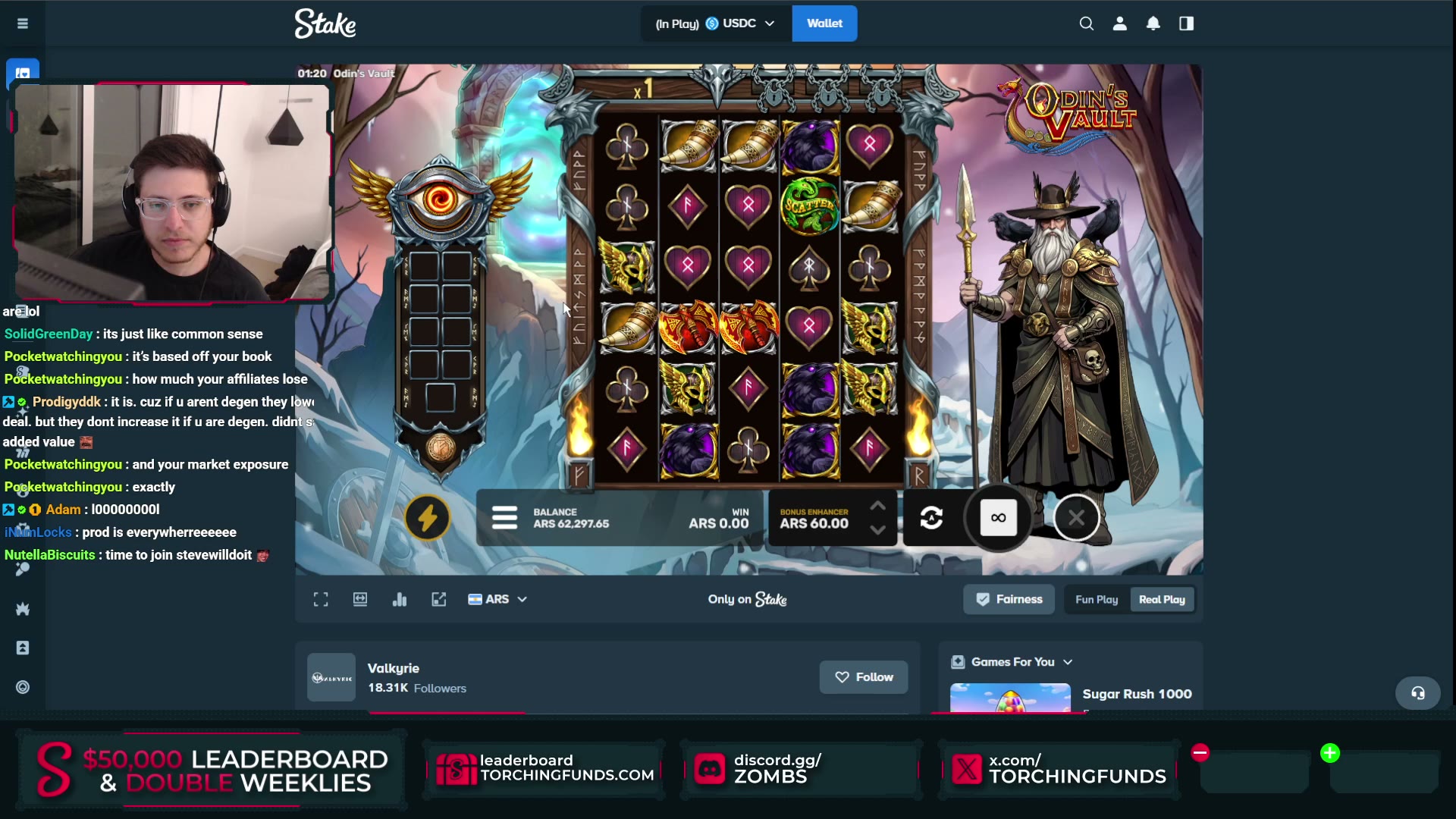
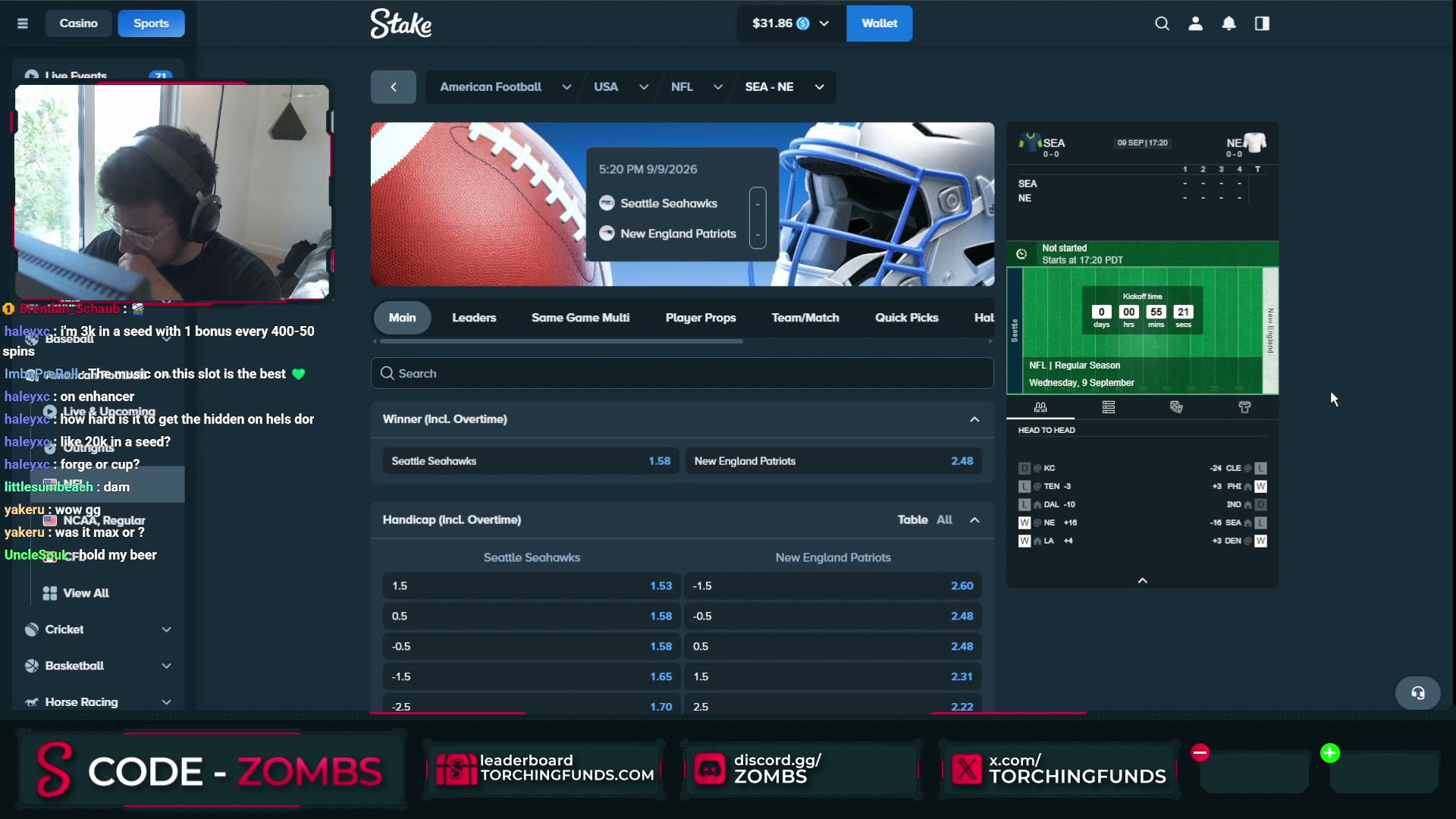
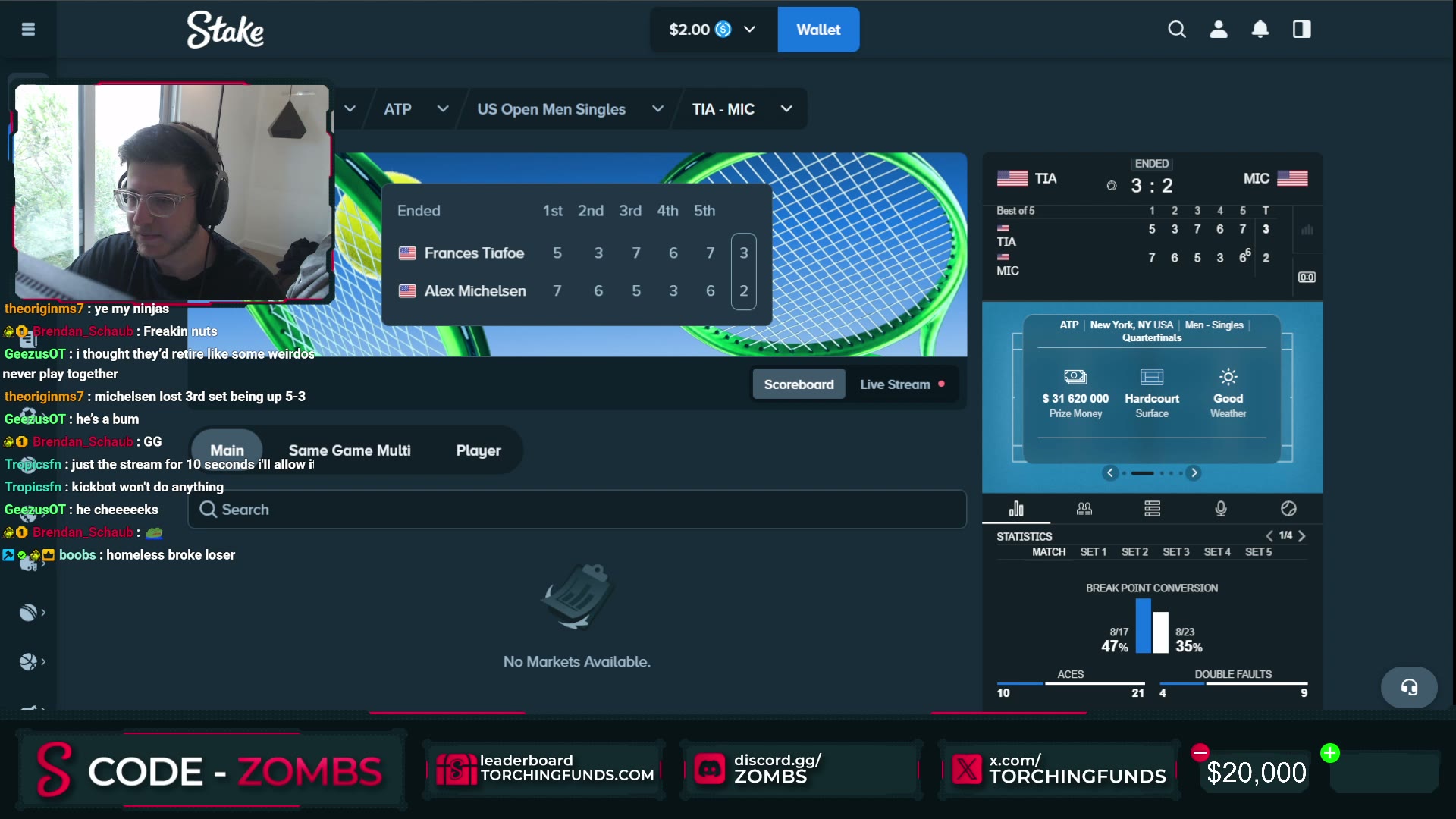
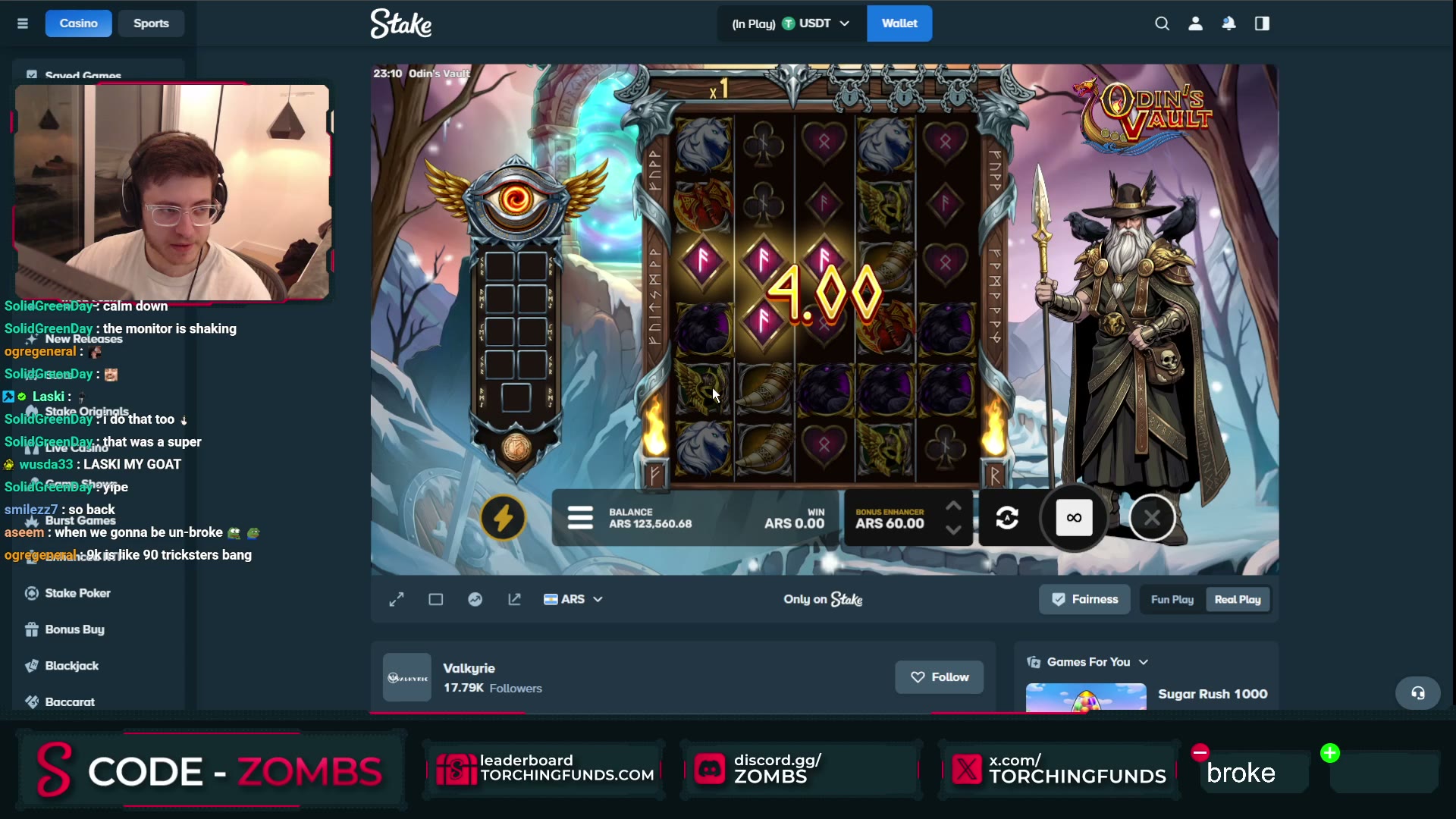
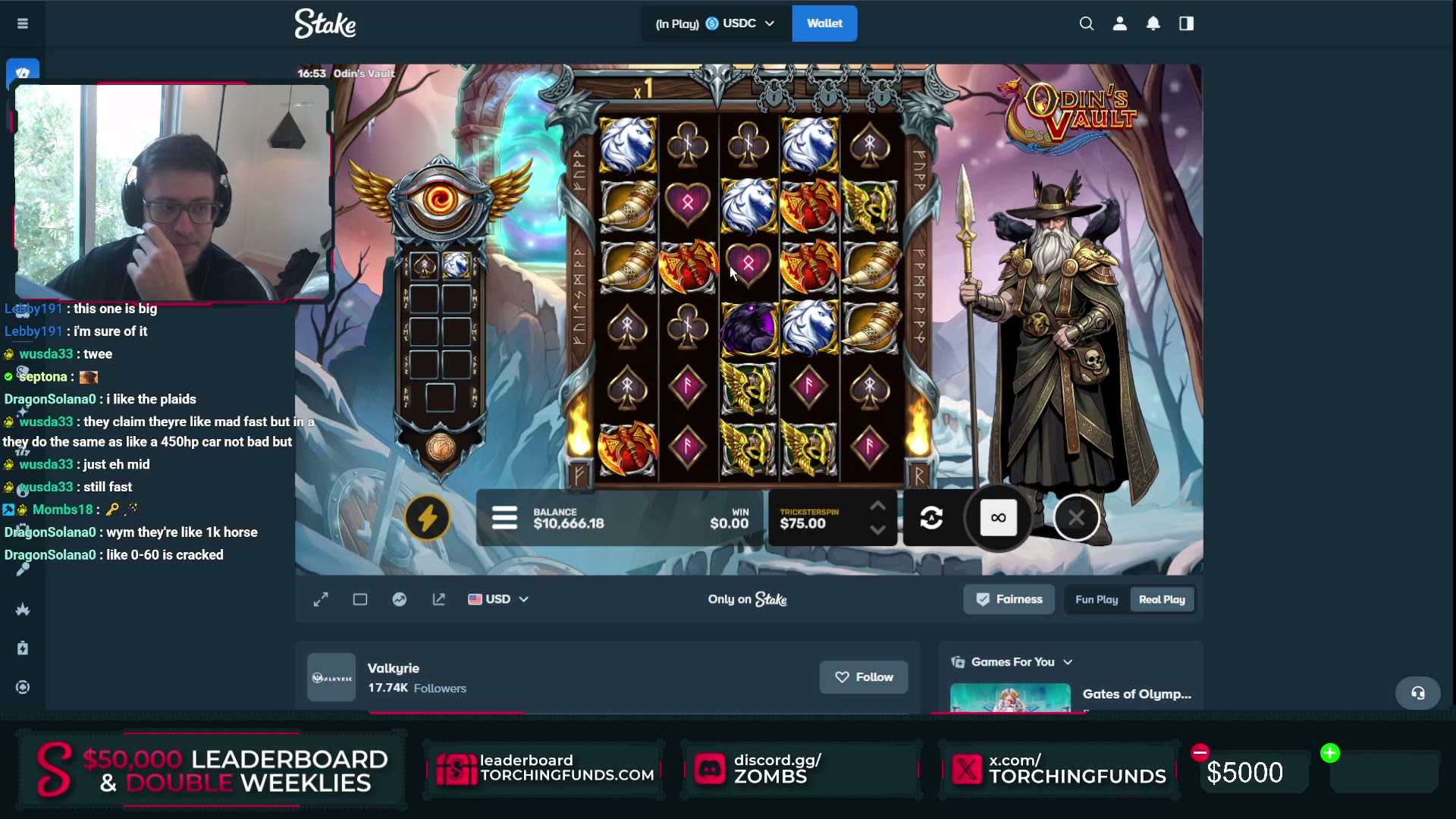
Recent News for zombs
Zombs Gambling Profile and What It Actually Shows
The search interest around Zombs gambling is not behaving like a straight casino query. It behaves more like an identity check. People want to know who Zombs is, why gambling language appears around his public profiles, and whether the Stake mention tied to his name reflects a real operator relationship or just surface branding. For players who care about fairness, that distinction matters. A bio line can be marketing. A receipt is something else.
Who Zombs Is
Zombs is the online handle of Jared Gitlin, a public gaming figure known in esports and VALORANT circles. That part is not controversial. The harder part is the search context around him. When users type Zombs gambling, the search results are dominated by social profiles, esports databases, streaming platforms, and community discussion pages rather than casino landing pages.
That pattern says a lot about intent. The average searcher is not looking for odds, a bonus, or a place to bet. They are trying to map a public identity. In practice, that means the query is less about gameplay and more about association: who the person is, what he presents publicly, and why gambling terms keep appearing next to a known gaming handle.
Based on the profile-driven search landscape, the basic facts are narrow but usable:
- Zombs is the public handle.
- Jared Gitlin is the real name attached to that handle.
- The public background is gaming and esports, with clear recognition in VALORANT circles.
- The search demand around Zombs gambling is mainly investigative and entity-based.
That does not make Zombs a verified casino operator, a proven gambling winner, or a confirmed affiliate on its own. It makes him a public figure whose gaming identity is being searched alongside wagering language. In this sector, that difference is the whole point. Profiles are easy to publish. Verifiable commercial facts are harder to hide and harder to fake.
Why Stake Appears Next to His Name
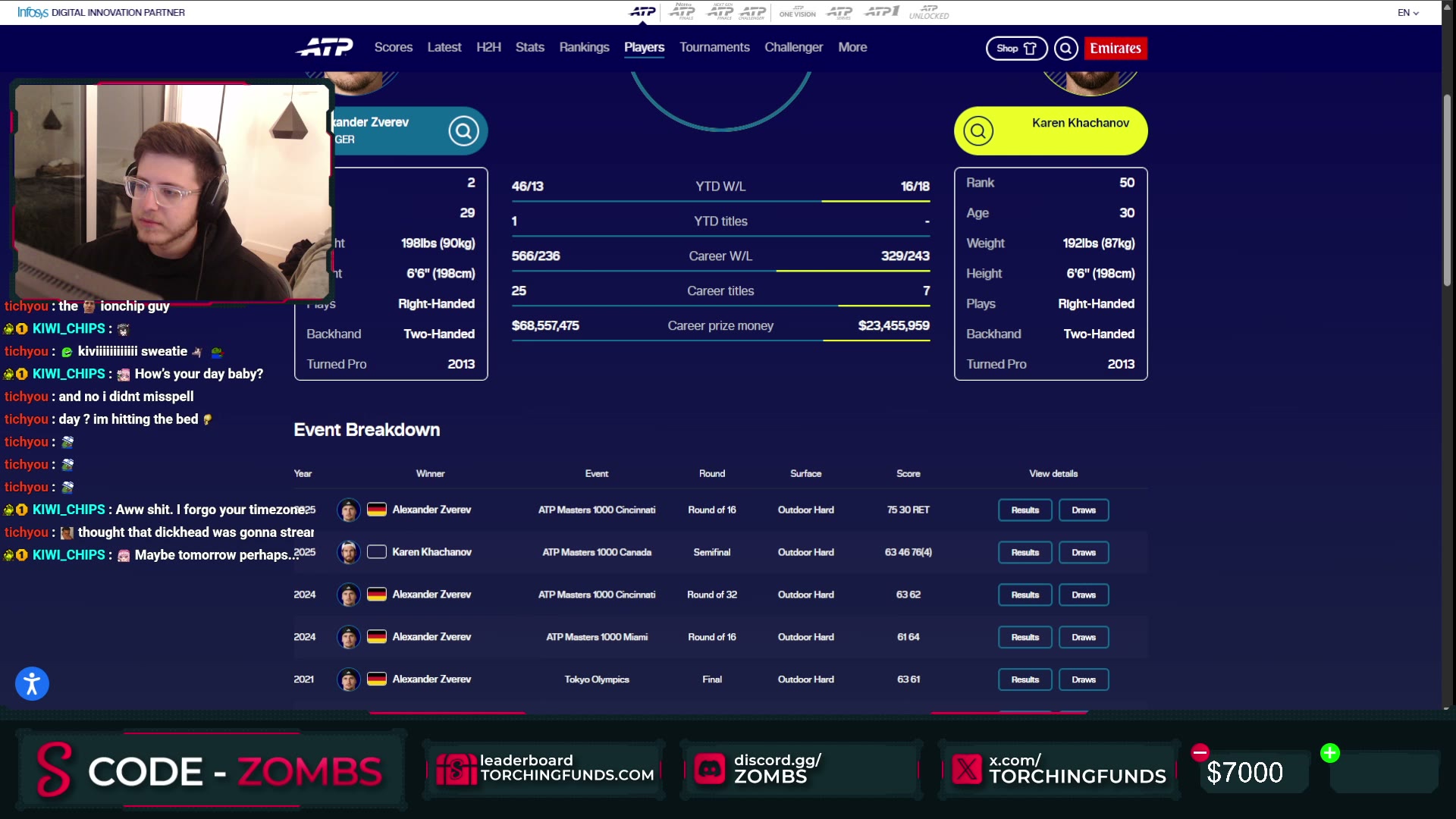
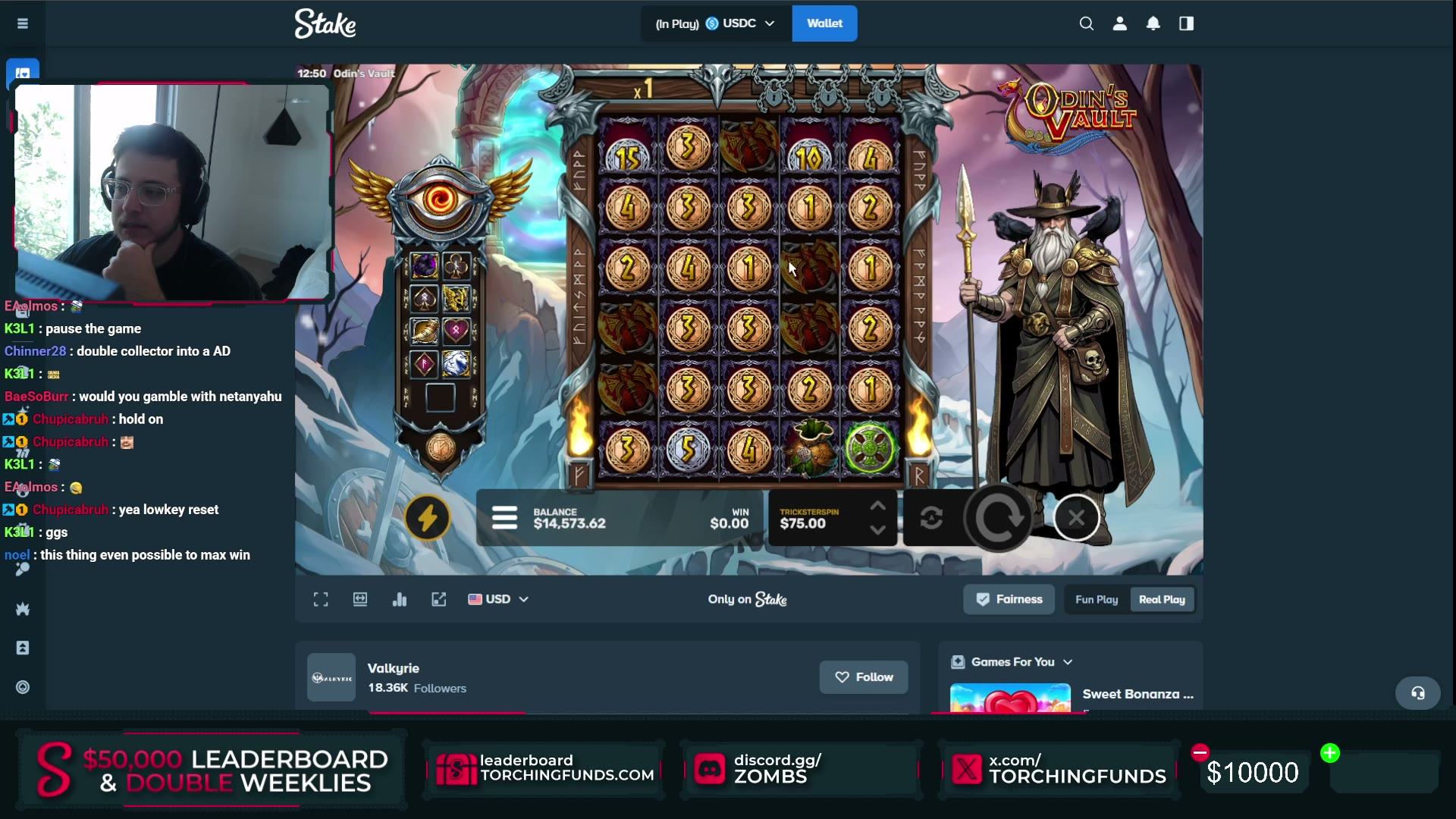
The short answer is public profile signaling. The keyword research behind this page shows that search snippets and profile references repeatedly surface gambling-adjacent language around Zombs, including the words gamer, gambler, and a Stake mention. That is enough to explain why searches such as Zombs Stake, Zombs gambler, and Zombs casino exist. Users are following the breadcrumb trail left by public-facing branding.
What those signals prove is limited but important. They prove that the association is visible enough to shape search behavior. They do not, by themselves, prove how active the gambling relationship is, whether any play is funded by the streamer, whether balances are sponsored, or whether there is a paid arrangement behind the label. A bio can advertise an identity, hint at a partnership, or simply compress multiple interests into one line. Searchers should not treat that as the same thing as verified deal terms.
Even so, the Zombs gambling association is not coming out of thin air. It is being reinforced by the way profile text, social signals, and community discussion are clustered online. That is why the entity query keeps reproducing itself across platforms. Once a known esports personality is publicly framed with casino or sportsbook language, the market reads it as a gambling profile, whether or not the underlying receipts are visible.
In other words, the connection is real at the level of public presentation. The question is how far that reality goes beyond presentation. That is where the easy part ends and the verification work starts.
What Can Be Verified and What Cannot
For a fairness-first reader, this is the part that matters most. A serious Zombs gambling profile should separate public signals from auditable facts. Public signals include bios, snippets, category tags, and community discussion. Auditable facts include on-chain transfers, operator disclosures, contract language, and reproducible proof of deposits or withdrawals. One set tells you what people are saying. The other tells you what actually happened.
Receipts That Would Change The Story
If someone wants to prove a meaningful gambling or promotional relationship, the useful evidence is usually concrete and boring:
- An operator page that lists the streamer or ambassador by name.
- A clearly labeled sponsored post, ad disclosure, or commercial disclaimer.
- Wallet addresses publicly tied to the person and visible gambling-related flows where crypto is relevant.
- Live or recorded play that shows the source of funds and a full withdrawal path, not just a balance on screen.
- Public filings, contract excerpts, or direct statements that spell out the relationship in plain terms.
Without those receipts, the safe conclusion stays narrow. The current data behind this page supports a public association between Zombs and gambling language, including Stake, but it does not support precise claims about betting volume, winnings, losses, sponsorship value, or long-term activity. That is not a loophole or a hedge. It is just the line between evidence and inference.
This is also where many streamer gambling stories get sloppy. A social bio becomes a rumor. A rumor becomes a claim. A claim becomes copy pasted across the internet until it looks like fact. For players already active at Stake, Roobet, Shuffle, Rainbet, or BC.Game, that is exactly the kind of noise worth filtering out. If the receipts are missing, the honest answer is that the deeper commercial picture remains unverified.
How Fairness Focused Players Should Read Streamer Gambling Profiles
That leads to the practical takeaway. Whether the query is Zombs gambling or any other casino streamer profile, the right approach is not hero worship and not outrage farming. It is basic verification. Players who already understand house edge, rollover traps, and selective highlight clips know that a stream can be entertainment, advertising, or both. The job is to work out which one you are watching before you copy anything from it.
A Basic Verification Checklist
- Check whether the content is labeled as sponsored, partnered, or otherwise commercial.
- Look for consistent proof of withdrawals, not just deposits or a large balance.
- Ask whether the bankroll is the streamer's own money, bonus money, or a house-funded balance.
- Where provably fair games are involved, verify the game settings and fairness claims rather than trusting the overlay.
- Watch for missing context around losses, resets, cashback, and wagering requirements.
- Separate a social identity like gamer gambler from evidence of actual betting behavior.
This matters because gambling presentation can be cleaner than gambling reality. Streamers can look transparent while hiding the most important detail on the page: who is taking the risk and who is paying for the show. A fairness-minded reader should also avoid the oldest trap in the book, which is treating a public personality's casino content as proof that gambling is a route to profit. It is not. The house edge does not retire just because a known name is on screen.
So if you arrived here through searches like Zombs Stake profile, Jared Gitlin gambling, or stake ambassador related terms, keep the standard high. Branding is easy. Disclosure is testable. And testable beats theatrical every time.
Bottom Line on Zombs Gambling
The clean, evidence-led read on Zombs gambling is fairly simple. Zombs is the public handle of Jared Gitlin, a gaming figure known in VALORANT and esports. Public search and profile signals connect that handle with gambling language, including a Stake mention. That is enough to explain why users research him through gambling-related queries and why his name appears in casino-adjacent conversation.
What those signals do not do is prove everything people often assume. They do not verify how much he gambles, whether there is an active paid arrangement, what site balance structures may exist, or what the commercial terms look like behind the scenes. Until disclosures, operator confirmations, or primary-source receipts are available, those claims should stay out of the fact column.
For readers who care about fairness, that is the real value of a page like this. It turns a fuzzy internet association into a clear file: known identity, visible public signals, and clear limits on what can honestly be verified. No hype, no invented certainty, and no free upgrade from bio text to proven commercial fact. In a sector that runs on marketing gloss, restraint is not weakness. It is the only way to stay useful.
If stronger evidence appears later, the conclusion can change with it. That is how watchdog work is supposed to function. Until then, Zombs gambling is best understood as a public association story with limited verified depth, not a fully documented crypto gambling dossier.