


Togi originally built his following through bodybuilding and fitness content before gambling became a much bigger part of his videos and streams. He’s now one of the more recognizable personalities in the gambling scene, known for his unpredictable content and is currently partnered with Roobet on Kick.
Last 30 days

 Mexico
 English
Affiliate Benefits
Aff code benefitsMedium
Growth
RoobetLifetime Data
2026-09-07
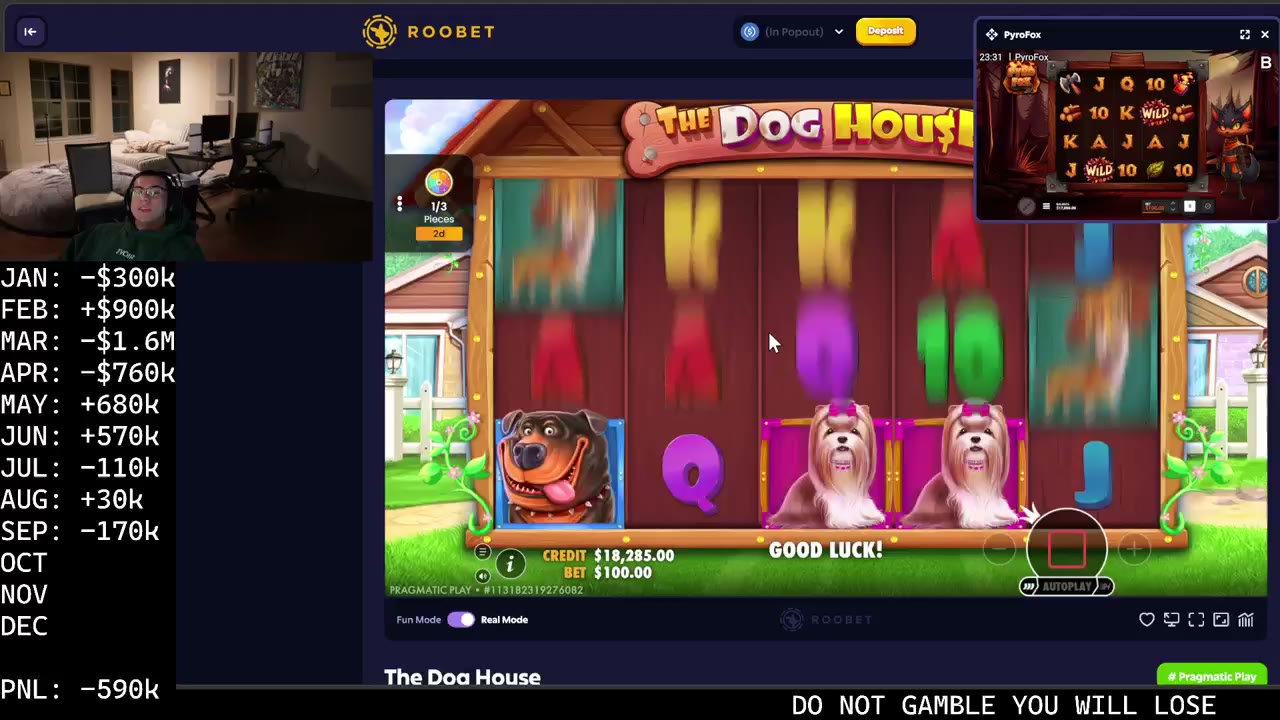
sneaky mini gamble
Activity
Past Streams
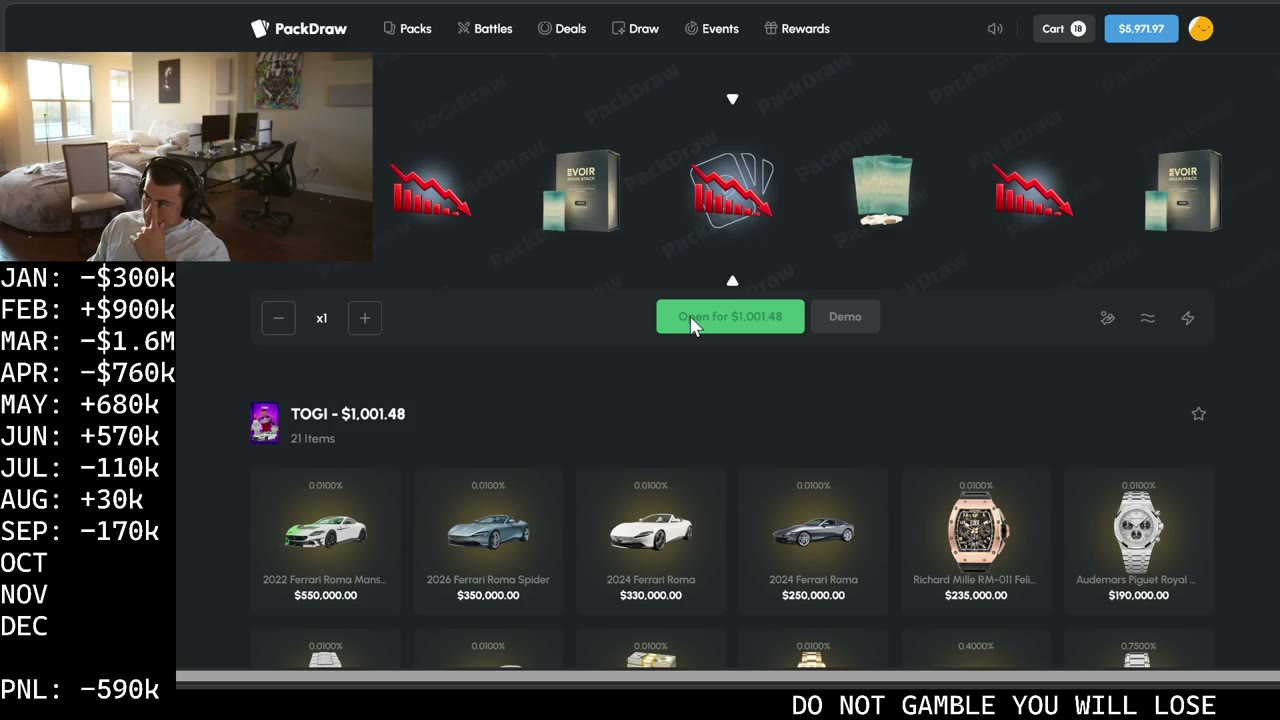
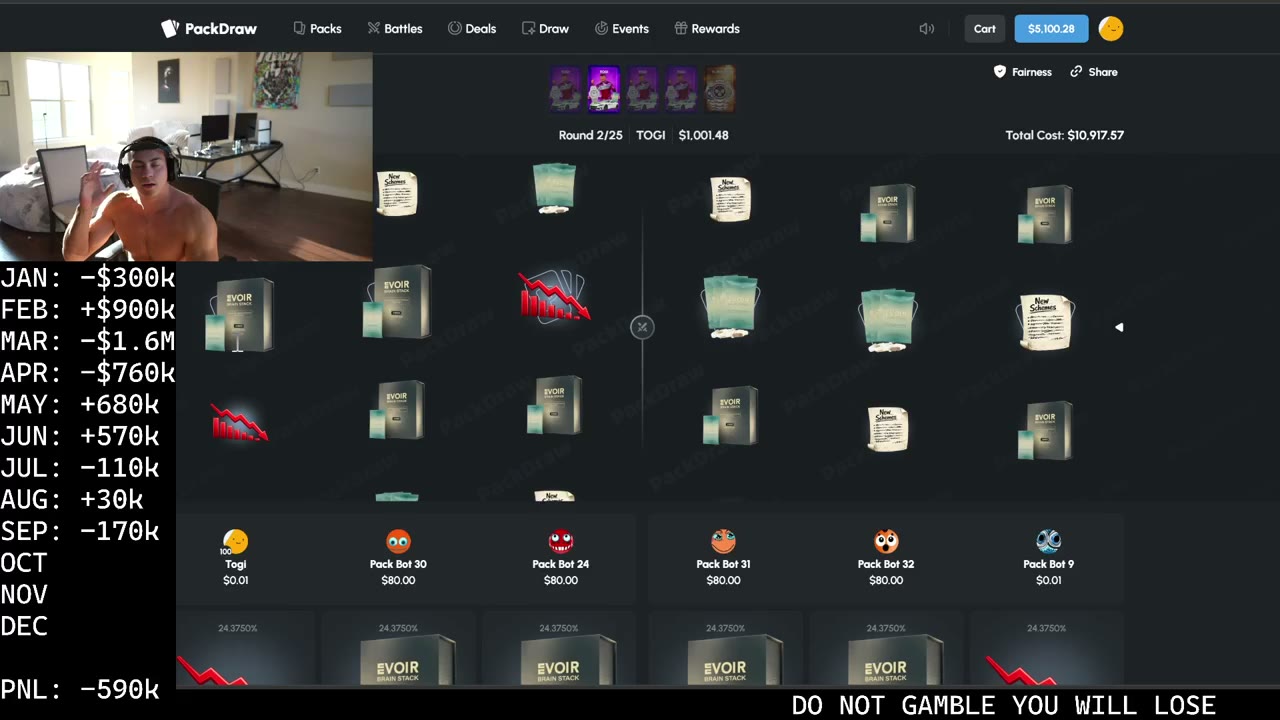
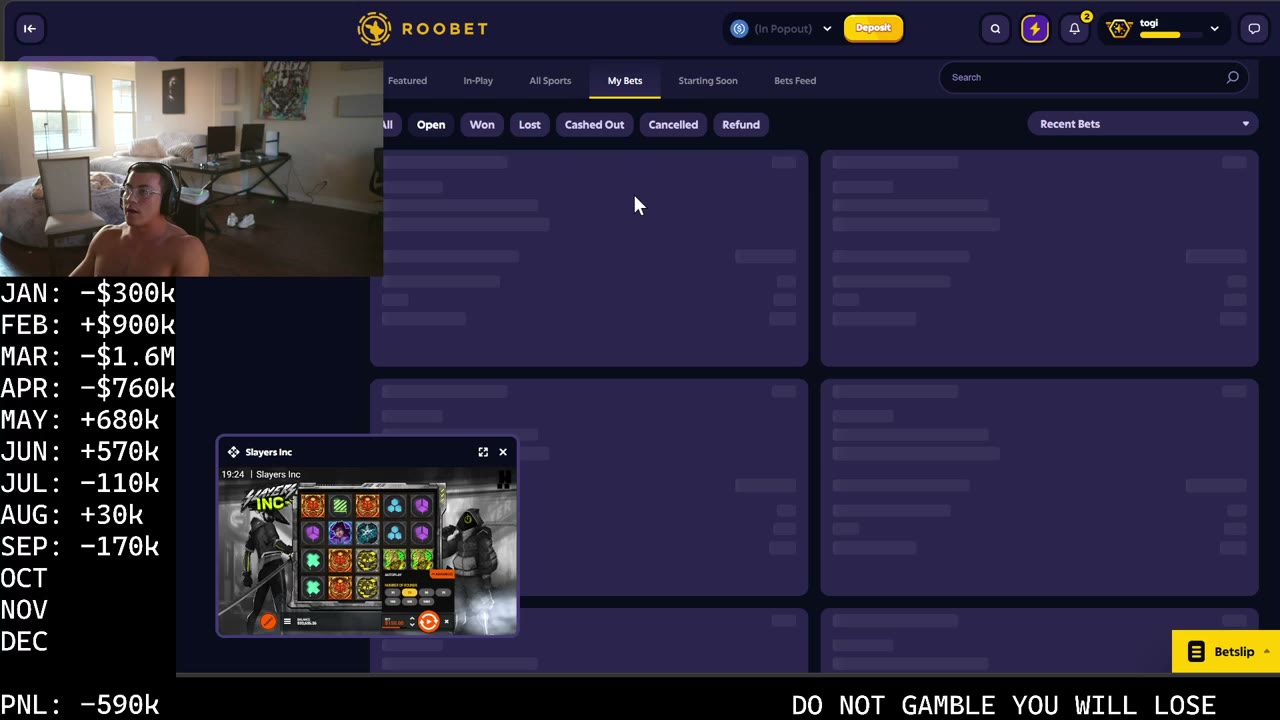
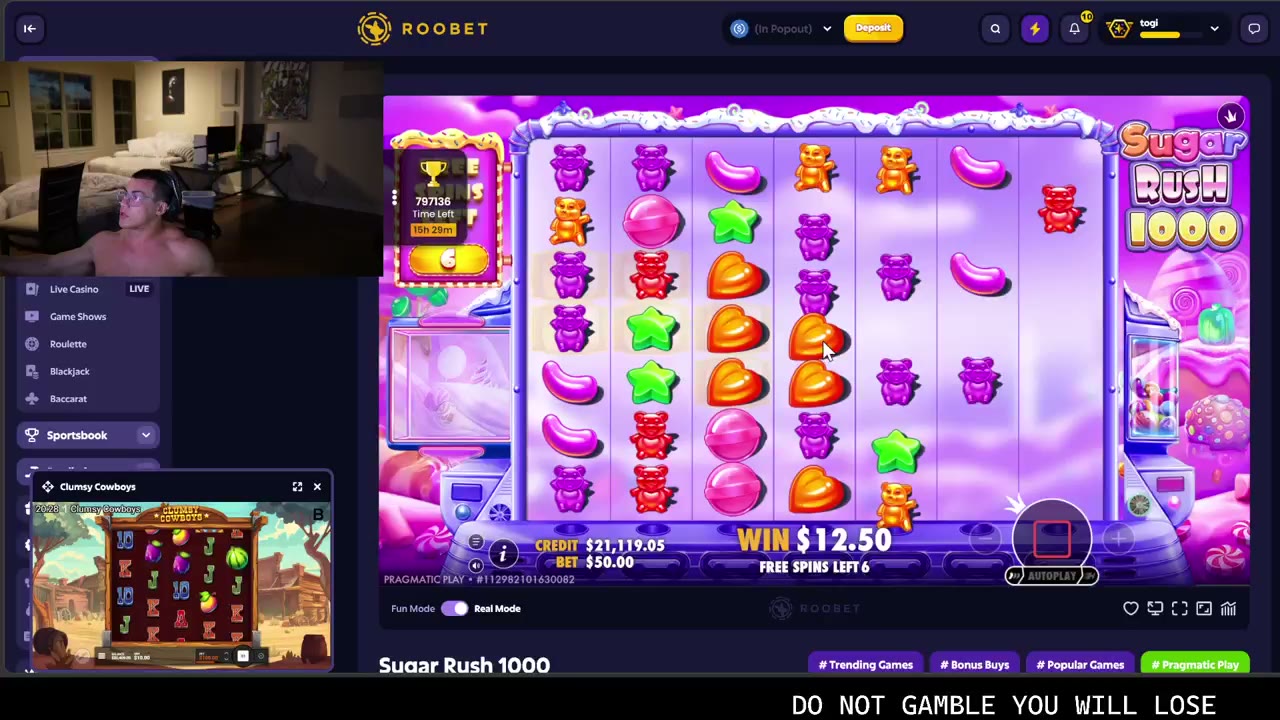
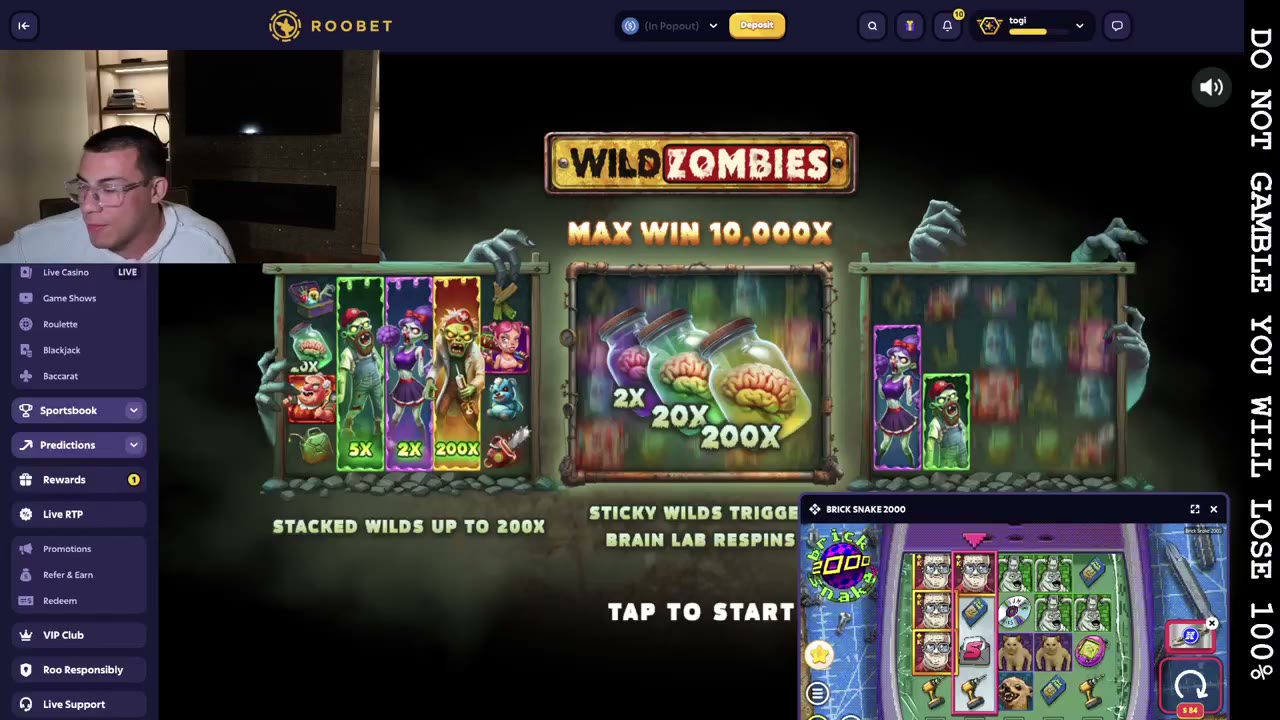
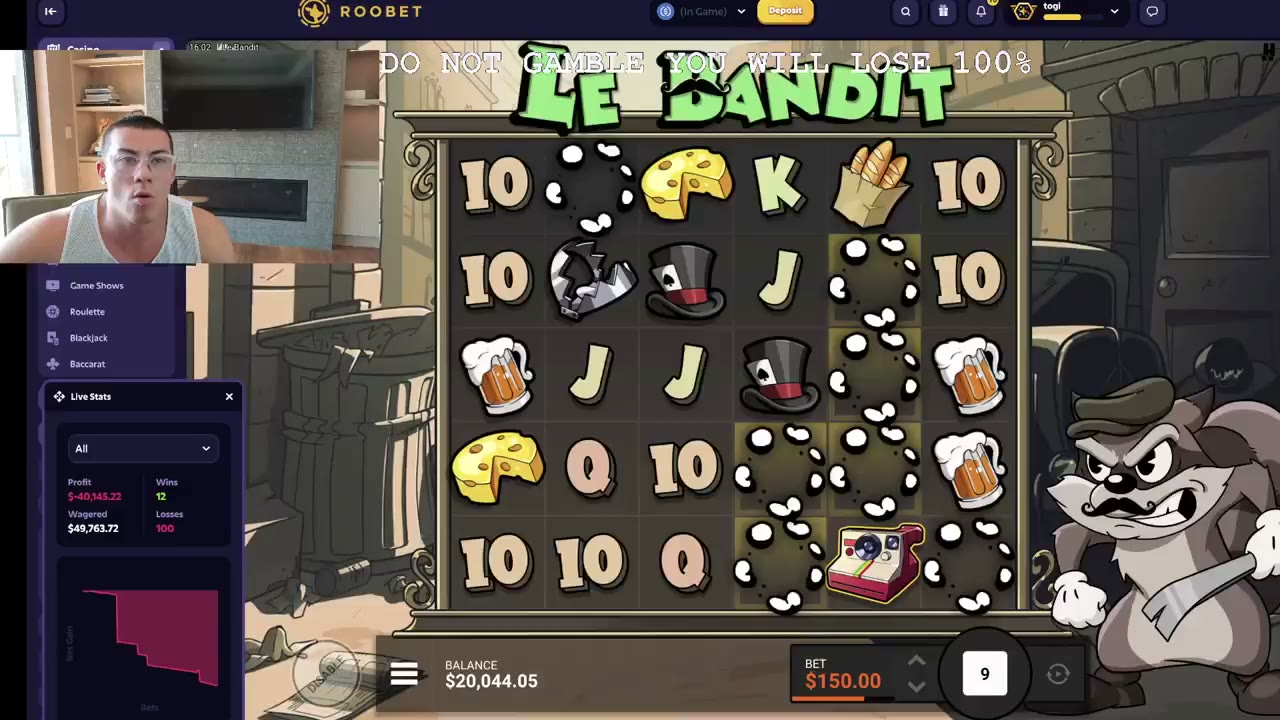
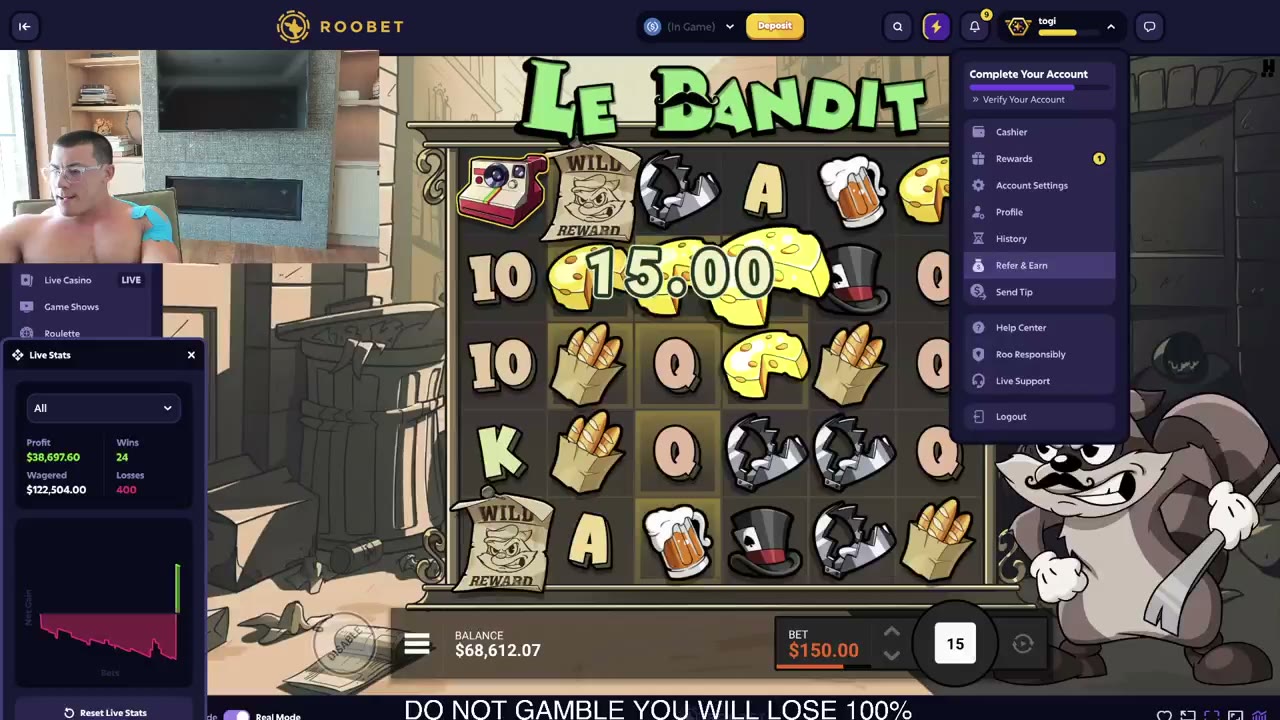
Recent News for togi
Togi Gambling Explained for Crypto Casino Players
The Togi gambling story is one of those internet narratives that spread faster than the paperwork behind them. Search results are crowded with YouTube clips, TikTok posts, Reddit threads, social profiles, and a mainstream write-up, all pointing to the same thing: users want a clean summary of Shane Stoffer's reported gambling losses and the claim that he gambled his house away. This page sticks to what the public record supports, flags what is still unverified, and treats viral quotes like viral quotes, not audited balance sheets.
What The Public Record Actually Shows
At the broadest level, the public record shows that Togi gambling is an entity search around Shane Stoffer, a creator whose name is now tied to a viral loss story. That much is clear from the search landscape itself. The visible results are not casino landing pages, sportsbook offers, or bonus code farms. They are creator clips, reposts, discussion threads, and a news-style summary. In plain English, people are not searching for a place to gamble. They are searching for the story.
That distinction matters because the evidence available in public is thin on primary-source receipts. When FairGambling reviews an operator, we can inspect wallets, withdrawal behavior, terms, complaint patterns, and sometimes on-chain balances. The Togi gambling story does not arrive with that kind of clean paper trail. It arrives as a bundle of clips, retellings, and reactions. That does not make it false. It means any serious summary has to separate what is repeated online from what is independently verified.
The consistent elements are straightforward. Shane Stoffer is the person users usually mean when they search Togi or Shane Stoffer gambling. The narrative centers on severe gambling losses, a viral challenge angle, and a home-related claim that became the headline-grabber. What remains less straightforward is the underlying accounting. Public search results do not, by themselves, provide bank statements, casino ledgers, mortgage documents, or verifiable transaction trails that prove each number circulating online. For fairness-focused readers, that is the first takeaway: the story is real as a public controversy, but the exact mechanics still depend heavily on reported claims.
How The Togi Gambling Story Spread
The clip economy
The spread pattern around Togi gambling is familiar to anyone who tracks viral gambling content. A dramatic claim lands, a short clip does the heavy lifting, and the internet turns a single moment into a hundred summaries. Search behavior reflects that process. Users are not typing detailed questions about house equity structures or tax treatment of losses. They are searching for the emotional shorthand: togi gambling losses, togi gambling challenge, and the house-away line that stuck in people's heads.
Keywords clustered around the story also tell you how viewers framed it. Terms such as blackjack, sports betting, and coin flip wager show up alongside Togi because audiences use those labels to interpret the losses. The same goes for broader language like loss chasing and tilting spiral. Whether every clip presents the same sequence is another matter. The important point is that the public conversation treated the story as a high-stakes cautionary tale, not as a technical breakdown of gambling records.
The podcast effect
There is also a platform effect at work. Search results and adjacent keywords reference creator ecosystems, including The Iced Coffee Hour, Jesse James West, and SteveWillDoIt. That does not mean each name independently verifies the numbers. It means the story moved through audiences that are already primed for outsized wins, outsized losses, and confessional storytelling. Once a gambling narrative enters that circuit, the line between a sourced account and a repeated clip can get blurry very fast.
So the timeline most readers want is less like a court filing and more like a media map. Public clips and reposts appear to have carried the story first, then wider commentary followed. A mainstream article helped consolidate the headline version. After that, the internet did what it does best: compress a messy chain of events into a memorable one-liner. That is why Togi gambling remains searchable long after the first spike of attention.
Reported Losses And The House Claim
What Is Repeated Online
The two questions that dominate this topic are simple: how much did he lose, and did he really gamble his house away. In the public conversation around Togi gambling, the figure repeated most often is 2.3 million dollars. The house-related version usually appears as a direct claim that he gambled his house away, with searches also circling around a Miami house. Those are the phrases people remember, and search data reflects that.
It is reasonable to report that those claims exist and that they are central to the story. It is not reasonable to present them as independently verified financial facts without receipts. That line matters. A quote repeated across clips can be real as a quote while still remaining unproven as a final accounting. The internet is full of numbers that survived because they were dramatic, not because they were audited.
What Is Still Missing
Here is what the public material summarized in search results does not appear to provide: primary bank statements, mortgage filings tied to the claim, casino transaction histories, or a wallet trail that lets independent analysts reconcile exact gambling losses. That missing layer is why FairGambling treats the biggest numbers in the Togi gambling story as reported claims. For a watchdog site, that is not hair-splitting. It is the difference between evidence and atmosphere.
The same caution applies to the phrase gambled his house away. In practice, that could mean several different things, from direct liquidation pressure to losses tied to broader finances, debt, or home equity stress. Without documents, the literal mechanism stays unclear. Readers should therefore hold two ideas at once. First, the story is widely reported as a severe gambling-loss spiral involving a home. Second, the exact legal and financial path behind that headline remains unverified in the public record we can currently summarize.
Why Togi Gambling Hit A Nerve
The reason Togi gambling kept traveling is not hard to spot. Big loss stories trigger the oldest impulse in gambling media: people want to know where the line was crossed. Not because the math suddenly changed, but because the behavior feels familiar. Seasoned players recognize the pattern language immediately. Raise the stakes. Chase the earlier loss. Believe the next hit will repair the last one. That is the logic of a tilting spiral, and it has emptied more bankrolls than any clever promotion ever did.
There is also a psychological layer. Concepts like prospect theory help explain why losses can push people into decisions they would never make while ahead or even while calm. People do not experience downside in a neat, rational way. They become more willing to take bad risks when they are trying to get back to even. That does not diagnose Shane Stoffer or prove each step in his reported story. It explains why viewers instantly understood the cautionary arc attached to his name.
Finally, influencer culture amplifies everything. A private losing session is one thing. A public identity wrapped around risk is another. When gambling becomes content, every decision is more visible, more narratable, and more likely to be flattened into a spectacle. That is why the Togi gambling losses story resonated beyond his direct audience. It was not just about one player. It was about how fast risk becomes entertainment once cameras and clips get involved.
What Fairness Focused Players Should Learn
For crypto-native players already using sites such as Stake, Roobet, Shuffle, Rainbet, and BC.Game, the useful lesson is not celebrity gossip. It is process. If a gambling story arrives with huge numbers and thin documentation, treat it as a cautionary narrative until the receipts show up. That mindset protects you from both hype and moral panic. It also keeps attention where it belongs: on bankroll discipline, transparency, and verifiable fairness.
The Togi gambling search trend also highlights a common blind spot in gambling media. Audiences are trained to focus on the dramatic endpoint, not the systems that should have interrupted the slide earlier. Limits, session controls, cooling-off tools, clean recordkeeping, and provably fair verification are less exciting than a headline loss, but they are far more useful if you are trying not to become the next cautionary clip.
A Practical Checklist
- Separate bankroll from life funds. Rent, mortgage, and debt money are not gambling money.
- Record every session. Memory rounds down losses and rounds up almost everything else.
- Treat challenge content as entertainment. Viral gambling challenge framing is built for views, not for decision quality.
- Use verifiable tools. On crypto platforms, provably fair logs and withdrawal history matter more than creator narratives.
- Watch for loss chasing. If the goal shifts from playing to rescuing prior losses, the session is already compromised.
- Demand receipts. Big claims deserve primary evidence, whether they come from a casino, a streamer, or a headline.
None of that makes the Togi story less compelling. It makes it more useful. The point is not to sneer at someone else's spiral. The point is to learn from the pattern before it shows up in your own browser history and bank account.
Bottom Line
Togi gambling is best understood as a viral explainer topic, not a settled financial case file. The public record supports a few core points with confidence: users are searching for Shane Stoffer, the story centers on reported major gambling losses, and the house claim is a major reason the narrative traveled so far. Beyond that, the record is still more clip-driven than document-driven.
For readers asking how much Togi lost gambling or whether he really gambled his house away, the clean answer is this. Those claims are widely repeated and central to the story, but FairGambling has not treated the exact figures or mechanics as independently verified facts because the primary receipts are not visible in the public material summarized here. That may change if stronger documentation surfaces. Until then, this is a cautionary tale with real reach, real lessons, and a verification gap that readers should not ignore.