

Last 30 days

 USA
USA English
Affiliate Benefits
Aff code benefitsLow
Growth
StakeLifetime Data
2026-09-24
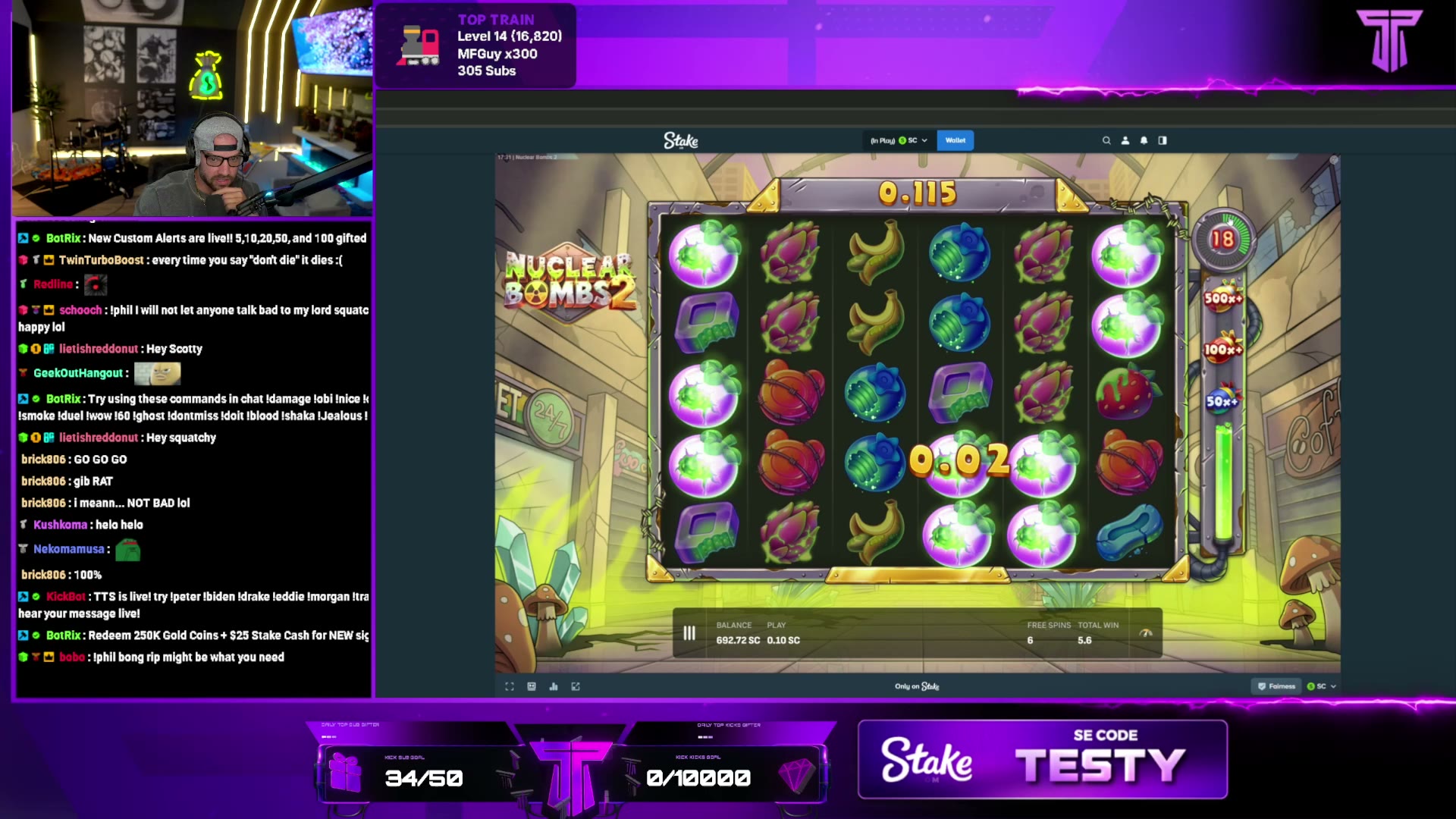
🟢Lets Run It UP!! !LB Stake Leaderboard is LIVE! !Giveaway 🟢 !Scuf !Valkyrie Code TESTY on !stake for free 25$! !socials
Activity
Past Streams
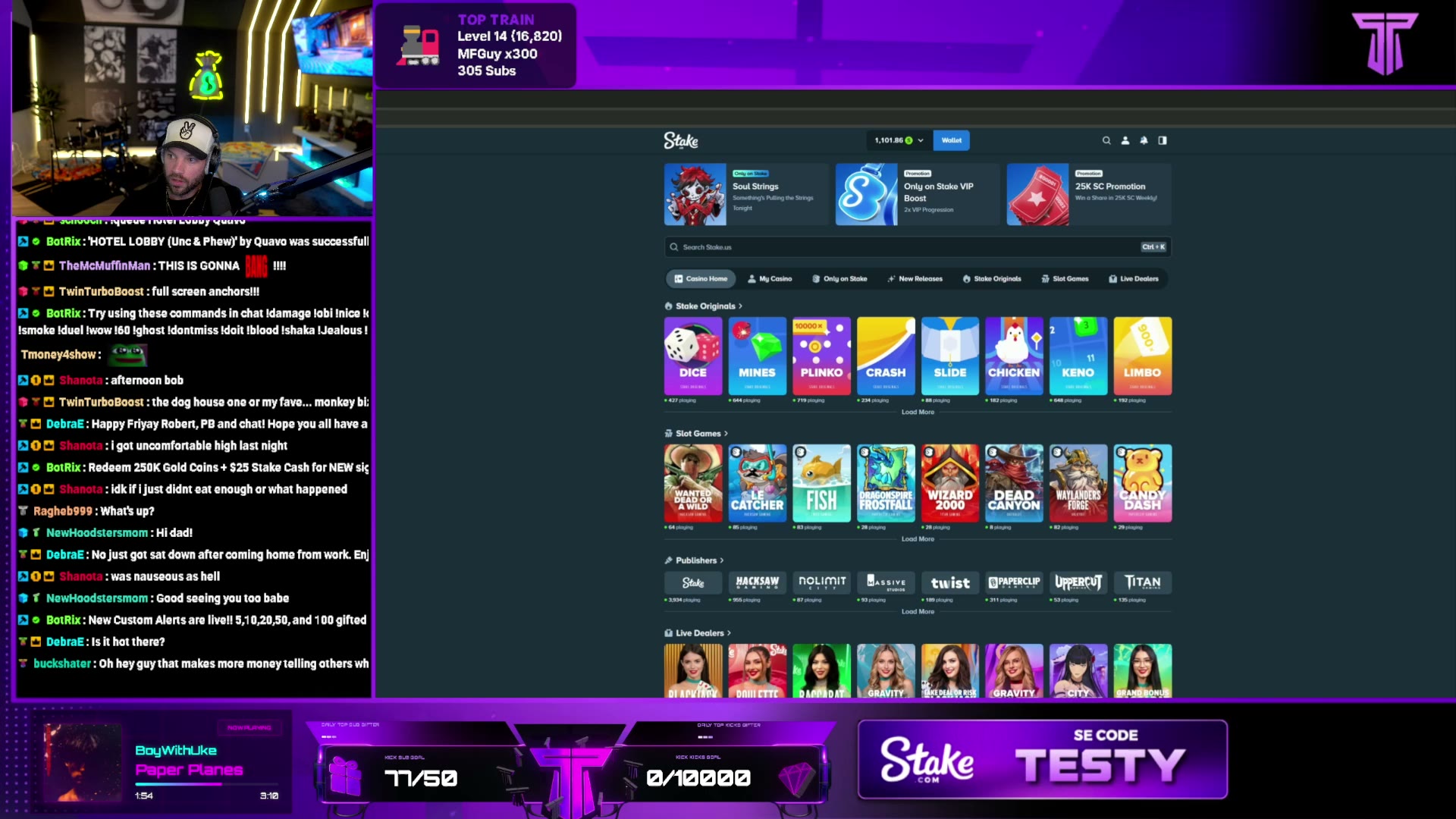
Recent News for testy
Testy Gambling Streamer: What Public Sources Actually Show
The public record around the testy gambling streamer label is thinner than the internet’s confidence would suggest. Public sources support a narrow conclusion: Testy, also referred to as TestyFPS, has public Instagram and X profiles, uses creator/streamer self-description, and has X-bio references tied to Eddie’s Kick stream and Stake/Kick.
That is the receipt pile. It is not a jackpot.
Those public profile signals do not prove a gambling sponsorship. They do not prove payment from Stake, Kick, Eddie, or any related party. They do not prove personal gambling activity. They also do not establish that Testy/TestyFPS is a major gambling streamer. A profile reference is a profile reference; it is not a contract, a transaction hash, a payroll record, a disclosure filing, or a wallet trail.
This matters because gambling-adjacent creator ecosystems often run on insinuation. A name appears near Kick, Stake, or a better-known streamer, and the market’s gossip desk starts printing its own currency. Public evidence does not work that way. If the only visible facts are social profiles, self-description, and bio references, then the clean reading is exactly that: Testy/TestyFPS is publicly presenting as a creator/streamer with visible links or references connected to Eddie’s Kick stream and Stake/Kick.
FairGambling is an independent information source, not a gambling operator. It does not present gambling as a way to make money, and it does not encourage anyone to wager more than intended. That line is not decorative. It is the difference between examining the receipts and selling the table.
So the fair answer is restrained: the “testy gambling streamer” label has some public-profile basis, but the stronger claims require stronger proof. Until sponsorship terms, payments, gambling activity, or audience-scale evidence are shown through primary-source records, the rest stays in the unverified bucket — where it belongs.
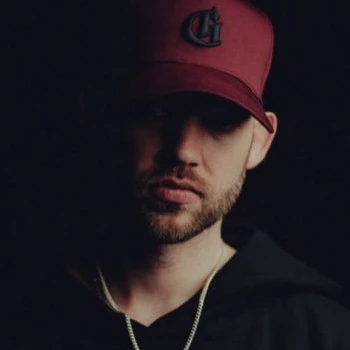
Who is TestyFPS?
TestyFPS is publicly presented as a full-time creator, not as a faceless affiliate account or disposable promo handle. The clearest self-description sits on Instagram, where @testyfps_ describes the account as “Full time content creator / streamer” and lists [email protected] for business inquiries on the TestyFPS Instagram profile. That is the account’s own front door: creator identity first, commercial contact visible, audience-facing brand intact.
The social footprint is modest but real. On X, @TestyFPS shows 15K+ followers on the TestyFPS X profile. Instagram is smaller, with 7.3K+ followers shown on the same @testyfps_ Instagram account. Those numbers matter because streamer influence is often sold in fog: “community,” “reach,” “engagement,” and other warm words that tend to evaporate when someone asks for receipts. Here, the visible receipt is simple: a five-figure X following and a lower four-figure Instagram following.
For readers landing here through the phrase testy gambling streamer, the important distinction is between what the public profiles verify and what they do not. The supplied public-facing accounts verify that TestyFPS operates as a full-time content creator and streamer, with business inquiries routed through an LLC-branded email address. They also verify the follower counts visible on X and Instagram. They do not, on their own, prove the size of any gambling audience, the economics of any betting-related sponsorship, or the flow of money behind any promotion.
That gap is where the usual streamer theater begins. A profile bio can establish a brand; it cannot establish financial incentives. Follower counts can show reach; they cannot show whether viewers are being pushed toward a casino, an operator, or a referral funnel. For TestyFPS, the verified baseline is narrow but useful: a streamer/content creator with visible public accounts, a business email, 15K+ followers on X, and 7.3K+ followers on Instagram.
Why does Testy show up in gambling-streamer searches?
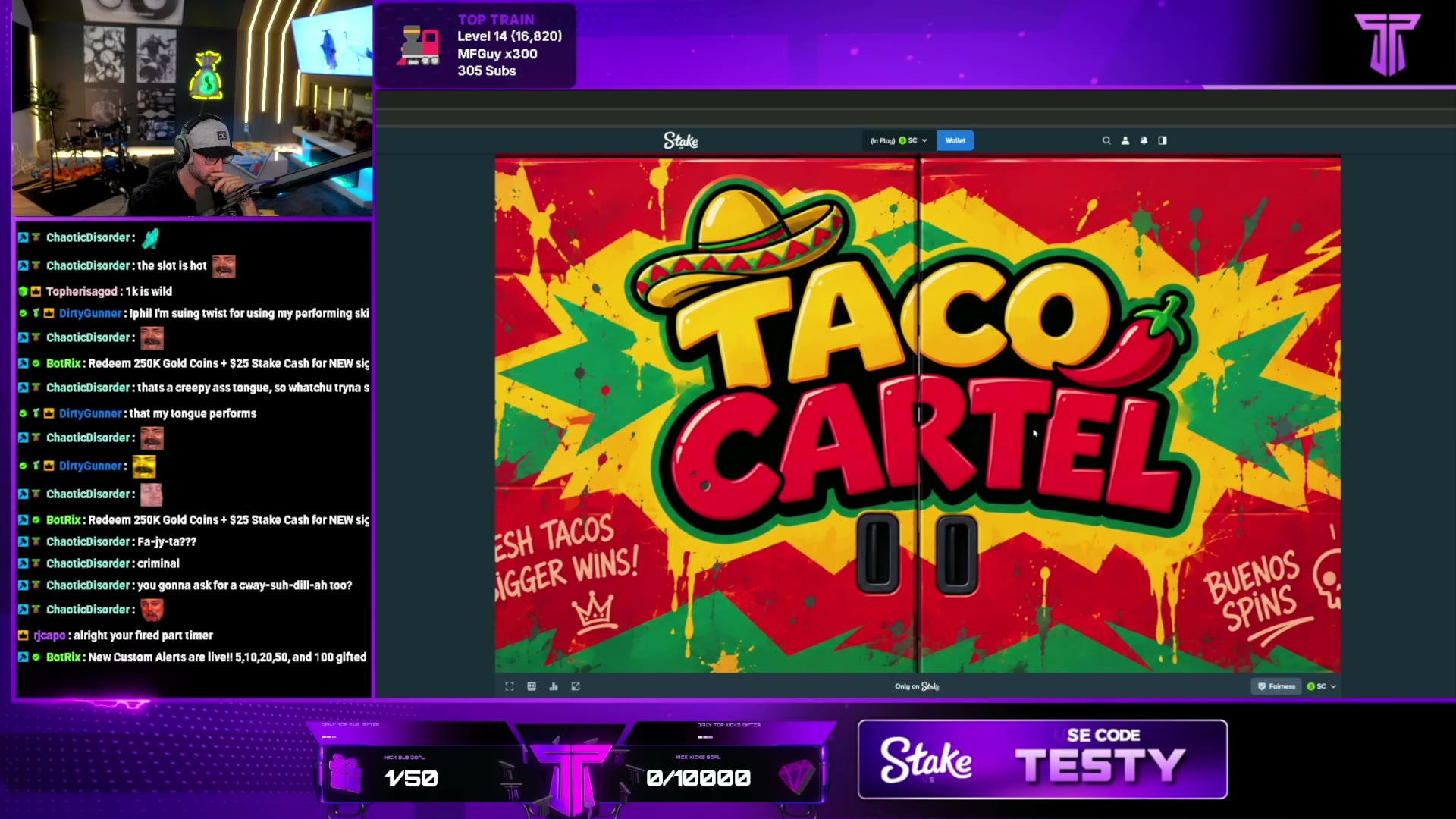
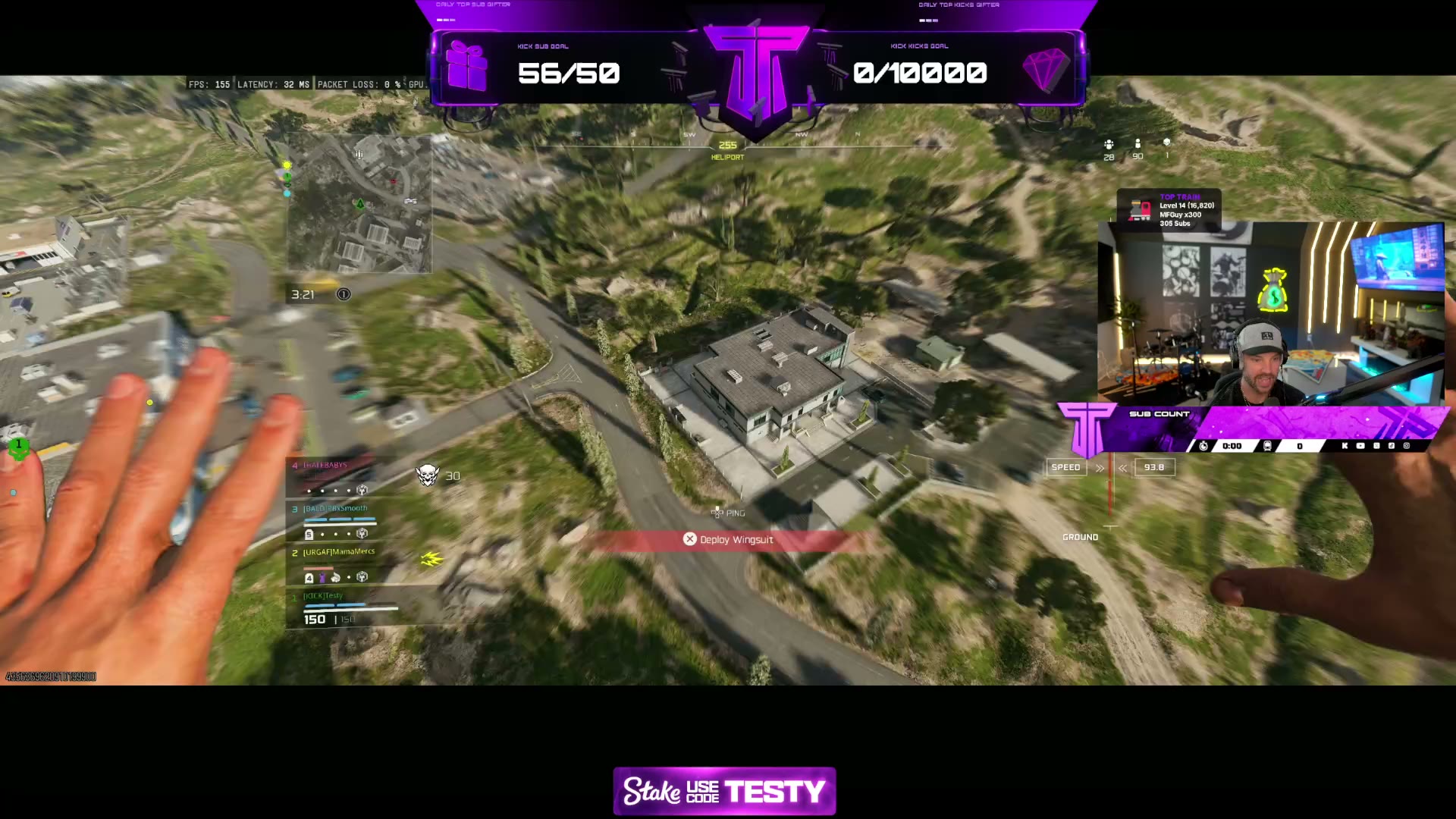
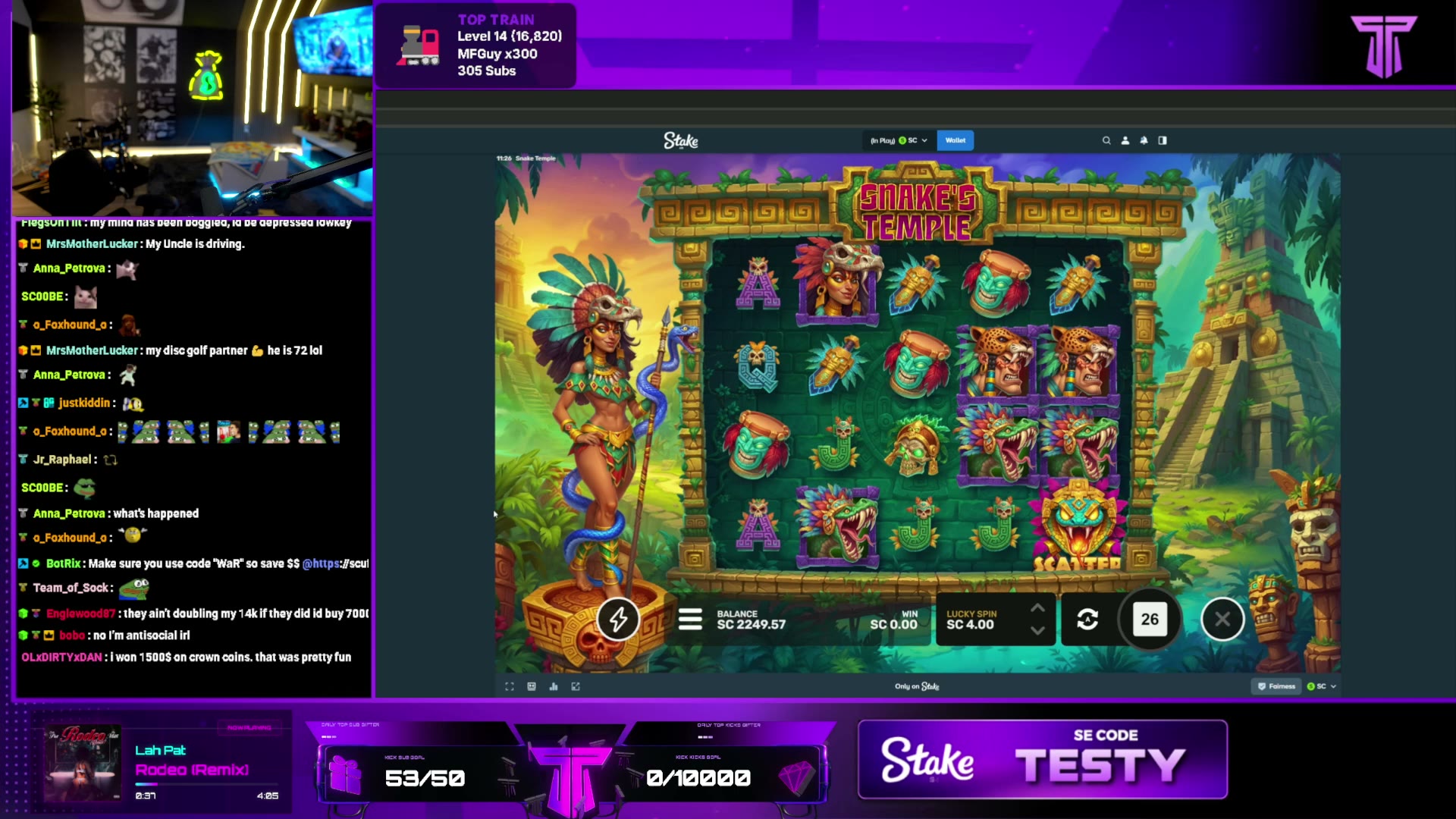
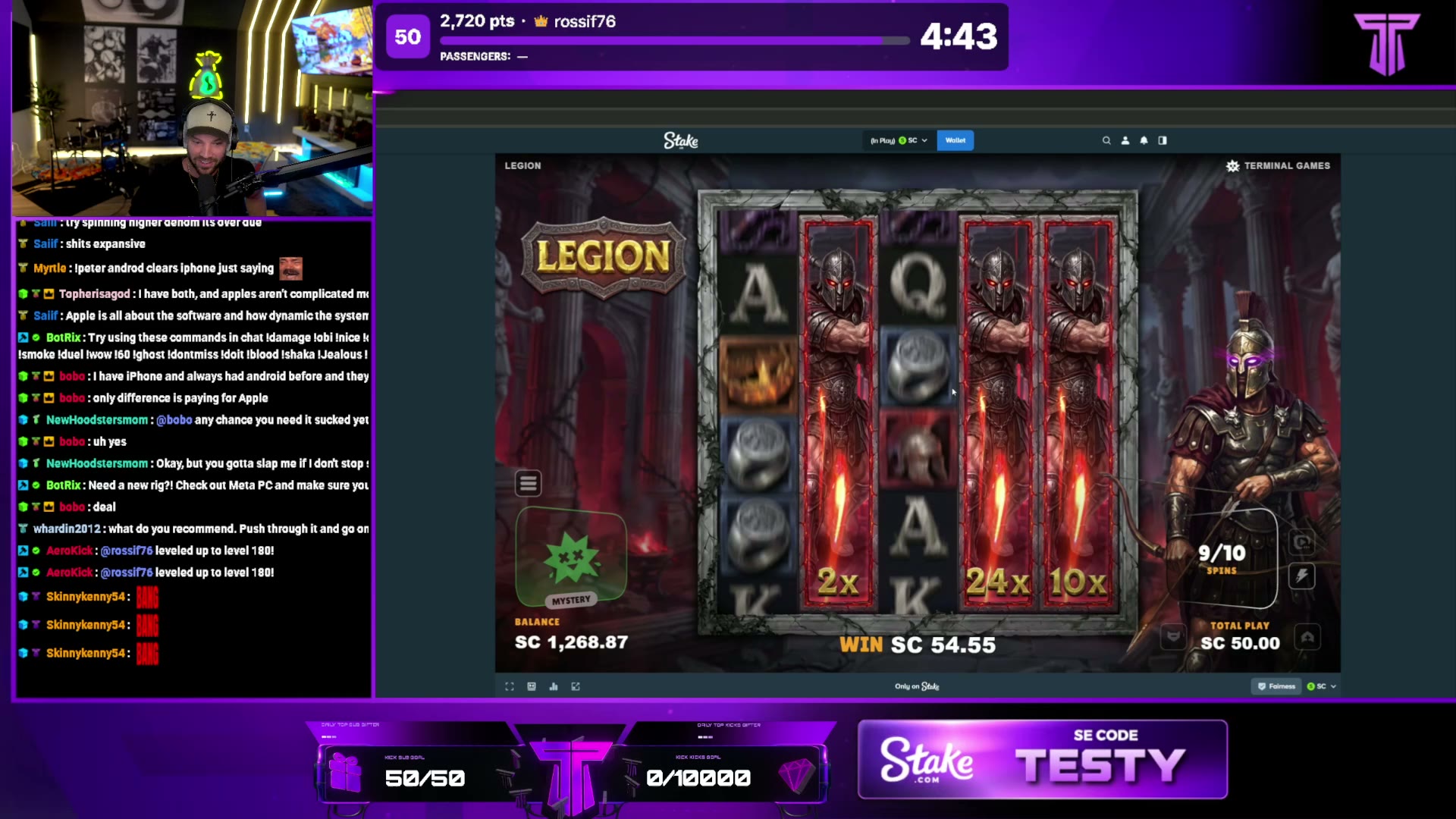
Testy shows up in gambling-streamer searches because the public profile breadcrumbs point toward the Stake/Kick content circuit. The clearest receipt is Testy’s own X bio, which says, “You can usually catch me on Eddies live stream (kick.com/eddie)” and also mentions “Steve every weekend for Stake/Kick” on the TestyFPS X profile. That is enough to explain why search engines, social platforms, and curious viewers may associate the name with gambling-streamer content.
But association is not the same as proof of a commercial gambling relationship. A bio placing someone around an Eddie livestream and “Steve every weekend for Stake/Kick” puts the account inside the orbit of Stake/Kick-adjacent streaming. It does not prove a contract, sponsorship, affiliate deal, employment arrangement, casino-funded bankroll, or direct operator payment. Those are different claims, and they require better receipts than a social bio.
That distinction matters because “testy gambling streamer” is the kind of search phrase that can flatten nuance into mush. The gambling-streaming economy is full of overlapping roles: guests, friends, moderators, content regulars, creators, paid partners, and people who are simply present on a stream where casino branding is nearby. Public-facing proximity can be real without answering the money question.
So the clean read is this: Testy appears in gambling-streamer searches because the account publicly references appearing on Eddie’s Kick livestream and weekend Stake/Kick activity with Steve. That is a visible link to the Stake/Kick streaming lane. It is not, by itself, evidence that Testy is funded by Stake, contracted by Kick, paid as an affiliate, or operating as a casino-backed promoter. The internet may enjoy turning proximity into payroll. Receipts do not.
What is not proven from the public record provided?
The public record provided does not prove that Testy personally gambles on stream. It may explain why people search for “testy gambling streamer,” but it does not establish the core conduct behind that label: live wagering by Testy, with identifiable stakes, on an identifiable casino account, using identifiable funds. Search association is not the same thing as a receipt.
It also does not prove that Testy receives casino sponsorship money. No sponsorship contract, payment record, operator statement, invoice, filing, or other primary-source evidence is present here showing that a casino paid Testy for exposure. That matters because “streamer connected to gambling content” and “paid gambling promoter” are not interchangeable categories, however much the internet enjoys sanding off the edges.
The same gap applies to affiliate economics. The record provided does not prove that Testy uses affiliate links, receives referral revenue, or participates in reimbursed play. There is also no public proof here showing whether any gambling activity tied to Testy uses personal funds, promotional balances, bonuses, casino credit, or house money. Those distinctions are not cosmetic. They decide whether viewers are watching someone take real personal risk or watching marketing inventory dressed up as variance.
Nor does the provided record link any audience harm or player dispute to Testy. There is no documented complaint, unpaid-player case, regulator action, settlement, or dispute record in the material supplied that connects a viewer loss or casino issue to Testy’s conduct. That absence does not certify innocence in some grand moral ledger; it simply means the available record does not carry the claim.
The bottom line is narrow but important: the record explains the search association around the phrase “testy gambling streamer”; it does not explain the economics. It does not show who paid whom, whether play was sponsored, whether balances were real, or whether any viewer was harmed. Until those receipts exist, the responsible position is to separate visibility from proof.
How gambling-streaming incentives work
A testy gambling streamer is rarely just “ripping balance” for the love of variance. Large gambling streams are often sponsored through a simple machine: a flat fee for airtime, plus a casino-funded balance that creates the on-screen spectacle. That balance can look like cash, behave like cash inside the game window, and still not be the streamer’s withdrawable money. In many sponsored setups, wins cannot be cashed out by the streamer, while losses are refilled by the casino. Nice work, if you can call it work.
That matters because the viewer is watching risk without always seeing who owns the risk. A $100,000 buy can mean very different things depending on whether it came from a personal wallet, a promotional bankroll, or a balance supplied to keep the content engine fed. The basic questions are not complicated: is the sponsorship disclosed, is there an affiliate code, are deposits and withdrawals shown, is the bankroll personal or promotional, and does the stream show losses in full or only the highlight reel after the graveyard has been swept.
Kick and Stake have made the incentive loop more explicit. Stake said on Aug. 4 that watch time on Kick now earns rewards on its casino after a viewer links the two accounts. Kick already had a watch-time mechanic: its Drops documentation describes rewards tracked in two-minute increments and claimed from an inventory page after account linking. Stake also promoted its own Kick Drops explainer on X on Dec. 24, 2025, describing vouchers spendable at its casino. The funnel is not hidden in a basement; it is standing under studio lights.
Stake is a serious operator by scale. Founded in 2017 and licensed in Curacao, it lists 3,775+ total games from 107+ providers, supports 10 chains and 22 coins, and offers no minimum deposit, instant payouts, and no withdrawal limit. ID verification is required before deposit. Its responsible-gambling tools include stats, self-exclusion, and gambling limits; security features include 2FA, account notifications, and withdrawal confirmation via 2FA. FairGambling rates Stake 92.0/100, with an average house RTP of 98.3%, average sports edge of 5.36%, estimated rakeback of 42.20%, and estimated NGR of $2B.
What research says about gambling livestream viewers
The useful question around a testy gambling streamer is not whether a loud on-camera personality “causes” harm by existing. That is too neat, and usually too convenient for everyone selling the show. The better question is who watches gambling streams, what risk markers show up in that audience, and whether regulators see the same promotional machinery pushing viewers toward casinos that may not be licensed where the viewer lives.
On that first point, the evidence is not flattering. NIH-hosted research on gambling stream viewers found that viewers were younger, tended to identify as men, and showed higher levels of problem gambling and gambling cravings than non-viewers. That does not diagnose any single viewer, and it does not turn every streamer into a clinical event with a chat box. It does justify caution when gambling content is packaged as entertainment, banter, and “community” while the core product remains wagering.
That distinction matters. A gambling livestream is not just a person pressing spin. It is social proof with a balance on screen, reactions on demand, and a crowd watching losses and wins get converted into content. When the audience already skews toward higher gambling cravings, the margin for sloppy promotion gets thinner. The house does not need poetry; it needs attention.
Regulators have noticed the same funnel from another angle. Sweden’s gambling watchdog, Spelinspektionen, says influencers remain a major problem for unlicensed online casinos. Its reporting identifies influencer activity across Twitch, Kick, TikTok, Instagram, and Telegram — the usual distribution stack for gambling clips, referral chatter, and off-platform audience capture.
None of this proves that any individual streamer is breaking rules or that any individual viewer has a gambling disorder. Receipts still matter. But the research and regulatory warnings point in the same direction: gambling livestream audiences are not a neutral crowd, and influencer-led casino promotion is not a harmless side quest. When an operator or streamer waves away scrutiny as “just content,” the available evidence says the grown-up response is: show the licenses, show the terms, show the money trail.
Broader gambling-streaming context
The phrase testy gambling streamer does not exist in a vacuum. Gambling content is an established live-streaming category, not a back-alley subgenre pretending to be “just entertainment.” Twitch itself maintains a gambling live-streams directory for the platform’s “best gambling channels and streamers” currently live, which tells you the obvious: casino-style streaming has a dedicated audience, dedicated performers, and dedicated visibility.
That broader ecosystem matters because scale can make gambling content look more normal than it is. Big names sit around the same category and create the impression of a mature market. Trainwreckstv, Xposed, and Roshtein are useful reference points for that environment — not evidence about Testy, and not receipts for Testy’s own conduct, deals, deposits, withdrawals, or bankroll. Different streamer, different wallet, different trail. The house would love readers to blur those lines. We will not.
The numbers attached to those larger names show why the category attracts attention. A YouTube result about Trainwreckstv describes Tyler Niknam, better known as Trainwreckstv, as someone who “was paid $360 million”, with the video framed around how gambling streams worked. Xposed’s own YouTube bio says Cody is 30 and has been streaming on Twitch for 9 years. 106.5 Jack FM says Roshtein has 1.1 million Twitch followers and is considered a pioneer of casino streaming.
Those references establish context, not guilt by association and not borrowed credibility. A testy gambling streamer should be judged on direct evidence: what was streamed, what was promoted, what was disclosed, where the money moved, and whether viewers were given the full picture or just the shiny part of the spin cycle. The existence of famous gambling streamers only proves that the category is large enough to deserve scrutiny. It does not prove anything about Testy by itself.
Gambling-streaming and addiction risk
The risk around a testy gambling streamer is not just bad vibes in chat or a few tilted spins on camera. It is the feedback loop: someone watches losses, bonuses, near-misses, rage, and recovery attempts packaged as entertainment, then takes that energy into their own account balance. One YouTube result about Owen’s gambling streaming puts the consequence in plain language, saying it “led to a gambling addiction.”
That is not a diagnosis of every viewer, and it is not proof that every gambling stream creates harm. But it lines up with the NIH findings: gambling-stream viewers show higher cravings and higher problem-gambling levels than non-viewers. The receipt is not glamorous. Watching gambling content can make gambling feel more immediate, more social, and more normal — three things operators rarely object to when the deposits are landing.
This is where the streamer economy gets slippery. A losing session can still generate clips. A reckless bet can still farm engagement. A “comeback” can still teach the worst possible lesson: keep firing until variance apologizes. For viewers already prone to chasing losses or impulsive deposits, the stream is not background noise. It can become a trigger with a thumbnail.
The practical test is simple. If gambling streams make you chase losses, deposit impulsively, or gamble longer than planned, step away from the content before you step back into the cashier. Use deposit limits before emotion writes the number for you. Use cool-offs when the urge to reload starts sounding reasonable. Use self-exclusion if access itself has become the problem. And if the pattern keeps repeating, get professional support rather than trying to out-discipline an addictive product in real time.
FairGambling’s responsible-play position is equally blunt: gambling can be addictive. The safer play is not pretending you are immune because the stream is “just content.” Responsible-gambling support is available through BeGambleAware.org, GamCare.org.uk, and GamblingTherapy.org. If the stream is pushing you toward risk you did not plan to take, the correct move is not another tab, another deposit, or another spin. It is distance.
A viewer’s checklist before trusting any gambling streamer
A testy gambling streamer can shout at chat, flash a giant balance, and still show you almost nothing useful. A casino balance on screen is not a money trail. Before treating the session as real, ask whether you can verify deposits, withdrawals, wallet balances, transactions, or exported bet history outside the stream itself.
Start with the obvious receipts. Are sponsorships, affiliate codes, bonuses, and paid placements clearly disclosed, or are they hidden behind “partner” language and discount-code theatre? Are losses shown as often as wins? If every clip is a max win and every dead session disappears into the void, you are watching marketing, not gambling.
The bankroll matters. A streamer playing with personal funds is not the same as a streamer playing with sponsored, reimbursed, or bonus-funded money. If the bankroll is topped up by the casino, refunded off-stream, or padded with promotional credit, the risk on camera is not the risk being sold to viewers. The same goes for urgency: “easy money,” “run it now,” and “don’t miss this bonus” framing is a red flag dressed as entertainment.
Then check the casino, not the streamer’s confidence. A real license seal should be in the footer and open a certificate on the regulator’s website. The certificate should show the company name, license number, and active status. Image-only seals and certificates hosted on the casino’s own domain are warning signs. If the company name on the certificate does not match the T&Cs, the casino may be using a borrowed license. If there is no seal, search the regulator’s public register directly. Public license checks exist for the Curaçao Gaming Authority, Malta Gaming Authority, Anjouan Gaming, and UK Gambling Commission, and a Curaçao seal referencing the old master-license system is outdated in 2026. Check the register’s own web address too; fake regulator lookup sites exist. The full process is covered in our guide on how to verify a crypto casino license. And no, “licensed” does not mean safe. A license does not guarantee fair games or fast payouts.
For Stake sessions, exported bet archives can be more useful than a loud thumbnail. The Stake Bet Analyzer & RTP Calculator processes one or more .json archives locally, using the download link from stake.com/my-bets/archive. It supports old and new Stake export formats, shows realized RTP, per-game and per-currency breakdowns, and cumulative profit/loss. Everything is computed in the browser; nothing is uploaded. Weekly Lossback is only paid on a loss, and the tool’s figures are based on FairGambling testing and observations, are not guaranteed, should not be the sole basis for financial decisions, and should be checked against official sources. Gamble responsibly; the spreadsheet does not make the slot kinder.
For fairness claims, use provably fair tools rather than trusting a streamer’s “it’s verified” line. For bonus claims, run the terms through the Bonus Calculator before treating headline value as real value. The clean test is simple: if the claim cannot be verified outside the streamer’s own content, it belongs in the entertainment bucket until receipts say otherwise.
Bottom line
The clean read is narrower than the rumor mill wants it to be. Public sources show TestyFPS is a creator and streamer with Instagram and X profiles. His X bio links the account to Eddie’s Kick stream and mentions Stake/Kick. That is a visible association, not a full financial map.
On the record available here, “testy gambling streamer” is an imprecise label if it is used to claim proven sponsorship, personal gambling activity, or a commercial arrangement. The public record does not prove any of those things. No amount of bio archaeology turns a platform mention into a contract, and no amount of gambling-adjacent branding turns a streamer into a disclosed paid operator partner without the receipts.
What the public can see is enough to justify scrutiny, but not enough to justify a conviction. Kick and Stake sit close together in the modern creator economy, and audiences deserve to know when gambling money, platform incentives, affiliate economics, or cross-promotion sit behind what looks like ordinary content. The question is not whether a name appears near a gambling brand. The useful question is: who funds the action, who benefits from the audience, and what is disclosed?
That distinction matters because gambling content is not ordinary entertainment when money, risk, and audience trust are all in the room. If a streamer is being paid, boosted, staked, comped, affiliated, or otherwise commercially tied to a gambling product, the viewer should not need a subpoena and a miner’s helmet to find out. If there is no such arrangement, the record should not be inflated to pretend there is one.
So the bottom line is simple: TestyFPS has public creator profiles, and his X bio points toward Eddie’s Kick stream while mentioning Stake/Kick. That warrants a raised eyebrow, not a fabricated indictment. Until stronger evidence appears, the only defensible position is receipts over vibes.
FAQ
Who is TestyFPS?
TestyFPS is a public creator identity with Instagram and X profiles. Instagram describes @testyfps_ as a “Full time content creator / streamer” and lists a business email. X shows the larger audience and references Eddie’s Kick stream, placing the account inside the public orbit of casino-streaming chatter.
Is Testy a gambling streamer?
The supplied public sources connect TestyFPS to gambling-streaming circles, but they do not prove the full nature of Testy’s own gambling activity. Calling someone a testy gambling streamer may match the public association, but the receipts only support a narrower claim: the X bio references Stake/Kick activity and Eddie’s Kick stream.
What does Testy’s X bio say about Stake and Kick?
The bio says: “You can usually catch me on Eddies live stream (kick.com/eddie)” and mentions “Steve every weekend for Stake/Kick.” That supports a public connection to Stake/Kick content. It does not prove a contract, sponsorship, employment, payment arrangement, or affiliate deal. The line is a pointer, not a payroll record.
How many followers does TestyFPS have?
The supplied snapshots show @testyfps_ with 7.3K+ followers on Instagram and @TestyFPS with 15K+ followers on X. Those numbers should be treated as time-sensitive snapshots, not permanent measurements. Social counts move; screenshots age badly.
Does the public record prove Testy is sponsored by Stake?
No. The public record supplied here shows a Stake/Kick reference in the X bio, but it does not prove sponsorship, affiliate revenue, casino funding, or employment. A brand mention is not a signed agreement.
Why do gambling streamers matter to casino players?
Gambling streamers can influence where viewers deposit, what games they try, and how risk feels in the moment. The key issue is disclosure. Personal funds, sponsored balances, bonuses, and affiliate revenue are not the same thing, even if they all look like chips on a screen.
What does research say about gambling livestream viewers?
The NIH-hosted article says gambling livestream viewers were younger, tended to identify as men, and showed higher problem-gambling and craving levels than non-viewers. That supports caution around the format. It does not prove every stream causes harm or that every viewer is vulnerable.
Are Twitch and Kick both relevant to gambling streaming?
Yes. Twitch has a gambling live-streams directory, while Kick is central to the casino-streaming ecosystem. For TestyFPS specifically, the supplied X bio references Eddie’s Kick stream and Stake/Kick activity.
What should viewers check before trusting a gambling streamer?
Look for sponsorship disclosure, affiliate links, bankroll source, visible deposits and withdrawals, and whether losses are shown alongside wins. A balance on screen is not proof of personal risk. Casinos understand theatre; so should viewers.
Is this an exposé of TestyFPS?
No. This is a verification brief. The public record supports limited claims about profiles, follower snapshots, and gambling-stream references. Anything stronger about sponsorships, casino-funded balances, or personal gambling activity needs better evidence than a bio line and proximity to the action.