


Last 30 days

 USA
USA English
Affiliate Benefits
Aff code benefitsNone
Growth
StakeLifetime Data
2026-09-15
$100 if you win. I've given $100K to chat since I started. Type !DISCORD to enter
Activity
Past Streams
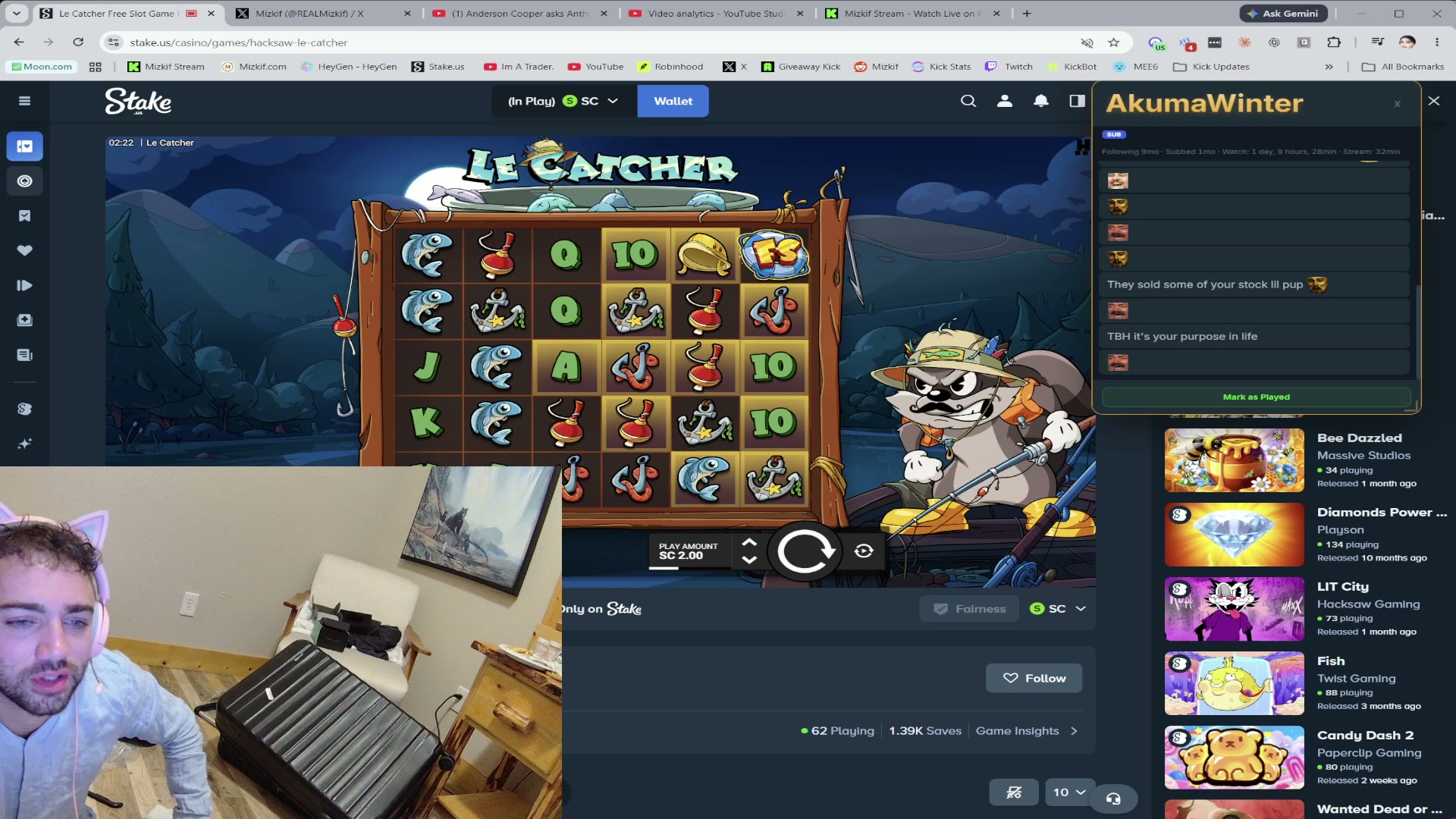
Recent News for mizkif
Mizkif Gambling Timeline And Stake Backlash
The Mizkif gambling story is not a one-clip scandal and it is not a casino review. It is a credibility story. Public interest keeps returning to the same gap: an earlier anti-gambling stance, later Stake-related discussion, and a backlash from viewers who noticed the difference immediately.
That is why search results for Mizkif gambling are heavy on videos, Reddit threads, and commentary instead of casino offers. People are not looking for slots. They are trying to reconstruct a timeline, separate reporting from forum lore, and understand why a Twitch streamer gambling debate turned into a wider argument about sponsorship ethics.
For fairness-focused players, that framing matters. Influencer gambling coverage often gets reduced to team sports, where one side says hypocrisy and the other says business. The cleaner way to read it is simpler: what was said in public, what was later reported or shown, what part involved Stake, and what viewers were actually reacting to at each stage.
This explainer stays in that lane. It covers the anti-gambling posture that helped define the early conversation, the reported refusal of a large gambling sponsorship, the later Stake sponsorship discourse, and the Bryce Hall gambling incident that pulled the issue back into the feed. Where public claims are repeated without primary receipts, they are marked as reported rather than treated as settled fact.
What The Mizkif Gambling Story Is Really About
The core of Mizkif gambling is not whether gambling content exists on the internet. That part is old news. The live issue is whether a creator with a visible anti-gambling stance later moved close enough to a crypto casino sponsorship story that viewers felt the record no longer matched the message.
That distinction matters because public memory is selective. Audiences rarely keep a complete archive of streams, clips, and sponsor disclosures in their heads. What they do remember are simple contrasts. If a creator publicly distances himself from gambling streams and later appears in Stake-related coverage, the contradiction becomes the headline even before anyone argues over details.
The search intent reflects that. People searching Mizkif gambling are usually not trying to find a place to play. They want a clean summary of the controversy, the reported Stake sponsorship angle, the Twitch gambling context, and the Bryce Hall clip cycle that helped push the subject back into broader creator drama.
So the right frame is a timeline, not a verdict. A careful explainer should separate what was plainly public, what was reported by others, and what remains internet shorthand. That is especially important in gambling coverage, where strong opinions travel faster than receipts and a repeated claim can start posing as established fact if nobody forces it back into order.
A Timeline Of The Main Mizkif Gambling Events
Early Anti-Gambling Stance
Public coverage repeatedly frames Mizkif as a creator who criticized gambling content rather than joining it. That matters because it set expectations. Once an audience hears a firm anti-gambling stance, later sponsorship choices are judged against that record, not in a vacuum.
Reported Refusal Of A Major Deal
One of the most repeated parts of the Mizkif gambling controversy is the claim that he turned down a huge gambling sponsorship, often described as a 10 million dollar offer. The number matters because it cast the stance as expensive, principled, and hard to misread. In the absence of contract receipts, the precise commercial terms should still be treated as reported, not independently verified here.
Later Stake-Related Coverage
The argument changed once Mizkif Stake coverage began circulating. Whether viewers saw it as a full change of heart, a business decision, or a narrower content experiment, the reaction was similar: if the earlier message was anti-gambling, why was a Stake sponsorship now part of the picture? That apparent reversal is the center of the story and the reason the topic still draws searches instead of fading into normal streamer churn.
The Bryce Hall Incident
The Bryce Hall gambling incident kept the issue alive because it widened the audience. Instead of staying a niche debate about one creator's prior comments, it became a broader streamer controversy about gambling streams, on-camera conduct, and how creator circles normalize casino branding. By that point, the Mizkif gambling debate was no longer only about one sponsor. It was about influence, consistency, and whether disclosure kept pace with the content.
Why The Backlash Landed So Hard
There are three reasons the backlash around Mizkif gambling traveled further than a routine sponsorship dispute. First, anti-gambling language creates a strong before-and-after record. Viewers may tolerate a creator taking a casino deal. They react more sharply when the same creator was previously identified with the opposite message.
Second, Stake is not just any brand in online sponsorship talk. It sits at the center of the modern crypto gambling debate, so even loose association attracts more scrutiny than a generic ad read. When Mizkif gambling streams or Stake-related clips entered the conversation, critics did not need much prompting. The brand context did half the work for them.
Third, Twitch gambling rules were already part of the wider market conversation. That meant audiences were primed to read any new gambling sponsorship as a policy story as well as a creator story. Once platform rules, crypto casino branding, and influencer marketing are all in the same frame, community reaction tends to accelerate.
There is also a smaller but important point. Public debate often collapses different things into one pile: a direct sponsorship, a stream segment, a guest appearance, a joke, or a clip cut to maximize outrage. Those are not identical. Even so, the Mizkif gambling controversy stuck because the perceived contradiction was easy to understand, even for viewers who did not follow every detail.
What Can Be Stated Cleanly And What Still Needs Receipts
In gambling coverage, the fastest way to lose credibility is to turn repetition into proof. The Mizkif gambling discussion is a good example of why that rule matters. A lot of people know the outline. Far fewer can distinguish a documented event from a repeated claim that hardened into internet memory.
Here is the clean version a careful reader can use:
- Public anti-gambling comments are central to the story and explain why later coverage drew a stronger reaction than a normal brand tie-in.
- A large refused sponsorship, often cited as a 10 million dollar gambling deal, is part of the public narrative but should be described as reported unless backed by contract-level evidence.
- Later Stake-related coverage is what turned an old stance into a live controversy again.
- The Bryce Hall gambling incident helped recirculate the issue beyond Mizkif's core audience.
- Private motives, exact payment terms, and off-camera negotiations should not be stated as fact without primary-source receipts.
That distinction is not legal padding. It is the difference between reporting and content recycling. For readers who care about fairness, the right habit is simple: separate what was publicly said, what was publicly shown, and what is still being inferred. The Mizkif gambling story is easier to understand once those layers stop getting mixed together.
What Players And Viewers Should Take From This
The lasting value in the Mizkif gambling story is not creator drama for its own sake. It is a reminder that gambling marketing often arrives wearing a familiar face. A streamer does not need to pitch odds or bonus codes for the commercial effect to land. Presence, normalization, and repeated exposure do plenty on their own.
For players already active on sites like Stake, Roobet, Shuffle, Rainbet, or BC.Game, the practical lesson is to judge disclosure and consistency as hard as you judge a casino's own claims. Ask basic questions. Was the gambling content clearly framed? Was a sponsorship or brand relationship obvious? Did the public explanation match the creator's earlier stance? If not, the gap is part of the story.
That is also why a timeline matters more than outrage clips. Public trust rarely breaks because of one frame. It breaks when a record stops matching the message. In the case of Mizkif gambling, the anti-gambling stance, the reported sponsorship refusal, the later Stake sponsorship discussion, and the Bryce Hall incident are the points that keep resurfacing for a reason.
The short version is straightforward. Readers searching Mizkif gambling usually want a clean account of what changed and why it drew heat. The answer is not especially glamorous: a visible shift, a sensitive industry, and an audience that noticed. In gambling coverage, that is often enough to light the whole room.