


Last 30 days

 USA
USA English
Affiliate Benefits
Aff code benefitsLow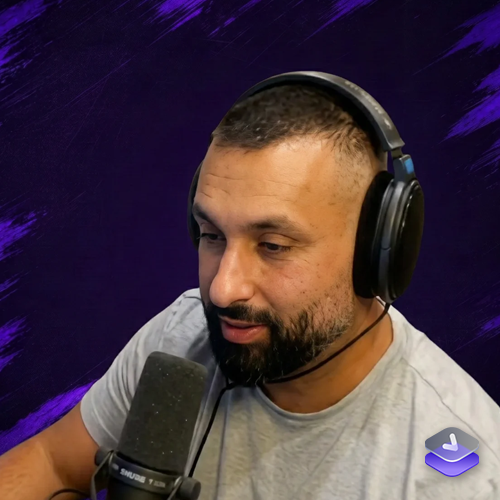
Growth
StakeLifetime Data
2026-09-16
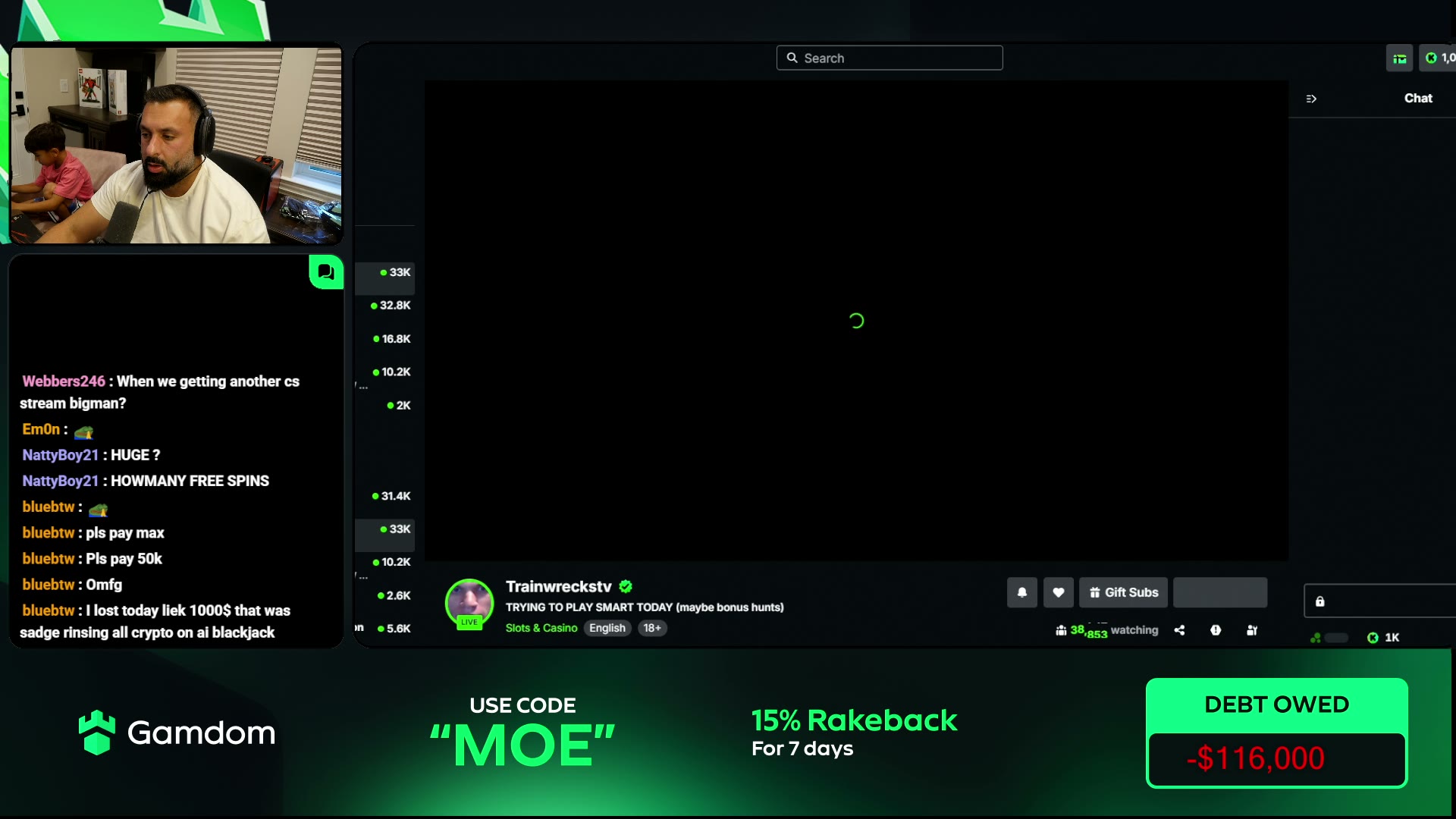
Slots on the DOM !deal for new gamdom deal info. !Gamdom for 15% rake back
Activity
Past Streams
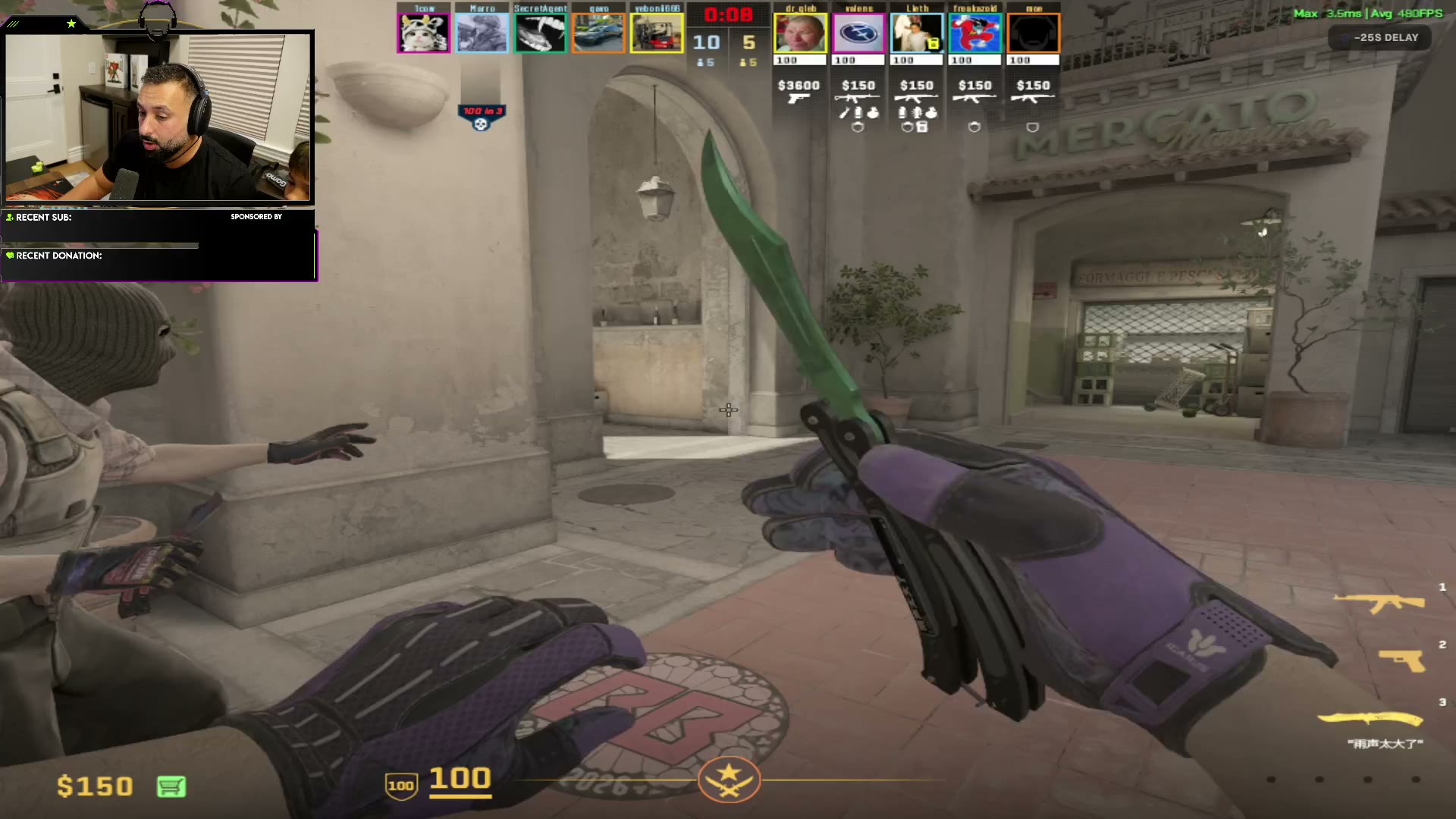
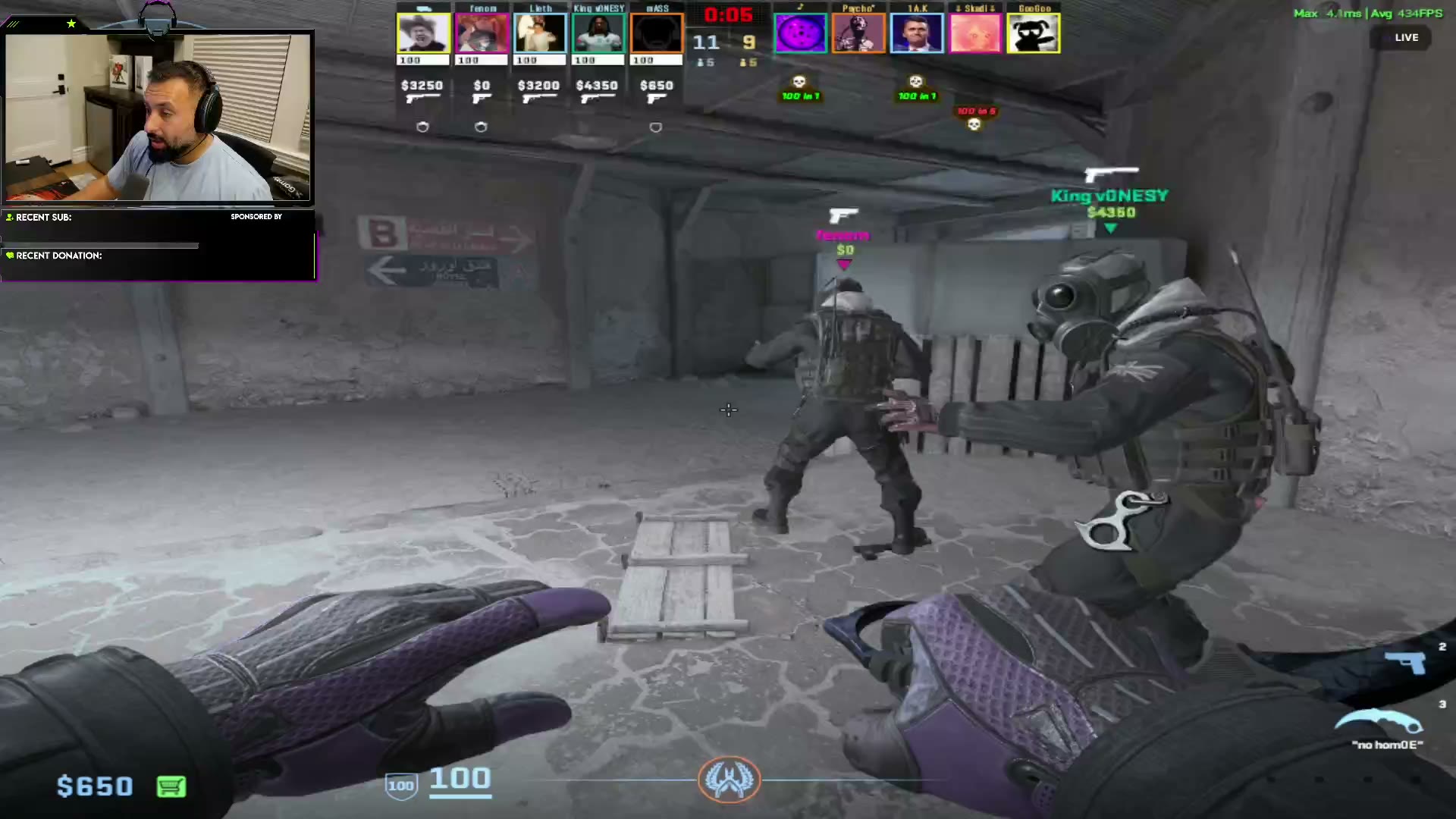
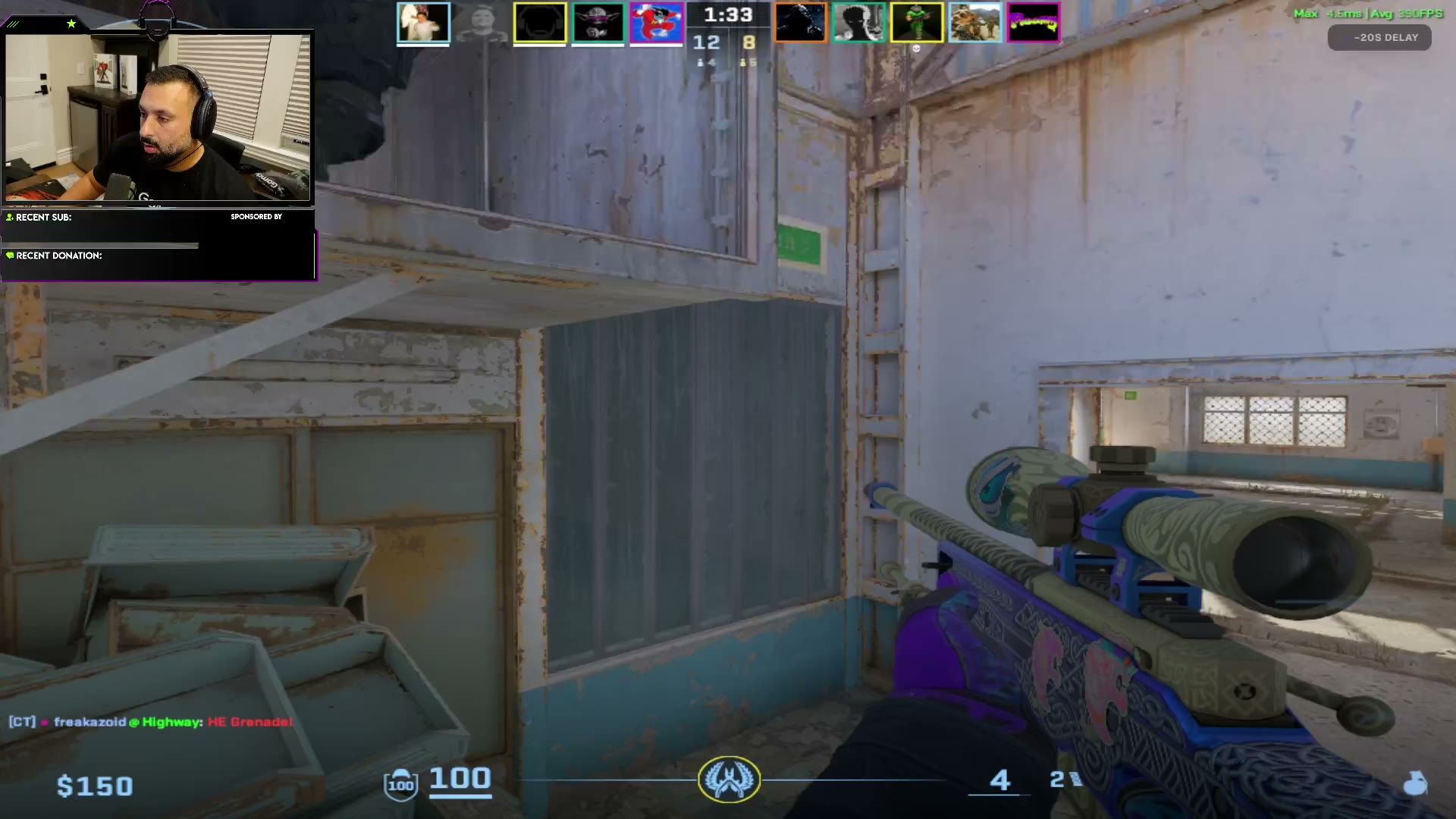
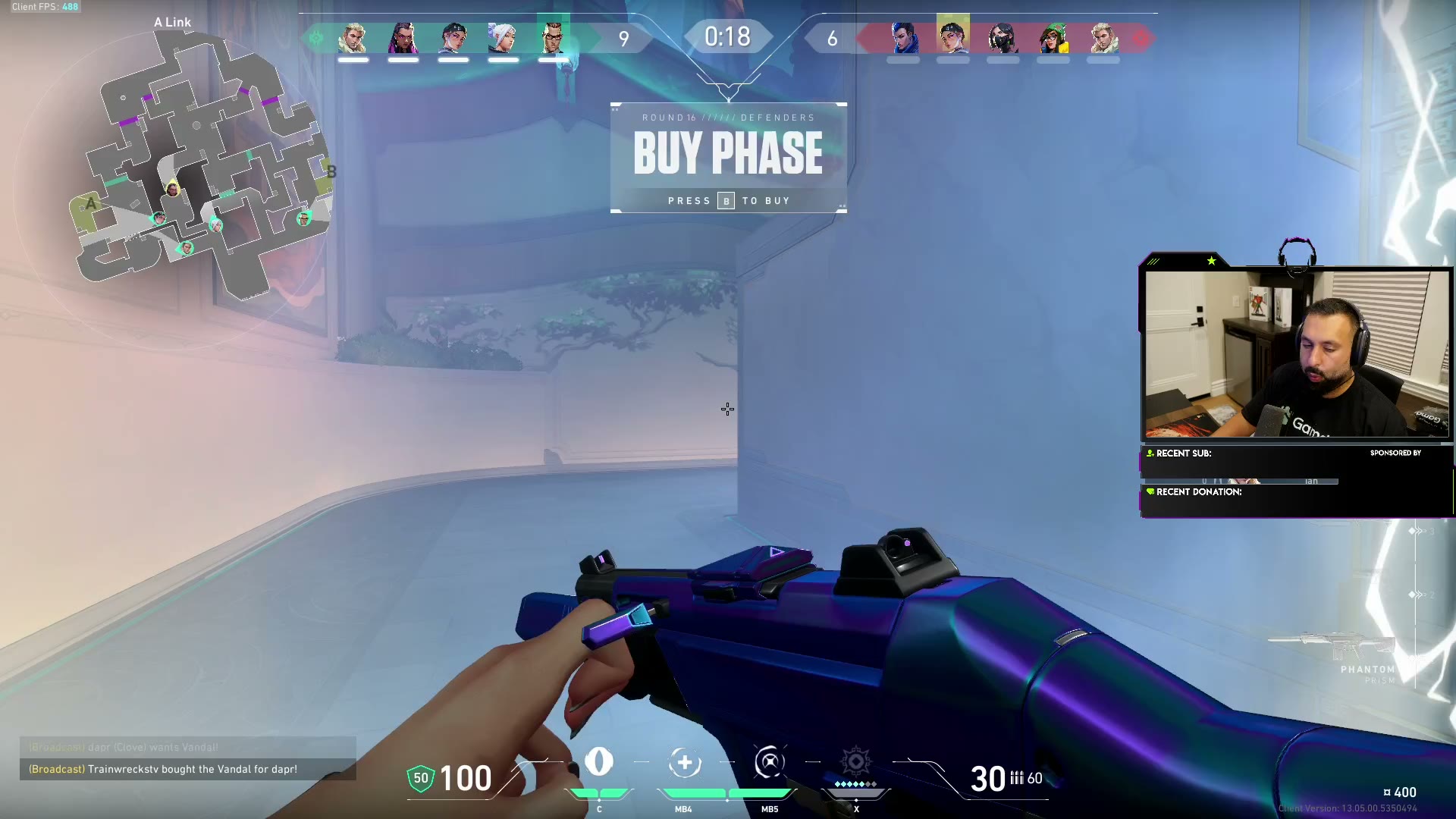
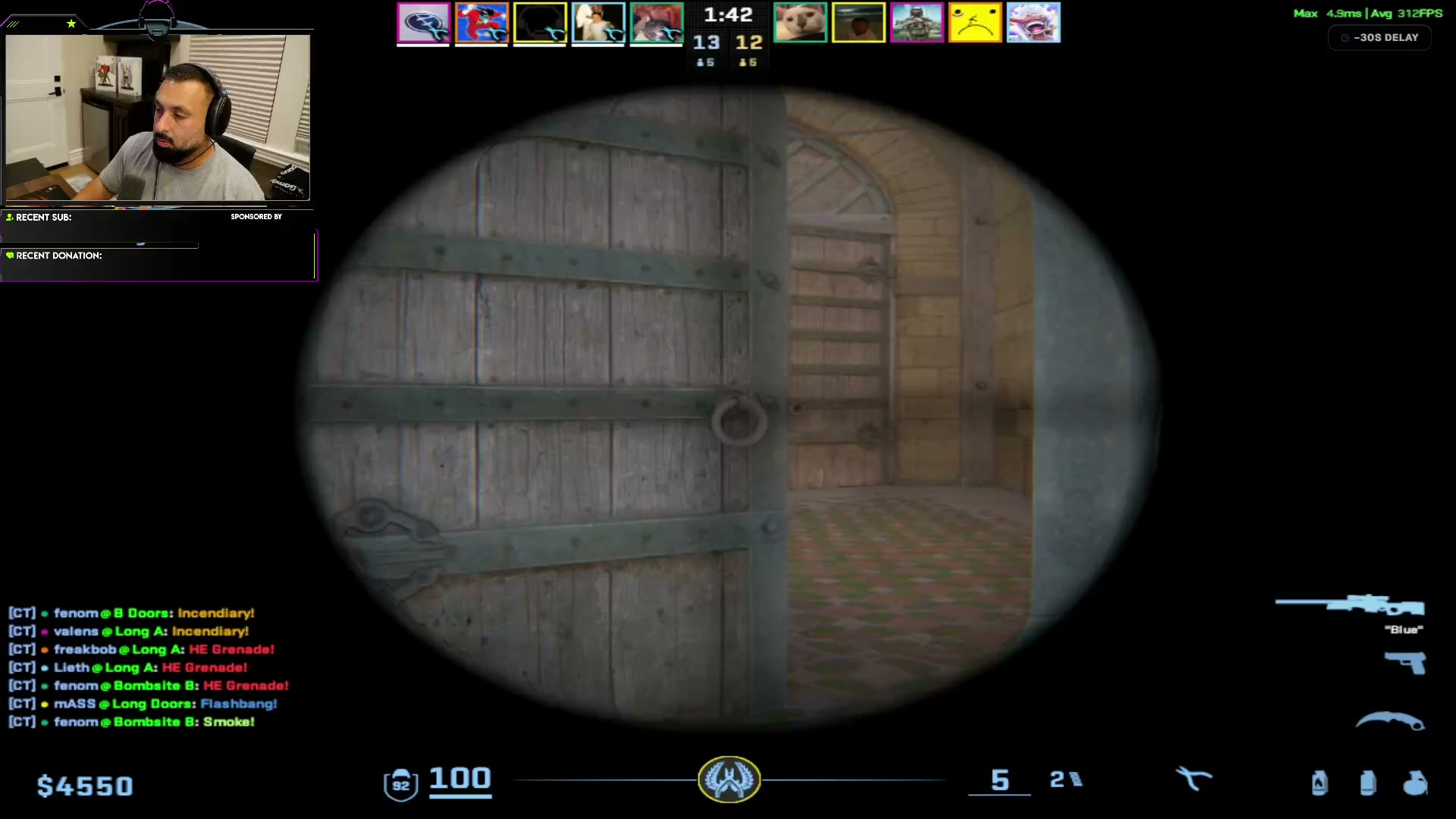
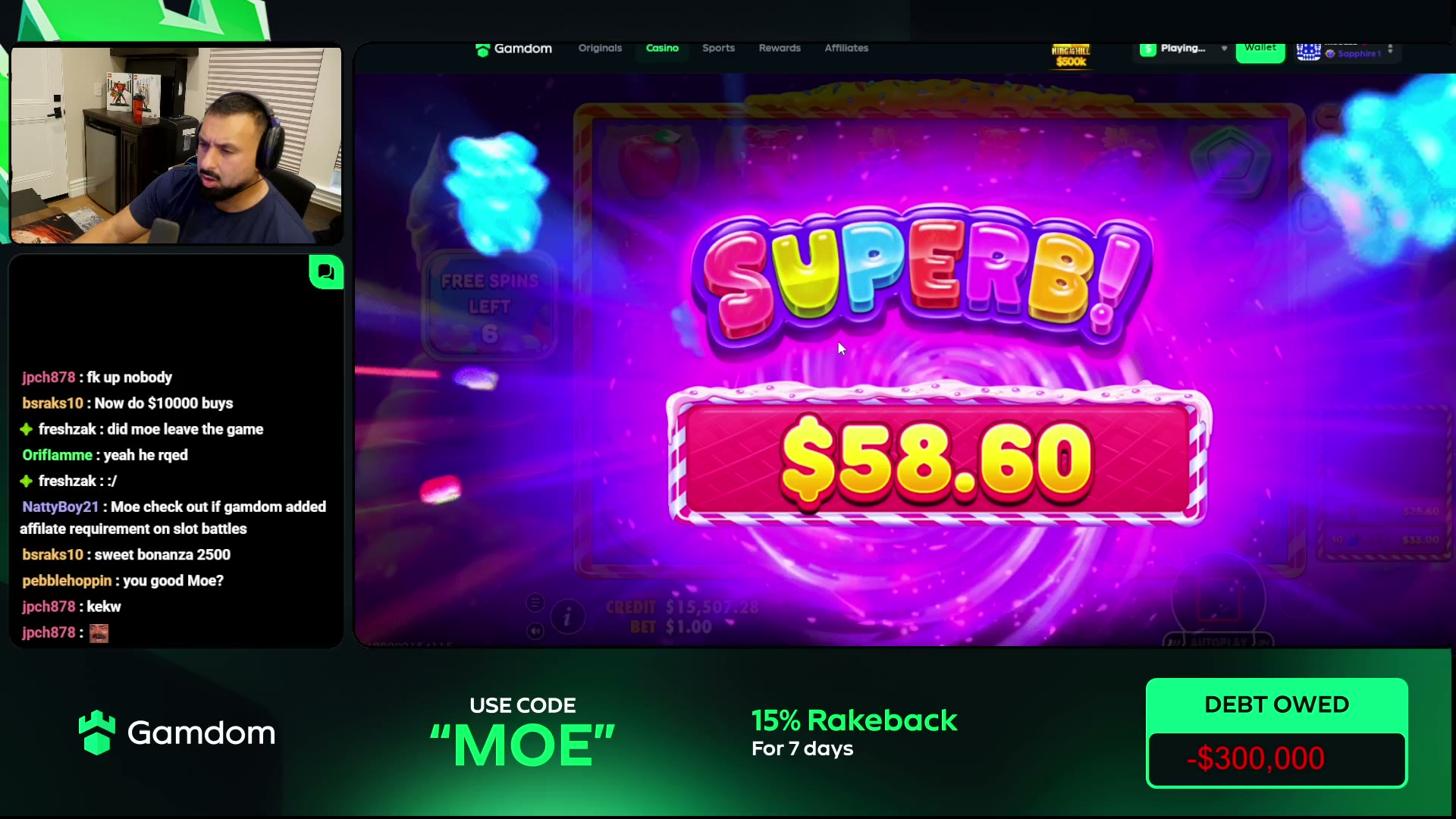
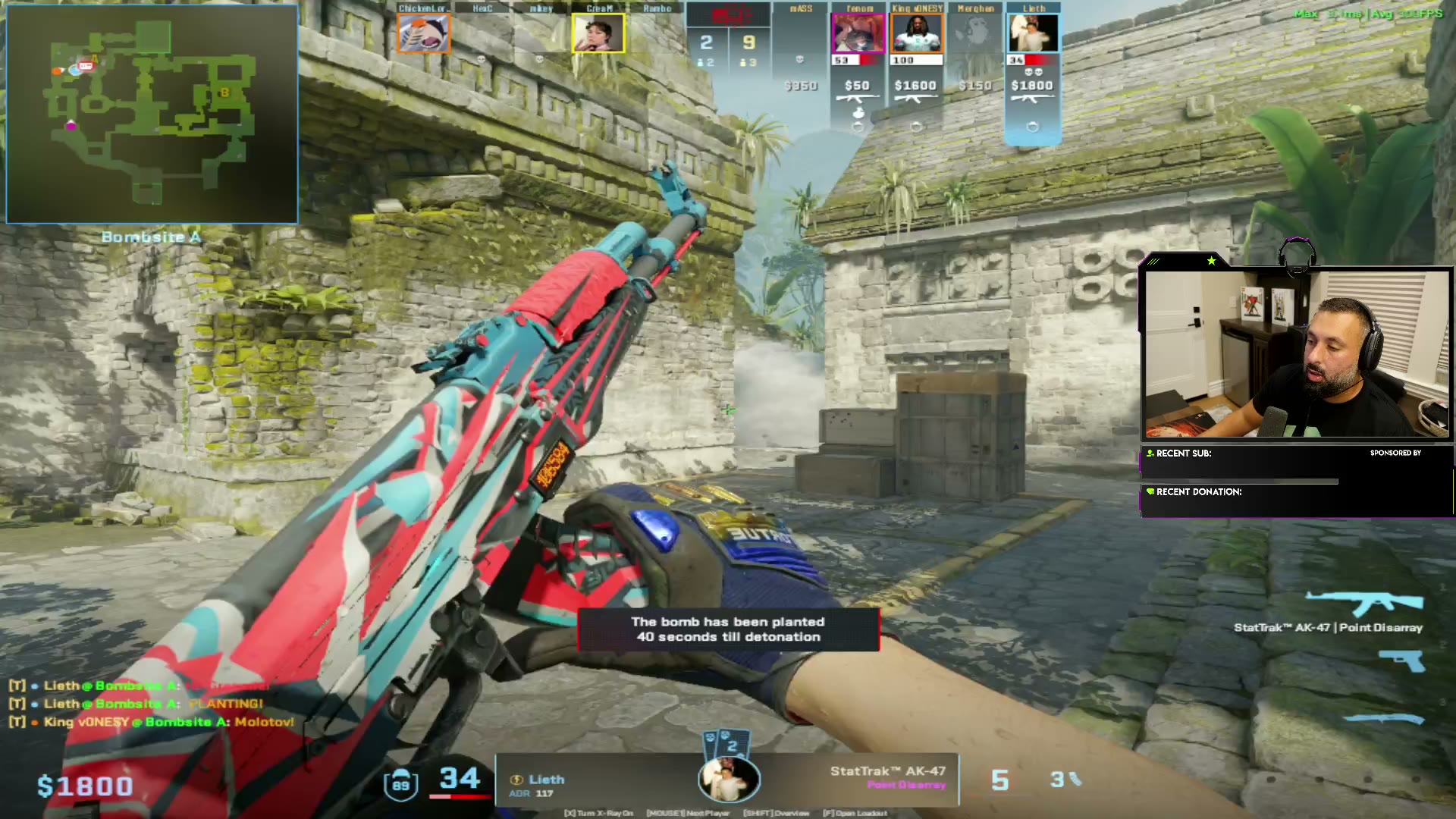
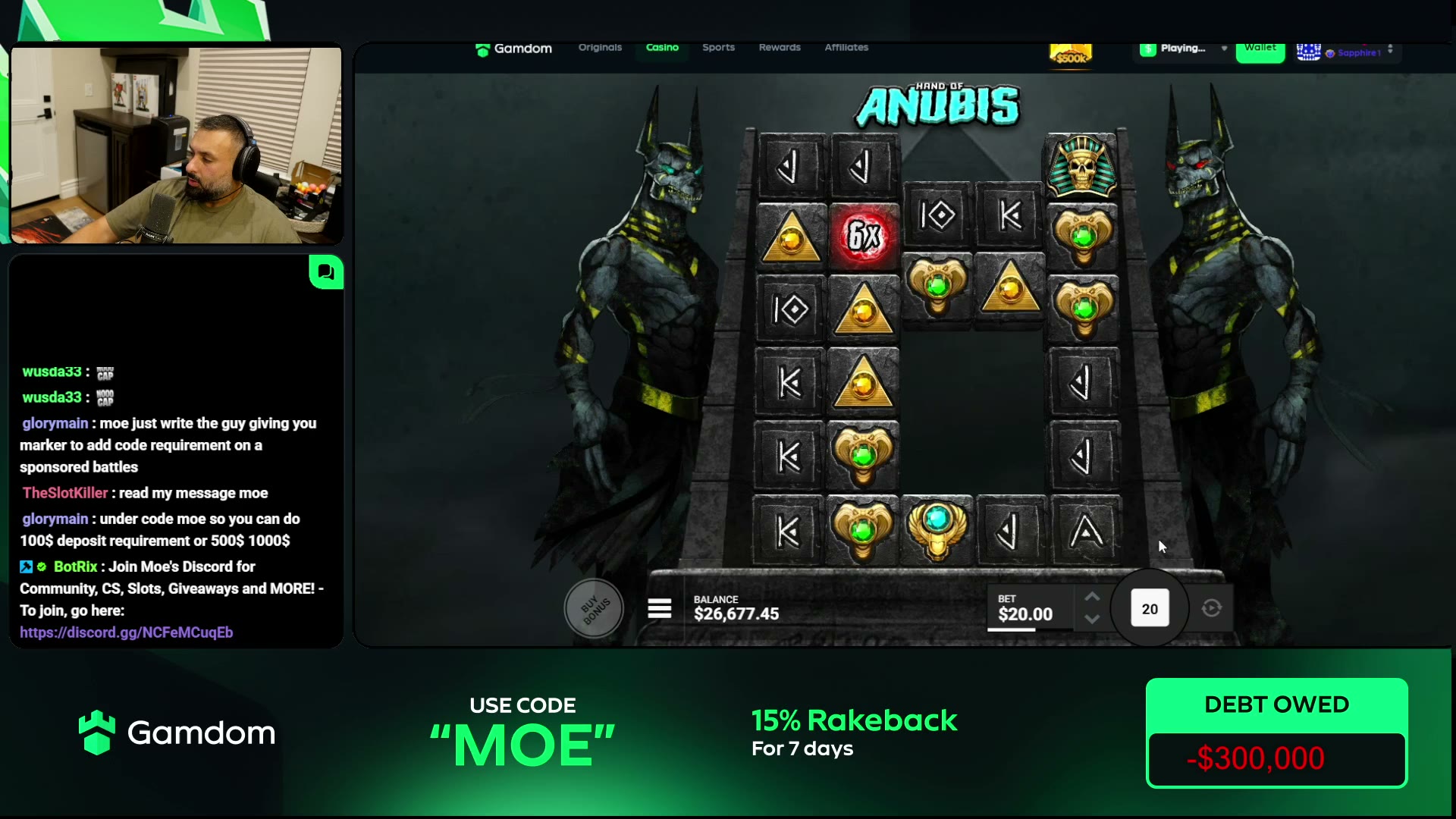
Recent News for m0e_tv
m0e_tv Gambling: What Public Records Actually Show
This is a receipt-based profile of m0e_tv gambling, not a fan page, a hit piece, or an affiliate review wearing a fake mustache. The public record supports a narrow but meaningful statement: there is gambling-related content associated with m0e_tv, and there is search interest around that association.
That is where the verified record stops.
The supplied evidence does not verify wallet data, casino account records, sponsorship agreements, or payout confirmations. No on-chain deposit trail is established here. No casino back-office ledger is in hand. No signed commercial deal is documented. No withdrawal receipt proves what was won, lost, paid, clawed back, or quietly recycled through the influencer-casino content machine.
That distinction matters because gambling content is often packaged to look more transparent than it is. A stream can show wagers without showing who funded them. A balance can appear on-screen without proving ownership, liquidity, or cashability. A creator can discuss a casino without a public sponsorship agreement. A clip can generate search demand without confirming the economics behind it. The internet loves a spectacle; records prefer paperwork.
So the clean version is this: public sources show gambling-related visibility around m0e_tv, and users are searching for it. They do not, on the evidence supplied, prove the financial plumbing behind it.
For readers, that means the right question is not “Did gambling content exist?” The better question is “What can be independently verified?” Until wallet flows, account statements, contract terms, or payout confirmations are on the table, the hard claims stay unproven. The receipts may arrive later. For now, the record is thinner than the thumbnail.
Quick verdict: what is verified and what is not
The cleanest verified fact in the m0e_tv gambling story is the person behind the handle. Liquipedia identifies Mohamad “m0E” Assad as a retired American Counter-Strike: Global Offensive and Counter-Strike: Source player, born September 7, 1986. That part does not need streamer lore, Discord archaeology, or a heroic retelling from chat. It is documented.
The gambling angle is also public, but the quality of attribution changes quickly once the claims get more specific. A Reddit thread from r/GlobalOffensive describes m0E as someone who “has become a bit notorious for his gambling habits on his stream,” which verifies that gambling discussion around him has existed in public community channels, not just in private rumor mills or SEO sludge (Reddit thread). There are also public gambling-win clips: a YouTube video titled “TOP 5 MOE’S BIGGEST WINS” shows 43K+ views and carries a snippet about “Wins 200K Then Losing It ALL…”. That proves the content exists. It does not, by itself, prove net profit, sponsorship terms, bankroll source, or payout settlement.
Where the receipts thin out is where the money usually matters most. The supplied sources do not show a public sports-bet tracker, a community ledger, pre-kickoff bet slips, or confirmed BTC payouts. CasinosInCanada states that there is no public sports-bet tracker, no community ledger, no pre-kickoff slips, and no confirmed BTC payouts. That is the difference between “streamer gambles on camera” and “independently auditable gambling record.” One is content; the other is evidence.
A Stake contract is not verified here. No supplied contract, operator disclosure, wallet trail, or payout documentation confirms one. Net worth is not verified here either. No supplied filings, bank records, wallet records, tax documents, or audits support a hard number. So the verdict is simple: m0E’s Counter-Strike background is verified, public gambling content and discussion are visible, but the financial machinery behind m0e_tv gambling remains unproven on the evidence supplied.
Who is m0E_tv?
m0E_tv is tied to Mohamad “m0E” Assad, a name that did not arrive in gambling content as a blank affiliate handle or faceless casino avatar. Liquipedia identifies Mohamad “m0E” Assad as a retired American professional Counter-Strike: Global Offensive and Counter-Strike: Source player, born September 7, 1986. That matters because the audience did not first encounter him through a bonus code, a slot thumbnail, or the usual casino-streamer costume rack. Many already knew the brand from Counter-Strike.
That esports background is the key context for understanding m0e_tv gambling content. Counter-Strike is not a decorative footnote here; it is the source of pre-existing recognition. When a former professional player moves into gambling-related content, the trust dynamics are different from a standard operator advertisement. Viewers are not just evaluating a casino pitch in isolation. They are seeing it through the older lens of a familiar esports personality.
This is why the identity question comes before any discussion of games, sites, promotions, or stream economics. A gambling account with no established history has to build attention from scratch. A retired Counter-Strike figure brings an audience memory with him. That does not prove anything about the quality, safety, or fairness of the gambling products connected to the content. It simply explains why the content had a warmer runway than a random casino account shouting into the void.
So the short version is clean: m0E_tv refers to Mohamad “m0E” Assad, a retired American CS:GO and CS:Source professional whose gambling content sat on top of an esports reputation built before the casino angle entered the frame. In this corner of the internet, that prior recognition is not trivia. It is distribution.
What public sources show about m0e_tv and gambling
The public record around m0e_tv gambling is not a clean financial ledger. There are no on-chain deposit trails, operator wallet receipts, or audited win/loss statements in the materials here. What exists is the messier but still relevant public layer: profile snippets, forum memory, and YouTube clips that show gambling has been a visible part of the m0e_tv story for years.
The most direct current-facing reference is on the m0E_tv X profile, where the visible snippet reads: “When i came back to gambling i told myself im willing to go full degen and lose money to build up my stream again. But tonight wasnt what I meant. I want to ...” That is not a balance sheet. It does, however, publicly frame gambling as something tied to rebuilding stream momentum, with the kind of “full degen” language gambling audiences know too well. The house loves a comeback arc. The bankroll usually has notes.
Older community discussion points in the same direction. In a Reddit thread asking who m0e_tv is, users on r/GlobalOffensive described him as becoming “a bit notorious for his gambling habits on his stream”. Reddit is not a court filing, and community reputation is not audited proof. But it is a timestamped public reference showing that the gambling association was not invented yesterday by an algorithm farming outrage.
YouTube search visibility adds more smoke, though not the kind that should be mistaken for verified fire. A clip titled “TOP 5 MOE’S BIGGEST WINS” has 43K+ views and was posted 9 years ago. Its visible snippet includes “Wins 200K Then Losing It ALL… Anti Gambling Gambling Club Why m0E_TV should NEVER be forgiven... m0E opening cases.” That wording packages wins, losses, gambling criticism, and case opening into one public-facing trail.
A newer clip, “MOE IS BACK (2025)”, has 8.3K+ views, and its snippet again references “Anti Gambling Gambling Club • Why m0E_TV should NEVER be forgiven...”. Taken together, these sources show a long-running public association between m0e_tv and gambling content. They do not prove exact losses, sponsorship terms, or operator relationships. They do show that the gambling angle is not hidden in the basement. It is right there in the search results, wearing sunglasses indoors.
The big-win problem: clips are not accounting records
A viral win clip is proof of one thing: gambling content exists. That matters for documenting the presence of m0e_tv gambling on-stream or in social feeds, but it does not do the heavier work people often want it to do. A highlight reel is not a ledger. It is not a bank statement. It is not a withdrawal receipt wearing a thumbnail.
The basic accounting problem is simple. A clip can show a spin, a hand, a multiplier, or a balance on a screen. It cannot, by itself, prove net profit or net loss. It does not show how much was deposited before the session, what was wagered off-camera, what was withdrawn afterward, or whether the displayed balance survived contact with the cashier page. The casino lobby is not the audit trail; it is the stage.
That distinction matters because gambling streams are built for moments, not reconciliation. The biggest hit gets clipped. The dead hours, reloads, reversals, failed withdrawals, bonus terms, and balance resets rarely get the same cinematic treatment. A viewer sees the explosion. The money trail, if there is one, stays conveniently off-screen.
Nor does a clip prove where the bankroll came from. Without deposits, withdrawals, wallet balances, or contract documents, there is no basis to say whether the funds were personal, sponsored, bonused, or otherwise subsidized. Those categories are not cosmetic. A streamer gambling with personal money is not the same evidentiary event as a streamer gambling with house funds, promotional balance, affiliate-linked incentives, or a deal that changes the real economic risk.
This is where the big-win genre does its best magic trick. It turns accounting into vibes. A balance flashes, chat erupts, the title says “insane,” and the audience is invited to treat the clip as financial reality. That may be entertaining, but entertainment is not substantiation.
For m0e_tv gambling claims, the useful receipts are boring by design: deposit records, withdrawal confirmations, wallet balances, transaction histories, and contracts showing whether any bankroll support or promotional arrangement existed. Until those appear, the correct reading is narrow: the clips show gambling content. They do not prove the economics behind it.
Is there evidence of a m0e_tv Stake deal?
Search interest around m0e_tv gambling and Stake is real enough to be visible as a topic people are looking for. That is not the same thing as proof of a deal. The supplied evidence does not verify a Stake contract, an operator disclosure, an affiliate dashboard, a sponsorship filing, a payout record, or a wallet trail tying m0e_tv to Stake.
That distinction matters. Gambling sponsorships are not vibes-based instruments, even when the marketing around them is built to look casual. A real commercial relationship usually leaves receipts somewhere: a disclosed promo code, a visible stream overlay, an operator statement, an affiliate link, a payment trail, a business filing, or some other dated artifact that can survive contact with scrutiny. None of those have been supplied here.
Third-party claims should therefore stay in their cage: claims. A forum post, clipped chat message, social-media allegation, or “everyone knows” thread may explain why people are searching, but it does not establish a contract or paid placement. The gambling industry has enough fog machines already; there is no need to add another one for free.
The evidence standard is simple. To verify a m0e_tv Stake deal, you would want to see at least one of the following: a contract or sponsorship disclosure; confirmation from the operator; a stream overlay or affiliate-code disclosure; wallet deposit and withdrawal records; publicly traceable payouts; tax, business, or litigation filings; archived terms; or, for sports-betting claims, dated pre-event bet slips. Each item is imperfect on its own, but together they start to form a paper trail rather than a rumor with a logo on it.
On the current record, the careful answer is: no verified evidence of a m0e_tv Stake deal has been provided. Search activity can point to public curiosity. It cannot authenticate sponsorship money, affiliate commissions, or operator involvement. Until primary-source receipts appear, any assertion that m0e_tv had a Stake deal should be read as unverified.
Does m0e_tv have a public betting ledger?
The public record is thin where it matters. CasinosInCanada’s m0e_tv investigation says m0e_tv has “no public sports-bet tracker — no community-built ledger of wagers, no posted slips before kickoff, no confirmed BTC payouts ...” For anyone trying to verify m0e_tv gambling claims, that is the hard stop: no public ledger means no clean way to match what was said on stream with dated slips, stake sizes, odds, settlements, and withdrawals.
That absence cuts one way only. It limits verification; it does not prove no private betting happened. A missing public tracker is not an alibi, and it is not a conviction. It simply leaves viewers with claims, clips, and vibes — the soft currency operators and streamers tend to prefer when the receipts might get awkward.
The contrast with broader crypto-casino analytics is sharp. FairGambling’s deposit/withdrawal timeseries tracks 41 casinos, with 365-day deposit volume at $37.9B, 5.7M deposit wallets, and an average deposit size of $677.60. The market is concentrated: the top three brands account for 63.1% of monthly deposit volume, while Stake alone processed 2.8M deposits this month.
The wallet-level picture is just as useful. FairGambling records 61.2% of wallets as one-time depositors, average deposits per wallet at 3.8, median time between deposits at 2.4 days, and 8.4% of wallets making 10+ deposits. That kind of data does not identify m0e_tv’s private betting, but it shows what verifiable gambling activity looks like when money actually leaves fingerprints.
The biggest observed deposits underline the scale: Stake at $2.4M on ETH, Roobet at $1.1M on TRX, Rainbet at $890K on ETH, Shuffle at $542K on SOL, and Duel at $410K on TRX. The biggest withdrawals are larger still in places: Stake at $3.8M on ETH, Roobet at $1.7M on TRX, Rainbet at $920K on ETH, Shuffle at $615K on SOL, and Duel at $387K on TRX. That is the difference between a public-money trail and a streamer narrative. One can be audited. The other asks to be believed.
What his current public audience footprint looks like
The public footprint around m0e_tv gambling is measurable, and it is not built on mystery. His Instagram profile, @m0e_tv, shows 9.2K+ followers, 594 following, and 115 posts, with the bio: “Father/Husband Streamer/Youtuber DM for business inquires.” That is the clean front door: creator branding, family identity, and an open business inbox in the same line. Subtle? Not exactly. Useful? Yes.
On Twitch, Streams Charts lists m0e_tv at 70h 55m streamed, with 789 peak viewers and 398 average viewers. The same tracker ranks him #6297 on Twitch in 2026 so far. That puts the channel in visible-but-not-celebrity territory: large enough for casino acquisition teams to notice, not large enough to pretend the whole internet is watching.
FairGambling’s streamer page labels m0e_tv as a Kick streamer. His current casino is Gamdom, with Stake listed as a past casino. The page assigns him an estimated market value of $799K and an estimated monthly payment of $100K/mo. Those numbers explain why these sponsorships deserve scrutiny: this is not tip-jar entertainment with a roulette tab open in the corner.
The last 30 days show 7.9K hours watched, 902 peak viewers, 211 average viewers, 87h 9m airtime, 19 active days, and +183 followers. Lifetime figures list 11.4K followers, 5.3K peak viewers, 115 average viewers, 87h airtime, and 617 active days. His affiliate code is “moe,” carrying 15% rakeback for 7 days. His last listed stream was on 2026-08-14, titled: “were down 150k trying to run it back! !Gamdom for 15% rake back.” The copy rather helpfully says the quiet part with a megaphone.
FairGambling also tracks “moeass” as a Gamdom player: $6.90M wagered, -$990.8K net profit, 12.3% win rate, 15.2K total bets, a biggest win of $402.5K, and a best multi of 840.00x. The same ecosystem page includes “Latest Streamer News,” “Show more (286 left),” “Show all (296),” a “Casinos by Streamer Market Value” table, and a “Free Agent (no deal currently)” category with 3 streamers. For m0e_tv, there is no recent news listed — just the numbers, the code, the casino, and the trail.
What remains unverified
The m0e_tv gambling story still has a large receipts-shaped hole in the middle of it. The public record does not verify the numbers that matter most: net worth, casino deal economics, real-money bankroll, gambling profit, or sports-bet performance. That does not prove the claims false. It means they remain claims, not established facts.
Net worth is the first obvious gap. Verifying it would require filings, audited financial records, verified wallet holdings, or business records. None of those are present here, so any hard figure attached to m0e_tv’s wealth sits outside the verified record.
The same applies to any Stake deal or broader casino arrangement. A real verification trail would include a contract, operator disclosure, affiliate dashboard, sponsorship filing, or archived paid-promo disclosure. Without those, the existence, size, terms, and performance of any casino deal remain unverified. In gambling media, this distinction matters: a streamer saying there is a deal is not the same thing as a deal being documented.
The bankroll question is also unresolved. To verify a real-money gambling bankroll, the record would need deposit records, withdrawal records, wallet trails, bank receipts, or exchange receipts. Those are the boring documents that separate an actual bankroll from a performance budget, bonus balance, house money, or pure theatre. At present, the real-money bankroll behind m0e_tv gambling content is not verified.
Casino winnings are no cleaner. Proper verification would require complete session logs, deposit and withdrawal records, game IDs, and transaction records. Screenshots, clips, or celebratory posts cannot establish net gambling results without the losing sessions, funding path, and cash-out trail attached. The casino winnings claim area therefore remains unverified.
Sports-bet profitability is in the same bin. A reliable record would need a public bet tracker, dated pre-event slips, settlement records, and payout records. Without that chain, there is no verified basis for saying whether the sports betting was profitable over time.
Audience exposure to gambling is the one area that is partially contextualized only. To measure it properly, the record would need stream archives, platform analytics, content logs, and viewer demographics. Without those, the scale and makeup of exposure cannot be fully pinned down. The smoke is visible; the full airflow map is not.
How to evaluate any casino streamer, including m0e_tv
The first test for any casino streamer is not charisma. It is receipts. For m0e_tv gambling content, and for every other slot-room spectacle with a flashing balance and a discount code, ask whether sponsorships and affiliate links are disclosed, whether bet sizes make sense against the apparent bankroll, and whether deposits and withdrawals are visible or independently verifiable.
Large gambling streams are often sponsored with a flat fee plus a casino-funded balance. That balance can look like cash on-screen, but it usually cannot be withdrawn. Common deal structures include sponsored balance, keep-what-you-win, loss reimbursement, and own money/no deal. FairGambling checks streamer deal status through disclosure, withdrawal proof, balance behavior, and reaction to losses. If the streamer treats a six-figure loss like a spilled coffee, the eye should narrow.
The basic viewing checklist is ugly but useful: are losses shown as clearly as wins; are demo, bonus, and real-money balances clearly identified; are wager IDs, session IDs, or hashes available; are big wins followed by withdrawals; is there a public ledger; and is the streamer pushing a code while presenting the session as harmless entertainment? Affiliate benefits can include wager share, code drops, leaderboard prizes, and more. FairGambling’s example calculator logic and tiered wager-share rates show why “use my code” is rarely just a friendly nudge from the casino couch.
FairGambling’s evidence standard is built around on-chain analytics, deposit tracking, wallet activity, and provably fair verification. Where primary records exist, the useful receipts are regulator rulings, court filings, official statements, and on-chain transactions — not a streamer saying “trust me, bro” between bonus buys. FairGambling also separates independent editorial and ranking systems from Kickback affiliate activity, uses objective Trust Rankings based on licensing, security, payout speeds, user reviews, and historical data, allows no paid ranking influence, marks corrections with an “Updated” date, and keeps coverage informational only, 18+.
Licensing deserves its own quiet interrogation. Click the license seal in a casino footer and make sure it opens the regulator’s own certificate. Image-only seals, or certificates hosted on the casino’s own domain, are warning signs with a nice font. Match the certificate’s company name to the T&Cs. If there is no seal, search the regulator’s public register directly. Curaçao changed in December 2024, fake regulator lookup sites exist, and a real Curaçao Gaming Authority certificate shows company name, license number, and active status. Stake still displays the Curaçao Gaming Control Board seal but is described as valid under the modernized Curaçao Gaming Authority framework.
The risk is not theoretical. Sweden’s gambling watchdog Spelinspektionen says influencers remain a major problem for unlicensed online casinos, with content appearing on Twitch, Kick, TikTok, Instagram, and Telegram. Affiliate links, codes, and giveaways steer players to black-market sites. Some streamers banned from Twitch are moving to Kick. The regulator has also flagged affiliate link farms, deepfake ads, and esports deals. In March 2026, an influencer received a 22-month prison sentence for economic crimes tied to promoting unlicensed gambling — the first conviction of its kind in Sweden.
When something goes wrong, paper beats vibes again. FairGambling’s Resolution Hub uses a five-step process: file the case, review it, require a casino response within 14 days, mediate with seven days per turn, then publish the outcome as resolved, unresolved, or rejected. It links to its code of conduct and complaints process, and points readers toward responsible gambling resources including BeGambleAware, Gambling Therapy, and GamCare. If a streamer, casino, or affiliate setup cannot survive that level of daylight, the entertainment may be the least interesting part of the show.
Bottom line
m0E is not a ghost account, a recycled affiliate persona, or a faceless casino-side character. He is a real, identifiable former Counter-Strike player whose public footprint includes gambling-related references around his content. That part is visible. The internet did not have to squint very hard to find gambling discussion, clip culture, streamer-platform activity, and third-party scrutiny attached to the m0e_tv gambling conversation.
What is not visible is the part operators and audiences usually care about most: the money trail. The supplied public record does not verify a Stake deal. It does not verify his net worth. It does not establish the source of any bankroll, nor does it show confirmed deposits, withdrawals, wallet balances, or a complete gambling profit-and-loss picture. No receipts, no ledger, no victory lap.
That distinction matters because gambling content is built to look financially legible even when it is not. A stream can show wagers without showing who funded them. A clip can show a win without showing prior losses. A public persona can generate the impression of action while leaving the underlying economics sealed behind the curtain. The camera sees the spin; it does not automatically see the settlement layer.
So the honest verdict is narrow, but solid: m0e_tv gambling is visible as content; the financial reality behind it remains unverified from the supplied public record. Anything stronger would be cosplay accounting. Until deposits, withdrawals, sponsorship terms, or bankroll evidence are tied to primary-source receipts, the only defensible position is to separate what can be seen from what can merely be inferred.
That may be less exciting than the usual streamer-gambling mythology. It is also the point. In this corner of the internet, “everyone knows” has a long history of doing the house’s PR for free.
FAQ
Who is m0e_tv?
Mohamad “m0E” Assad is a retired American Counter-Strike: GO and Counter-Strike: Source player, born Sept. 7, 1986. That esports background matters in any discussion of m0e_tv gambling content because his audience did not appear out of thin air; it was built through competitive Counter-Strike and streaming before casino clips became part of the public association.
Is m0e_tv known for gambling content?
Yes, publicly. Reddit commentary, X-post snippets, and YouTube clips have tied m0e_tv to gambling wins, casino-style content, and “degen” language. That proves public association, not the source of the bankroll, the terms behind the content, or whether the gambling was profitable. Clips are receipts of content being published, not receipts of financial truth.
Does m0e_tv have a verified Stake deal?
No verified Stake deal is established in the supplied facts. There is no contract, operator disclosure, affiliate dashboard, payout record, or other primary-source document confirming such an arrangement. In casino streaming, that gap matters. A logo, a code, or a loud win clip is not the same thing as disclosed consideration.
Are m0e_tv’s biggest wins proof he made money gambling?
No. Big-win videos and highlight clips are content products. They do not show total deposits, total losses, withdrawals, chargebacks, sponsorship offsets, balance type, or whether the same account was later dusted. The casino-streaming trick is simple: the win gets clipped, the bleed often does not.
Is there a public betting tracker for m0e_tv?
Not in the supplied source set. One third-party result explicitly says there is no public sports-bet tracker or confirmed BTC payout trail for m0e_tv. Without that kind of trail, claims about long-term betting performance stay outside the evidence box.
What does m0e_tv’s social presence show?
Instagram shows a modest creator footprint. Streams Charts and FairGambling show platform activity and audience stats, but those analytics are not bank statements. They can help size the audience and locate public activity; they cannot verify deposits, withdrawals, or profit.
Can viewers verify whether m0e_tv used real money?
Not from the supplied facts alone. Real-money verification would require deposits, withdrawals, wallet trails, account records, or payout receipts. Anything short of that is a viewing experience, not an audit.
What should players check before trusting casino streamers?
Look for disclosure, bet IDs, withdrawals, bankroll consistency, loss coverage, balance type, and whether a sign-up code is being sold as entertainment. If the streamer shows the fireworks but not the fuse, keep your wallet out of the blast radius.