


Last 30 days

 Brazil
 Portuguese
Affiliate Benefits
Aff code benefitsNone
Growth
SuperbetLifetime Data
2026-09-18
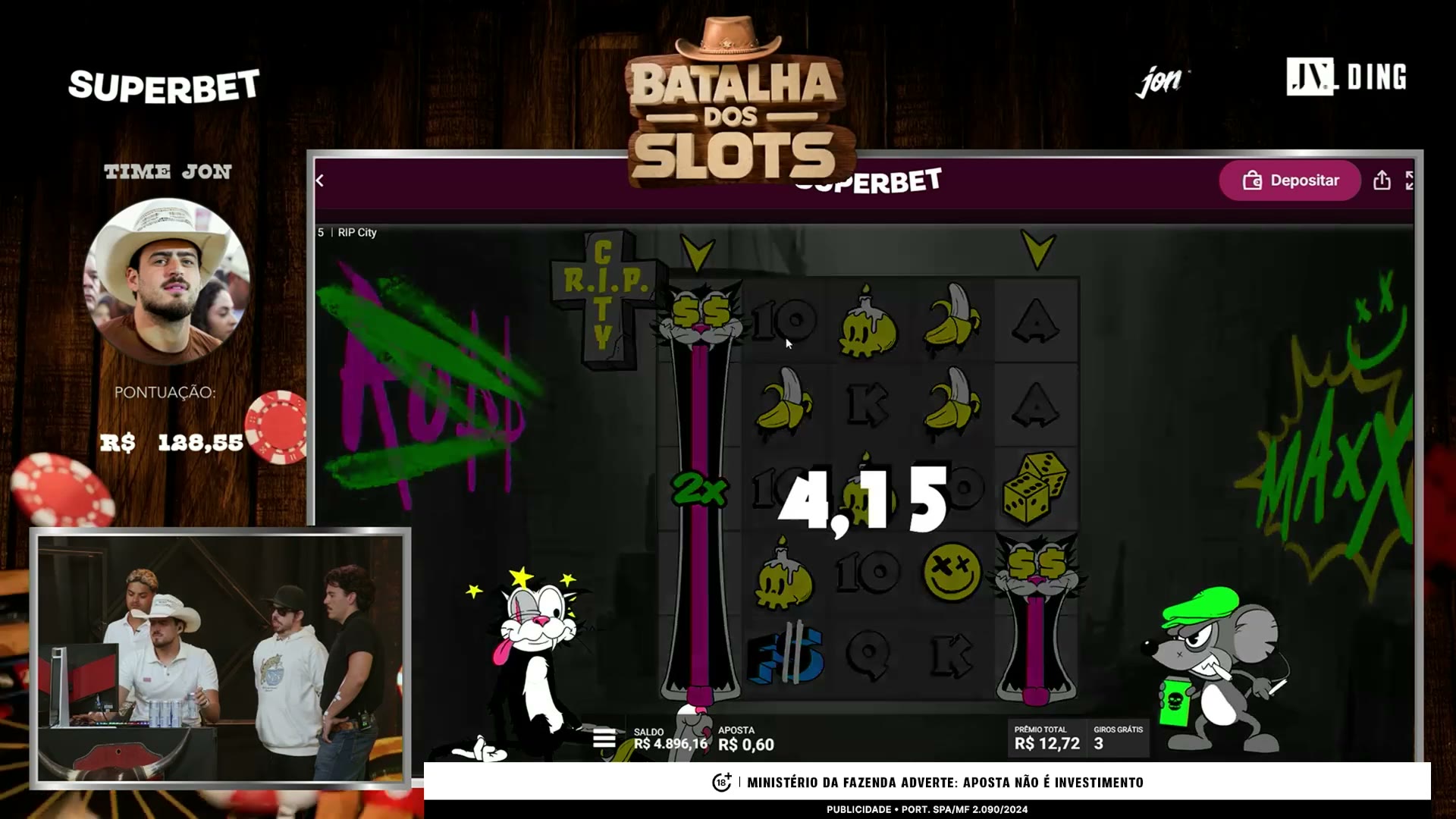
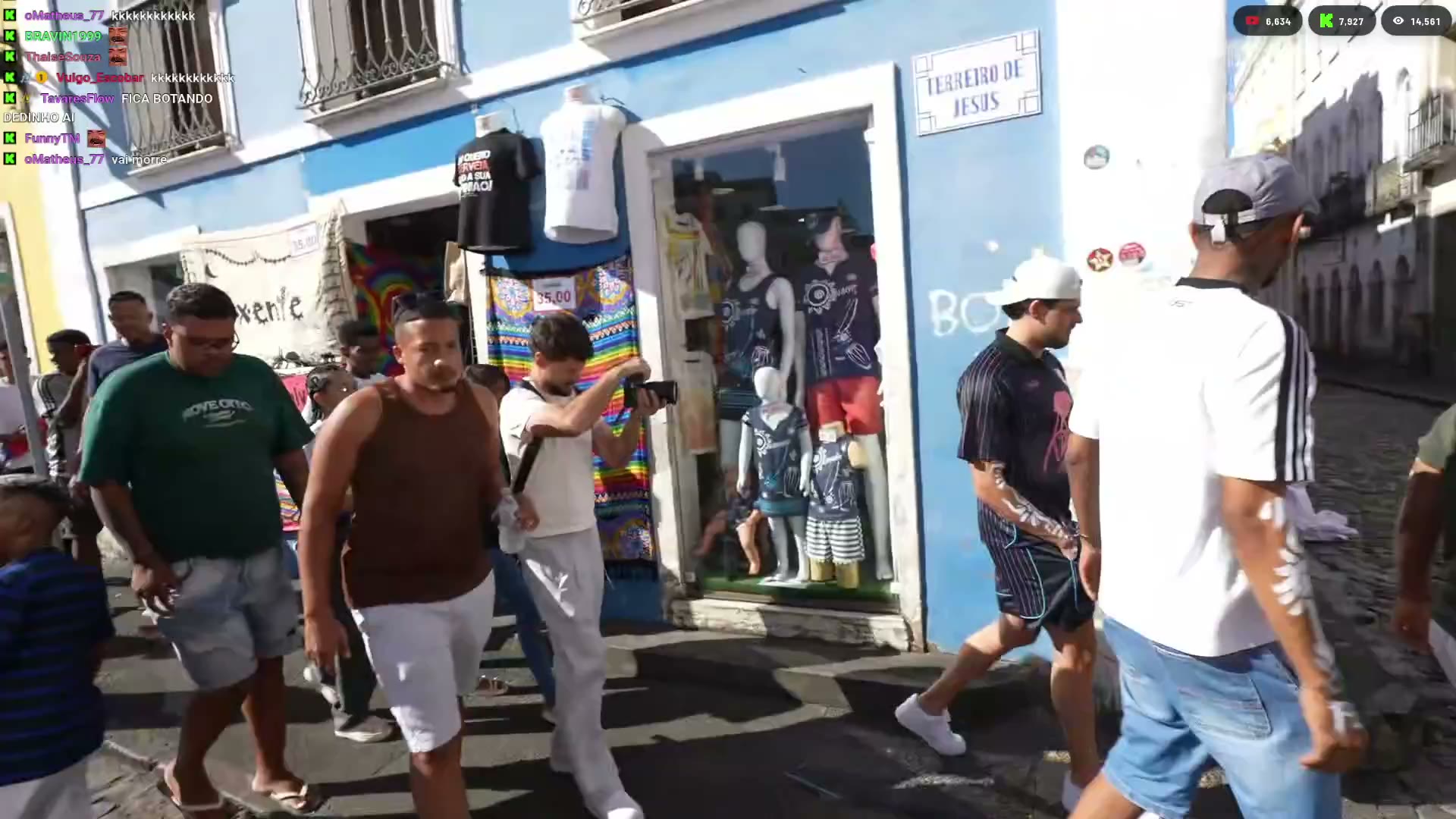
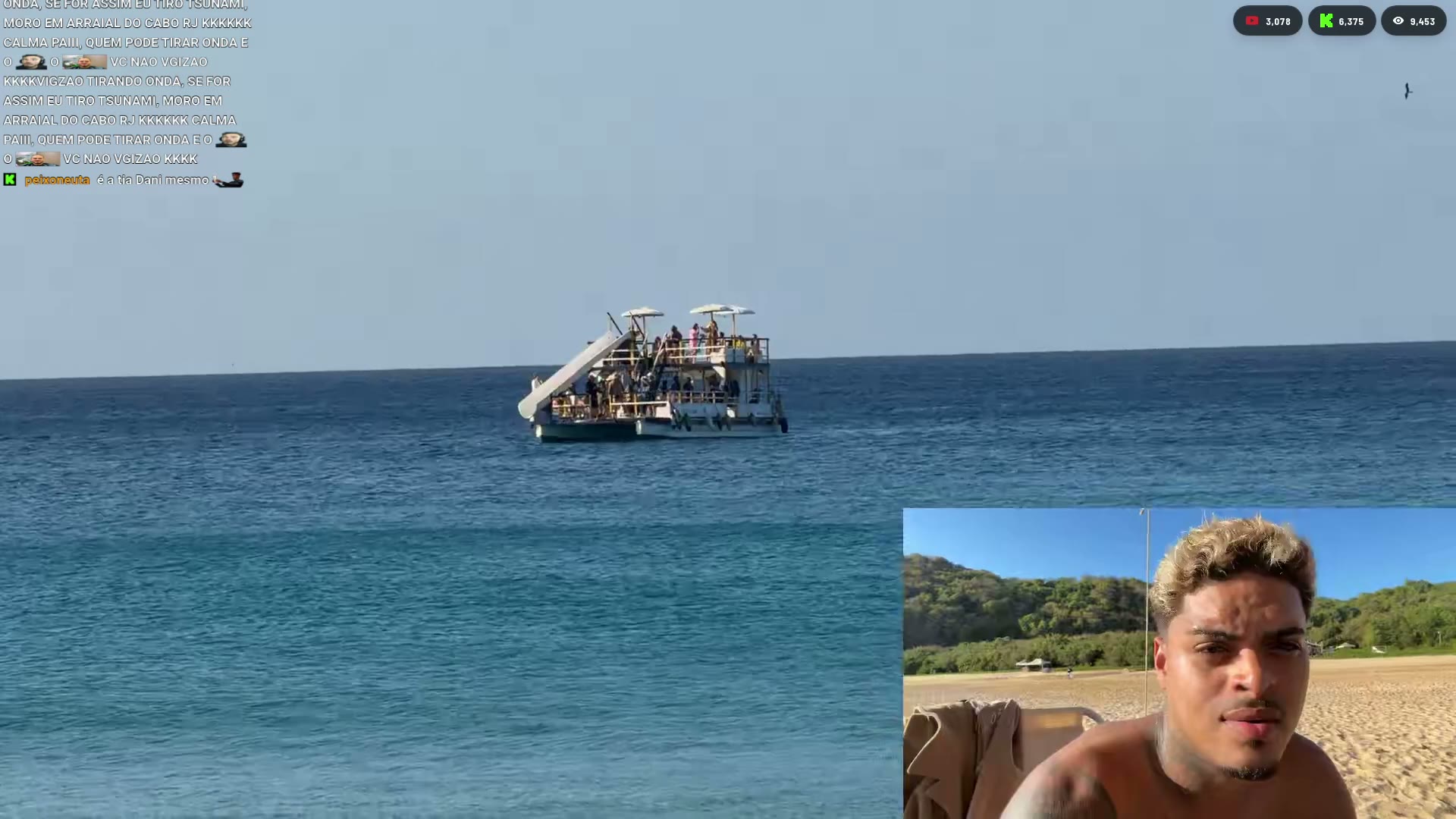
IRL - EM BUSCA DA MINHA NOVA CASA NO RJ !grupo !gg !points !loja
Activity
Past Streams

Recent News for jonvlogs
Jon Vlogs Gambling: What the Receipts Show About Luan Kovarik, Jonbet and Brazil’s Betting Boom
Luan “Jon Vlogs” Kovarik is a Brazilian creator and gambling-linked influencer whose public footprint includes poker, betting-brand relationships, Jonbet reporting, and CPI das Bets scrutiny. Strip away the fan edits and operator gloss, and the public record still shows a large creator sitting close to Brazil’s betting boom.
The scale is not subtle. His Twitch profile lists JonVlogs as “Meu nome é Luan Kovarik, mais conhecido como ‘Jon Vlogs,’ tenho 25 anos” and shows 2.4M+ followers. On Instagram, the account shows 10.7M+ followers and the bio points viewers to “Lives em Kick.com/jonvlogs” while tagging @superbet_br. On YouTube, Jon Vlogs shows 7M+ followers, with a visible channel snippet reading “We bet R$1,000,000 on a match”.
That is the quick answer to “jonvlogs gambling”: this is not a marginal creator casually brushing past betting culture. The public-facing accounts connect Kovarik to livestreaming, a betting-brand mention, high-stakes betting content, poker associations, Jonbet-related reporting, and political scrutiny through CPI das Bets.
None of that requires swallowing operator PR. The receipts already sit in the open: platform bios, follower counts, betting-language snippets, and public scrutiny around Brazil’s fast-moving betting market. The useful question is not whether Jon Vlogs is visible in gambling-adjacent media. He is. The harder question is what that visibility means when influencer reach, betting brands, and Brazil’s regulated-gambling push collide in public view.
Who is Luan “Jon Vlogs” Kovarik?
Luan “Jon Vlogs” Kovarik is not a marginal internet personality drifting into betting content from the cheap seats. His public profiles show a creator with mass distribution across Brazil-facing social platforms, which is the part that matters when assessing jonvlogs gambling exposure: reach first, explanations later.
On Instagram, his profile shows 10.7M+ followers, 1.1K+ following, and 214 posts, with a bio that mentions Kick and @superbet_br — a fairly plain breadcrumb trail for anyone tracking the overlap between creator audiences, livestreaming, and betting promotion (Jon Vlogs on Instagram). His Facebook page adds another large public surface, listing 738.9K+ followers and describing him as a “Gaming video creator” (Jon Vlogs on Facebook).
The streaming footprint is also substantial. His Twitch profile shows 2.4M+ followers and identifies him as Luan Kovarik, known as Jon Vlogs, age 25 (Jon Vlogs on Twitch). On YouTube, the public channel page shows 7M+ followers, and the visible snippet includes the line: “We bet R$1,000,000 on a match” (Jon Vlogs on YouTube). That is not a forensic conclusion; it is simply the public-facing copy sitting on a major platform.
His LinkedIn profile frames the longer arc: it says he has been a content creator and digital influencer for nearly 10 years, with more than 20M followers across social networks (Luan Kovarik on LinkedIn). Taken together, the profiles present a creator whose audience is measured in millions, not thousands. That scale is why his betting-adjacent content deserves scrutiny beyond fan edits, sponsor copy, and the usual influencer fog machine.
Jon Vlogs, poker, and public gambling content
The public record around jonvlogs gambling is not just influencer vapor and casino-floor mythology. Luan “Jon Vlogs” Kovarik has been framed by the industry press as a creator who crossed into poker visibility: SiGMA World described him as “a modern digital pioneer” who adapted to becoming a poker star. That is the polished version, and it matters because it shows how the iGaming industry packages creator-led gambling content: personality first, receipts later.
The receipts available in poker are cleaner than most influencer gambling claims, but they still have limits. Highroll Poker tracks Kovarik’s cash-game results from livestreamed and televised poker broadcasts, including lifetime winnings and location breakdowns. That kind of database is useful because it ties public poker appearances to recorded outcomes rather than vibes, edits, or the usual “trust me, bro” bankroll theatre.
But broadcast cash-game tracking is not a full financial autopsy. It does not equal total gambling profit and loss, and it should not be treated as a balance sheet. Livestreamed and televised poker results capture a visible slice of play: the hands shown, the sessions recorded, and the venues tracked. They do not automatically include private games, off-camera sessions, swaps, backing arrangements, staking, taxes, expenses, deposits, withdrawals, or casino gambling elsewhere. Anyone presenting those figures as total net worth has wandered off the felt and into fan fiction.
That distinction is especially important when poker content sits beside broader gambling promotion. Poker has observable hands, table stakes, and public outcomes when broadcast properly. Casino-style content, crypto casinos, and influencer wagering often require a different standard of verification: wallet flows, operator records, withdrawal evidence, and, where relevant, whether the game itself uses provably fair gambling mechanics that let players verify outcomes rather than simply applaud a spinning thumbnail.
So the sober read is this: Jon Vlogs has a documented public poker footprint, and third-party trackers record part of that footprint. What they do not provide is a complete map of his gambling economics. The gap between “shown on stream” and “true total P&L” is where gambling marketing likes to build mansions.
Jonbet and Brazil’s CPI das Bets scrutiny
The JonVlogs gambling story moved from influencer content into formal Senate scrutiny when Brazil’s CPI das Bets put Jonbet on the calendar. An O POVO clip identified Jon Vlogs as the creator of betting house Jonbet and said he and Jorge Dias did not appear at the CPI das Bets hearing. That is the clean fact pattern: a betting brand tied publicly to a major influencer, a scheduled appearance, and an empty chair where testimony was expected. Brasília has a way of making absence louder than a press post.
The escalation was reported across Brazilian and gambling-industry media. Gaming America reported that Brazil’s Senate ordered Jon Vlogs, identified as the owner of betting platform Jonbet, to testify after he and Jorge Barbosa Dias failed to appear. Gazeta do Paraná had reported that the CPI das Bets was scheduled to hear Jon Vlogs and MarjoSports owner Jorge Dias on Tuesday, placing the hearing in the committee’s wider look at betting operators and their public-facing promoters.
The strongest procedural development came after the missed appearance. UOL reported that the CPI das Bets approved coercive transport after Jon Vlogs’ absence on May 27, 2025. That does not equal a finding of wrongdoing. It does show the committee chose to use a sharper tool after a non-appearance — the sort of paper trail that matters more than any “relax, bro” narrative on social media.
Jon Vlogs, age 25, publicly pushed back on the idea that he was avoiding the committee. Jornal de Brasília reported his explanation: “Não estou fugindo, estou trabalhando”. Translation is hardly needed for the politics of it: he said he was not running, he was working.
This sits inside a broader global regulatory problem, not just a Brazil problem. As Brazil betting regulation tightens around operators, licensing, and advertising, other markets are also confronting the influencer layer around online gambling. Sweden’s Spelinspektionen said influencers remain a major problem for unlicensed online casinos, operating across Twitch, Kick, TikTok, Instagram, and Telegram with affiliate links, codes, and giveaways. The Swedish report also noted Twitch-banned streamers moving to Kick, flagged affiliate link farms, deepfake ads, and esports deals, and said a March 2026 conviction brought a 22-month prison sentence for economic crimes tied to promoting unlicensed gambling — the first conviction of its kind in Sweden. Brazil is not Sweden, and Jonbet is not that case. But regulators everywhere have learned the same lesson: the funnel often wears a hoodie, holds a phone, and calls it content.
Betting-brand relationships: Superbet, BetBoom and BGaming
The visible paper trail around jonvlogs gambling content points to brand relationships, not ownership. His Instagram profile lists @superbet_br in the bio, which is a public-facing promotional signal tied to Superbet’s Brazilian account. That does not make him the operator, the license holder, or the house. It makes him a creator with a betting-brand relationship unless primary records show something stronger.
BetBoom is the cleaner example of an ambassador arrangement. iGamingToday reported that BetBoom named Jon Vlogs as a new brand ambassador in Brazil and described him as Brazil’s best digital influencer with more than 25 million followers. That wording matters. “Ambassador” is marketing language: paid visibility, audience access, credibility transfer. It is not the same thing as running the sportsbook, controlling player funds, setting withdrawal rules, or owning the legal entity behind the betting product.
BGaming sits in a different lane. EuropeanGaming.eu reported that BGaming released a branded version of Aviamasters with LATAM ambassador Jon Vlogs, available exclusively on Superbet.bet.br. In that setup, BGaming is the game-side collaborator behind the branded title, Superbet.bet.br is the distribution venue named in the report, and Jon Vlogs is the ambassador/creator attached to the campaign. Three roles, three incentives, one promotional funnel. Confusing those categories is how marketing turns into fog.
There is also a softer brand-safety layer. iGamingBusiness reported that BGaming and Jon Vlogs collaborated on a Christmas charity initiative. Charity tie-ins can be real and still function as reputation infrastructure. The receipt says collaboration; it does not prove ownership, operational control, or regulatory responsibility.
For players, the practical split is simple: a creator can promote, an ambassador can endorse, a supplier can build games, and an operator can take bets. Only the operator’s licensing, payments, terms, and custody of funds determine the real risk. Before treating any influencer-backed casino as safe, use a basic how to verify an online casino process and understand the difference between a marketing badge and a regulated permission slip through casino licensing explained. The mascot is not the balance sheet.
The Croatia arrest report: relevant context, not gambling evidence
The Croatia incident belongs in the public record around Jon Vlogs, but it does not belong in the evidence pile for jonvlogs gambling unless a verified source ties it there. Itatiaia reported that Jon Vlogs was arrested with friends in Croatia after a nightclub disturbance. That is the fact on the table. It is not, by itself, evidence of a betting operation, a casino partnership, payment processing, affiliate activity, player acquisition, or anything else in the gambling stack.
That distinction matters because reputation stories travel faster than receipts. An arrest report can shape public perception, especially when the name involved is already being discussed in connection with betting or influencer marketing. But public perception is not a ledger. A nightclub disturbance in Croatia does not become gambling evidence through proximity, dislike, or convenient timing.
The clean read is simple: the Itatiaia report is relevant background on Jon Vlogs as a public figure. It may matter to readers assessing judgment, conduct, and the wider media record. It does not prove gambling wrongdoing. It does not identify a gambling transaction. It does not establish control of an operator, promotion of a betting product, or movement of player funds.
For any claim beyond that, the standard stays boring and necessary: direct evidence. That means verified records, financial flows, contracts, advertising disclosures, platform data, company filings, license-register entries, wallet activity, or other primary-source material that actually connects the conduct to gambling operations. Without that bridge, folding the Croatia arrest into a gambling case would be narrative laundering — taking a noisy fact from one bucket and pouring it into another because it splashes well.
So the Croatia report stays where it belongs: context, not proof. The bear can be poked when the receipts say bear. Here, the receipt says nightclub disturbance and arrest report. Nothing more.
What players should verify before trusting influencer-led gambling promotions
The first check in any jonvlogs gambling promotion is not the streamer, the bonus, or the thumbnail. It is the operator. Identify the legal entity behind the betting platform, not just the brand name on the landing page. Then verify where that entity is licensed through the relevant regulator or license register. If the promotion cannot get you from brand to company to license without fog machines, treat that as information, not an inconvenience.
Next, follow the money. The party that handles balances and withdrawals matters more than the person shouting about odds on camera. Read the payment terms, KYC requirements, withdrawal limits, bonus restrictions, and complaint paths before depositing. Many player blowups begin in the small print: pending verification, capped withdrawals, confiscated bonuses, or terms that turn a “free” offer into a math trap. The same discipline applies to casino bonus wagering requirements, where the advertised number is rarely the whole receipt.
Influencer disclosures deserve the same scrutiny. Ambassador deals, exclusive games, referral links, and revenue-share arrangements all create incentives. A gambling influencer can be a promoter, an owner, or both; risk changes if the same person driving traffic also has a reported ownership role. That is why influencer gambling sponsorships should be read as commercial relationships first and entertainment second. The house does not become neutral because it learned how to vlog.
Game integrity is the next layer. For crypto casinos, players should use provably fair checks rather than vibes. FairGambling’s transparency stack includes “Provably Fair Tools,” “On-Chain Analytics,” and “Earn Wager Share,” with the direct promise to “See Full Transparency for Any Casino.” For regulated betting, verify the game providers, market rules, and regulator disclosures. Proper crypto casino reviews backed by data should point to mechanics, balances, transaction evidence, and complaints — not just affiliate applause with a star rating taped on.
Complaints are where the brochure meets concrete. Look beyond affiliate review sites and check whether player disputes are visible, tracked, and resolved. FairGambling’s Complaint Resolution Hub says users can “Track, submit, and monitor online casino disputes with complete transparency.” The process is structured: file, review, casino response in 14 days, mediation through a shared thread with 7 days per turn, and a final published outcome. Outcomes are marked “Resolved, unresolved, or rejected,” with metrics for “Total Disputes,” “Resolved,” “Funds Recovered,” and “Avr Response Time.” That matters when assessing crypto casino withdrawal disputes, because silence is not a resolution.
Finally, check the guardrails. A platform’s footer links to “Code of Conduct” and “Terms & Conditions” are not decorative plumbing; they define what happens when money, identity checks, limits, and disputes collide. Strong responsible gambling tools should be easy to find before play starts, not buried after the bankroll is already smoking.
Timeline of Jon Vlogs’ gambling-related public footprint
The public record around jonvlogs gambling is not one clean lane. It runs through creator marketing, poker visibility, sportsbook ambassadorship, branded casino content, and finally a political-legal spotlight in Brazil. The receipts are scattered, but they form a useful timeline.
Nearly 10 years — creator first, gambling later in the public record. Jon Vlogs’ own professional footprint starts with audience-building: his LinkedIn profile says he has been a content creator and digital influencer for nearly 10 years. That matters because gambling operators do not buy only a face; they buy distribution. The audience came before the betting deals.
Date not provided — poker credibility enters the picture. SiGMA World described him as a “digital pioneer” and “poker star”, placing him in the overlap between entertainment, poker, and Brazil’s expanding iGaming market. Separately, the Highroll Poker tracker lists livestreamed and televised cash-game results for Jon Vlogs, giving the poker side of the footprint a public results trail rather than leaving it as pure branding fog.
Date not provided — sportsbook marketing becomes explicit. BetBoom later named Jon Vlogs as a brand ambassador in Brazil. That is the point where the public record moves from poker-adjacent fame into direct gambling promotion. Ambassador deals are not neutral appearances; they are paid alignment with a gambling operator’s customer acquisition machine.
May 27, 2025 — political scrutiny lands. UOL reported that Brazil’s CPI das Bets approved coercive transport for Jon Vlogs after his absence. That is a very different kind of visibility from a sponsorship announcement. The influencer economy likes reach when it converts; lawmakers tend to notice reach when betting scandals, consumer harm, or regulatory gaps are on the table.
July 28, 2026 — branded casino-game promotion expands the footprint. EuropeanGaming.eu reported BGaming’s branded Aviamasters launch with Jon Vlogs, exclusive to Superbet.bet.br. For readers comparing influencer-branded casino products with provably fair gambling, the useful question is not whether the marketing looks slick. It is what can be independently verified: game mechanics, operator licensing, payout controls, and the money trail behind the promotion.
Bottom line: what the Jon Vlogs gambling story actually shows
The JonVlogs gambling story is not just “a creator did an ad.” The public record connects a large-audience influencer to multiple gambling-facing touchpoints: poker content, betting promotions, Superbet/BGaming activity, BetBoom ambassador coverage, and Jonbet-related scrutiny. That combination matters because it turns a personality-led media operation into a gambling distribution channel, whether the branding is wrapped in entertainment, lifestyle, livestreaming, or “community.”
The hard part is separating visibility from accountability. Jon Vlogs has reach. The gambling sector wants reach. Operators and suppliers understand exactly what a large creator brings: attention, trust transfer, and a warmer route into audiences than a cold banner ad. None of that, by itself, proves wrongdoing. It does prove that the relationship deserves more than fan-page analysis and affiliate-friendly shrugging.
Brazil’s CPI das Bets is the reason this cannot be filed away as ordinary influencer marketing. When betting promotions, public personalities, and consumer exposure become a matter for parliamentary scrutiny, the frame changes. The question is no longer only whether an influencer disclosed a campaign neatly enough. It becomes whether the market is being sold faster than the protections around it can function. That is the gap sitting at the center of Brazil betting regulation: licensing, advertising controls, responsible-gambling obligations, and enforcement have to catch up with a promotional machine that already knows how to move attention at scale.
Jonbet-related scrutiny adds another layer because audience trust does not stay neatly separated from gambling brands once names, content, and commercial incentives start orbiting the same space. The audience sees the face first. The terms, risks, licensing status, withdrawal frictions, and loss limits come later — if they come at all. That order is convenient for operators and dangerous for users.
The bottom line is simple: influencer reach is not player protection. A recognizable creator can make a gambling product feel familiar, but familiarity is not regulation, solvency, fair terms, or safe play. The JonVlogs gambling case shows how quickly entertainment, promotion, and betting infrastructure can blur — and why the receipts matter more than the persona selling the dream.
FAQ
Who is Jon Vlogs in gambling?
Jon Vlogs is Luan Kovarik, a Brazilian creator with a large audience and documented links to gambling. The public trail around jonvlogs gambling is not a single sponsorship post and a hoodie logo; it runs through poker coverage, Superbet visibility, BetBoom ambassador reporting, a BGaming collaboration, and Jonbet-related scrutiny in Brazil’s CPI das Bets. In other words, this is not a fringe association. It is a multi-brand footprint.
Is Jon Vlogs connected to Jonbet?
Yes. O POVO described him as the creator of Jonbet, while Gaming America identified him as the owner of betting platform Jonbet in its coverage of Brazil’s Senate ordering him to testify after he missed a CPI das Bets appearance. That distinction matters: a creator promoting a bookmaker is one thing; a creator tied to the platform itself is a deeper commercial question.
Why was Jon Vlogs called to the CPI das Bets?
Brazilian media reported that Jon Vlogs was expected to testify before the CPI das Bets, the parliamentary inquiry examining the betting sector. Gaming America said the Senate ordered him to testify after he and Jorge Barbosa Dias failed to appear. UOL reported that coercive transport was approved after his absence. That is the kind of regulatory spotlight operators and influencers rarely put in the affiliate deck.
What gambling brands has Jon Vlogs worked with?
Public sources connect him to Superbet, BetBoom, and BGaming. His Instagram mentions @superbet_br. iGamingToday reported that BetBoom named him an ambassador in Brazil. EuropeanGaming.eu reported BGaming’s Aviamasters release with Jon Vlogs on Superbet.bet.br. These are separate signals, not one recycled press blurb wearing three hats.
Does Jon Vlogs play poker?
Yes. SiGMA World described him as a poker star, and Highroll Poker’s tracker covers his cash-game results from livestreamed and televised broadcasts, including lifetime winnings and location breakdowns. Poker visibility helps explain part of his gambling audience, but it does not answer the harder questions around betting promotions, operator accountability, or platform ownership.
What should players verify before following a Jon Vlogs gambling promotion?
Check the operator first, not the influencer. Verify license status, withdrawal rules, KYC terms, complaint history, bonus conditions, and whether Jon Vlogs is merely promoting the product or has a deeper commercial role. Audience size is not proof of player protection, solvency, or fair dispute handling. The house may have a famous face; the cashier still needs receipts.