


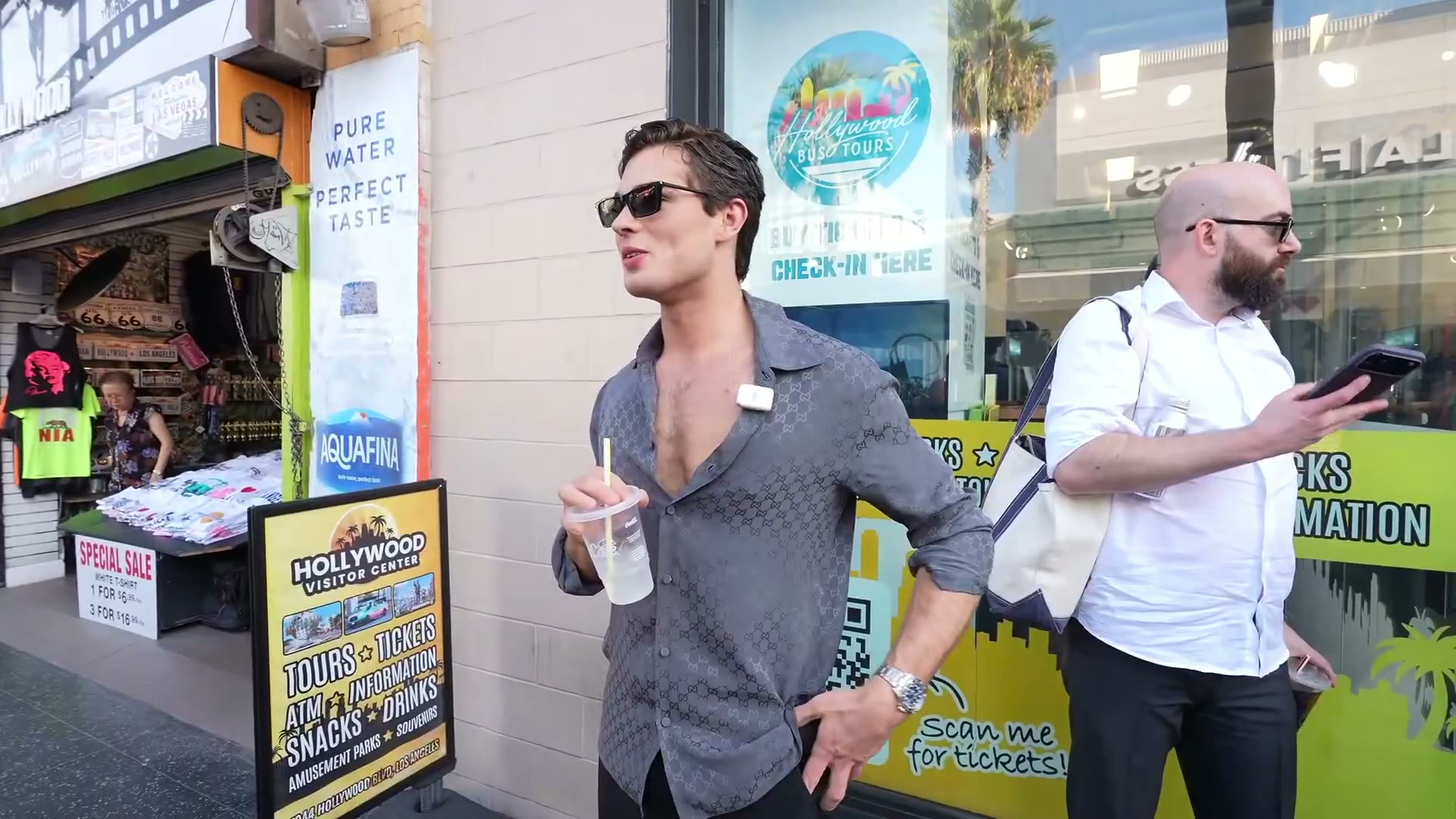
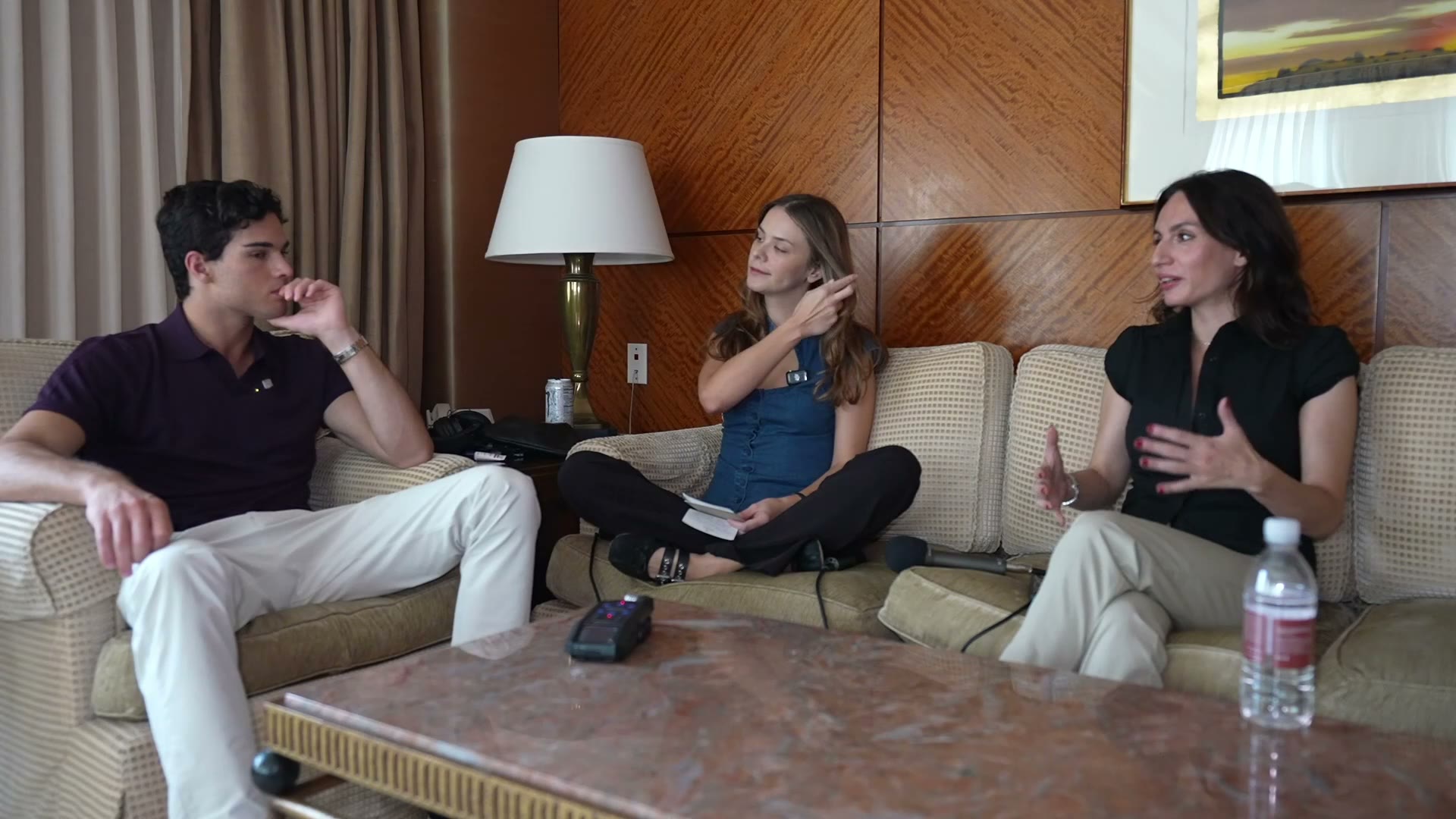
Clav blew up through looksmaxxing content before becoming one of the fastest-rising personalities on Kick. His streams mix chaotic IRL content, viral moments and gambling, with his unfiltered personality being a big reason people tune in.
Last 30 days

 USA
USA English
Affiliate Benefits
Aff code benefitsNone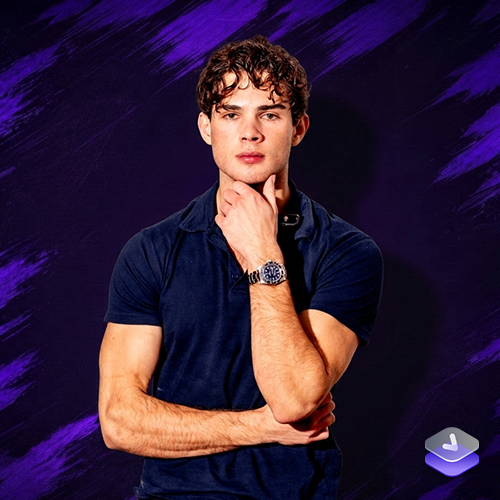
Growth
StakeLifetime Data
2026-09-14
Door to Door Penis Pump Sales w/ Danny Mullen
Activity
Past Streams
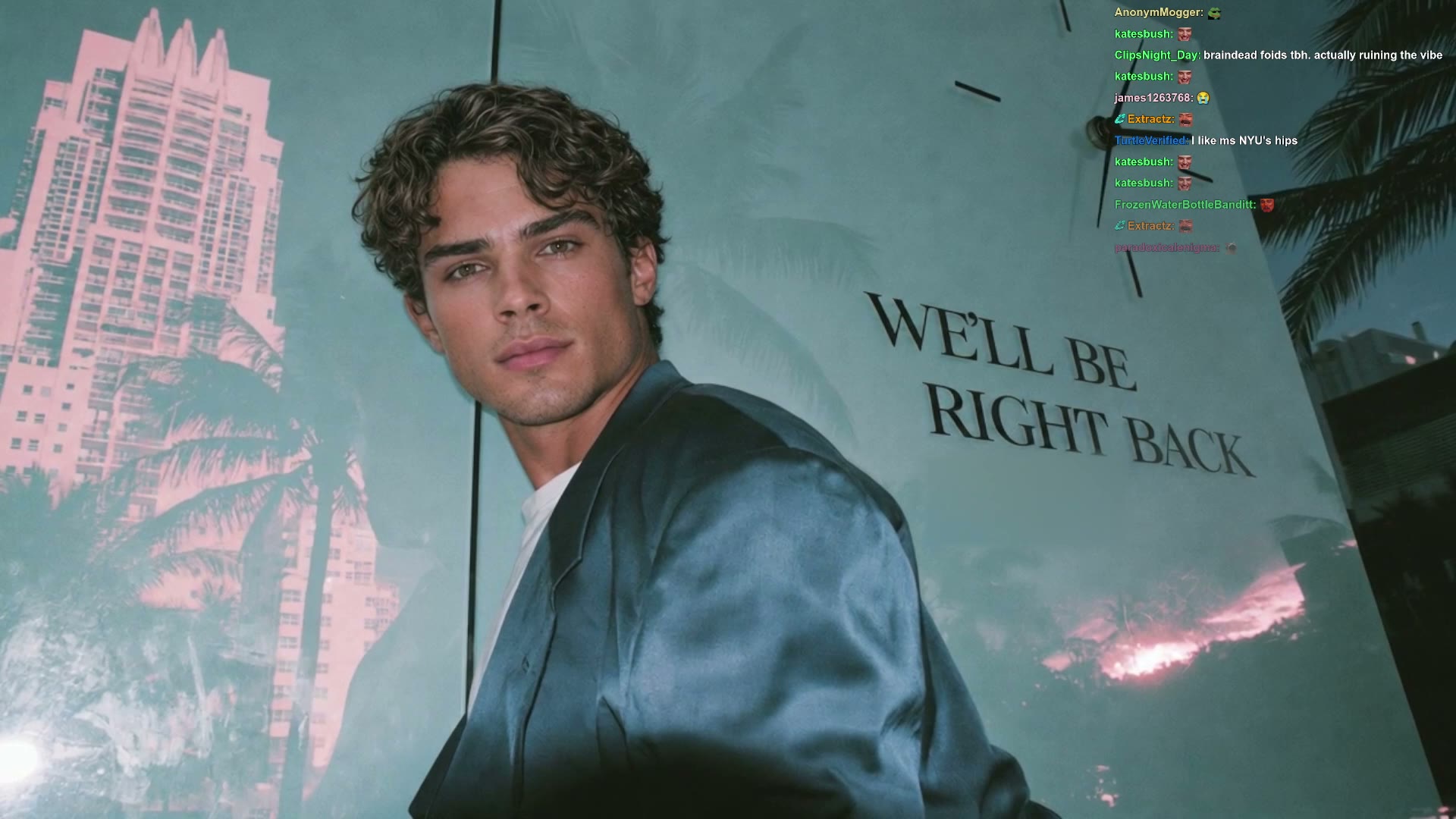
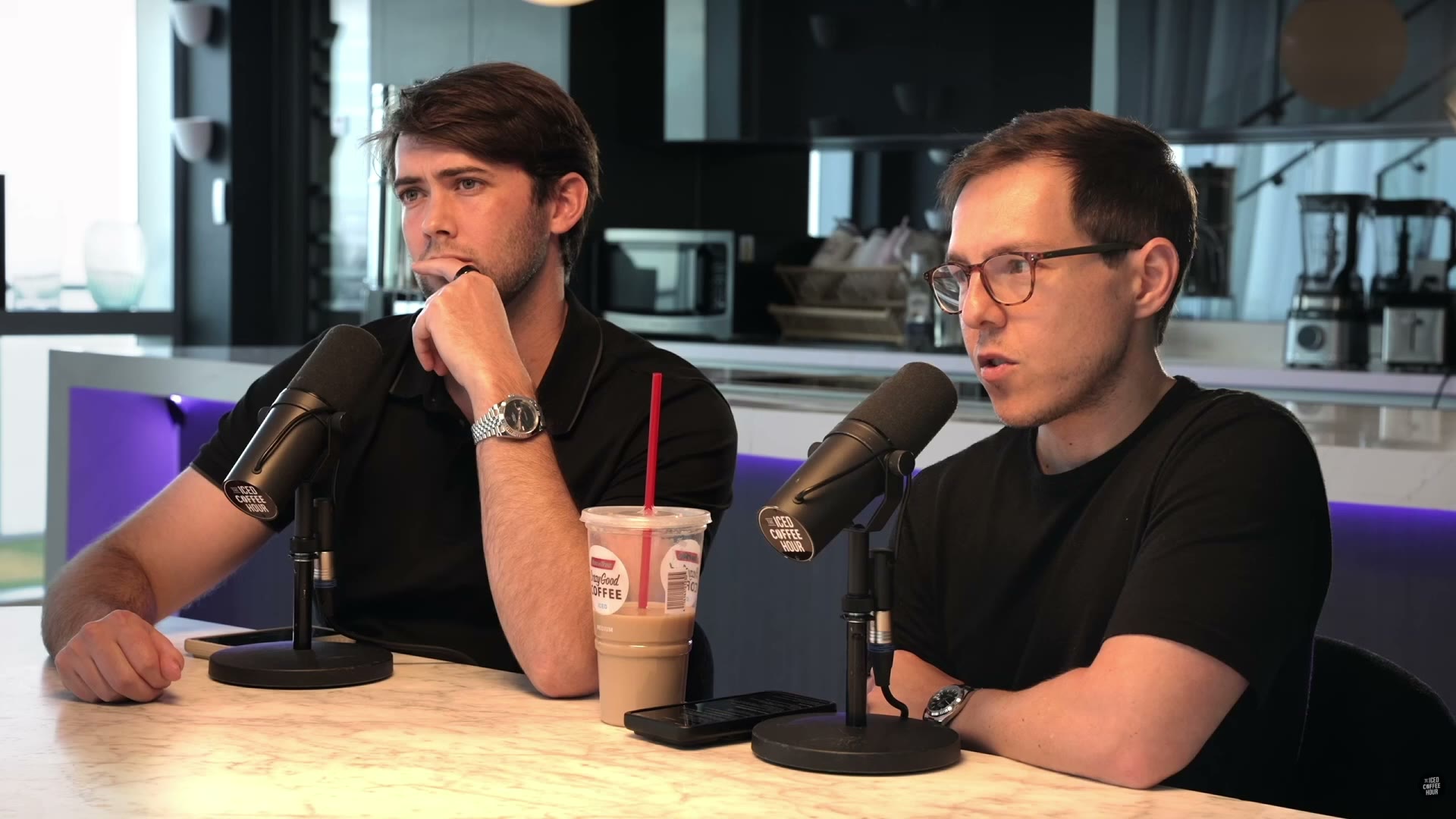
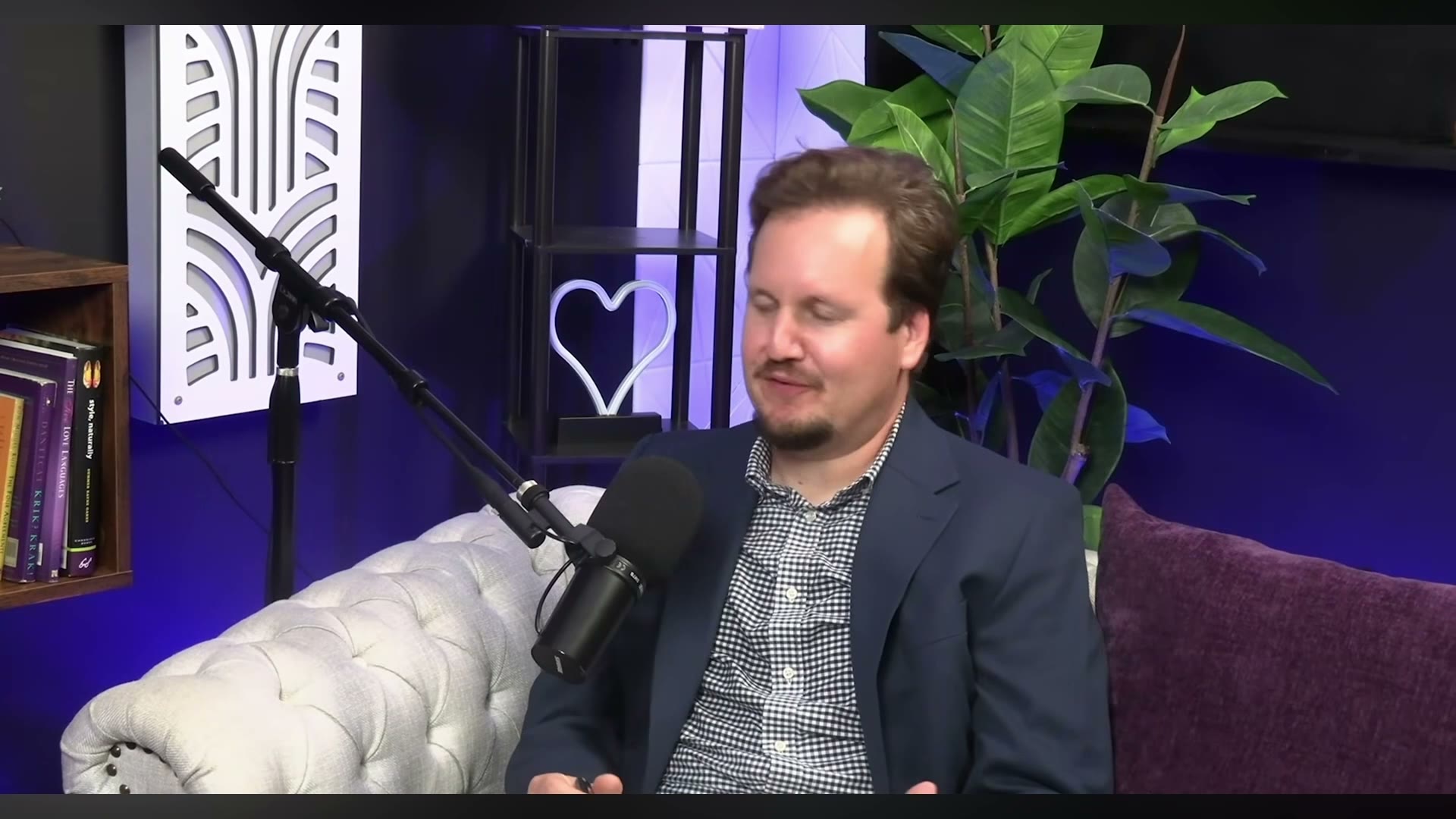



Recent News for clavicular
Clavicular Streamer Profile and News Timeline
The Clavicular streamer query is not a shopping search, a fandom search, or a clean biography search. It is an entity search wrapped in a live controversy cycle. Users usually want three things fast: who the person is, what name has been linked to the alias, and why the news cycle keeps pulling the handle again.
This profile keeps the lane narrow on purpose. Where coverage is clear, it says so. Where a detail is only reported by news outlets or repeated across social platforms, it is treated as reported, not as a settled fact. That matters when a livestreamer becomes a public figure through viral clips, platform attention, and legal issues all at once.
Who the Clavicular Streamer Is
The Clavicular streamer is best understood as an online personality whose audience grew around appearance-focused content, viral clips, and a broader looksmaxxing identity. In plain English, he is part of the creator economy segment where self-presentation, physical image, and shock-value online performance often travel together. That helps explain why the search results mix social profiles with heavyweight newsrooms rather than hobby forums or fan wikis alone.
Public coverage also connects the alias to the reported real name Braden Eric Peters. That name appears across entity-style coverage and news reporting, which is why users regularly search for clavicular real name alongside the alias itself. Even so, the careful way to state it is simple: the Clavicular alias has been linked in public reporting to Braden Eric Peters.
Platform-wise, users often describe him as a Kick streamer, TikTok influencer, or general livestreamer. Those labels are directionally useful, but they are still labels. The more reliable point is that the Clavicular streamer became notable through social media circulation and then became more widely known because mainstream coverage picked up the story.
That shift matters. A creator can be internet-famous inside a niche for months, then one incident pushes the alias into national media. Once that happens, the biography and the controversy become fused in search. For readers trying to separate signal from noise, the safest starting point is the alias, the reported name, the content niche, and the public coverage trail.
Why the Clavicular Streamer Is in the News
The short answer is that the Clavicular streamer search trend is now driven less by creator output and more by controversy coverage. Search results and media framing cluster around a few repeat topics: looksmaxxing, a mugshot, reported legal issues, a reported battery charge, and the Everglades incident. That is why users searching the name are usually looking for a timeline, not a highlight reel.
Major outlet presence also tells you something important. When results include a Wikipedia profile, social accounts, and reporting from outlets such as CNN, BBC, NBC, Rolling Stone, and The Hollywood Reporter, Google is treating the query as a current-affairs entity topic. In practice, that means freshness matters, terminology matters, and sloppy paraphrasing can turn reporting into rumor very quickly.
A clean way to understand the coverage is to read it in sequence rather than as isolated viral clips:
- Early attention centered on the internet persona, the alias, and appearance-driven content.
- Identity searches then grew around the reported real name and platform presence.
- Controversy coverage expanded as mainstream outlets reported on legal issues and a mugshot.
- Search intensity increased again around reporting tied to the Everglades incident.
- Ongoing interest now includes questions about platform status, bans, and what is currently confirmed.
That is the real pattern. The Clavicular streamer became a news object because the story moved from niche creator culture into public-interest reporting. Once that happens, every old clip gets re-read through the newest allegation or incident, whether or not the clip actually proves anything on its own.
What Is Established and What Is Only Reported
This is where a lot of coverage goes sideways. The Clavicular streamer story contains a mix of observable facts, public reporting, social media repetition, and audience inference. Those are not the same thing. A viral clip is not a court record. A mugshot image is not a final legal outcome. A platform rumor is not a published enforcement notice.
What can be stated with care from the available search landscape is limited but useful. The alias exists as a recognizable public figure query. Reporting has linked that alias to Braden Eric Peters. News coverage has focused heavily on looksmaxxing, controversy, and reported legal trouble, including a reported battery charge and the Everglades incident. Beyond that, precision matters.
For readers trying to keep the record straight, use this checklist:
- Alias is established as a public-facing internet identity.
- Reported real name should be described as linked in coverage, not guessed from reposts.
- Legal issues should be attributed to reporting unless you are looking at primary records yourself.
- Platform status can change fast, so old clips about bans or removals age badly.
- Outcome claims should be avoided unless a current record supports them.
That may sound fussy, but it is the difference between reporting and content sludge. The Clavicular streamer query attracts heat because internet fame rewards speed. Readers are better served by slow wording and clean sourcing, especially when allegations and public fascination are moving in the same direction.
How to Read the Controversy Timeline Without Getting Played
If you are trying to understand the Clavicular streamer timeline, the first rule is not to let the algorithm write the narrative for you. Viral clips are designed to collapse context. One repost can make an old moment look current, and one caption can turn a reported allegation into an asserted fact. That is how audiences get farmed for outrage.
The safer method is boring, which is exactly why it works. Start with the broad entity facts, then map each major claim to a specific kind of source. Was the detail reported by a mainstream newsroom, shown in an official filing, posted by the platform itself, or clipped by a third-party account that wants views? Those categories are not interchangeable.
For this particular internet personality, readers usually run into four recurring traps:
- Confusing persona with proof because shock-style content can make later allegations feel pre-confirmed.
- Treating repeated claims as verified when they are only repeated across many accounts.
- Ignoring timeline drift when older clips get recirculated as if they explain a new incident.
- Assuming platform action without checking whether the account status actually changed.
That last point matters because searches like is Clavicular banned from Kick often surge before a stable answer exists. Platform enforcement can be temporary, partial, reversed, or misdescribed by third parties. So if your goal is accuracy, treat every fast-moving platform claim as provisional until the platform record or live account state says otherwise.
In other words, read the Clavicular streamer story as a timeline of public reporting, not as a collage of reposted reactions. That approach is less exciting, but it keeps the facts from getting mugged by the feed.
Bottom Line on the Clavicular Streamer
The most honest summary is also the least dramatic. The Clavicular streamer is a social media figure associated with looksmaxxing content whose public profile now sits inside a controversy-heavy news cycle. Coverage has linked the alias to the reported real name Braden Eric Peters, and current search interest is driven largely by questions about legal issues, a mugshot, a reported battery charge, and the Everglades incident.
What readers should not do is turn that summary into a verdict. Public reporting, platform chatter, and viral clips move at different speeds and carry different evidentiary weight. When those signals get blended together, the result is usually confusion dressed up as certainty.
So the practical takeaway is straightforward. If you want to know who the Clavicular streamer is, start with the alias, the reported identity link, and the niche that made him visible. If you want to know why he is in the news, focus on current reporting and clearly labeled allegations rather than recycled commentary. That is not flashy, but it is how you keep the record cleaner than the timeline that created the mess.