


Last 30 days

 English
Affiliate Benefits
Aff code benefitsHigh
Growth
StakeStakeLifetime Data
2026-09-21
[!STAKE]🎁GWs EVERY 15 MINS | 2X WEEKLY + 2X RANKUP + 10% LOSSBACK
Activity
Past Streams
Recent News for bandz
Bandz Gambling Streamer: What’s Verified, What Isn’t, and What to Watch
Searching for bandz gambling streamer should not land you in the usual swamp: recycled clips, inflated balance screenshots, net-worth fan fiction, and affiliate-friendly “he won big” paste jobs. The better question is simpler and less flattering to everyone involved: what can actually be verified?
For Bandz, the verified case should be treated narrowly unless hard receipts are available. A stream clip can show a session, a wager, a lobby, a visible balance, a bonus round, or a reaction. It does not prove bankroll ownership. It does not prove the streamer deposited personal funds. It does not prove a casino paid out. It does not prove the game was fair. It does not prove there was no sponsorship, no affiliate deal, no house-funded balance, no private arrangement, and no off-camera withdrawal reversal. Clips are evidence that content existed. They are not an audit.
That distinction matters because gambling-streamer content is built to look like proof. The entire format rewards spectacle: big multipliers, rapid deposits, dramatic losses, oversized wins, giveaways, lobby hopping, and the familiar open tab where the viewer sees just enough to feel close to the money, but not enough to verify the money. If Bandz is being assessed as a Bandz streamer, Bandz gambling personality, online casino streamer, slots streamer, crypto gambling streamer, or Kick gambling streamer, the standard should stay the same: show receipts or keep the claim in the “unverified” drawer.
The most useful receipts are boring. That is why they matter.
A real verification file starts with sponsorship terms, affiliate links, casino referral codes, wallet activity, deposit and withdrawal records, operator-linked addresses, transaction hashes, casino account statements, and licensing records. For crypto gambling streams, on-chain data can help if the wallets are known and the flows are not deliberately obscured. Deposits, withdrawals, wallet balances, and transaction timing can support or weaken a claim. They still do not answer everything by themselves, but they beat a cropped screenshot with fire emojis in the caption.
Casino links matter too. If a streamer repeatedly directs viewers to one operator, uses a branded bonus code, runs giveaways funded by a casino, or plays on an account that appears tied to promotional activity, the content should be treated as commercial until proven otherwise. That is not moral panic. That is basic incentive mapping. A streamer casino sponsorship changes the meaning of what viewers are watching. A “huge win” on operator-funded credit is not the same as a player risking their own bankroll. A “massive loss” may not be a loss in the ordinary viewer sense if there is a private deal, rebate, loss-back arrangement, or promotional balance behind it.
This is where many gambling streams become fog machines with chat boxes. Viewers see action. The operator gets distribution. The streamer gets content. The affiliate link gets clicks. Everyone has a role, and the person most likely to misread the setup is the viewer who thinks entertainment content is evidence of fair gambling.
It is not.
A stream can be entertaining and still be commercially compromised. A streamer can be charismatic and still be playing with incentives the audience does not see. A casino can pay out one visible win and still offer poor terms, weak controls, restrictive withdrawals, or operate under licensing conditions viewers never check. Operator-funded content is not proof of fairness. Affiliate-backed content is not proof of fairness. A balance on screen is not proof of solvency. A win clip is not proof of expected value. The house did not become your friend because the streamer yelled at a bonus round.
For a Bandz gambling profile, the clean split is this:
- Verified: what appears in primary material such as full streams, archived sessions, visible casino pages, disclosed links, posted wallet addresses, transaction records, platform profiles, and public operator records.
- Not verified: claimed net worth, private sponsorship terms, real profit and loss, lifetime deposits, lifetime withdrawals, bankroll source, loss absorption, off-stream account adjustments, and whether the displayed balance belongs economically to the streamer.
- Watch closely: repeated casino exposure, bonus-code use, undisclosed commercial relationships, withdrawal claims without proof, “life-changing” wins with no settlement trail, and any push toward unlicensed gambling streams.
The weak evidence problem is not unique to Bandz. It is structural to gambling streamer content. Short clips select for extremes. They usually exclude the deposit trail, withdrawal trail, KYC status, wager history, bonus restrictions, account notes, and any private communication between streamer and operator. Even full streams can miss the parts that matter: what happened before the camera went live, what was agreed off-platform, whether the account received house funds, and whether the withdrawal ever completed.
That is why the receipt hierarchy matters. A public clip sits near the bottom. A live session with uninterrupted navigation is better, but still incomplete. A disclosed sponsorship is stronger. Wallet transaction history is stronger again, especially where deposit and withdrawal addresses can be linked over time. Operator licensing checks, public company filings where available, and platform-policy compliance sit in the same evidence stack. None of these makes gambling safe. They only reduce the amount of theatre pretending to be fact.
Twitch’s 2022 restrictions matter because they forced the streaming economy to stop pretending platform policy was background noise. The Twitch gambling ban conversation was not just about one streamer, one casino, or one outrage cycle. It made the platform itself part of the risk analysis. If gambling content moves, rebrands, mirrors, or shifts from gambling streamer Twitch visibility to Kick gambling streamer visibility, viewers should ask why. Platform migration can be about audience, revenue, moderation, casino relationships, or policy pressure. The point is not to guess which one applies to Bandz. The point is to demand evidence before accepting the cleanest story.
Platform rules also change the meaning of availability. A stream being live somewhere does not mean the underlying casino is suitable, licensed for the viewer’s location, or operating under standards the viewer would accept if they read the terms cold. A platform allowing content is not a fairness certificate. A creator staying inside a platform’s rules is not the same as proving the casino’s game integrity, payment reliability, or legal accessibility. The platform is a distribution layer, not a regulator with a halo.
The wider crypto-casino context makes the receipts even more important. Crypto casinos can move funds quickly, publish wallet activity in ways that may be traceable, and offer high-velocity betting products that generate perfect streaming fuel. That same speed can blur what viewers think they are seeing. A deposit can be real but promotional. A withdrawal can be requested but not settled. A large balance can be visible but restricted. A bonus can be playable but trapped behind terms. A streamer can win on camera while the viewer who follows the link faces a completely different risk profile.
Licensing belongs in the first round of checks, not as a footnote after the damage is done. If a casino appears in Bandz gambling content, the relevant question is not whether the site has a glossy footer badge. It is whether the license can be checked in the issuing register, whether the operating entity matches the brand, whether the terms identify the same company, and whether the viewer’s jurisdiction is actually permitted. Unlicensed gambling streams and offshore casino promotions live off the gap between what looks official and what can be verified. The footer badge is the costume. The register is the receipt.
Affiliate mechanics deserve equal scrutiny. A streamer can say “use my code” as if it is a harmless convenience. It is not harmless from an evidence perspective. A code can indicate commercial benefit, traffic attribution, deposit incentive, revenue share, CPA payment, or another arrangement. Without the terms, viewers cannot know which. But the presence of an affiliate path is enough to change the burden of proof. The content is no longer just one person gambling in public. It is acquisition media.
That does not mean every gambling streamer is running a scam. It means the viewer should stop grading casino content on vibes. The same standard should apply whether the name on the stream is Bandz or anyone else: if money changes hands, if a casino receives traffic, if viewers are encouraged to deposit, then entertainment has crossed into financial persuasion. The streamer may still be funny. The wins may still be real. The risk remains real too, and the proof requirement goes up.
Documented harms around gambling streams are not limited to the obvious “viewer loses money after copying a bet” scenario. The softer harm is normalization: making large wagers look routine, making volatile slots look like content beats, making losses look like performance costs, and making casino sign-ups feel like joining a community. Giveaways can intensify that effect by turning the casino lobby into a social venue. Bonus drops, rakeback chat, wager challenges, and leaderboard talk all push the same idea: this is where the action is. The operator thanks everyone for their liquidity, eventually.
For Bandz specifically, the safest public position is also the least exciting one: do not treat unsourced claims about sponsorships, losses, bankroll, winnings, net worth, or casino relationships as verified. If those details are not backed by primary receipts, they remain claims. A full verification would need to connect the content to the casino, the casino to the relevant operating entity, the promotional path to any commercial arrangement, and the money movement to deposits and withdrawals that can be independently checked. Anything less is commentary wearing a dealer visor.
The same restraint applies to negative claims. It is easy to accuse a gambling streamer of fake balances, house money, undisclosed deals, or rigged play. Easy is not evidence. The correct standard cuts both ways. If there are no receipts proving a sponsorship, do not state one as fact. If there are no wallet records proving personal deposits, do not assume them. If there is no withdrawal proof, do not treat the win as settled. If there is no licensing confirmation, do not let the casino borrow credibility from production quality.
That is the job of a verification-led Bandz gambling streamer profile: separate what the audience saw from what the audience can know. A clip can show Bandz gambling. It cannot, by itself, prove fair gambling. A casino link can show promotion. It cannot, by itself, prove the terms of the deal. A balance can show numbers on a screen. It cannot, by itself, prove economic exposure. The boring paperwork, wallet trails, licensing records, platform rules, and transaction receipts are where the useful story lives.
Until those receipts exist and match, the smart read is simple: watch the content if you want entertainment, but do not confuse the show with due diligence. In gambling streams, the loudest moment is usually the least informative one. The quiet parts — deposits, withdrawals, contracts, licenses, and policy compliance — are where the house leaves fingerprints.
What is verified about Bandz as a gambling streamer?
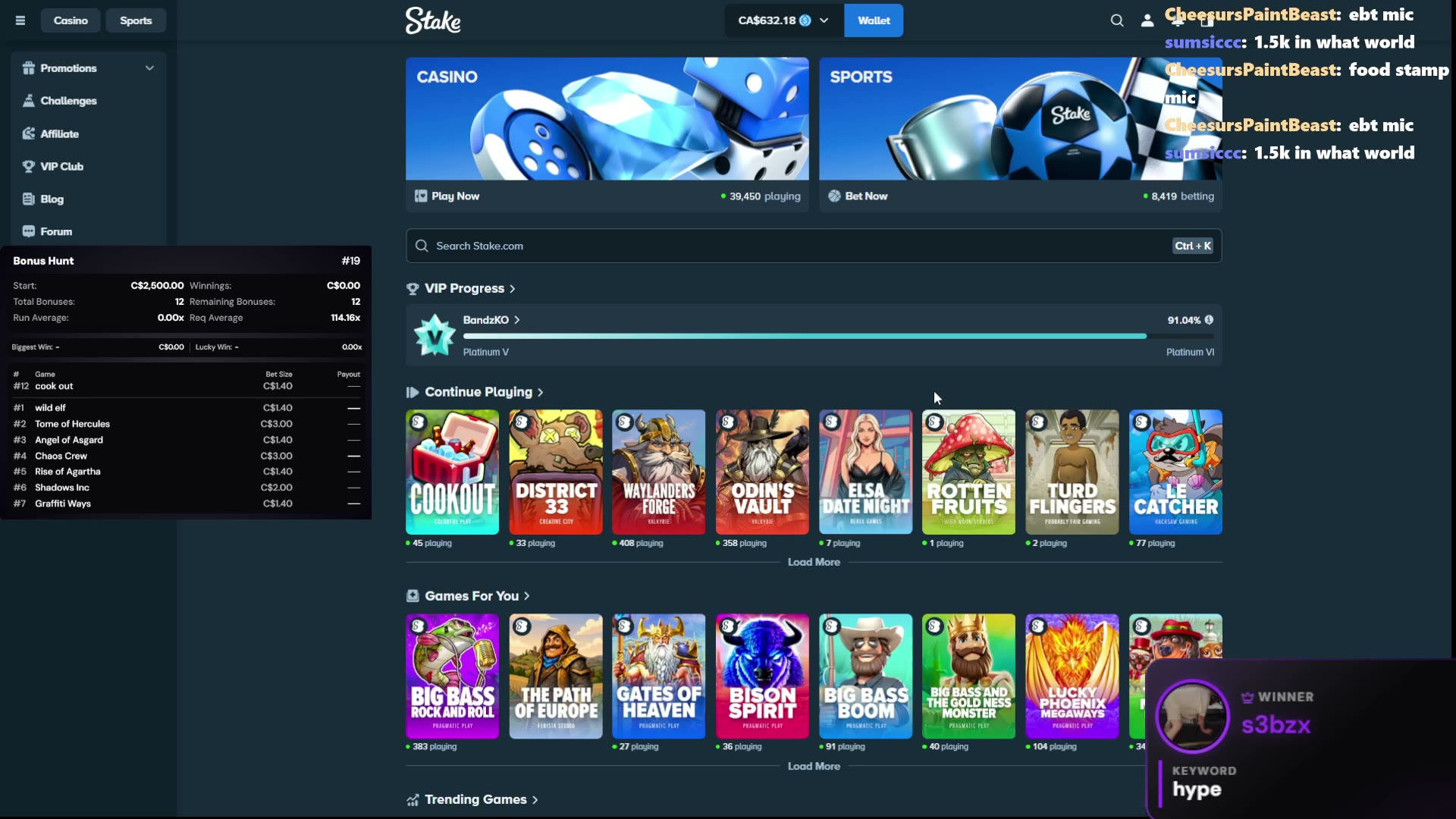
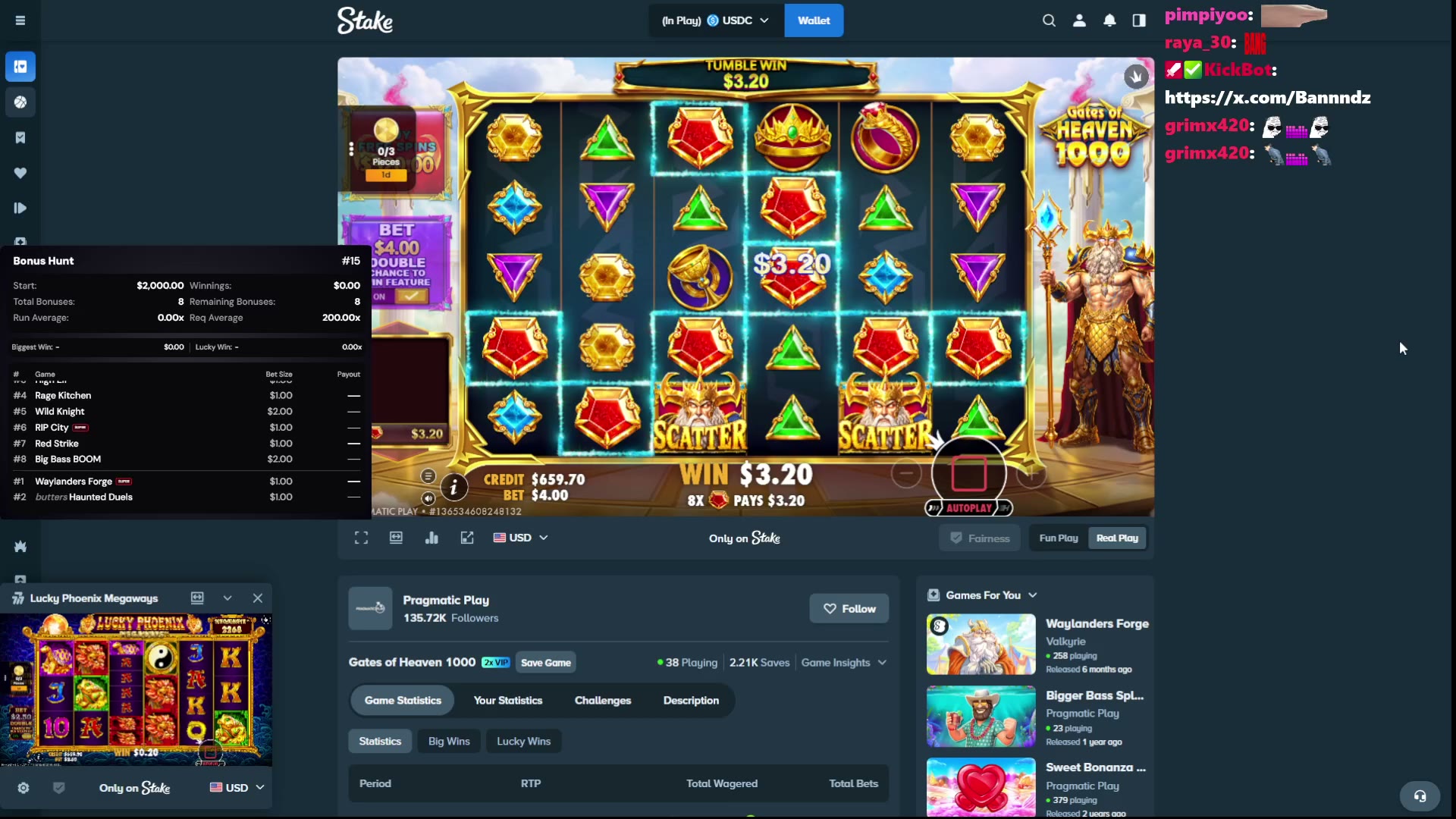
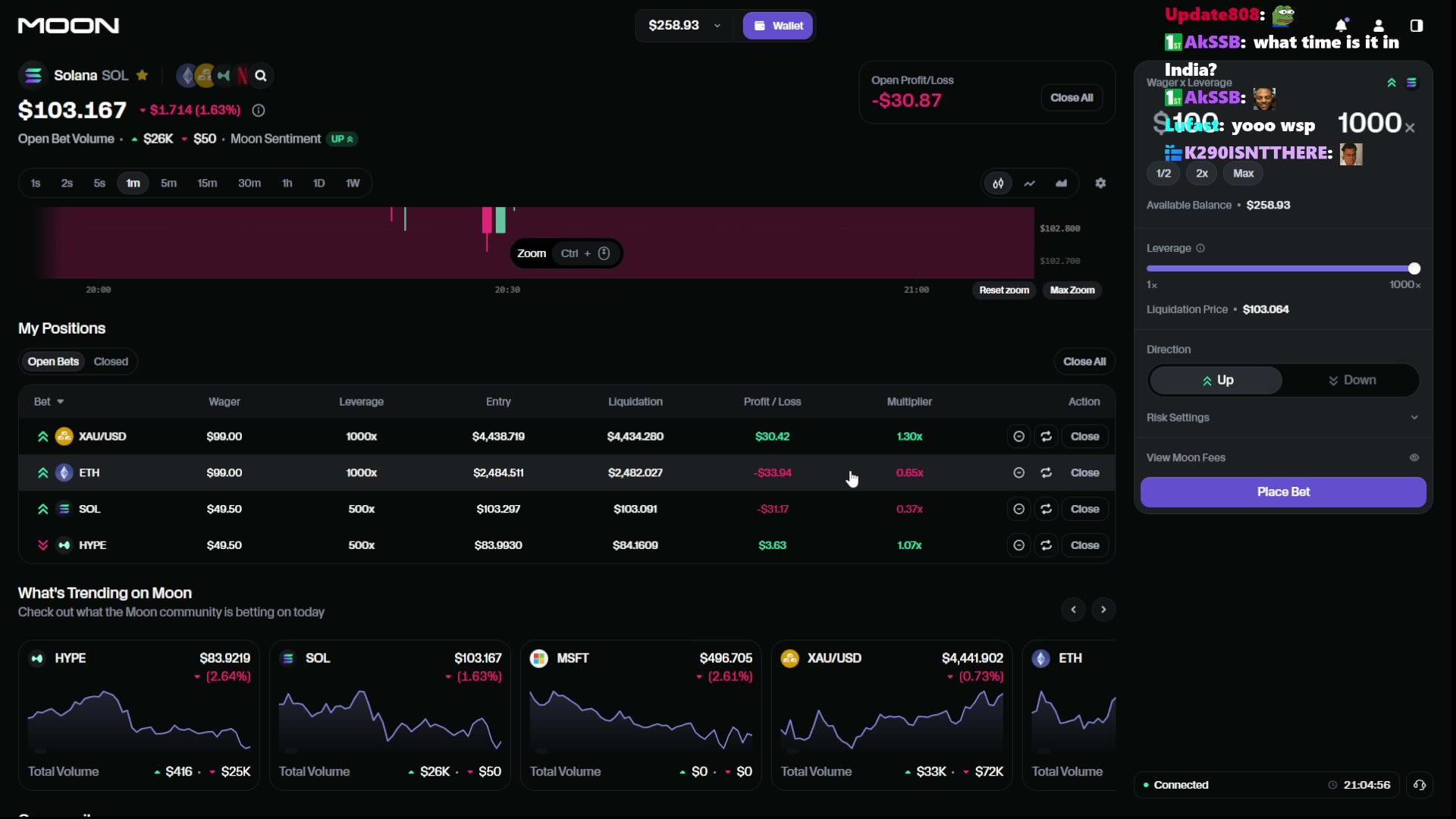
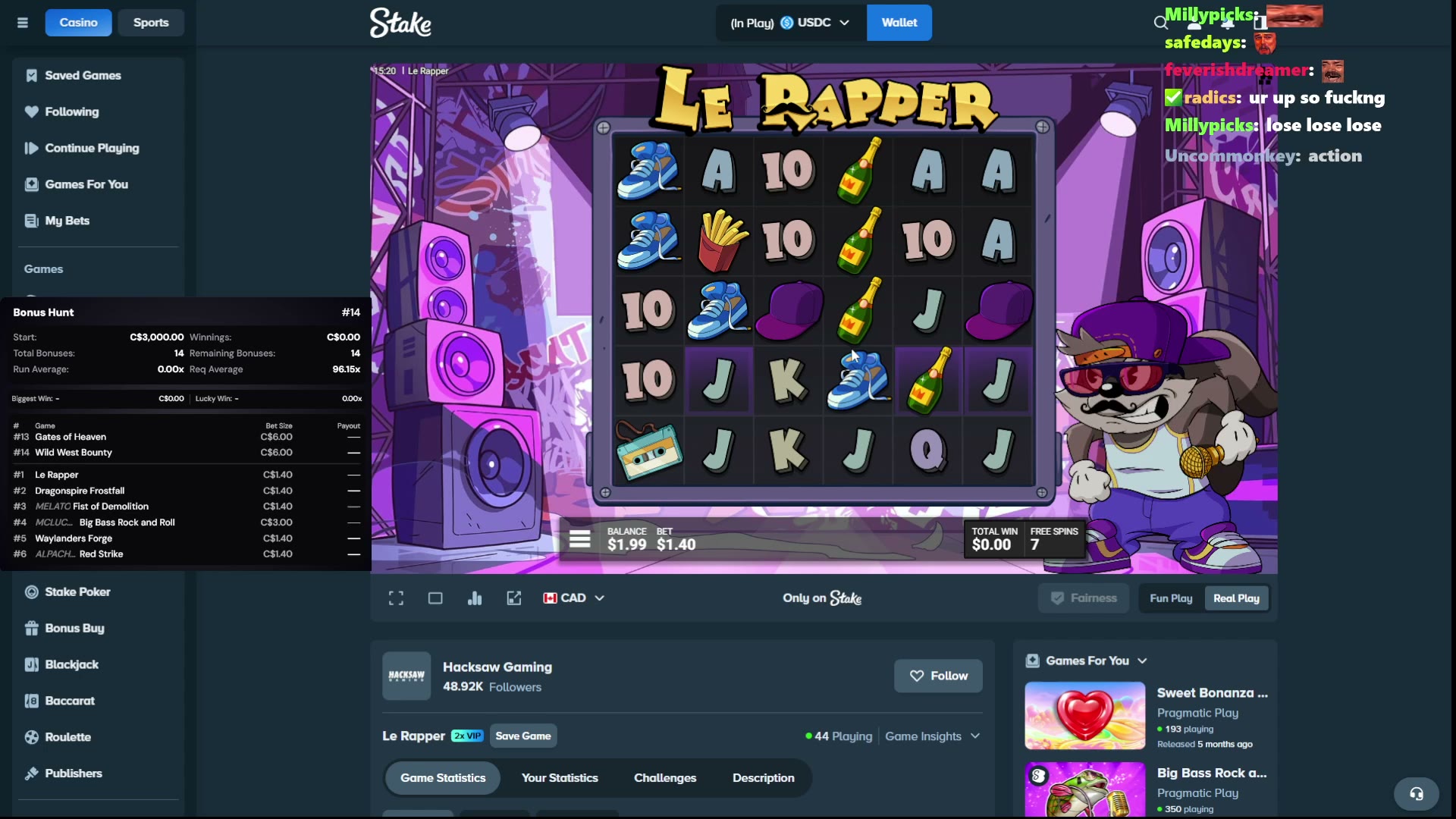
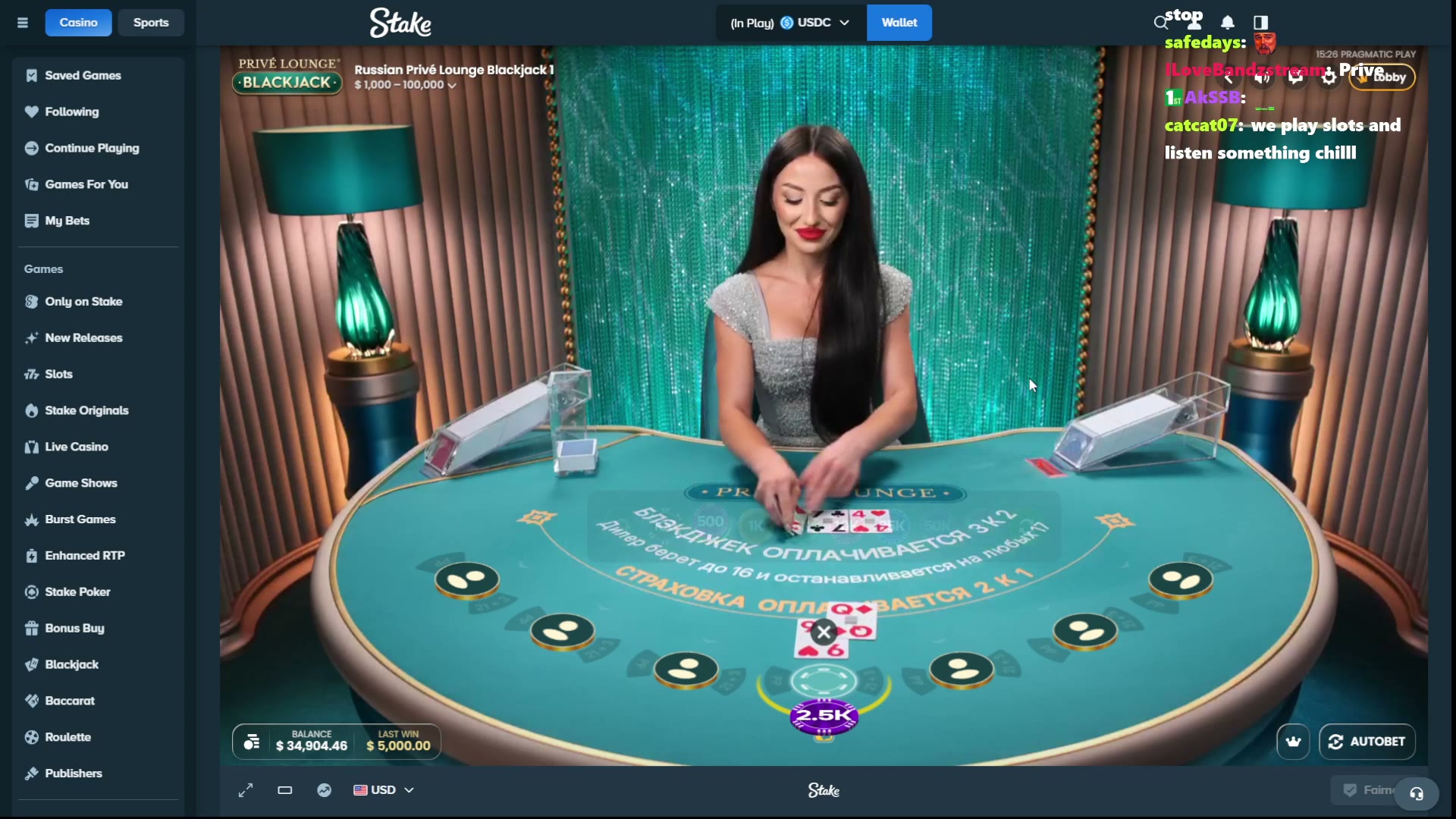
Bandz is listed as an offline gambling streamer, with Kick shown as the platform and Stake shown as the current casino. The language attached to the profile is English, and the account is marked as having no face cam. That is the clean part of the record; the messier part is what is not in it.
For a bandz gambling streamer profile, the useful receipts would be official profiles, archived streams or clips, verified social accounts, affiliate pages, sponsorship disclosures, disclosed wallets, transaction records, or platform policy actions.
The current verified performance snapshot shows 25.5K hours watched over the last 30 days, with 3.6K peak viewers, 965 average viewers, and 41h 16m of airtime across 30 active days. The same 30-day window shows +3.4K followers gained. Lifetime, Bandz is listed with 19.6K followers, a 14.6K peak viewer mark, 650 average viewers, 319h airtime, and 583 active days.
The commercial profile is also quantified, but still needs to be read as platform/profile data rather than a signed contract in public view. Bandz carries an estimated market value of $575K and an estimated monthly payment of $25K/month. The affiliate code is bandz, with a listed $5.0K/month monthly leaderboard size and $300.0K/month top-5 wager per month.
The affiliate benefits attached to the code are: leaderboard, double rank-up bonus, double weekly bonus, 10–15% lossback, and deposit bonuses. Those incentives matter because they are the actual conversion machinery around a casino streamer: not vibes, not memes, but bonuses designed to move deposits and wagering volume.
Bandz is also shown with Roobet as a past casino. There is no recent news for Bandz in the supplied verified record. So the defensible read is narrow: Bandz is an English-language Kick gambling streamer profile currently associated with Stake in the dataset, commercially valued and affiliate-linked, but without public primary-source proof of sponsorship terms, wallets, transactions, or personal losses.
Why gambling streamers are hard to judge from clips alone
A bandz gambling streamer can look transparent while showing almost nothing that proves the part that matters. The balance is on screen. The spin is visible. The reaction is loud enough to wake compliance. None of that tells you where the funds came from, whether the account is subsidized, or what happened before and after the clip.
On-screen balances do not prove the source of funds. A large balance could be personal money, casino credit, a sponsored bankroll, reloads, rakeback, or another private arrangement the viewer never sees. Big wins have the same problem in reverse: a highlight clip can show one spectacular hit while hiding the long-term losses that paid for it. The slot does not care that the thumbnail looks historic.
Promo codes are another poor window into reality. A code tells you there is a commercial relationship or at least a tracked acquisition path; it does not reveal the deal terms. It does not show whether the streamer is paid a flat fee, revenue share, loss share, special reloads, or some other arrangement. Even “raw” reactions can still be sponsored content if the money, access, or incentives behind the session are undisclosed.
The evidence standard needs to be higher than vibes and volume:
- “Played with own money” is weak when the proof is only an on-screen balance. Stronger evidence would include wallet deposits, withdrawals, casino records, or a disclosed funding source.
- “Casino paid fairly” is weak when the proof is a highlight clip. Stronger evidence would include a withdrawal transaction, timestamped account record, or on-chain transfer where crypto is involved.
- “Not sponsored” is weak when the proof is simply no verbal disclosure. Stronger evidence would include written disclosure, platform disclosure tools, or contract confirmation.
- “Casino is licensed” is weak when the proof is a footer logo. Stronger evidence is a regulator license-register entry.
- “Game is fair” is weak when the streamer says so. Stronger evidence is provably fair verification or audited game data.
The missing pieces are usually the decisive ones: deposits, withdrawals, rakeback, reloads, and private deals. Clips are entertainment artifacts, not financial records. Treat them accordingly.
Twitch’s 2022 crackdown changed the backdrop
Twitch drew a hard public line in 2022. The platform announced a ban on streaming unlicensed gambling content, including slots, roulette, and dice games, with the policy taking effect on 18 October 2022, as covered by The Guardian and the BBC. That did not erase gambling from Twitch. Twitch still maintains a gambling live-stream directory that says it features gambling channels and streamers currently live on the platform, accessed 17 August 2026.
That distinction matters when assessing any bandz gambling streamer claim. Twitch’s rule change changed the operating room, not the entire patient. It restricted certain unlicensed casino content categories, but it does not, by itself, prove that a named streamer was banned, moved platforms, or streamed specific casino games. Those claims need receipts, not vibes in a chat replay.
Regulators are still chasing the fallout. Sweden’s gambling watchdog, Spelinspektionen, says influencers remain a major problem for unlicensed online casinos. Its findings describe activity across Twitch, Kick, TikTok, Instagram, and Telegram, with affiliate links, promo codes, and giveaways used to push Swedish players toward black-market sites. The report also says much of this targets younger audiences, that some Twitch-banned streamers move to Kick, and that affiliate link farms, deepfake ads, and esports deals are growing problems. In March 2026, an influencer received a 22-month prison sentence for economic crimes tied to promoting unlicensed gambling; the page says it was the first conviction of its kind in Sweden.
The money did not disappear either; it became more portable. Trainwreck said his current Stake deal is “100 hours at around 500k an hour,” while adding he is “not making the most of it.” He called the period “hyper super juiced” and said these deals will get cut once “Stake Engine fully kicks in” and locks down most of the player base.
The sponsor shuffle keeps proving the point. SteveWillDoIt linked up with Gamdom 11 days after confirming he was no longer affiliated with Roobet. He posted “STEVE X Gamdom” on X, said he plans to “take over with Gamdom,” and said $400,000 would be given away across the next four days of streams on Kick. He also publicly confirmed he cut ties with Roobet and asked X to remove the Roobet affiliation badge from his profile. Gamdom had recently partnered with TheGoobr before adding Steve.
Lyonz followed a similar sponsorship arc in 2026. On a page dated July 29, 2026, he said he was parting ways with Winna and thanked them for the support, then later announced he had signed with Stake. The page says he was taking time to sort out the leaderboard, rewards, and setup details for the new partner. Same machine, different wrapping paper.
The controversy around gambling streams is not theoretical
The argument around the bandz gambling streamer economy is no longer a vague morality play about “influence.” It has receipts, screenshots, alleged leaks, and very real people attached. X accounts have started posting what they claim are Roobet-linked streamers’ passports, home addresses, and transaction histories, with the stated goal of exposing streamers allegedly playing on provided balances instead of their own money. Roobet has not responded. One large post from @YogiGambles specifically named @DOUGGAMBLES and others, and the files are already being shared. That is not transparency; that is a bonfire with documents in it.
The money screenshots are just as blunt. @BennySlots11 shared his Stake transactions page showing almost $800,000 in withdrawals in under 24 hours, while the page itself says the streamer is not sponsored by Stake. That distinction matters because the central question in gambling streaming is often not whether money moved, but whose money it was, what incentives sat behind it, and whether the audience understood the difference.
Then there is TheGambler1999, who shared the aftermath of a Stake session showing $21.85 million wagered and almost $6 million lost in one day. The page says all gambling happened off stream. He later shared the loss on X and Discord, confirmed that the player making $25,000 to $50,000 Keno bets on the Stake feed was him, said the session ended with a $5.7 million loss, and wrote that he had been at a $10.9 million peak before dropping to $5.2 million left. He believed it started after losing a bonus on another site and getting tilted, and said he may step away for a while.
The other side of the ledger can look just as absurd. TheGoobr revealed on stream that his lifetime Gamdom statistics showed more than $10,000,000 in profit. He pulled up the stats near the end of the livestream, ended shortly after, and said: “Why did I have to do those Stake blackjack hands earlier,” after seeing the result. Clean little accidental audit. Casinos hate those.
None of this appeared from nowhere. A Craven Herald report on the Twitch gambling-ban controversy said the issue went viral after ItsSliker allegedly borrowed $200,000 from viewers during a live stream. The ODAAT Gambling Awareness video description says gambling streaming led Owen to a gambling addiction. A YouTube video titled “The Gambling Streamer Going Bankrupt For Views” showed 3.3 million views and was listed as 3 years old in search results. The audience has been watching the blast radius for years. Now the receipts are catching up.
What to check before trusting any Bandz casino claim
A Bandz casino clip is not evidence. A balance on screen is not evidence. A win replay, a shouted promo code, or a pinned link dressed up as “community value” is not evidence either. Before trusting any claim around a Bandz gambling streamer, treat it like a dispute file: identify the party, preserve the receipt, follow the money, and separate the casino’s marketing department from verifiable facts.
The same evidence discipline used in online casino complaints applies here. A transparent dispute record starts by filing with the casino, selecting the right category, and attaching evidence. A resolver triages the case, the casino gets 14 days for its first response, and mediation continues in a shared thread with 7 days per turn. The outcome is then published as resolved, unresolved, or rejected. That process is independent and aims for fair outcomes for all parties — which is exactly the standard viewers should expect before accepting streamer-side casino claims as clean.
Run the claim through this checklist before you trust it:
- Official identity: is the account actually Bandz, or a fan page, repost farm, impersonator, or clipped-content account?
- Platform: where did the stream or clip appear — Twitch, Kick, YouTube, or somewhere else?
- Casino links: are there affiliate links, promo codes, referral pages, or tracked landing pages attached?
- Disclosure: is the sponsorship clearly disclosed on-stream and in the video description, not buried like a body in the footer?
- Funding: is there evidence showing where the gambling balance came from?
- Withdrawals: are withdrawals shown as completed transactions, or are viewers only seeing wins replayed for dopamine?
- Wallets: if crypto is involved, are deposit and withdrawal wallets visible enough to verify movement?
- License: is the casino licensed in a relevant jurisdiction?
- Game fairness: can the games be independently verified as fair?
- Viewer pressure: does the streamer push risky deposits, chase losses, or frame gambling as easy money?
The red flag is not that a streamer gambles. The red flag is when the economics are hidden while the audience is pushed toward the cashier. If the casino claim cannot survive basic identity checks, funding evidence, withdrawal proof, wallet visibility, licensing review, and fairness verification, it belongs in the unresolved pile until receipts say otherwise.
Red flags in gambling-streamer content
A bandz gambling streamer should be judged less by the size of the on-screen balance and more by what is missing around it. The loudest warning sign is “guaranteed win” language. Gambling does not become predictable because a streamer says the next spin is “free money,” “locked,” or “printing.” That is marketing dressed as certainty, and certainty is exactly what the house is selling back to the viewer at retail.
Sponsor disclosure is another hard line. If a streamer is pushing a casino, code, link, or bonus while failing to clearly say whether the content is sponsored, funded, or otherwise commercially tied to the operator, the viewer is being asked to trust a performance without seeing the contract. Heavy promo-code pushing makes that worse, especially when every losing session somehow becomes a pitch for another deposit match. The code is not scenery. It is the business model.
Fake urgency around bonuses deserves the same treatment. “Last chance,” “only today,” and “don’t miss this” are useful phrases for converting viewers, not for helping them understand risk. When urgency replaces explanation, the point is not informed choice. It is speed. Speed is very convenient when the product can empty a balance in minutes.
The numbers on-screen also need skepticism. A huge balance with no visible deposit trail tells you little about the streamer’s actual exposure. Clips of wins only tell you even less. Anyone can package volatility into a highlight reel and make the machine look generous. The missing footage — deposits, dead spins, withdrawals, reloads, and net results — is usually where the adult conversation lives.
Claims of personal profit without records belong in the same bucket. A streamer saying they are “up” is not evidence. Neither is a pinned win clip, a celebratory thumbnail, or a victory lap after one big hit. If the records are absent, the claim remains a claim.
The ugliest red flags are behavioral. Encouraging viewers to chase losses is not entertainment; it is a funnel into worse decision-making. Presenting gambling as income is equally corrosive, especially when the audience is shown jackpots but not bankroll destruction. And when viewers ask basic questions about sponsorship or funding, attacks and insults are not transparency. They are smoke bombs.
What we still need to verify about Bandz
The label “bandz gambling streamer” is not something to accept on vibes, reposts, or a clipped screen recording with half the context missing. If Bandz streams gambling content, the clean evidence is straightforward: an official stream archive, a verified account tied to Bandz, and timestamped clips that show the gambling activity in context. A loose upload from a third party may point investigators in the right direction, but it is not the receipt.
The same standard applies to casino promotion. To verify which casinos Bandz has promoted, the useful evidence would be stream descriptions, affiliate links, disclosed sponsorships, or other platform-native records showing the operator relationship. A logo on-screen is not enough by itself. A link with tracking parameters, a written sponsorship disclosure, or a repeated callout in a verified stream is a different animal.
The money question is usually where gambling-streamer claims get slippery. If Bandz says he plays with personal funds, or critics say he does not, either version needs backing. Deposit records, wallet data, or casino-account evidence would be required to separate bankroll theatre from actual exposure. Without that, nobody should pretend to know whether the risk is real, subsidized, recycled, or simply undocumented.
Claims about bans or discipline also need primary proof. A verified account status, an official platform notice, or another direct platform record would matter. Screenshots can be useful, but only when they include metadata or can be tied back to a primary source. Otherwise, the internet has produced yet another JPEG with a gambling problem.
Sponsorship disclosure is its own lane. To verify whether Bandz has disclosed sponsorship terms, the evidence would need to be written disclosure, video disclosure, or a contract statement. “Everyone knows it was sponsored” is not disclosure. Neither is a vague shoutout buried between spins.
Viewer-loss and complaint claims require the same discipline. Primary complaints, screenshots with metadata, and platform records are the minimum bar before those claims deserve weight. Unknown is not “innocent” or “guilty”; it means bring receipts. Until those receipts exist, the honest position is simple: the key claims around Bandz remain unverified.
Bottom line
The clean read on the bandz gambling streamer question is simple: if Bandz-specific verification remains thin, the verdict stays thin too. Audience heat, clip virality, affiliate chatter, and casino-branded theatrics are not receipts. The useful evidence is colder and less entertaining: deposit flows, withdrawal history, wallet balances, transaction trails, licensing records, sponsorship disclosures, and any primary-source documentation that shows whether the gambling on screen is funded, simulated, subsidized, or selectively edited for maximum dopamine.
That standard matters because gambling-streamer content is built to feel immediate. A win flashes, chat erupts, the streamer reacts, and the viewer is nudged toward the idea that risk is entertainment with a referral link attached. None of that proves solvency, fairness, personal bankroll exposure, or the absence of operator incentives. Until there are verifiable Bandz-specific receipts, the responsible position is not to crown him, bury him, or launder uncertainty into certainty. It is to say the obvious thing out loud: the public record is not enough.
The same rule applies across the category. Treat every gambling streamer as a claim in motion, not a fact pattern delivered by neon lighting. If the content cannot be tied back to hard evidence, then what remains is performance — potentially lucrative performance — with the viewer carrying the financial downside. The house already has an edge. Nobody needs a parasocial one stacked on top.
18+ | Gambling can be addictive. Please play responsibly. If gambling is no longer entertainment, or if losses, chasing, secrecy, credit use, or stress are becoming part of the routine, get help before the next spin. Support is available through BeGambleAware.org, GamblingTherapy.org, and GamCare.org.uk.
FAQ
Who is Bandz, the gambling streamer?
Bandz is discussed online as a gambling streamer, but the available research set does not include verified primary-source receipts confirming Bandz’s identity, casino partners, sponsorships, deposits, withdrawals, or gambling volume. Treat any Bandz gambling streamer claim as unverified unless it is backed by official profiles, archived stream records, disclosed links, platform records, wallet activity, or casino-side documentation.
Is Bandz confirmed to be sponsored by a casino?
No. Sponsorship is not confirmed without direct evidence: a disclosed affiliate link, promo code, written sponsorship notice, stream description, contract statement, or reliable confirmation from the casino. A streamer using a casino on-screen is not proof of a deal. The bear remains unpoked until the receipts arrive.
Did Twitch ban gambling streams?
Twitch announced restrictions on unlicensed gambling content, including slots, roulette, and dice games. The policy took effect on 18 October 2022. The BBC said the ban would apply in many jurisdictions, which matters because “seen on Twitch” and “allowed under Twitch policy” are not the same thing.
Can gambling streams still appear on Twitch?
Yes. Twitch has a gambling live-stream directory, but Twitch also restricted unlicensed gambling content. Directory visibility is not a compliance certificate. It is a shelf label, not an audit.
Why did gambling streaming become controversial?
Casino-style betting was packaged as entertainment while funding, sponsorship incentives, bonuses, and affiliate economics were often unclear to viewers. A Craven Herald report said the Twitch gambling-ban controversy went viral after ItsSliker allegedly borrowed $200,000 from viewers during a live stream.
Are gambling streamers playing with their own money?
You cannot know from a clip alone. On-screen balances do not show whether funds came from the streamer, a sponsor, rakeback, bonuses, or private arrangements. Deposits, withdrawals, wallet transactions, sponsorship disclosures, and casino receipts matter more than a big-number balance flashing on screen.
What evidence matters when judging a gambling streamer?
The useful evidence is boring, which is why it is useful: official accounts, disclosed sponsorships, affiliate links, wallet addresses, deposits, withdrawals, casino balances, license-register entries, platform notices, and timestamped archives. A win clip is marketing unless the money trail can be checked.
Is watching gambling streams risky?
It can be, especially when betting is presented as entertainment, income, or social proof. The ODAAT Gambling Awareness video description says gambling streaming led Owen to a gambling addiction.
What should you check before using a streamer promo code?
Check whether the code is sponsored, whether wagering requirements apply, whether the casino is licensed, and whether the streamer discloses the commercial relationship. A promo code is not a fairness certificate.
What is the safest conclusion on Bandz-specific claims?
Bandz-related gambling claims remain unverified until primary-source receipts are available. Do not assume legitimacy, guilt, sponsorship, personal losses, or casino backing without proof.