


Last 30 days

 USA
USA English
Affiliate Benefits
Aff code benefitsLow
Growth
StakeLifetime Data
2026-09-16
DRAKE - FOMO STREAM
Activity
Past Streams
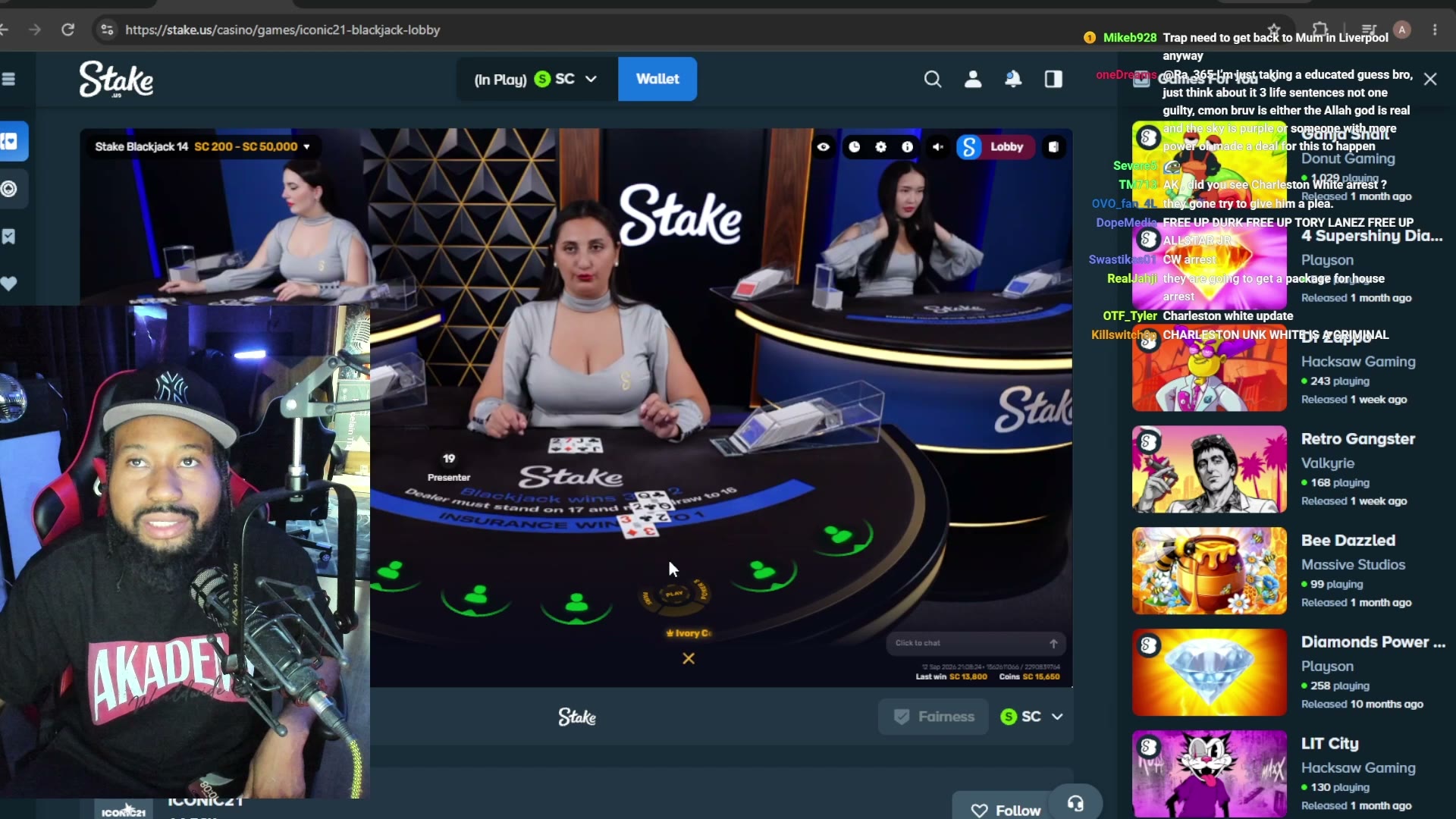
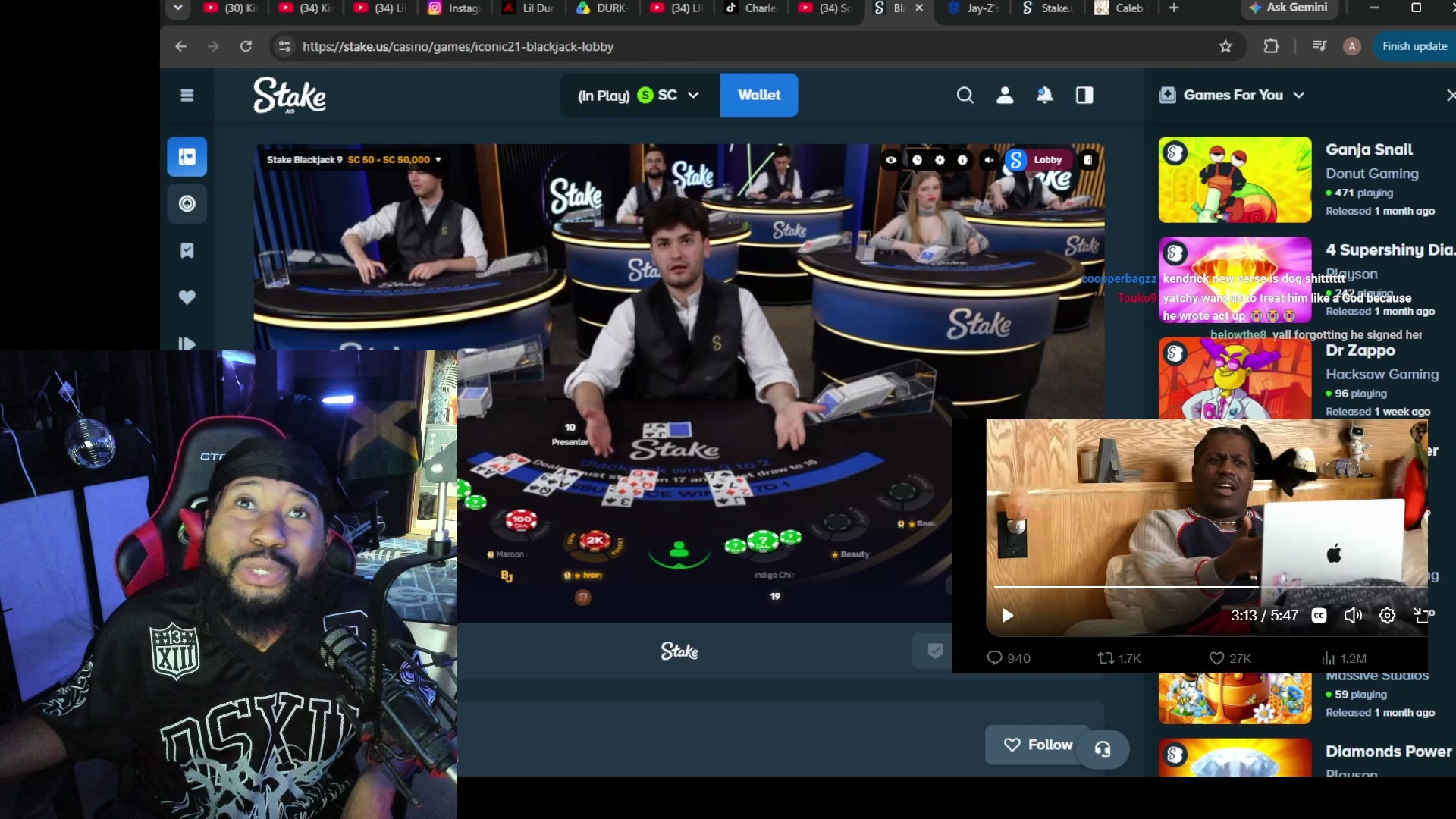
Recent News for akademiks
DJ Akademiks Gambling Lawsuit Explained
The DJ Akademiks gambling story is being searched like a scandal reel, but the useful part is narrower than the noise. Based on public reporting, the issue centers on a lawsuit tied to Stake.us and allegations that celebrity-driven promotion helped market an unlawful gambling product. That is the claim. It is not a court finding, and it is not the same thing as guilt.
Most DJ Akademiks gambling searches also pull in Drake, Adin Ross, and the broader Stake brand. That overlap matters because the legal theory appears to focus less on gossip and more on how a sweepstakes casino was presented to users, how promotional content may have influenced play, and whether those practices caused consumer harm. In other words, clip culture made it loud; court papers make it legible.
What The DJ Akademiks Gambling Lawsuit Says
The cleanest way to read the DJ Akademiks gambling lawsuit is as a case about alleged promotion, platform design, and legal status. Public coverage describes an illegal gambling lawsuit tied to Stake.us, with claims that the product operated outside what state gambling regulations allow and that well-known online figures helped drive user attention toward it. That is why the same headlines keep grouping DJ Akademiks, Drake, and Adin Ross together.
Just as important, a lawsuit is a container for allegations, not proof. If a complaint uses terms such as racketeering lawsuit, consumer harm claims, or unlawful gambling, those labels still have to survive motions, evidence challenges, and the court process. Readers should be careful not to flatten every person mentioned into the same role. Some may be alleged promoters, some may be business partners, and some may be pulled into the case because of content, contracts, or audience reach.
For players, the practical takeaway from the DJ Akademiks gambling lawsuit is simple. Ignore the pile-on and read the theory of the case. Does the complaint say the product itself was illegal, that the marketing was deceptive, that disclosures were inadequate, or that all three worked together. That distinction matters more than a trending clip. Courts care about pleadings, payments, and product mechanics. Social media cares about thumbnails. Those are not the same sport.
Why Stake.us Sits At The Center
The reason Stake.us sits at the center of the DJ Akademiks gambling discussion is that the legal fight appears to turn on the platform model itself. Stake.us is commonly described as a sweepstakes casino, which is different in branding and legal framing from a standard real-money online casino. In broad terms, sweepstakes models usually rely on promotional currency structures and redemption rules rather than straightforward cash wagering. That distinction is exactly where lawsuits tend to dig in.
When plaintiffs challenge a sweepstakes casino, the core question is usually whether the product functions like lawful promotional entertainment or like unlicensed online gambling wearing a paper hat and hoping nobody checks the receipt. That is where details matter. How are credits issued. What can be redeemed. How do deposits, redemptions, and bonus mechanics interact. If a complaint references a Stake tipping feature or similar social tools, the point is usually to show how the ecosystem may have encouraged more play, more retention, or more transfer of value between users.
That is also why the Stake.us lawsuit has drawn so much attention beyond celebrity names. The platform question affects the whole case. If the product is treated as lawful, the promotional claims are assessed one way. If it is treated as unlawful gambling, the exposure can look very different. Either way, the useful evidence will not be a reaction stream. It will be the filed complaint, the operator response, and any documents showing how the product actually worked in practice.
Why DJ Akademiks And Other Creators Are In The Case
In cases like this, public figures are usually relevant because of gambling promotion, audience reach, and disclosure. That is why DJ Akademiks gambling coverage keeps getting bundled with Drake and Adin Ross. The reported theory is not simply that famous people existed near a casino brand. It is that their content allegedly helped normalize, advertise, or accelerate player activity around Stake.us. If that is what the complaint says, then the legal question becomes what they promoted, how they were tied to the product, and what users were told.
That does not mean every creator faces identical allegations. A name in a headline can hide important differences in role, compensation structure, and content format. A livestream, a sponsored segment, a social clip, and an affiliate-style arrangement do not automatically amount to the same conduct. Readers looking into the DJ Akademiks gambling lawsuit should separate three things: who was named, what conduct was alleged, and what evidence supports it. Those are often treated as one blob online. They are not one blob in court.
Public discussion around the case has also spilled into side themes such as bot networks, inflated reach, and streaming numbers. Those issues may be relevant if the pleadings connect them to promotion or damages. If not, they are mostly atmosphere. The same goes for broad celebrity-gossip framing. A celebrity gambling lawsuit makes for searchable headlines, but the hard edge of the case is still the same: platform legality, promotional conduct, disclosure, and alleged consumer harm.
What Players Should Watch Next
If you are following the DJ Akademiks gambling case as a player rather than as a fan, the next step is not another reaction video. It is the court record. Start with the complaint and any motion to dismiss. Those documents usually tell you what the plaintiffs think happened, how the defense plans to respond, and whether the dispute is really about illegal gambling, misleading marketing, jurisdiction, arbitration, or some mix of the lot.
After that, watch for documents that test the receipts. In a case involving a Stake.us lawsuit, the useful items can include contracts, payment flows, redemptions, internal disclosure terms, and descriptions of how promotional systems worked. If the complaint leans on a tipping feature, a sweepstakes structure, or influencer relationships, the details around those mechanics matter more than broad moral speeches. Courts do not grade vibes. They grade evidence.
Players should also pay attention to what the filings do not prove. A claim filed in court does not establish that losses were caused the way plaintiffs describe, that every named personality acted the same way, or that every promotional appearance broke the law. The reverse is also true. A denial is not a clean bill of health. In a market full of slippery labels, the safest habit is to stay close to primary documents and far away from recycled outrage.
Bottom Line For DJ Akademiks Gambling Searches
The short version is that DJ Akademiks gambling searches are mostly landing people in entertainment coverage, while the underlying issue is a legal dispute over Stake.us, promotion, and whether a sweepstakes casino crossed into unlawful gambling territory. That is the part worth your time. Being named in a lawsuit is not proof. Being famous is not a defense. What matters is the exact allegation, the exact role, and the exact evidence.
For crypto-native players, this case is a reminder to look past branding and ask uglier but more useful questions. How does the product handle value in and value out. What is the redemption path. What disclosures were made around promotion. Were users watching entertainment, advertising, or something in between. The DJ Akademiks gambling lawsuit matters because it sits at that intersection of product design, creator marketing, and player risk.
So yes, the headlines are loud. They always are. But the real signal is quieter: court filings, platform mechanics, and documented relationships. That is where the truth usually lives, usually under several layers of marketing gloss and internet theater. Clip economy loves a pile-on. Courts prefer exhibits. Players should too.