


Adin is one of the biggest names on Kick, originally blowing up through NBA 2K and GTA before becoming known for IRL streams, celebrity guests and internet drama. He’s also been a major name in gambling streaming, previously with Stake and now partnered with Rainbet.
Last 30 days

 USA
USA English
Affiliate Benefits
Aff code benefitsHigh
Growth
StakeRainbetLifetime Data
2026-09-15
Cookies
Activity
Past Streams
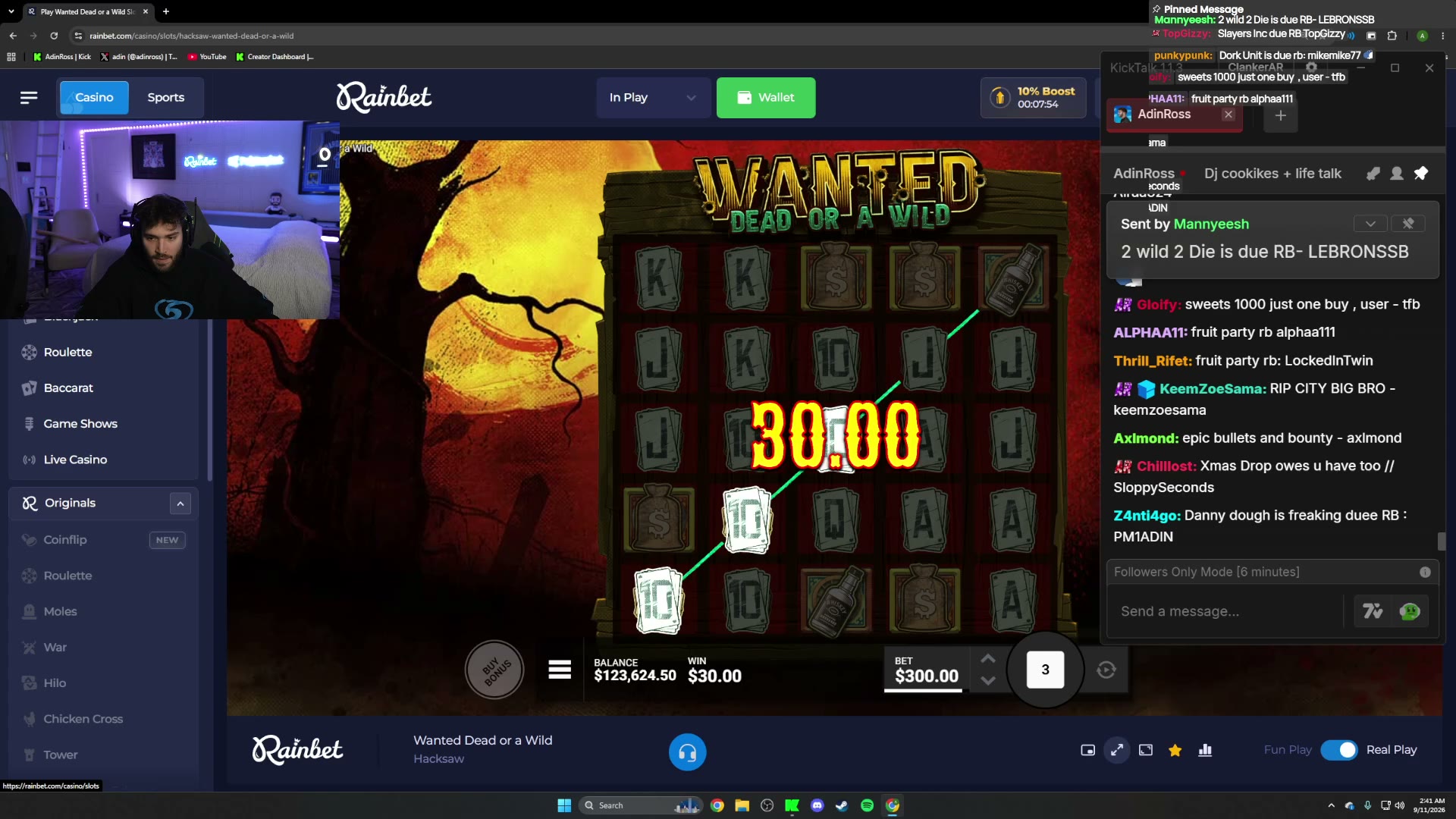
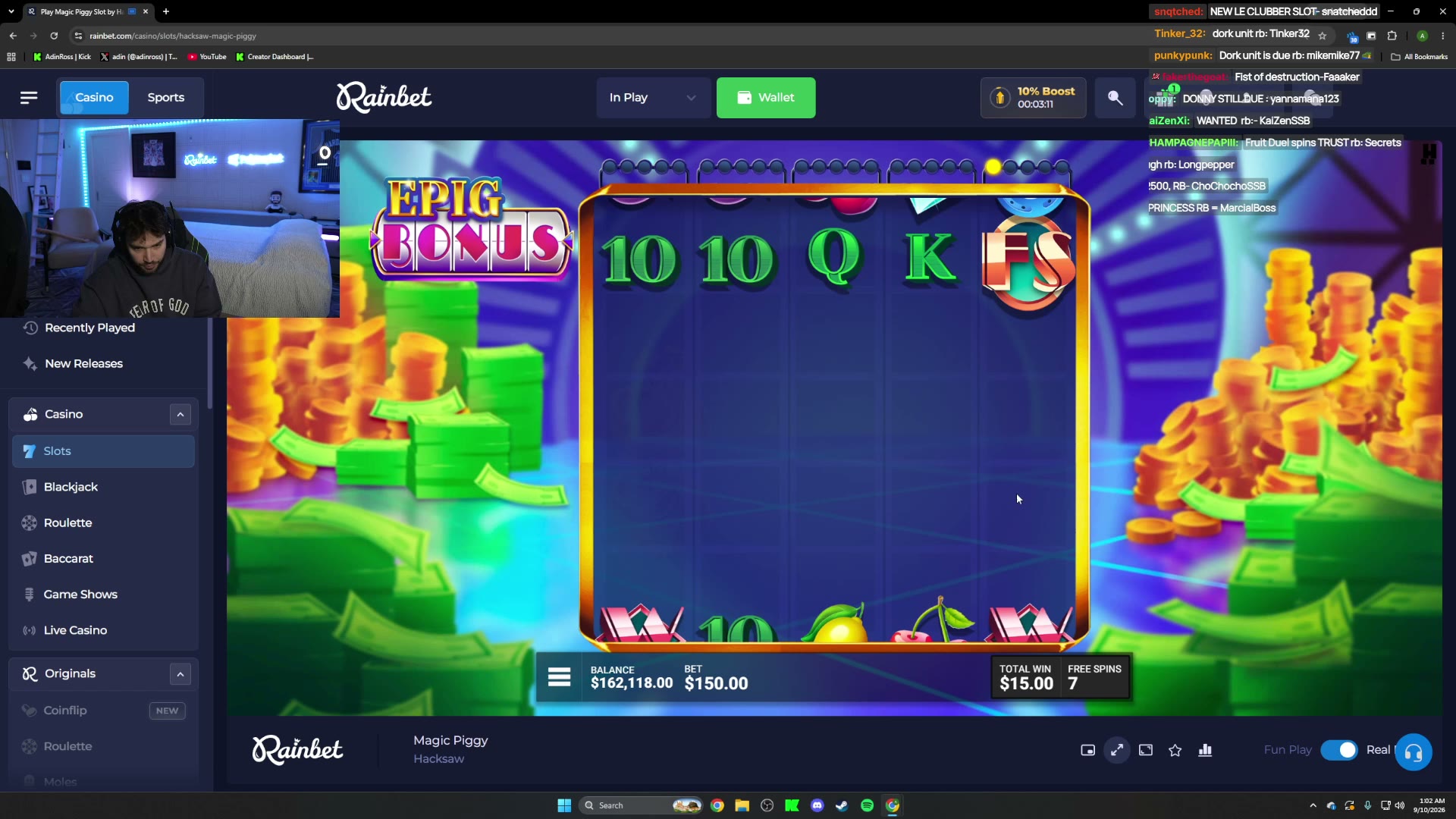
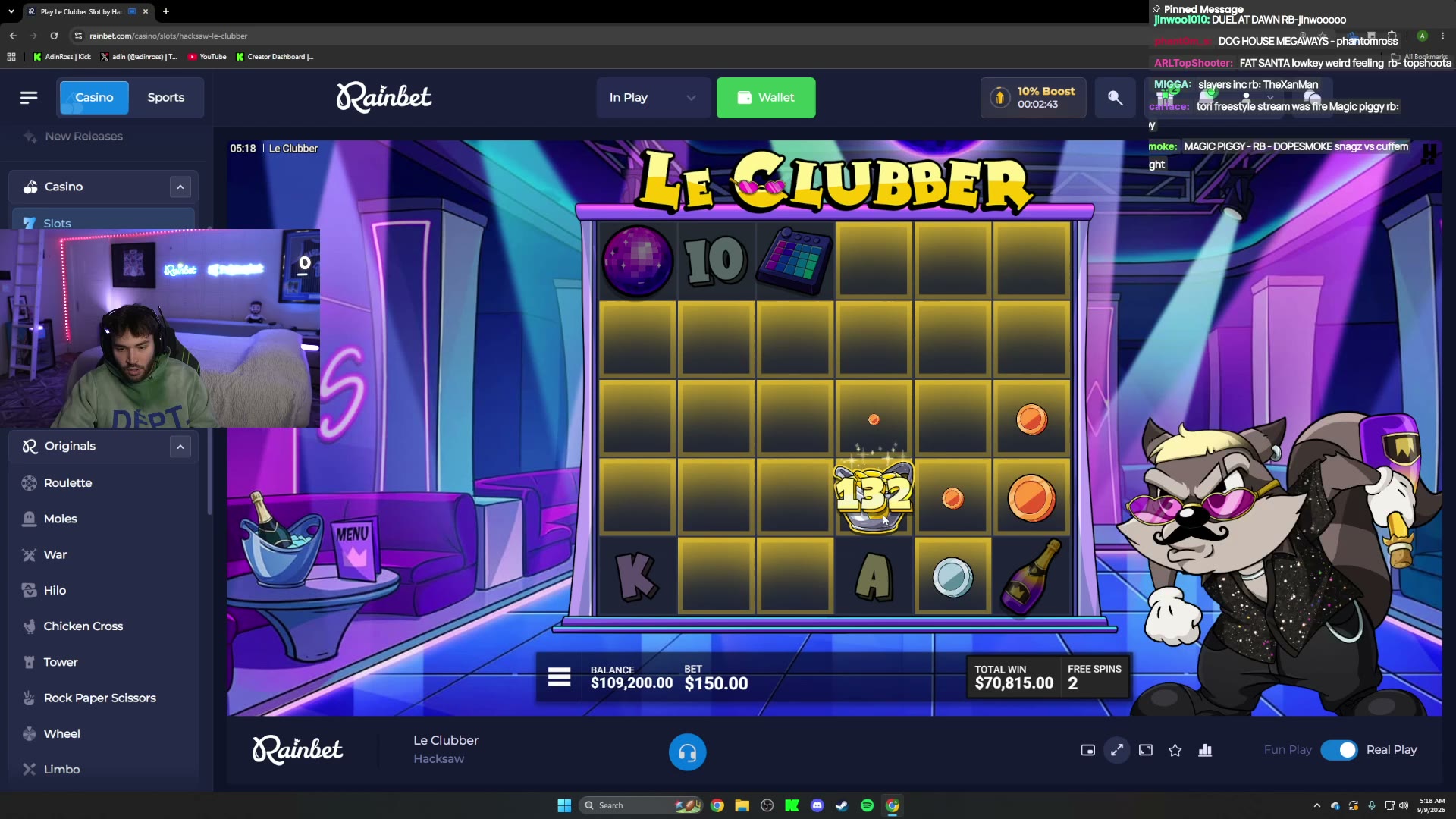
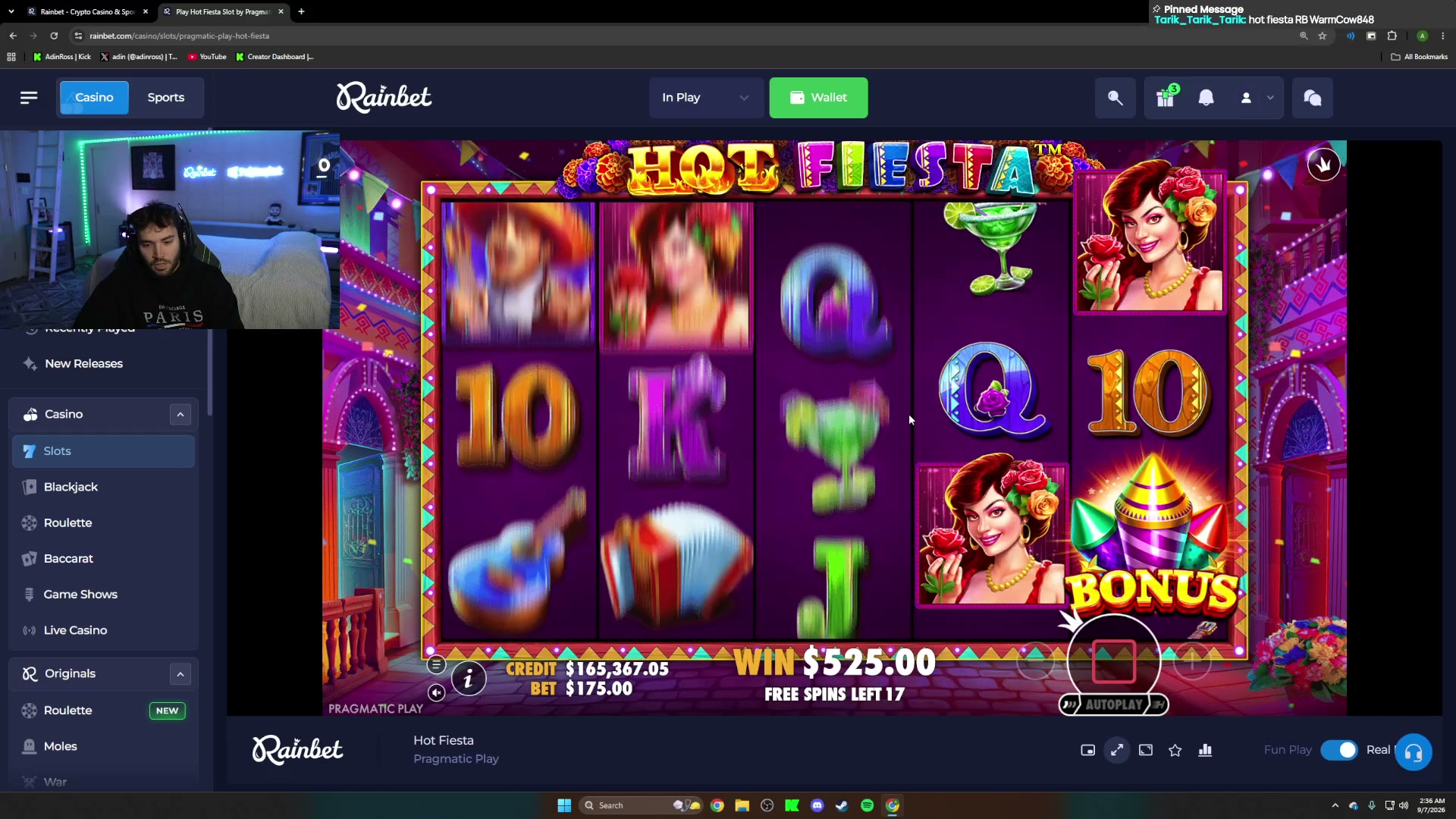
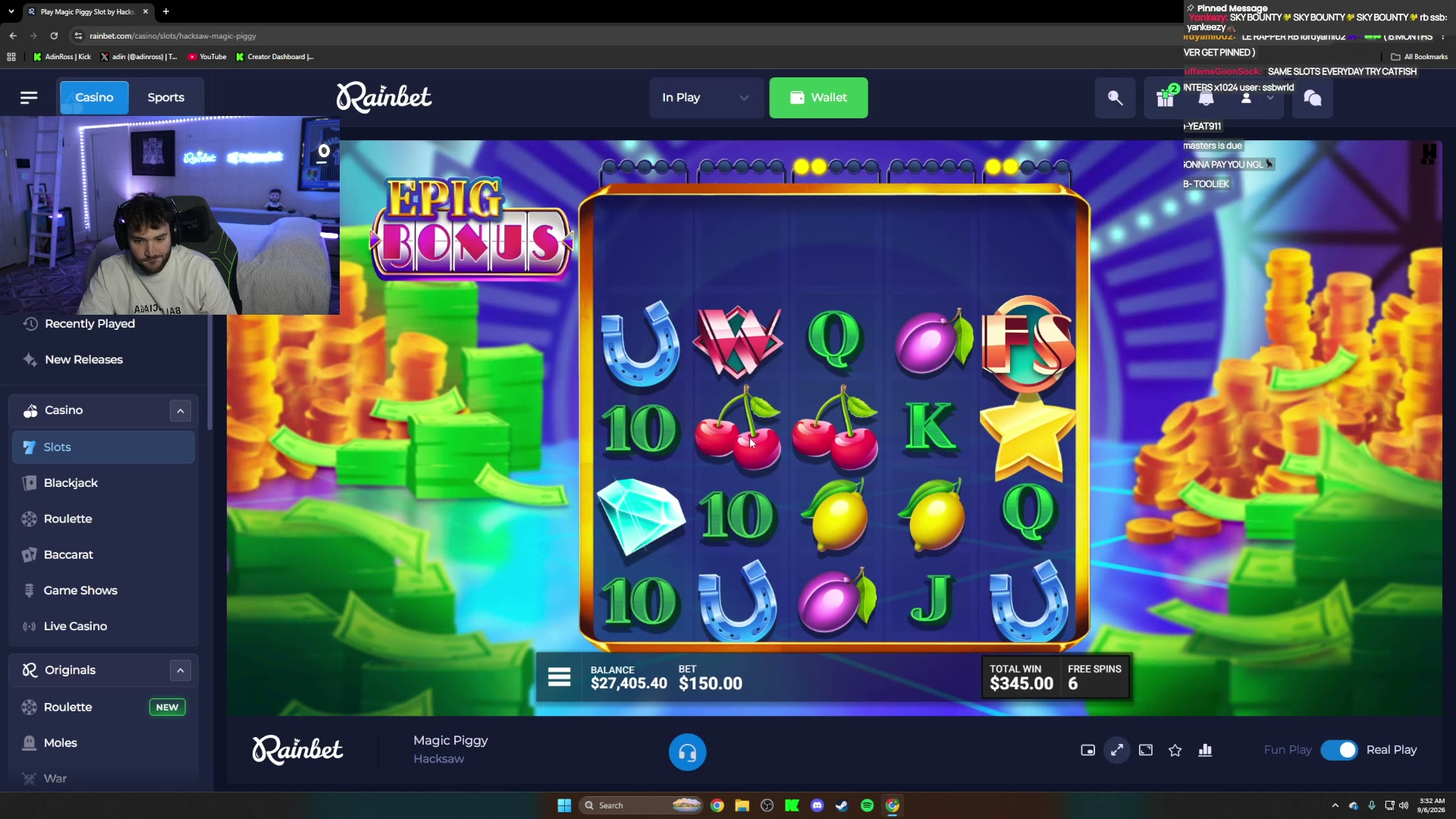
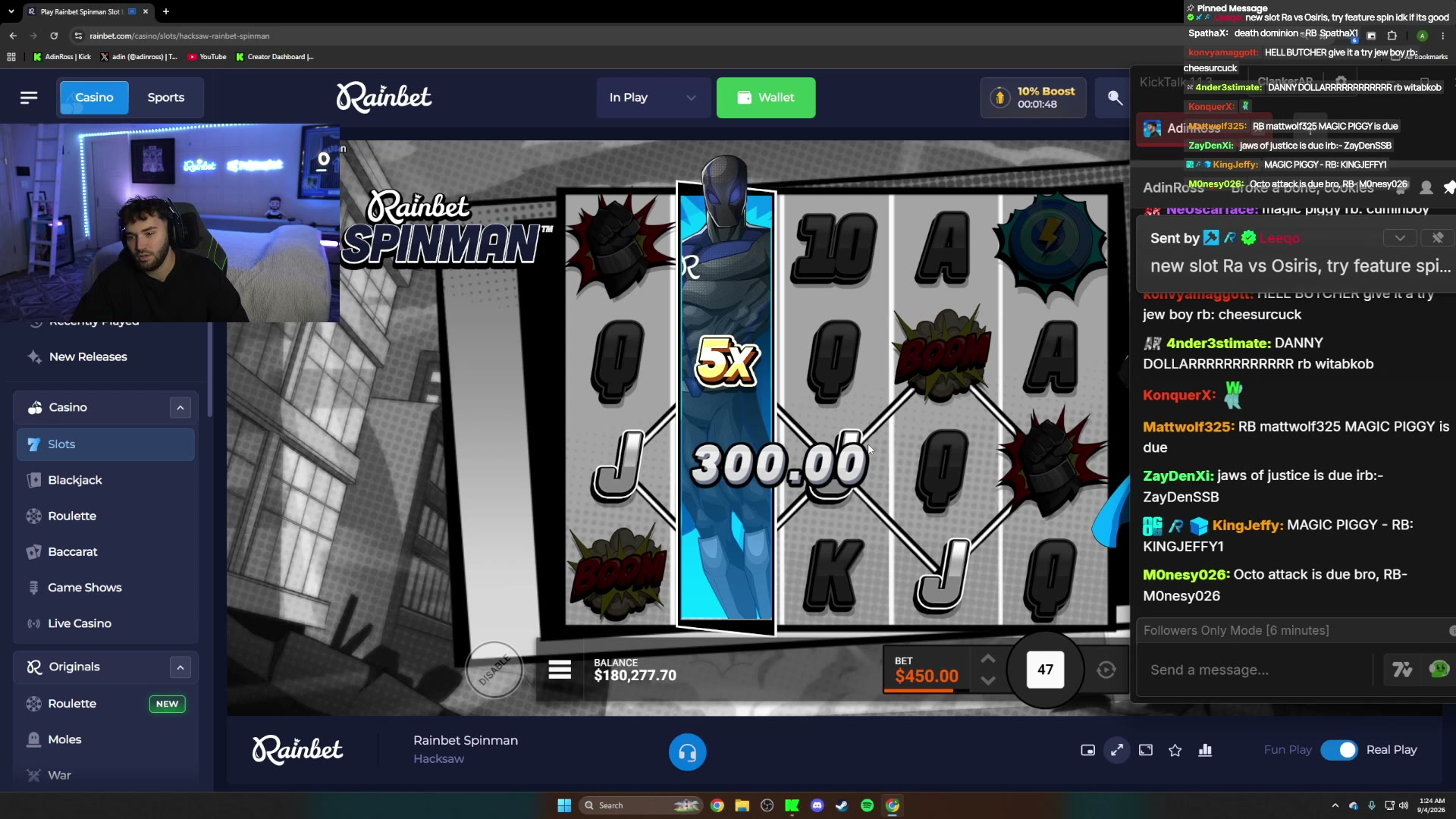
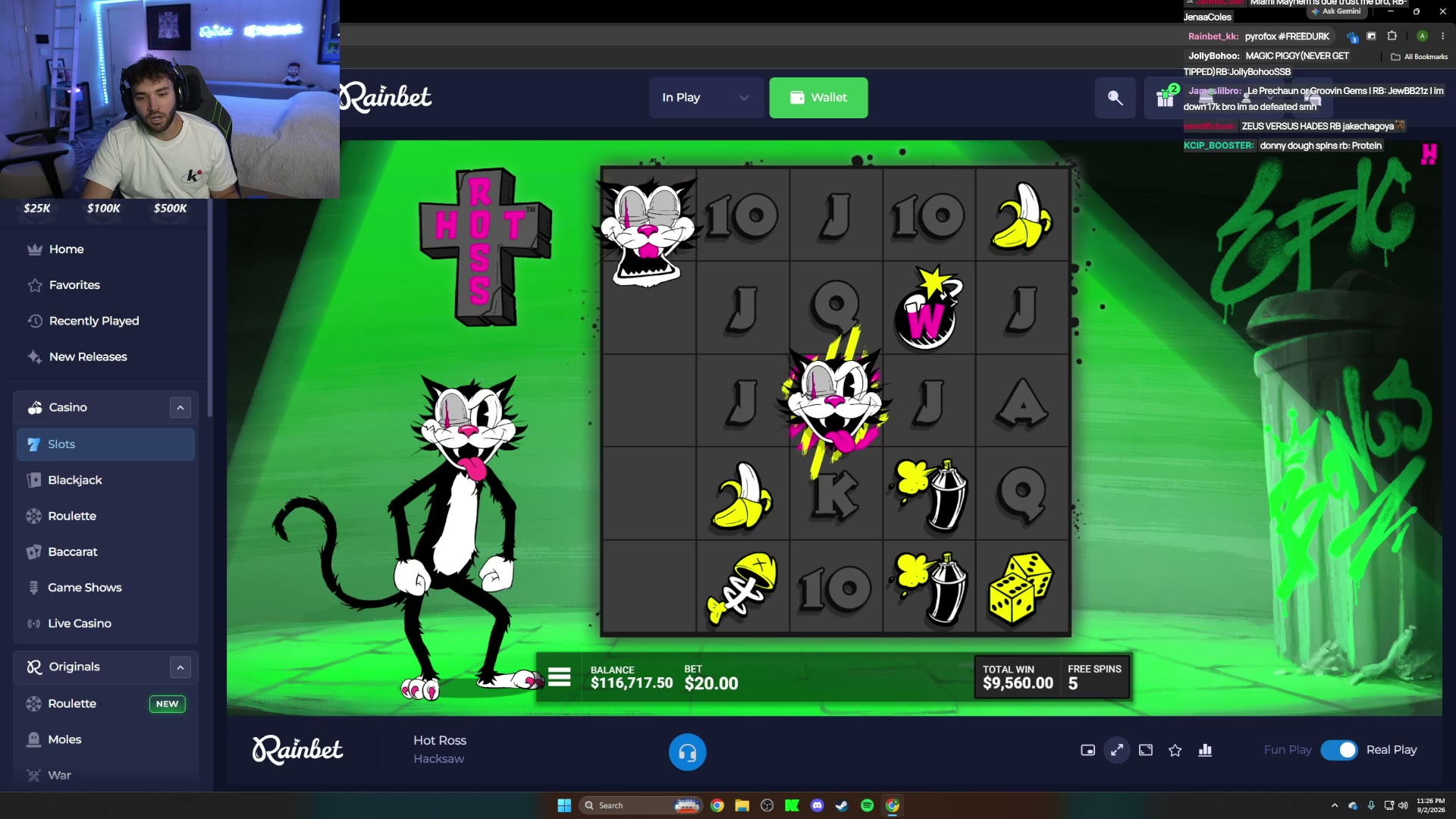
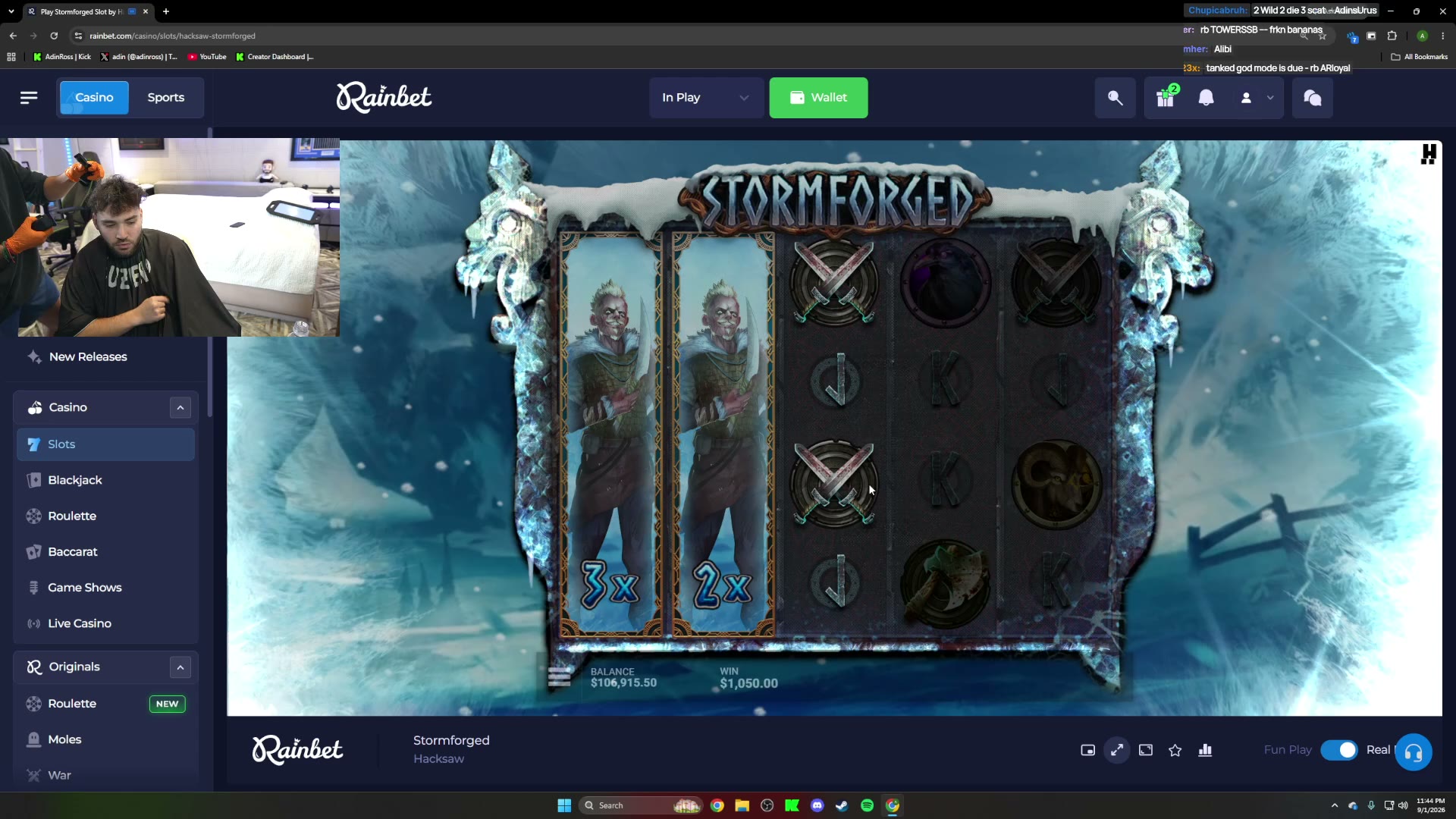
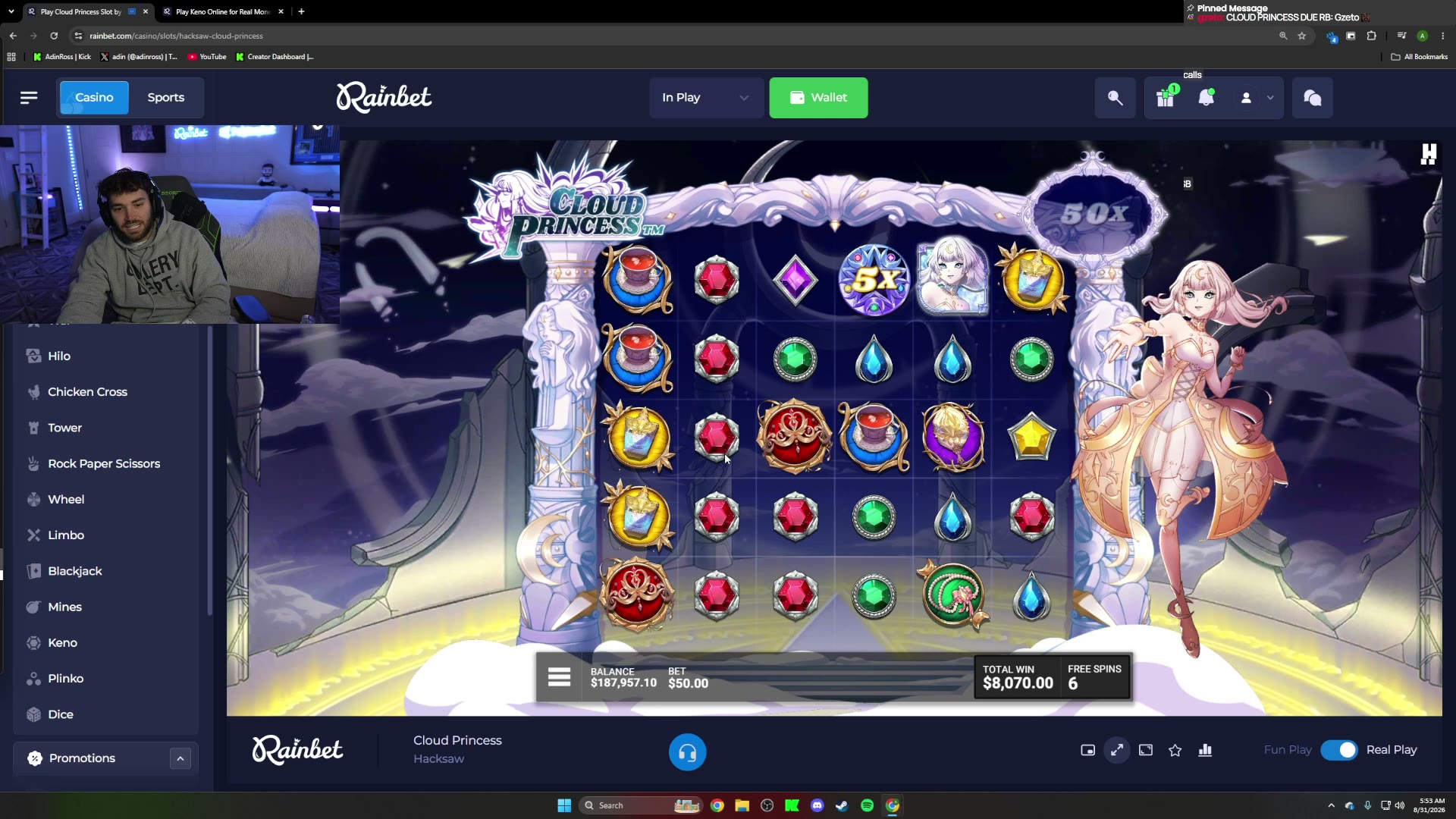
Recent News for AdinRoss
Adin Ross Gambling Timeline And What Is Verified
Adin Ross gambling is one of those search terms that sounds simple until you open the tab stack. Some people want stream clips. Some want the Stake story. Others want the Kick angle, the Twitch history, the lawsuit headlines, or the net worth number that gets copied from one site to the next like a bad cold.
For players who care about fairness, the useful question is not whether the content was loud, viral, or profitable. The useful question is what is actually verified. Public coverage does show that Adin Ross gambling content became part of a wider debate over crypto casino promotion, sponsorship disclosure, and whether gambling streams with a young audience can ever be treated as just entertainment. That is where the signal sits once you mute the PR and the fan edits.
What Adin Ross Gambling Actually Covers
When people search for Adin Ross gambling, they are usually collapsing several separate issues into one phrase. First, there is the basic fact of gambling-adjacent stream content, including high-stakes slots and casino play shown to a mass audience. Second, there is the operator question, with Stake casino appearing again and again in public discussion around Ross and similar creators. Third, there is the platform question, because Kick gambling streams became part of the same ecosystem after Twitch gambling debates escalated.
Then there is the controversy layer. Critics have argued that gambling content fronted by large creators can reach viewers who are too young to engage with gambling legally or safely, even when the underlying product is age-gated. That criticism is not just about what happens on the original stream. It is also about clipped highlights, reposted wins, and the way social platforms strip context faster than a slot eats a balance.
Finally, there are the legal and money questions. Search results now mix Adin Ross gambling controversy with lawsuit coverage and net worth claims. Those are not the same thing. A lawsuit headline is not proof of liability. A net worth estimate is not proof of cash earned from gambling content. And a big on-screen balance is not proof the money was entirely personal, unsponsored, or withdrawable on ordinary player terms.
That distinction matters. If you are trying to understand Adin Ross gambling streams, the cleanest way to read the story is as a mix of content, sponsorship, platform distribution, and public backlash, not as one neat event with one neat answer.
A Practical Timeline Of The Story
A careful timeline for Adin Ross gambling is better built in phases than in recycled date lists. That is because clip compilations and commentary videos often flatten months of separate events into one headline. For readers who want the short version without the mythology, the timeline looks more like this.
- Phase one involved Ross becoming a major internet personality with an audience large enough that any shift into gambling content would carry real promotional weight.
- Phase two was the visible appearance of gambling streams and gambling-related clips in public circulation, with Stake casino and other crypto casino discussion entering the same conversation.
- Phase three overlapped with the broader Twitch gambling fight, where gambling content, creator responsibility, and platform policy became part of one industry-wide argument rather than one creator story.
- Phase four moved much of the debate toward Kick, where creator deals, gambling adjacency, and looser platform culture kept the issue in view.
- Phase five added repeated "quit gambling" claims, comeback speculation, and lawsuit headlines, which further blurred what was current, what was old, and what was only alleged.
The point of a phase-based timeline is simple. It avoids fake precision. Without a checked filing, stream archive, or direct statement, stating exact turning points as settled fact is how bad SEO pages become accidental fiction. In the case of Adin Ross gambling, the safer reading is that the content evolved alongside the larger creator casino economy rather than appearing as a one-off controversy that cleanly ended.
That also explains why the story keeps resurfacing. The search interest is not only about one stream. It is about a recurring format, recurring sponsorship questions, and recurring concerns about who is watching.
Stake, Kick, And The Sponsorship Problem
The names most often attached to Adin Ross gambling are Stake and Kick, and that pairing is not random. Stake casino sits inside the wider crypto gambling conversation, while Kick is regularly discussed as a creator platform tied to that same orbit. For viewers, the important issue is not branding trivia. It is incentives.
When a creator streams casino play under a sponsorship deal, a revenue share, or another promotional arrangement, the audience may be seeing something very different from ordinary player experience. The balance on screen may not reflect personal funds in the simple way viewers assume. Win clips can travel farther than loss sessions. Wagering conditions, deposit rules, and withdrawal friction rarely become the viral part of the highlight reel. Funny how that works.
That is why casino sponsorship deserves plain language. A stream can be entertainment, marketing, and distribution all at once. If the disclosure is weak, delayed, or stripped out when clips are reposted, the audience is left with the most dangerous version of gambling content: high excitement with missing context. That matters even more when the content involves a crypto casino, where payment rails, account checks, and licensing detail can be unfamiliar to casual viewers.
For fairness-minded players, three questions cut through most of the noise around Adin Ross Stake casino discussion:
- Was the relationship with the operator clearly disclosed?
- Was the gambling content meaningfully age-gated where it appeared?
- Would a normal player have access to the same balances, terms, and withdrawal experience shown on stream?
If those answers are unclear, the content should be treated as promotion first and performance second. That is not moral panic. That is basic risk labeling.
Why The Controversy Moved Beyond Stream Clips
The backlash around Adin Ross gambling controversy did not persist just because people dislike streamers gambling on camera. The deeper issue was distribution. Gambling content does not stay in one room. It gets clipped, remixed, shortened, and pushed into feeds where age gates are weaker, context is thinner, and the strongest message is usually the same one casinos have sold for decades: look how easy it is to win when someone else is taking the downside.
That is why underage gambling concerns kept appearing in public criticism. No serious observer needs to claim that every viewer is a child to see the risk. A creator with a young fan base does not stop having a young fan base merely because the original stream page says adults only. Once clips leave the source platform, the practical effect can look very different from the official rulebook.
The Twitch gambling fight also mattered because it made sponsorship mechanics a mainstream topic. Suddenly, people outside the usual crypto casino crowd were asking questions about platform responsibility, age verification, and whether gambling content should be handled differently from other categories. Ross became part of that debate because his name, audience size, and stream style made him hard to ignore.
There is also a problem gambling angle that gets lost when coverage turns into influencer soap opera. High-stakes slots are not just bright colors and loud reactions. They are a product with negative expected value for ordinary players over time. If viewers walk away thinking a winning session is a normal or repeatable outcome, the stream has conveyed a fantasy, not a fair baseline. That is precisely why the Adin Ross gambling discussion remains relevant beyond fandom.
Lawsuit And Net Worth Claims Need Receipts
Recent search interest around Adin Ross gambling lawsuit shows how quickly legal headlines can overtake the underlying facts. The first rule here is blunt: a lawsuit is an allegation unless and until a court, settlement, or dismissal says more. Comment sections routinely treat filed claims as proven conduct. That is not how law works, and it is not how fair reporting works either.
If you are trying to evaluate a gambling-related lawsuit story, focus on documents, not reaction videos. The useful checkpoints are straightforward:
- What exactly is alleged in the filing?
- Who is named, and in what capacity?
- Has there been a response, motion, settlement, or dismissal?
- Does the complaint concern promotion, access, age issues, disclosures, or something else entirely?
The same skepticism should apply to net worth claims. Searches for Adin Ross net worth often get folded into the gambling story as if a casino stream balance proves personal wealth. It does not. Creator income can come from platform deals, sponsorships, ad revenue, subscriptions, clips, equity, gifts, and other channels. Gambling content adds another layer of distortion because on-screen balances may reflect sponsored funds, promotional credits, or arrangements that do not resemble a normal player wallet.
That is where the phrase house money becomes more than slang. If the audience cannot tell whether the risk is personal, subsidized, or partly theatrical, it cannot accurately judge the behavior being modeled. So when a page claims to know exactly how much Adin Ross gambling made, ask for source material. If there is no filing, contract, ledger, or direct disclosure, you are reading a guess wearing a necktie.
What Fairness-Minded Players Should Learn
The most useful takeaway from the Adin Ross gambling saga is not really about Adin Ross. It is about how viewers should read gambling content in general. If a creator is fronting an online casino or crypto casino product, assume the stream is a marketing surface unless proven otherwise. That does not make every clip dishonest. It just means the incentives are not neutral.
There are a few practical habits worth keeping:
- Do not copy streamer bet sizing. The visible bankroll may not reflect normal financial risk.
- Do not confuse provably fair with fully safe. Provably fair tools can verify game logic, but they do not solve disclosure gaps, affordability issues, or withdrawal behavior.
- Check the boring stuff. Terms, age checks, country restrictions, and payout handling are where real consumer outcomes live.
- Treat viral win clips as ads until shown otherwise. Distribution rewards excitement, not balance.
That is also the cleanest way to read the continuing search demand around Adin Ross gambling streams. People are not only looking for entertainment gossip. They are trying to work out whether what they watched was authentic play, sponsored promotion, or some mixture of the two. That is a fair question, and it deserves better than copy-paste rumor pages.
Bottom line: the verified core is that Ross became a prominent name in gambling-stream discourse tied to Stake, Kick, sponsorship criticism, and lawsuit coverage. The unverified edges are where the internet usually gets loudest. For players who care about fairness, keep your attention on disclosures, incentives, and hard receipts. Everything else is just lighting, audio, and a thumbnail face doing the usual shocked expression.